
ECG (Electrocardiogram)
Quick heart screening and pre-operative cardiac evaluation.
Overview
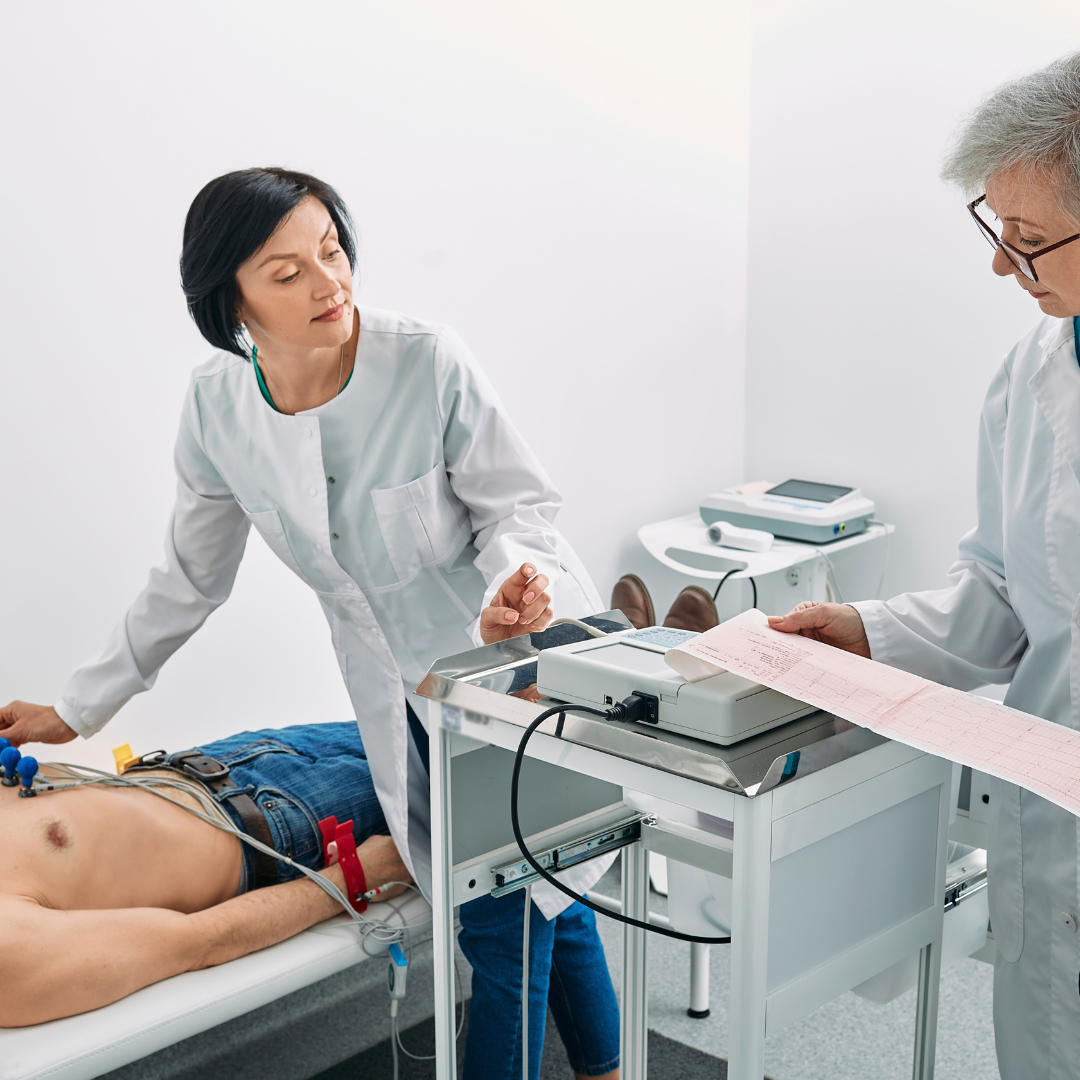
An Electrocardiogram, commonly known as an ECG or EKG, is a simple, non-invasive, and painless test that records the electrical activity of your heart. In India, heart-related conditions are increasingly common due to changing lifestyles and hereditary factors, making regular cardiac screening a vital part of proactive healthcare. Every time your heart beats, an electrical wave travels through it, causing the muscle to squeeze and pump blood. An ECG captures these signals and displays them as waves on a monitor or paper. This test is the first line of defense in identifying irregular heart rhythms, potential blockages, or signs of a previous heart attack. At Sanjeevi Hospital in Sangareddy, we use the ECG as a fundamental tool for both emergency assessments and routine health check-ups, ensuring that your heart is functioning efficiently. It is a quick procedure, usually taking less than ten minutes, but the information it provides is invaluable for your long-term cardiovascular well-being and peace of mind.
Symptoms to watch for
- Sudden or recurring chest pain or discomfort (Angina)
- Feeling like your heart is racing, fluttering, or skipping beats
- Shortness of breath even during mild physical activity or rest
- Feeling dizzy, lightheaded, or experiencing fainting spells
- Unusual fatigue or weakness throughout the day
- Pain radiating to the left arm, neck, or jawline
- Swelling in the legs, ankles, or feet
- Persistent cough or wheezing that doesn't go away
- Nausea or cold sweats accompanied by chest pressure
Causes & risk factors
- High blood pressure (Hypertension) putting strain on heart muscles
- High cholesterol levels leading to plaque buildup in Indian diets
- Diabetes mellitus which can damage heart-related nerves and vessels
- Sedentary lifestyle and lack of regular physical exercise
- Family history of early-onset cardiac diseases
- Smoking and excessive consumption of tobacco products
- High levels of stress and poor sleep hygiene
- Obesity and high Body Mass Index (BMI)
Diagnosis
- Standard Resting 12-lead ECG to record heart rhythm while lying down
- Stress Test or TMT to monitor heart behavior during physical exertion
- Holter Monitoring for 24-48 hour continuous electrical recording
- Event Monitor for recording heart activity over longer periods
- Echocardiogram (Ultrasound) to visualize heart structure and valves
- Blood tests identifying Cardiac Biomarkers like Troponin
- Chest X-ray to check the size and shape of the heart
Treatment options
Lifestyle Modifications
Adopting a 'heart-healthy' diet rich in local millets, vegetables, and low oils, combined with 30 minutes of brisk walking daily to strengthen your heart muscle.
Anti-Hypertensive Medications
Prescribed medications to control high blood pressure, reducing the workload on your heart and preventing future electrical abnormalities.
Cholesterol Management
Using medications to lower 'bad' LDL cholesterol and prevent the hardening of arteries that often shows up as changes on an ECG.
Blood Thinners
Specific medications designated to prevent the formation of blood clots, especially in patients with irregular heart rhythms like Atrial Fibrillation.
Electrolyte Correction
Balancing essential minerals like potassium, calcium, and magnesium through diet or supplements to ensure smooth electrical signaling in the heart.
Cardiac Rehabilitation
A supervised program at Sanjeevi Hospital involving exercise and education to help patients recover after a cardiac event detected by an ECG.
When to see a doctor
It is important to listen to your body. If you experience sudden, sharp chest pain, especially if it feels like a heavy weight is sitting on your chest, please seek emergency care immediately at Sanjeevi Hospital. Do not ignore symptoms like fainting or significant difficulty breathing. We are here to support you with empathy and expert care. Even if your symptoms seem mild or come and go, a quick ECG can provide the clarity needed to keep you safe and healthy for your family.
Prevention & self-care
- Reduce daily salt intake to help manage blood pressure naturally
- Include more fiber-rich foods like oats, leafy greens, and pulses in your meals
- Quit all forms of tobacco use including cigarettes and gutka
- Practice yoga or meditation for at least 15 minutes to manage mental stress
- Monitors your blood sugar levels regularly if you have a family history of diabetes
- Maintain a healthy weight through portion control and avoiding sugary snacks
- Limit the intake of fried foods and trans-fats found in processed snacks
- Schedule an annual heart check-up including an ECG at Sanjeevi Hospital
Related conditions
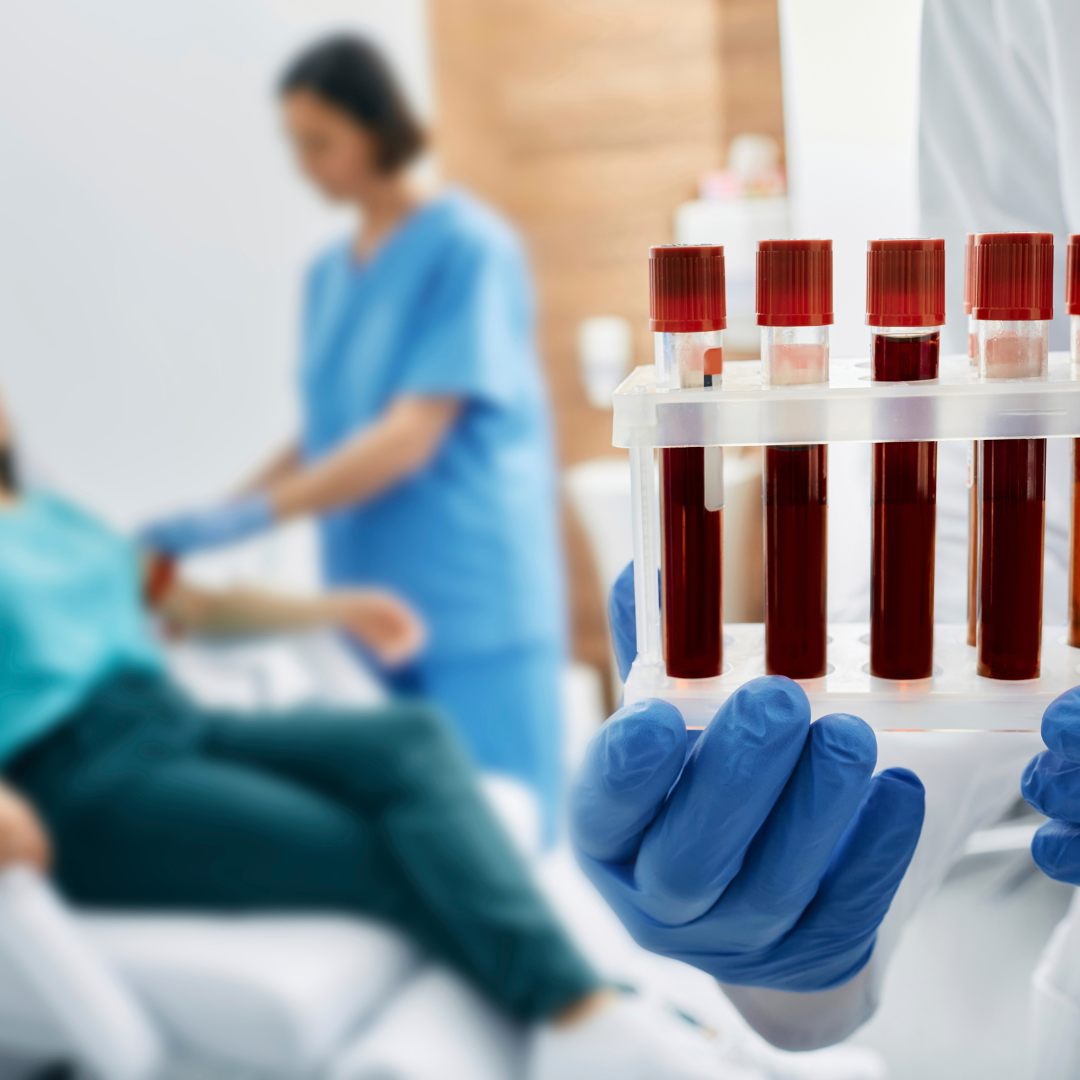
Blood Tests
Routine and specialised pathology with quick turnaround.
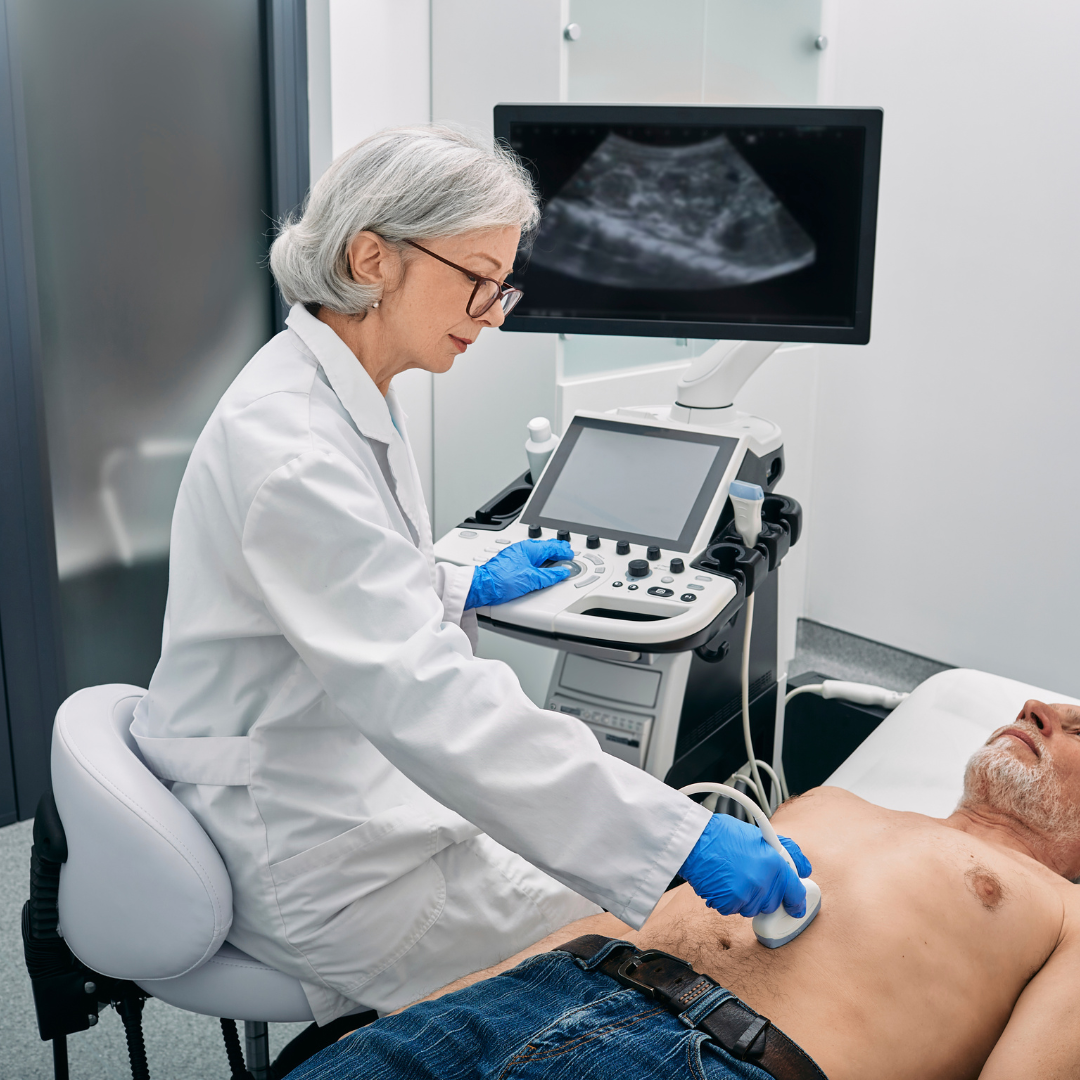
Ultrasound Scanning
Abdominal, pelvic, obstetric and small-parts ultrasound.

Preventive Health Check Packages
Curated check-up packages for men, women and seniors.
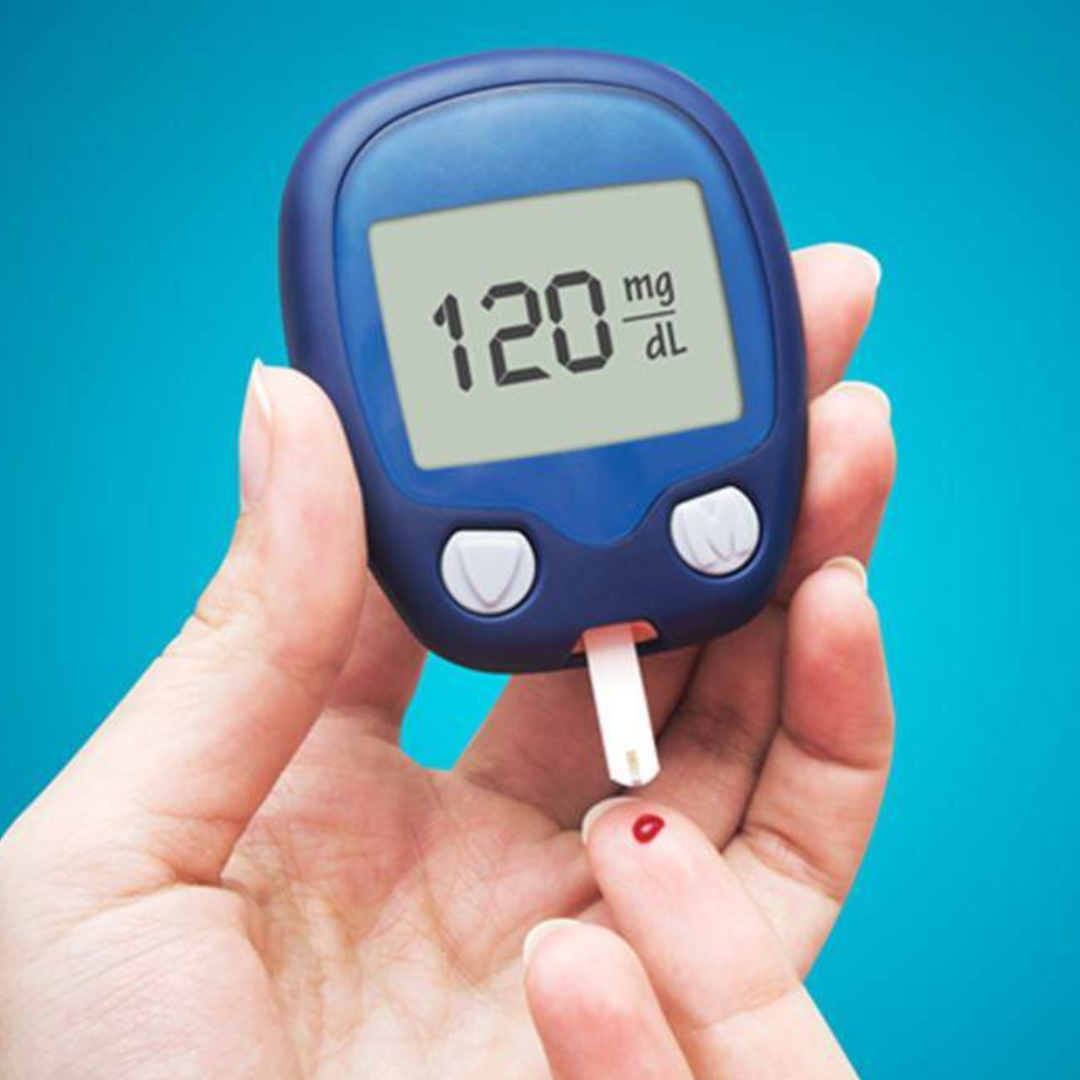
Diabetes Panel
HbA1c, fasting and postprandial glucose, kidney and lipid panel.
Answers about ECG (Electrocardiogram)
Common questions about ECG (Electrocardiogram) — diagnosis, treatment and recovery at Sanjeevi Hospital, Sangareddy.