
Thyroid Profile
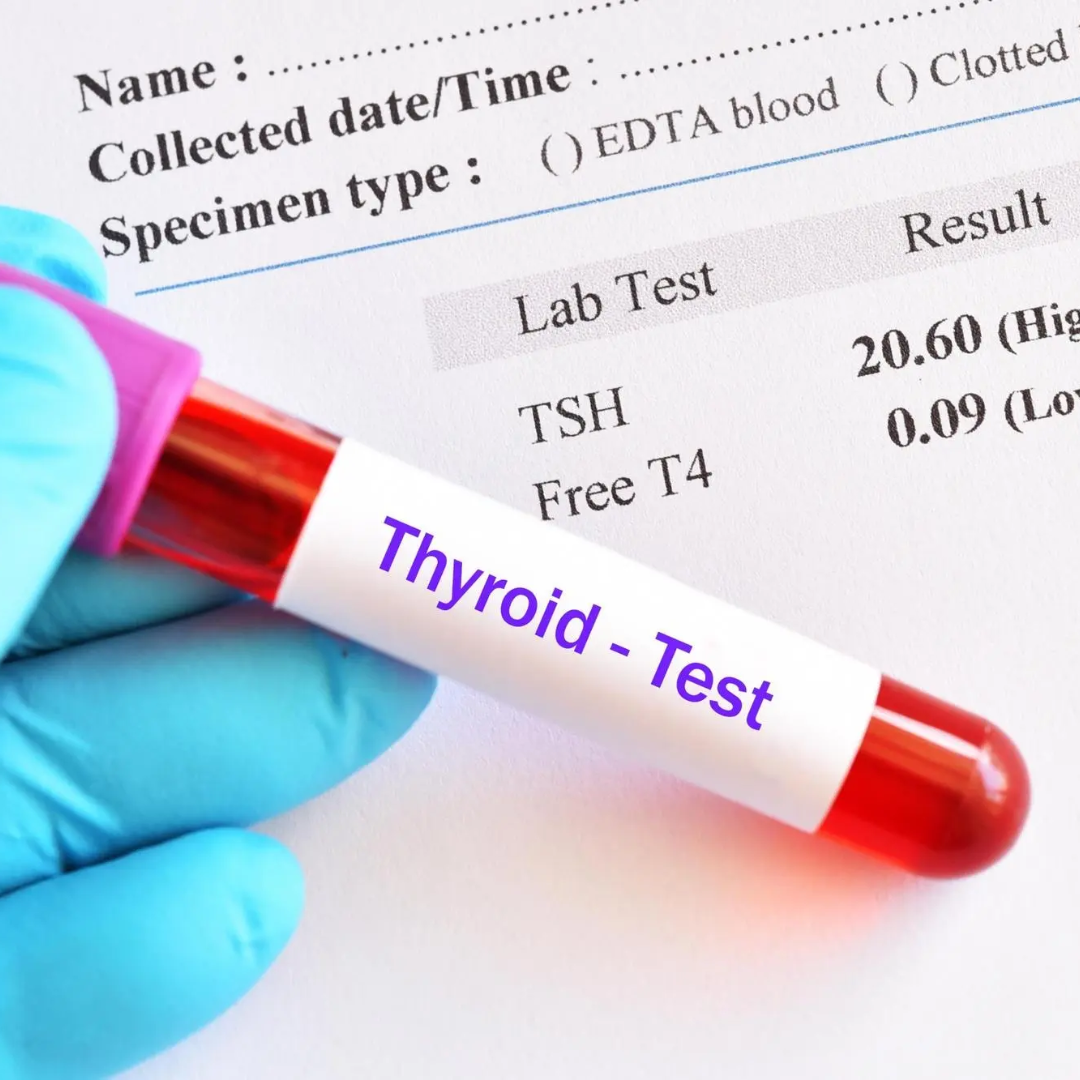
TSH, T3, T4 — complete thyroid evaluation.
Overview
A Thyroid Profile is a common group of blood tests—measuring TSH, T3, and T4—used to check how well your thyroid gland is working. Located at the base of your neck, this small butterfly-shaped gland acts as your body's engine, controlling energy levels, heart rate, and metabolism. Thyroid imbalances are incredibly common in India, affecting approximately one in ten adults. Factors like iodine deficiency (historically significant in many Indian regions), stress, and changing lifestyles have made thyroid disorders a major health concern. Whether your body is working too fast (hyperthyroidism) or too slow (hypothyroidism), this profile is the first essential step in understanding your hormonal health. At Sanjeevi Hospital in Sangareddy, we provide accurate testing to help you regain your energy and balance. Early detection through a simple blood draw can prevent long-term complications affecting your heart, fertility, and mental well-being, ensuring you lead a vibrant, healthy life with the right medical guidance.
Symptoms to watch for
- Unexplained weight gain or difficulty losing weight despite a healthy diet.
- Constant feeling of tiredness, low energy, or muscle weakness.
- Swelling in the front of the neck (goitre) or difficulty swallowing.
- Changes in heart rate, such as palpitations or a very slow pulse.
- Sensitivity to cold or feeling excessively hot even in moderate weather.
- Mood swings, including increased anxiety, irritability, or persistent sadness.
- Irregular menstrual cycles or heavy periods in women.
- Dry skin, thinning hair, or brittle fingernails.
- Issues with digestion, such as chronic constipation or frequent stools.
Causes & risk factors
- Autoimmune diseases where the body attacks the thyroid gland (like Hashimoto's).
- Inadequate levels of iodine in the daily diet, common in certain Indian soils.
- Inflammation of the thyroid gland, often triggered by a viral infection.
- Family history or genetic predisposition to hormonal imbalances.
- Post-pregnancy hormonal shifts leading to postpartum thyroiditis.
- Nodules or non-cancerous growths within the thyroid gland.
- Side effects from certain long-term medications or medical treatments.
- High levels of emotional or physiological stress affecting the endocrine system.
Diagnosis
- TSH (Thyroid Stimulating Hormone) test to check the primary communication from the brain.
- Free T4 and Free T3 tests to measure the active hormones circulating in the blood.
- Thyroid Antibody tests to identify underlying autoimmune conditions.
- Physical examination of the neck to check for lumps, tenderness, or enlargement.
- Ultrasound of the thyroid for a detailed visual of the gland's structure.
- Fine Needle Aspiration (FNA) if a suspicious nodule is detected during a scan.
- Radioactive iodine uptake test to see how well the gland absorbs iodine.
Treatment options
Hormone Replacement Therapy
For an underactive thyroid, daily medication helps replace the missing hormones to restore the body's natural balance and energy levels.
Antithyroid Medications
If your thyroid is overactive, these medicines help slow down the excessive production of hormones and manage symptoms like racing heartbeat.
Beta-Blockers
These are supportive medications used to manage immediate symptoms like tremors, anxiety, and rapid heart rates while other treatments take effect.
Iodine Supplementation
In cases where deficiency is the cause, guided nutritional changes or supplements are provided to help the gland function correctly.
Radioactive Iodine Therapy
A common treatment for hyperthyroidism that involves taking a dose of radioactive iodine to shrink or slow down an overactive thyroid gland.
Surgical Intervention (Thyroidectomy)
In cases of large goitres, nodules, or suspected malignancy, our surgeons may remove part or all of the thyroid gland for long-term health.
When to see a doctor
It is important to consult a specialist if you notice a visible lump in your neck, experience sudden and unexplained heart palpitations, or feel a deep sense of exhaustion that does not improve with rest. If you are planning a pregnancy or experiencing fertility issues, checking your thyroid is vital. Be kind to yourself; hormonal changes often feel like personality shifts, but they are treatable medical conditions. Please visit us at Sanjeevi Hospital for a professional evaluation.
Prevention & self-care
- Use iodized salt in your cooking as per standard Indian dietary recommendations.
- Maintain a balanced diet rich in selenium and zinc, including nuts and whole grains.
- Practice regular stress-management techniques like Yoga or Pranayama.
- Undertake regular health check-ups if you have a family history of thyroid issues.
- Avoid smoking, as tobacco toxins can interfere with thyroid hormone production.
- Ensure adequate sleep to support the body's natural endocrine rhythms.
- Limit processed soy intake if you have a known borderline thyroid condition.
- Stay physically active with at least 30 minutes of moderate exercise daily.
Related conditions
Blood Tests
Routine and specialised pathology with quick turnaround.
Ultrasound Scanning
Abdominal, pelvic, obstetric and small-parts ultrasound.
ECG (Electrocardiogram)
Quick heart screening and pre-operative cardiac evaluation.

Preventive Health Check Packages
Curated check-up packages for men, women and seniors.
Answers about Thyroid Profile
Common questions about Thyroid Profile — diagnosis, treatment and recovery at Sanjeevi Hospital, Sangareddy.