
Ultrasound Scanning
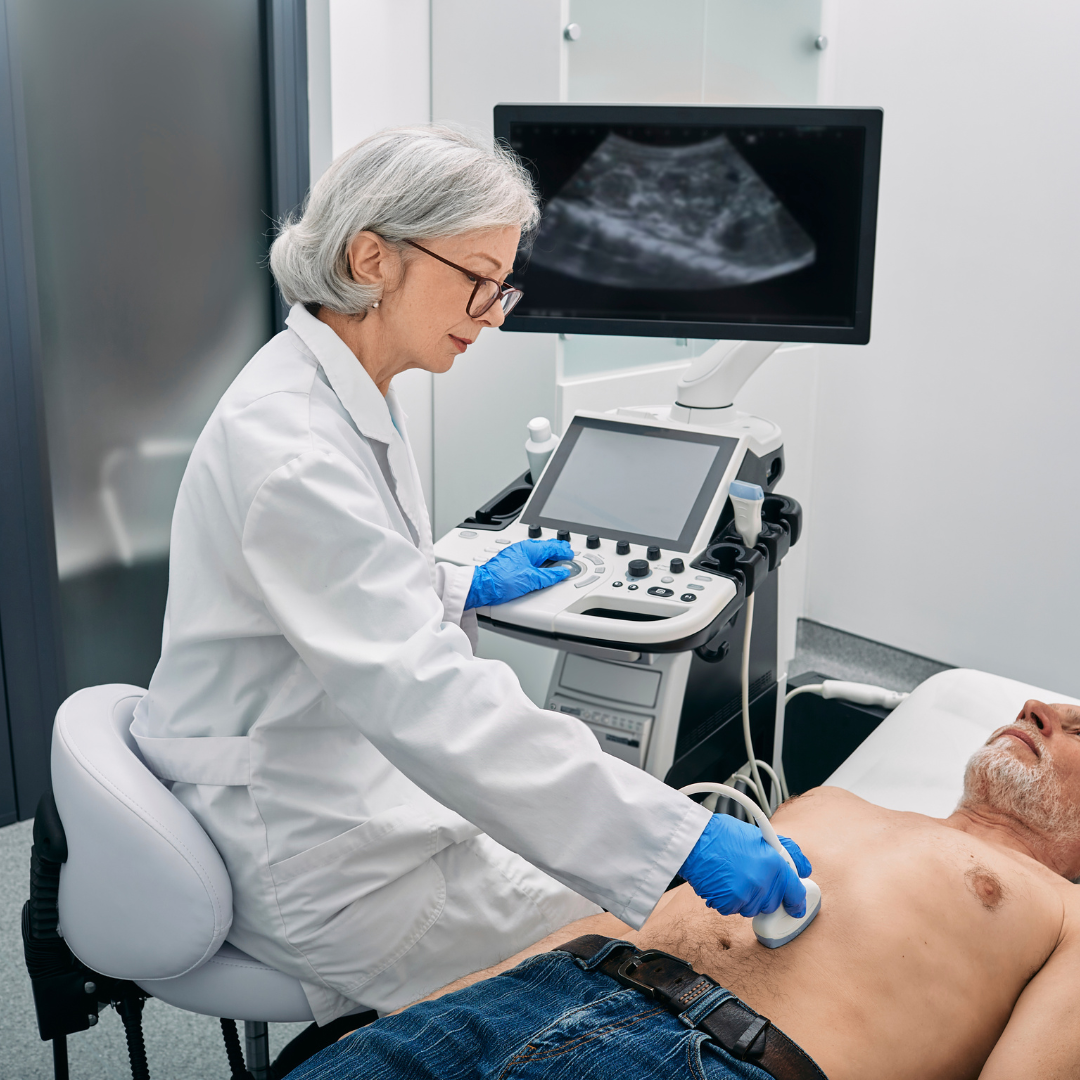
Abdominal, pelvic, obstetric and small-parts ultrasound.
Overview
Ultrasound scanning, also known as sonography, is a safe and painless diagnostic tool that uses high-frequency sound waves to create real-time images of the inside of your body. Unlike X-rays, it involves no radiation, making it the preferred choice for monitoring pregnancy and examining sensitive organs. In India, ultrasound is a cornerstone of modern healthcare, used extensively to diagnose everything from kidney stones and fatty liver to complications in the gallbladder or appendix. At Sanjeevi Hospital, we use this technology to get a clear picture of what is happening inside your abdomen, pelvis, and small parts like the thyroid or breasts. It is a vital, non-invasive first step in identifying health issues early, ensuring that patients in Sangareddy receive accurate diagnoses. Because it provides immediate results and is highly affordable, it remains one of the most trusted diagnostic methods for families across Telangana. Whether you are checking on your baby's growth or investigating a sharp pain in your stomach, an ultrasound provides the clarity your doctor needs to plan your path to recovery.
Symptoms to watch for
- Persistent pain or discomfort in the upper or lower abdomen
- Swelling or bloating that does not go away with home remedies
- Nausea and vomiting associated with digestive issues
- Irregular menstrual cycles or unusually heavy pelvic pain
- Feeling a strange lump or swelling in the neck, breast, or groin
- Frequent or painful urination which may indicate kidney concerns
- Yellowing of the skin or eyes, often known as jaundice
- Sudden weight loss combined with abdominal tenderness
- Monitoring the movement and heartbeat of a growing baby during pregnancy
Causes & risk factors
- Gallstones or inflammation of the gallbladder (cholecystitis)
- Kidney stones causing blockage or infection in the urinary tract
- Fatty liver disease, which is increasingly common due to modern lifestyles
- Appendicitis, presenting as acute pain in the lower right abdomen
- Ovarian cysts or uterine fibroids causing pelvic distress
- Enlargement of the spleen or liver due to underlying infections
- Blockages in the blood flow within major arteries or veins
- Normal physiological changes during the stages of pregnancy
Diagnosis
- External Abdominal Scan: Moving a transducer over the skin with a cool gel
- Pelvic Ultrasound: Checking the bladder, uterus, and ovaries for abnormalities
- Transvaginal Ultrasound: A closer look at reproductive organs for detailed imaging
- Doppler Ultrasound: Measuring the speed and direction of blood flow in vessels
- Small Parts Scan: Focused imaging of the thyroid, scrotum, or breast tissues
- Obstetric Ultrasound: Monitoring fetal development and heartbeat at different trimesters
- Follicular Tracking: Monitoring egg development for couples planning a family
Treatment options
Diagnostic Mapping
The primary role of the ultrasound is to provide a clear map of internal organs, allowing doctors to identify the exact cause of pain without surgery.
Guided Aspiration
If a cyst or fluid collection is found, doctors use real-time ultrasound to safely guide a small needle to drain the fluid.
Antenatal Monitoring
Regular scans help monitor the baby's growth, detect any structural issues early, and ensure the well-being of the mother throughout the pregnancy.
Inflammation Management
By identifying inflamed organs like the appendix or gallbladder early, doctors can start medications promptly to reduce swelling and pain.
Stone Localization
Accurately finding the size and location of kidney or gallstones helps in deciding if they can be treated with medicine or require further procedures.
Biopsy Guidance
When a suspicious lump is found, ultrasound helps the specialist take a tiny tissue sample with precision, ensuring maximum safety and accuracy.
When to see a doctor
Please visit us at Sanjeevi Hospital if you experience sudden, sharp abdominal pain that prevents you from sitting still. Other red flags include persistent high fever with stomach tenderness, blood in your urine, severe yellowing of the skin, or if you feel a hard, painless lump anywhere on your body. For expectant mothers, any reduction in baby movement or unexpected spotting should be checked immediately. Your health is precious; we are here to provide gentle, expert care when you feel something isn't right.
Prevention & self-care
- Drink plenty of filtered water to help prevent the formation of kidney stones
- Maintain a balanced diet low in saturated fats to prevent fatty liver and gallstones
- Schedule regular health check-ups if you have a family history of abdominal issues
- Practice good hygiene and eat fresh food to avoid infections that cause organ swelling
- Follow your doctor's recommended schedule for routine scans during pregnancy
- Avoid self-medicating for long-term stomach pain; seek a proper diagnosis instead
- Exercise daily to maintain a healthy weight, reducing pressure on your internal organs
Related conditions
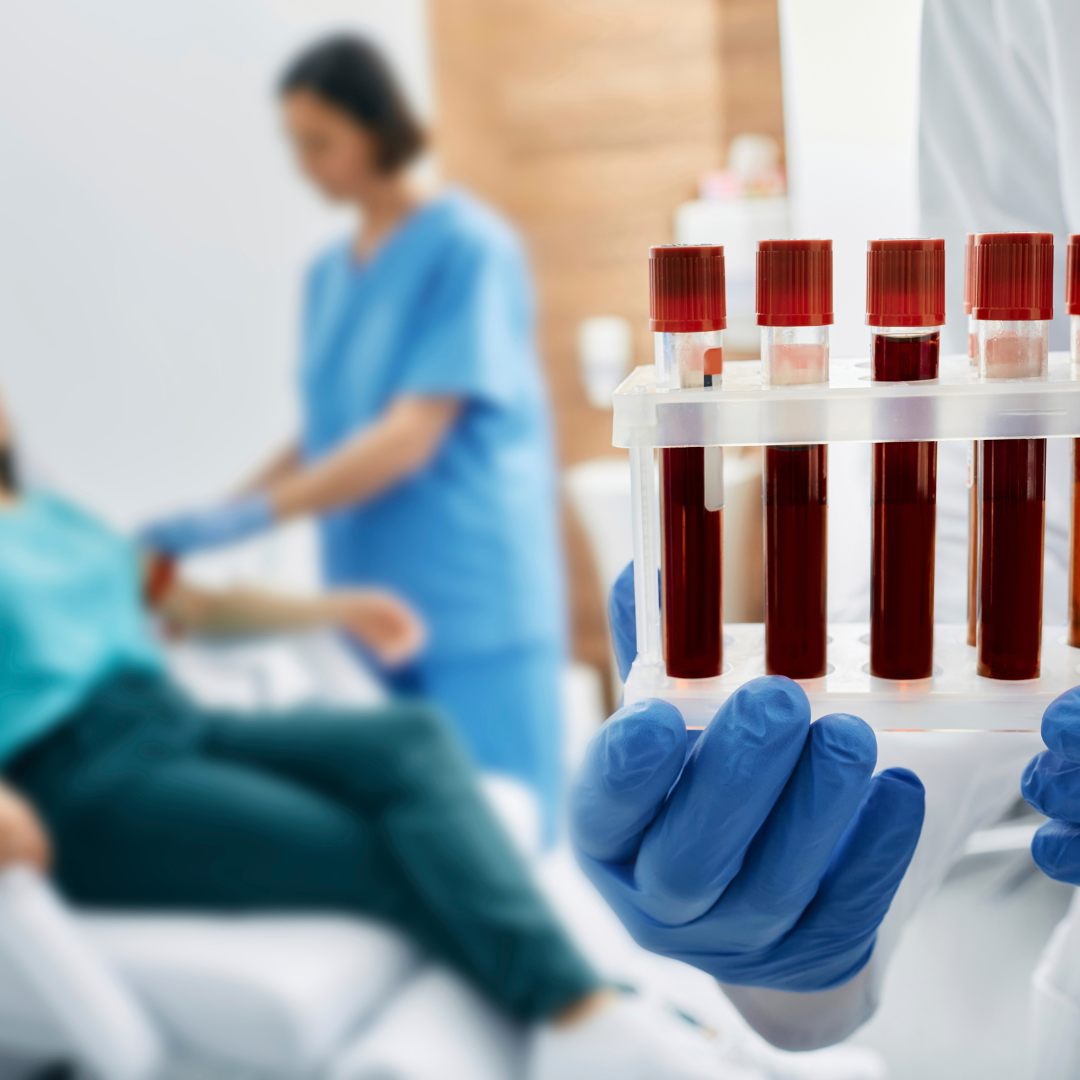
Blood Tests
Routine and specialised pathology with quick turnaround.
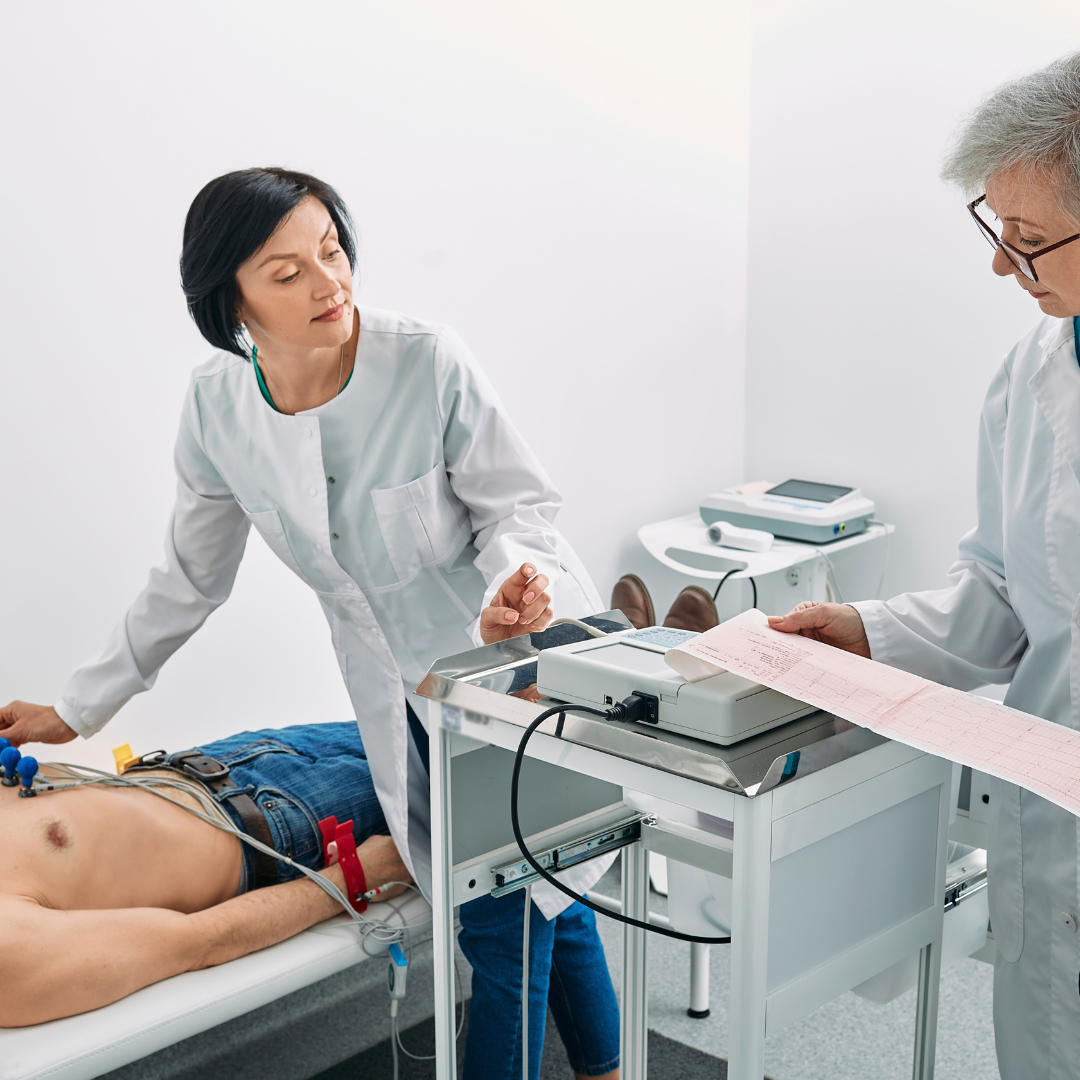
ECG (Electrocardiogram)
Quick heart screening and pre-operative cardiac evaluation.

Preventive Health Check Packages
Curated check-up packages for men, women and seniors.
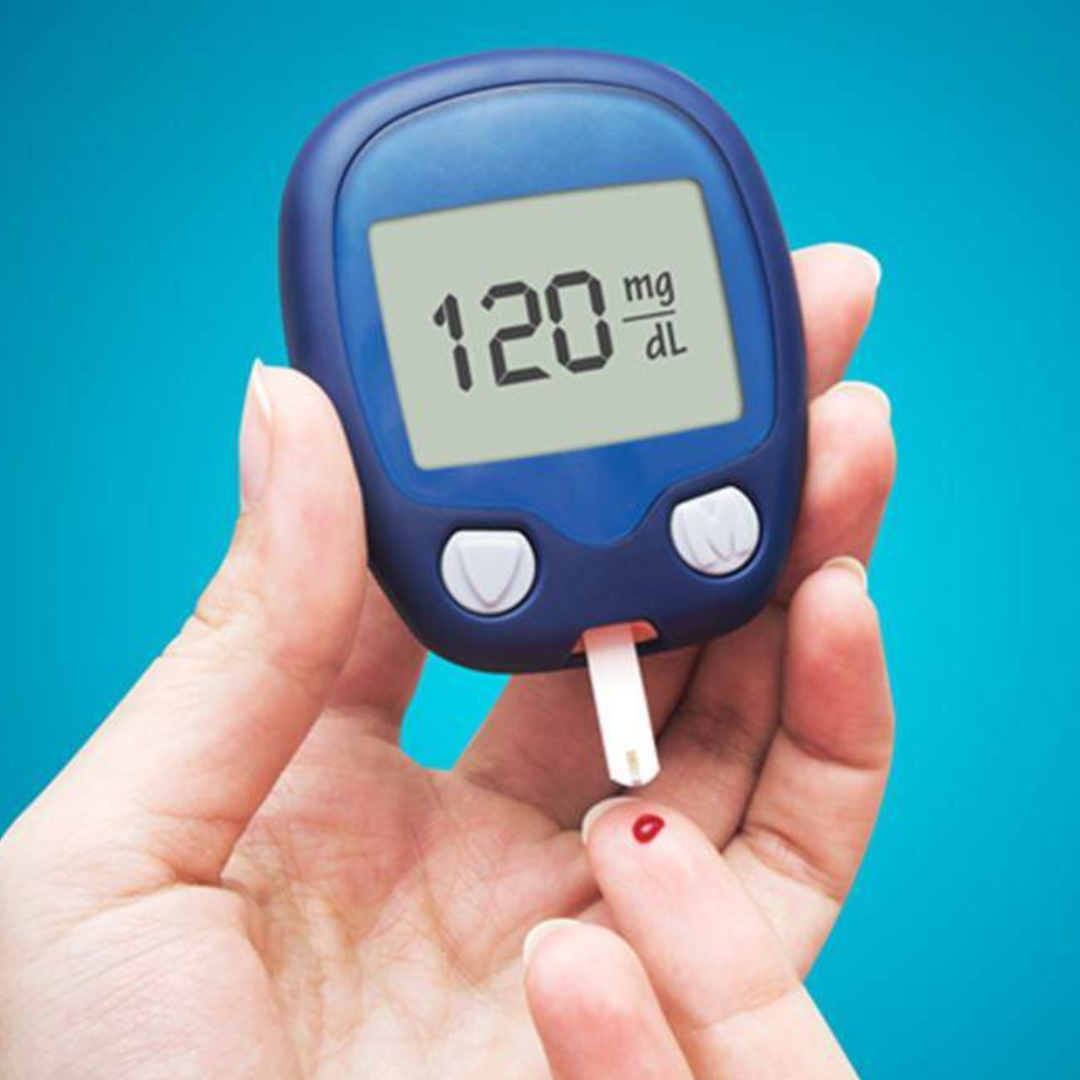
Diabetes Panel
HbA1c, fasting and postprandial glucose, kidney and lipid panel.

Answers about Ultrasound Scanning
Common questions about Ultrasound Scanning — diagnosis, treatment and recovery at Sanjeevi Hospital, Sangareddy.