
Pregnancy Scans
Dating, anomaly and growth scans for safer pregnancy.
Overview
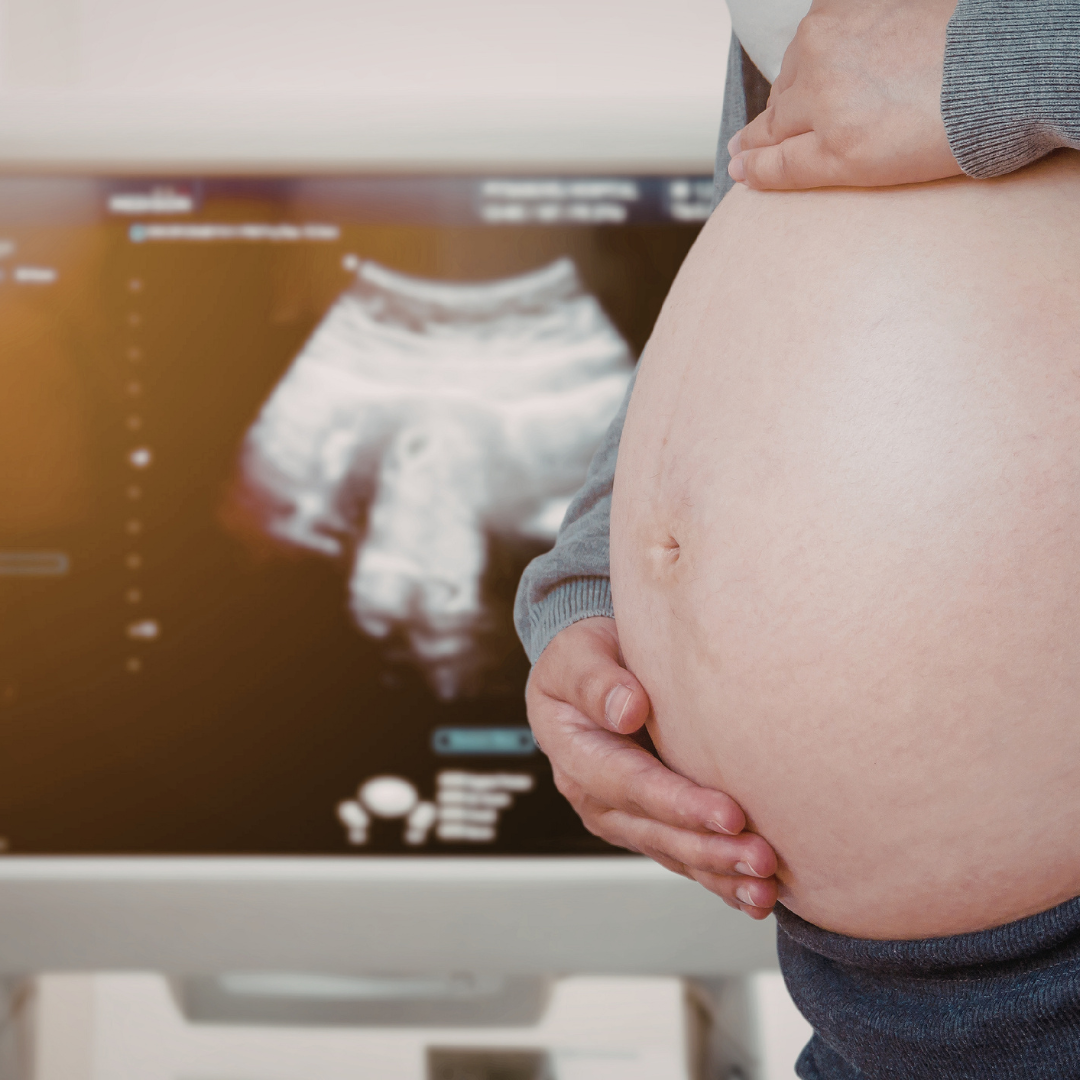
Pregnancy scans, or prenatal ultrasounds, are vital health checks used to monitor the growth and development of your baby while in the womb. At Sanjeevi Hospital in Sangareddy, we understand that every expectant mother feels a mix of excitement and protectiveness. These scans use high-frequency sound waves to create live images of your baby, placenta, and amniotic fluid without any harmful radiation. In India, prenatal care has evolved significantly, and regular scans are now a standard part of IAP and ICMR guidelines to ensure both mother and child remain healthy. Whether it is confirming your due date or checking the baby's heart, these screenings provide peace of mind. They help in identifying potential complications early, allowing for timely medical intervention. In a country where nutritional challenges and gestational diabetes are common, these diagnostic tools act as a safeguard for a smooth delivery process and a healthy start for your little one.
Symptoms to watch for
- A positive home pregnancy test confirming your new journey
- Occasional mild pelvic cramping as the uterus begins to expand
- The first rhythmic movements of the baby felt in the second trimester
- Changes in the mother’s abdominal size and weight over the months
- Morning sickness or nausea indicating hormonal shifts
- Fatigue or tiredness as the body works hard to support the fetus
- Feeling the baby's hiccups or regular kicks in the later stages
- Breast tenderness and sensitivity common in early pregnancy
- Increased frequency of urination as the baby grows and presses on the bladder
Causes & risk factors
- The need to confirm a viable intrauterine pregnancy after a missed period
- Monitoring the baby due to maternal health factors like high blood pressure
- Evaluating the pregnancy if there is any history of previous complications
- Tracking growth if the mother has gestational diabetes (common in Indian diets)
- Investigating symptoms like unusual pain or unexpected spotting
- Screening for chromosomal or structural development milestones
- Ensuring the placenta is positioned correctly for a safe natural delivery
- Checking amniotic fluid levels to ensure the baby has enough room to move
Diagnosis
- Transvaginal Ultrasound (TVS) for clear imaging in the very early weeks
- Transabdominal Ultrasound using a handheld transducer over the belly
- Doppler Ultrasound to measure blood flow in the baby’s umbilical cord
- Nuchal Translucency (NT) Scan to assess early developmental risks
- Level II Anomaly Scan for a detailed head-to-toe check of the baby
- Growth Scans with Bio-physical Profile (BPP) for late-term monitoring
- 3D/4D Imaging for a more detailed view of the baby’s facial features
Treatment options
Dating and Viability Scan
Performed between 7 to 10 weeks to confirm the heartbeat, determine if you are carrying twins, and calculate your expected date of delivery.
NT (Nuchal Translucency) Scan
A specialized screening done between 11 to 13 weeks to measure the fluid at the back of the baby's neck, identifying risks for certain genetic conditions.
TIFFA / Anomaly Scan
A comprehensive 'Targeted Imaging for Fetal Anomalies' scan at 18-20 weeks to check the baby's heart, brain, kidneys, and limbs for proper formation.
Fetal Growth and Wellbeing Scan
Conducted in the third trimester to monitor the baby's weight gain, position, and the health of the placenta as you approach your due date.
Color Doppler Study
Uses sound waves to show blood moving through blood vessels, ensuring the baby is getting enough oxygen and nutrients from the mother.
Cervical Length Monitoring
An ultrasound measurement of the cervix to assess the risk of preterm labor and ensure the mother can carry the baby to full term safely.
When to see a doctor
While pregnancy is a natural process, your comfort and safety are our priority. Please contact Sanjeevi Hospital immediately if you experience sharp abdominal pain, heavy vaginal bleeding, or a sudden decrease in your baby's movements. You should also seek care if you have severe persistent vomiting, high fever, or sudden swelling in your hands and face. We are here to listen to your concerns and provide the reassurance you need during these precious months.
Prevention & self-care
- Attend all scheduled prenatal scan appointments as recommended by your doctor
- Eat a balanced Indian diet rich in folate, iron, and calcium (like lentils and leafy greens)
- Stay well-hydrated by drinking 2-3 liters of water daily, especially in Sangareddy heat
- Take your prescribed folic acid and prenatal vitamins consistently every day
- Avoid self-medication and consult our experts before taking any over-the-counter drugs
- Maintain a gentle exercise routine like walking, unless advised otherwise by your obstetrician
- Keep track of your baby's kick counts as instructed during your third trimester
- Ensure you get adequate rest and sleep on your left side to improve blood flow to the baby
Related conditions
Blood Tests
Routine and specialised pathology with quick turnaround.
Ultrasound Scanning
Abdominal, pelvic, obstetric and small-parts ultrasound.
ECG (Electrocardiogram)
Quick heart screening and pre-operative cardiac evaluation.

Preventive Health Check Packages
Curated check-up packages for men, women and seniors.
Answers about Pregnancy Scans
Common questions about Pregnancy Scans — diagnosis, treatment and recovery at Sanjeevi Hospital, Sangareddy.