
Antibiotic Stewardship
Complete the course — avoiding antibiotic resistance.

Overview
Antibiotic Stewardship is a vital healthcare program focused on ensures that the right antibiotic is given to the right patient, at the right time, with the right dose and for the right duration. In India, many people often buy antibiotics over the counter without a prescription or stop their course halfway once they feel better. This practice is dangerous because it leads to 'Antibiotic Resistance,' where bacteria learn to defeat the drugs meant to kill them. When this happens, common infections like pneumonia or urinary tract infections become much harder to treat. At Sanjeevi Hospital in Sangareddy, we follow strict clinical protocols to protect our community from these resistant 'superbugs.' By managing how we use these precious medicines, we ensure they remain effective for you and your family when you truly need them. Our pharmacy team works closely with doctors to monitor every prescription, protecting your long-term health and maintaining the strength of modern medicine.
Symptoms to watch for
- A fever that does not go away even after taking prescribed antibiotics for several days.
- Bacterial infections that keep returning shortly after you finish a treatment cycle.
- Wounds or skin infections that take an unusually long time to heal or show signs of pus.
- Experiencing severe diarrhea or stomach upset while taking strong antibiotic medications.
- Developing a skin rash, itching, or hives shortly after starting a new medication.
- Feeling unexplained weakness or recurring fatigue despite being on active treatment.
- Persistent cough or chest congestion that does not improve with standard medicine.
- Signs of a secondary infection, such as white patches in the mouth or fungal issues.
Causes & risk factors
- Taking antibiotics for viral infections like the common cold, flu, or most sore throats.
- Stopping the medicine course early because you started feeling better after a few doses.
- Self-medicating by buying antibiotics directly from a shop without a doctor's consultation.
- Using 'leftover' antibiotics from a previous illness for a new, different health problem.
- Sharing your prescribed antibiotics with family members or friends who have similar symptoms.
- The natural ability of bacteria to mutate and develop defenses against medical treatments over time.
- Poor hygiene and lack of regular handwashing, which allows resistant bacteria to spread easily.
- Lack of awareness regarding the difference between bacterial and viral illnesses.
Diagnosis
- Blood Culture Tests to identify the specific type of bacteria causing your current infection.
- Antibiotic Sensitivity Testing to see which specific medicine will work best for your body.
- Urine Routine and Culture to detect infections in the urinary tract and choose the right drug.
- Sputum Culture for lung-related issues to ensure we are not using unnecessarily strong drugs.
- Procalcitonin Tests which help doctors decide if an infection is bacterial or viral in nature.
- Review of your medical and medication history by our clinical pharmacists at Sanjeevi Hospital.
- Physical examination by a specialist to assess the severity and location of the infection.
Treatment options
Targeted Therapy
After lab results identify the exact bacteria, we switch from a broad antibiotic to a specific one that targets only that germ, reducing side effects.
Dose Optimization
Our clinical experts calculate the most effective dose based on your body weight, age, and kidney function to ensure the medicine works perfectly.
IV to Oral Conversion
We safely transition patients from intravenous injections to tablets or syrups as soon as they are stable, which speeds up recovery and reduces hospital stays.
Pharmacy Review
Our pharmacists double-check every prescription to ensure there are no harmful interactions with other medicines you might be taking daily.
Duration Control
We strictly monitor the number of days you take a medicine to prevent over-use, ensuring the infection is gone without harming your gut health.
Symptomatic Support
For viral infections, we focus on relieving symptoms like pain and fever with supportive care rather than using unnecessary antibiotics.
When to see a doctor
It is important to consult our specialists at Sanjeevi Hospital if you have a high fever that lasts more than three days or if your symptoms worsen despite taking medicine. If you notice any allergic reactions like swelling or difficulty breathing, seek emergency care immediately. We are here to listen to your concerns with empathy and care. Never hesitate to ask your doctor if an antibiotic is truly necessary for your recovery, as we want the best long-term outcome for your health.
Prevention & self-care
- Only take antibiotics when they are specifically prescribed by a qualified medical professional.
- Always complete the full course of your medicine, even if you feel completely healthy after two days.
- Never save antibiotics for later use or share them with others, as every infection is unique.
- Wash your hands frequently with soap and water to prevent the spread of germs and stay healthy.
- Keep your vaccinations up to date to avoid infections that might require antibiotic treatment later.
- Eat a balanced Indian diet rich in probiotics like homemade curd to maintain a healthy gut flora.
- Ask your doctor or pharmacist about the side effects and the correct way to store your medicine.
- Avoid asking or pressuring your doctor for antibiotics if they say it is a viral infection.
Related conditions

Prescription Refill
On-site pharmacy for instant prescription dispensing after consultation.

Diabetic Care Supplies
Insulin, glucometers, strips and diabetic essentials in stock.
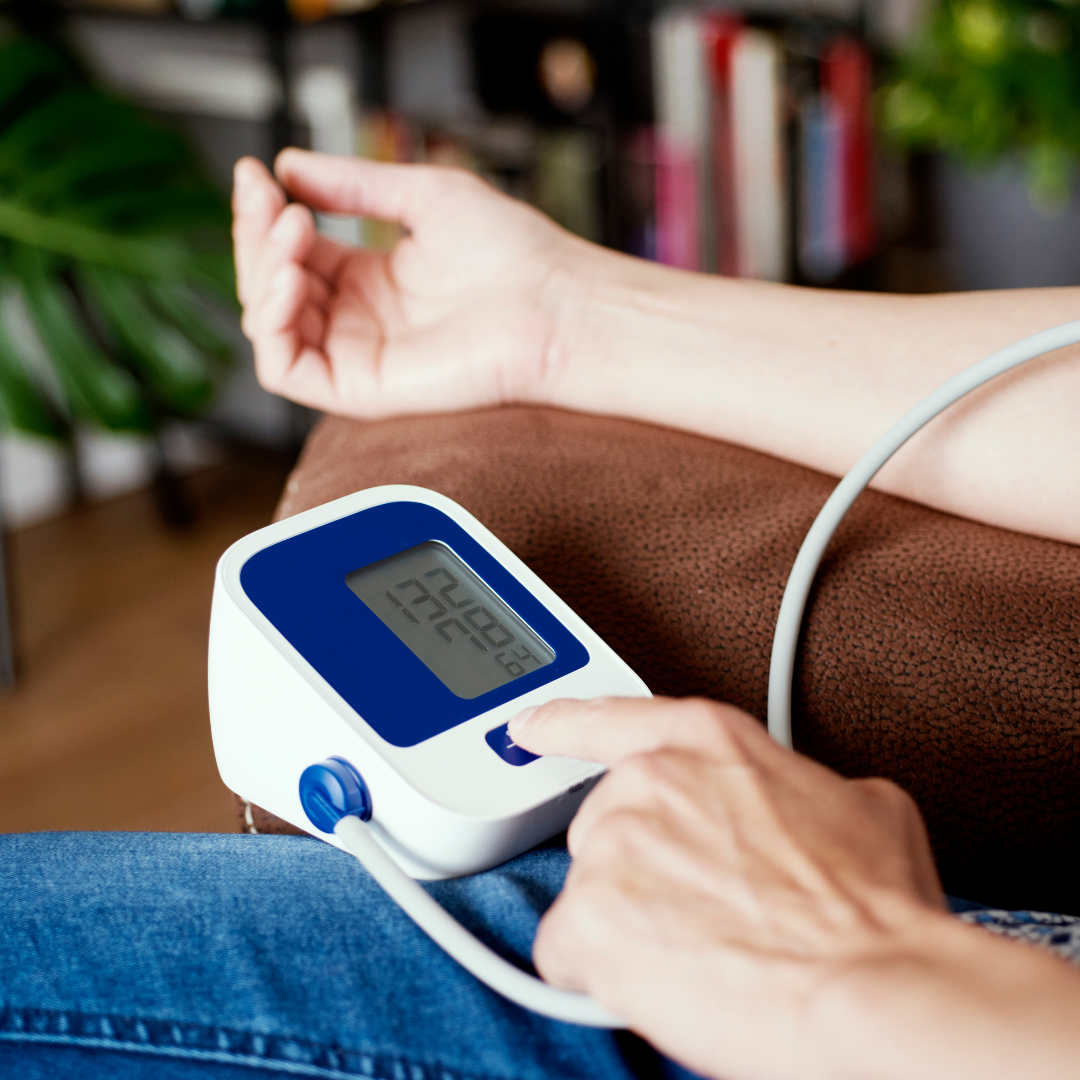
Cardiac & BP Medicines
Quality cardiac medication with brand alternatives and counselling.

Surgical & Dressing Supplies
Post-surgical dressings, sutures and consumables for home care.

Answers about Antibiotic Stewardship
Common questions about Antibiotic Stewardship — diagnosis, treatment and recovery at Sanjeevi Hospital, Sangareddy.