

Overview
Over-the-counter (OTC) medicines are those you can buy without a doctor’s prescription to treat minor health issues like body aches, the common cold, or acidity. In India, many people regularly use these medicines due to their easy availability and convenience. While they are very helpful for quick relief, using them incorrectly can lead to health risks like stomach irritation, liver strain, or hiding a more serious underlying illness. At Sanjeevi Hospital in Sangareddy, we provide professional guidance to help our community use these medicines responsibly. Whether you are dealing with seasonal allergies after the monsoon or a simple headache after a long day at work, understanding the right way to take OTC drugs is crucial. Our pharmacists help you choose the right product, understand the potential interactions with your current medications, and ensure you are not over-using products that could lead to long-term health complications. Proper guidance ensures your home first-aid kit remains a tool for healing rather than a risk.
Symptoms to watch for
- Mild to moderate headaches or migraines
- Seasonal runny nose, sneezing, or watery eyes
- Occasional indigestion, bloating, or heart burn
- Minor muscle pulls or joint pains after exercise
- Low-grade fever often associated with a common cold
- Itchy skin rashes or mild insect bites
- Dry or productive cough without difficulty breathing
- Sore throat and mild irritation in the chest
- Minor cuts and scrapes requiring antiseptic care
Causes & risk factors
- Lack of awareness regarding active ingredients in common medicines
- Self-medicating for long periods without seeking professional diagnosis
- Mixing herbal or Ayurvedic supplements with modern OTC drugs
- Using expired medications kept in home first-aid boxes
- Taking the wrong dosage due to misunderstanding the label
- Ignoring age-specific warnings, particularly for children and seniors
- Accidentally taking two medicines with the same active ingredient
- Assuming all non-prescription drugs are harmless for everyone
Diagnosis
- Reviewing the patient's current symptoms and their duration
- Assessing the patient's history of drug allergies or past reactions
- Checking existing prescriptions to prevent dangerous drug interactions
- Evaluating the patient's lifestyle, including diet and alcohol consumption
- A brief physical check-up if symptoms seem more than minor
- Screening for chronic conditions like high blood pressure or diabetes
- Reviewing the specific labels and ingredients of the intended OTC product
Treatment options
Personalized Pharmacist Consultation
Our expert pharmacy team at Sanjeevi Hospital reviews your symptoms and advises on the safest medicine choice for your specific needs.
Medicine Label Education
We teach you how to read 'Drug Facts' labels, focusing on active ingredients, warnings, and proper storage to maintain medicine efficacy.
Drug Interaction Screening
Our pharmacists check if your OTC choice will react poorly with your regular heart, diabetes, or blood pressure medications.
Age-Appropriate Dosing Guidance
We provide specific advice on child-safe formulations and geriatric precautions to ensure vulnerable family members are protected.
Topical and External Relief Advice
Guidance on using creams, ointments, and sprays correctly to treat localized pain or skin issues without affecting the whole body.
Symptom Tracking Recommendations
We help you set a timeframe for how long to use an OTC drug and when to stop if symptoms do not improve.
Safe Disposal Education
Information on how to safely discard expired or unused medications to prevent accidental ingestion or environmental harm.
Alternative Non-Drug Suggestions
Advice on lifestyle changes, such as steam inhalation for congestion or hydration for mild headaches, which may reduce the need for medicine.
When to see a doctor
While OTC medicines are great for minor issues, you should seek professional medical help if your symptoms persist for more than three days or if they get worse. Please visit Sanjeevi Hospital immediately if you experience high fever, severe abdominal pain, difficulty breathing, or frequent vomiting. If you notice any allergic reactions like swelling of the face or a sudden skin rash after taking a medicine, stop usage and contact our emergency department right away. Your safety is our priority.
Prevention & self-care
- Always read the full label before taking any new medicine
- Store all medications in a cool, dry place away from children's reach
- Never share your medicines with others, even if they have similar symptoms
- Keep an updated list of all medications you take to show your pharmacist
- Use standard measuring cups for liquids instead of household spoons
- Avoid drinking alcohol while taking pain relievers or cold medicines
- Check expiry dates every six months and discard old medicines
- Consult our pharmacy if you are pregnant or breastfeeding before using OTC drugs
Related conditions

Prescription Refill
On-site pharmacy for instant prescription dispensing after consultation.

Diabetic Care Supplies
Insulin, glucometers, strips and diabetic essentials in stock.
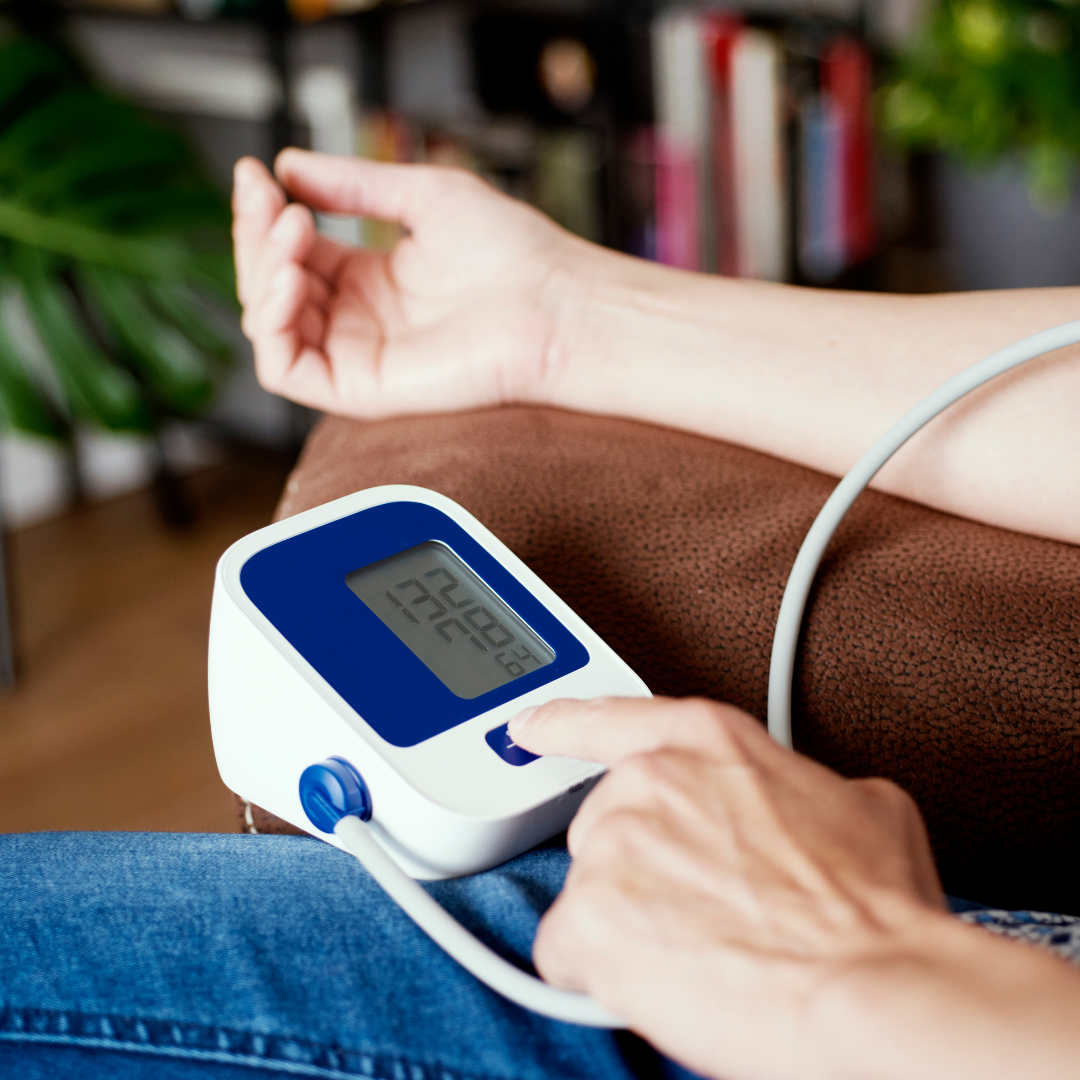
Cardiac & BP Medicines
Quality cardiac medication with brand alternatives and counselling.
Surgical & Dressing Supplies
Post-surgical dressings, sutures and consumables for home care.
Answers about OTC Medicine Guidance
Common questions about OTC Medicine Guidance — diagnosis, treatment and recovery at Sanjeevi Hospital, Sangareddy.