
Overview
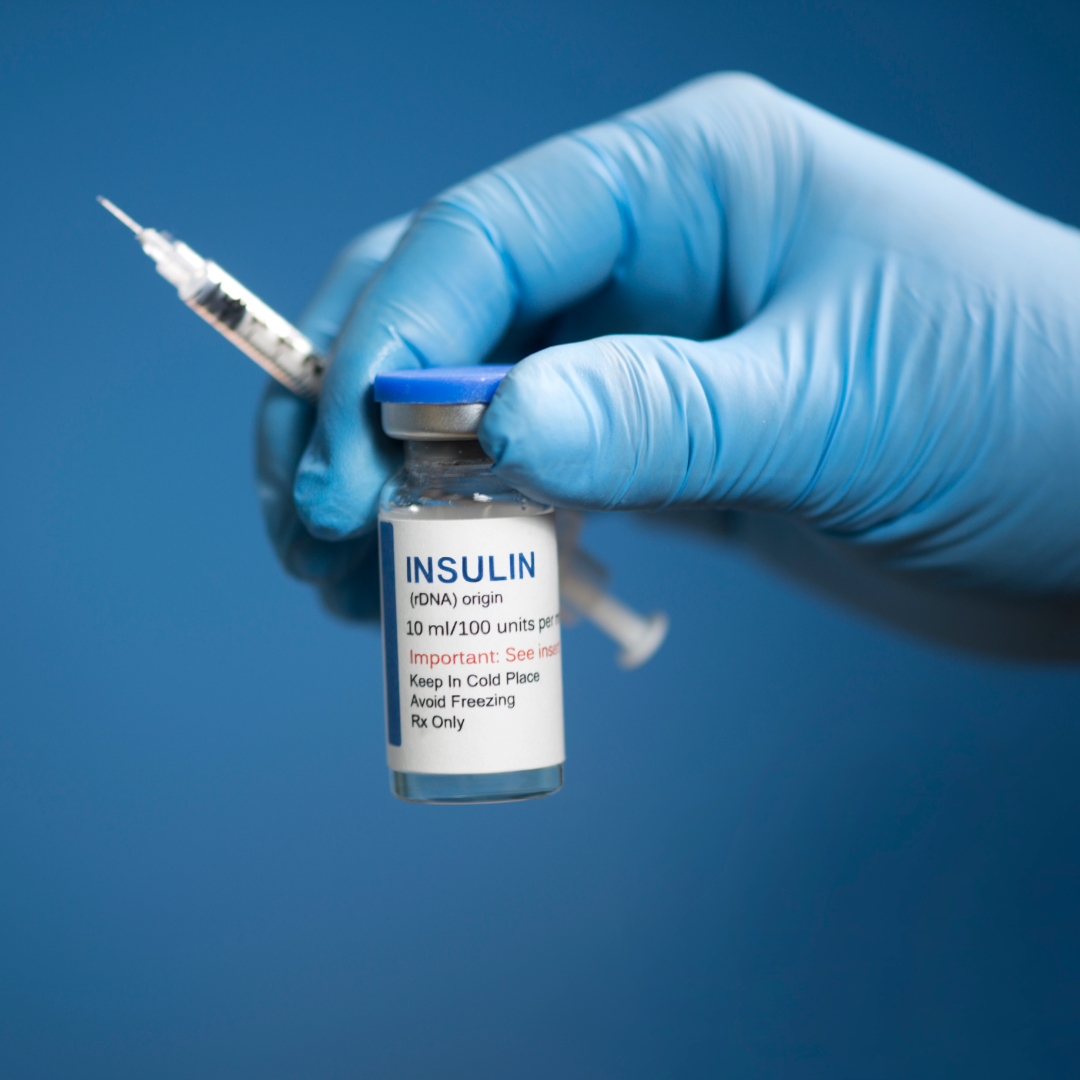
Managing diabetes in India often requires insulin, a life-saving hormone that helps regulate blood sugar. In our warm climate, particularly in regions like Sangareddy, understanding proper insulin storage is vital. Insulin is a delicate protein that can lose its effectiveness if exposed to extreme heat, sunlight, or freezing temperatures. When insulin 'spoils,' it may no longer lower your blood glucose levels properly, leading to unexpected high readings even when you follow your routine. Whether you are using vials, pens, or cartridges, maintaining the 'cold chain' from the pharmacy to your home is essential. At Sanjeevi Hospital, we prioritize patient education to ensure that every unit of insulin you purchase remains potent and safe. With millions of Indians now using insulin therapy, mastering these storage habits is a cornerstone of successful long-term diabetes management and preventing complications like nerve damage or kidney issues.
Symptoms to watch for
- Blood sugar levels remain high despite taking your usual insulin dose
- Visible clumps or white particles floating inside the insulin vial
- Insulin appears cloudy when it should normally be clear and transparent
- The liquid has changed color or looks brownish or yellowish
- Frost or ice crystals inside the vial after accidental freezing
- A strong, unusual chemical odor coming from the insulin bottle
- Skin irritation or stinging sensation at the injection site
- Sudden, unexplained episodes of hyperglycemia (high blood sugar)
Causes & risk factors
- Leaving insulin in a parked car under the hot Indian sun
- Storing insulin near the freezer compartment where it might freeze
- Direct exposure to bright sunlight on a windowsill or table
- Accidentally leaving the insulin pen out of the refrigerator during summer months
- Using insulin that has passed its 28-day room temperature limit
- Shaking the vial vigorously instead of gently rolling it
- Vibrations or extreme movement during long-distance travel
- Storing insulin in checked-in luggage during flights where temperatures drop
Diagnosis
- Visual inspection of the insulin for clarity and consistency
- Checking the expiry date printed on the manufacturer packaging
- Monitoring daily blood glucose patterns using a glucometer
- Reviewing storage history and temperature exposure during a pharmacy consultation
- Checking the 'Open Date' written on the insulin vial or pen
- Physical examination of injection sites for any unusual reactions
Treatment options
The Refrigerator Rule
Store unopened insulin bottles and pens in the main compartment of the refrigerator between 2 to 8 degrees Celsius; never store them in the freezer or the door where temperatures fluctuate.
Room Temperature Management
Once opened, an insulin vial or pen can usually be kept at room temperature (below 30 degrees Celsius) for up to 28 days to make injections more comfortable.
Cooling Pouches for Travel
Use specially designed evaporative cooling pouches or insulated gel bags to keep insulin cool while traveling through hot areas or using public transport.
Gentle Mixing Technique
For cloudy insulin types like NPH, gently roll the vial between your palms ten times rather than shaking it to ensure the protein molecules remain intact and effective.
Light Protection
Always keep your insulin vials in their original cardboard boxes and keep pens capped when not in use to shield the medication from damaging ultraviolet light.
Stock Rotation System
Practice the 'First-In, First-Out' method by using the oldest non-expired insulin first to ensure your supply remains fresh and potent.
The 28-Day Tracking
Mark the date clearly on the vial the moment you first puncture it with a needle, and discard any remaining liquid after 28 to 30 days regardless of how much is left.
When to see a doctor
It is important to consult your healthcare team or visit Sanjeevi Hospital immediately if you notice your blood sugar levels are consistently high despite increasing your insulin dose as per your plan. If you suspect your insulin has been frozen or overheated, do not use it; bring it to our pharmacy for a professional check. We are here to help you adjust your doses and ensure your medication is working perfectly for your body's needs.
Prevention & self-care
- Avoid storing insulin near kitchen appliances like stoves or microwave ovens
- Carry insulin in your hand luggage when traveling by bus, train, or airplane
- Keep a backup vial of insulin in the refrigerator in case of breakage
- Check the appearance of your insulin before every single injection
- Never use insulin that has reached its expiration date even if it looks fine
- Keep the refrigerator at a consistent setting and use a thermometer if possible
- Always have a cool bag ready during power outages or load shedding
- Consult the Sanjeevi Pharmacy team whenever you switch to a new brand of insulin
Related conditions

Prescription Refill
On-site pharmacy for instant prescription dispensing after consultation.

Diabetic Care Supplies
Insulin, glucometers, strips and diabetic essentials in stock.
Cardiac & BP Medicines
Quality cardiac medication with brand alternatives and counselling.

Surgical & Dressing Supplies
Post-surgical dressings, sutures and consumables for home care.

Answers about Insulin Storage Guidance
Common questions about Insulin Storage Guidance — diagnosis, treatment and recovery at Sanjeevi Hospital, Sangareddy.