
Cardiac & BP Medicines
Quality cardiac medication with brand alternatives and counselling.
Overview
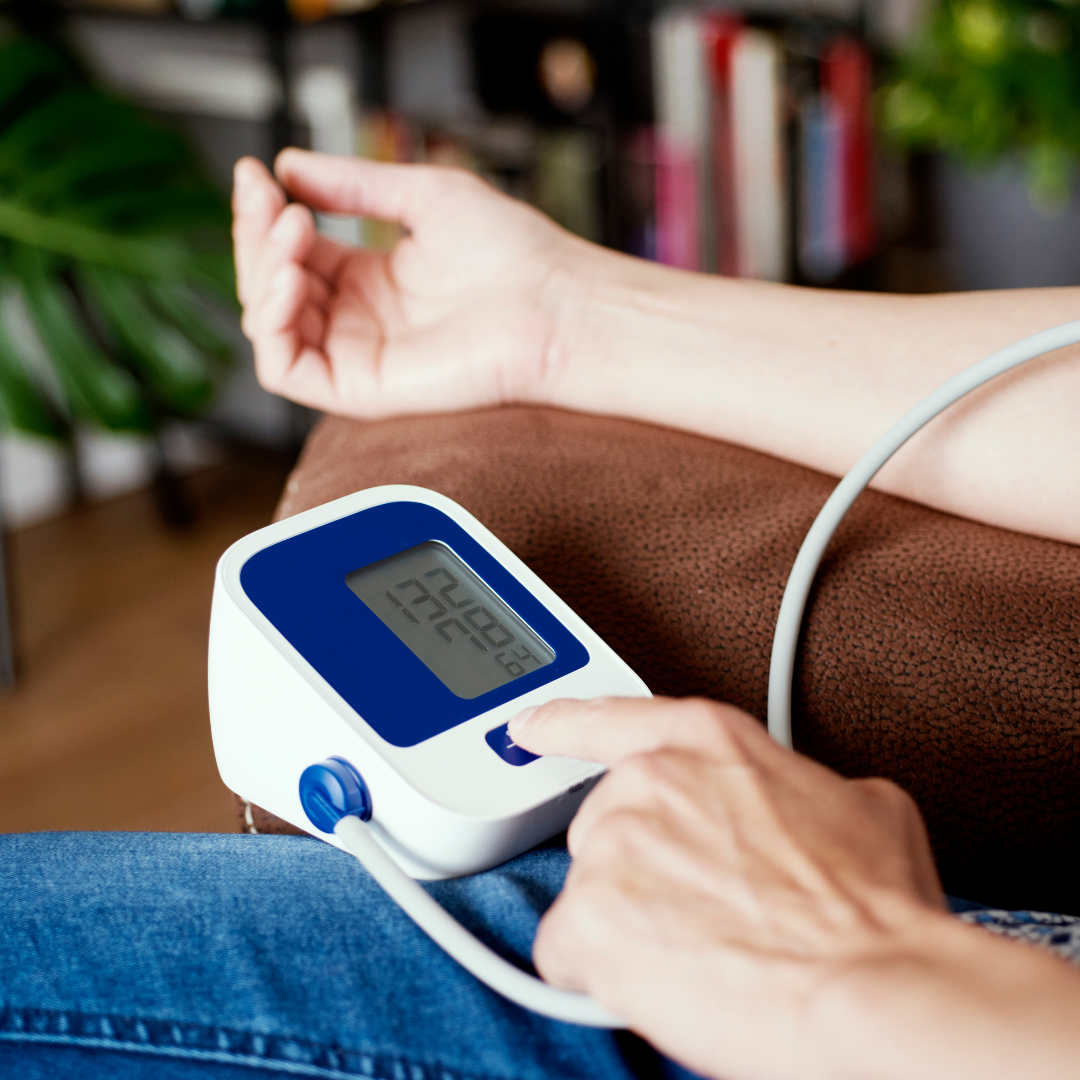
Heart disease and high blood pressure, commonly known in India as 'BP' or 'Hypertension,' have become significantly prevalent across our nation, affecting millions of people from urban cities to rural towns like Sangareddy. Lifestyle changes, high-salt Indian diets rich in pickles and papads, and increasing stress levels have led to a rise in cardiac issues even among younger adults. Managing your blood pressure is not just about popping a pill; it is about protecting your vital organs like the brain, kidneys, and heart from long-term damage. At Sanjeevi Hospital, we understand that heart medication can feel overwhelming. Whether you are dealing with chronic hypertension or recovering from a cardiac procedure, having access to authentic, high-quality medicines is the cornerstone of your recovery. Our pharmacy ensures that you receive the exact formulation prescribed by your cardiologist, along with clear guidance on how to take them safely to maintain a healthy, active life within our community.
Symptoms to watch for
- Persistent headaches, particularly in the back of the head or neck area.
- Occasional shortness of breath or feeling 'out of breath' while walking short distances.
- A noticeable fluttering sensation or 'thumping' in the chest called palpitations.
- Mild to moderate dizziness or a feeling of lightheadedness when standing up quickly.
- Blurred vision or seeing spots without an obvious cause.
- Nosebleeds that happen more frequently than usual without injury.
- Feeling unusually tired or fatigued even after a full night of sleep.
- Chest discomfort or a feeling of heaviness during physical activity.
- Swelling in the ankles or feet by the end of the day.
Causes & risk factors
- High daily intake of salt through traditional Indian foods like pickles and processed snacks.
- Lack of regular physical activity or leading a sedentary lifestyle.
- Being overweight or having a high Body Mass Index (BMI).
- Genetic factors or a strong family history of heart disease and high BP.
- High stress levels due to work or personal life pressures.
- Habitual tobacco use, including smoking and chewing gutkha.
- Excessive consumption of alcohol over a long period.
- Underlying health conditions such as diabetes or chronic kidney disease.
Diagnosis
- Regular Blood Pressure Monitoring using a calibrated digital or manual sphygmomanometer.
- Electrocardiogram (ECG) to check the electrical activity and rhythm of your heart.
- Echocardiogram, which is an ultrasound of the heart to check its pumping strength.
- Ambulatory BP Monitoring where you wear a device for 24 hours to track fluctuations.
- Blood tests to check cholesterol levels, blood sugar, and kidney function.
- Stress Test (TMT) to observe how your heart reacts to physical exertion.
- Chest X-ray to look at the size of the heart and the condition of the lungs.
Treatment options
Antihypertensive Medications
These are primary medications used to lower high blood pressure and reduce the workload on your heart and blood vessels.
Cholesterol-Lowering Therapy
Statins and other medicines help reduce the buildup of fatty plaques in your arteries, preventing heart attacks and strokes.
Antiplatelet and Anticoagulant Therapy
Often called 'blood thinners,' these medications prevent the formation of harmful blood clots in your arteries or heart.
Beta-Blockers
These help your heart beat more slowly and with less force, which effectively lowers blood pressure and manages heart rhythms.
Diuretics
Known as 'water pills,' these help your kidneys remove excess salt and water from your body, reducing the total fluid volume in your veins.
ACE Inhibitors and ARBs
These medicines relax your blood vessels by blocking certain natural chemicals that cause vessels to tighten and narrow.
Calcium Channel Blockers
These prevent calcium from entering the muscle cells of your heart and blood vessels, allowing the vessels to relax.
Emergency Cardiac Support
For acute situations, we provide immediate injectable medications and critical care monitoring to stabilize heart function.
When to see a doctor
Please seek medical attention immediately at Sanjeevi Hospital if you experience sudden, crushing chest pain that spreads to your arms or neck. Other red flags include severe difficulty breathing, sudden numbness in the face or limbs, or a fainting spell. If your home BP monitor consistently shows very high readings despite taking medicine, do not wait. Our compassionate team is here to listen to your concerns and adjust your care plan safely and effectively.
Prevention & self-care
- Reduce daily salt intake to less than one teaspoon per day across all meals.
- Engage in at least 30 minutes of brisk walking or light exercise five days a week.
- Include more fresh fruits, green leafy vegetables, and whole grains in your diet.
- Limit the intake of deep-fried snacks and sweets commonly found in Indian diets.
- Practice stress-relief techniques like Yoga or Pranayama for at least 15 minutes daily.
- Avoid all forms of tobacco products and limit alcohol consumption strictly.
- Monitor your weight regularly and aim for a healthy waist circumference.
- Keep regular follow-up appointments even if you feel completely fine.
Related conditions
Prescription Refill
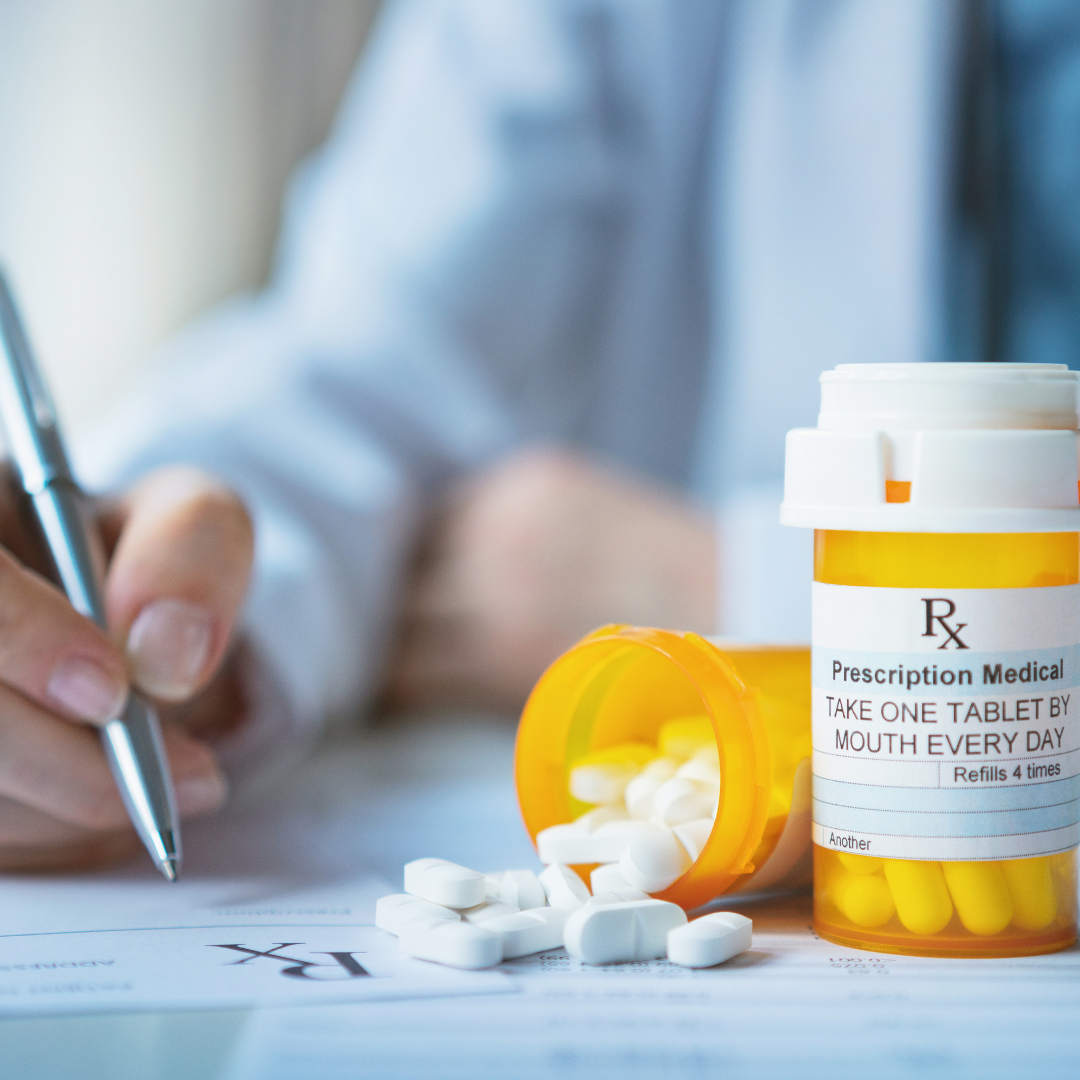
On-site pharmacy for instant prescription dispensing after consultation.

Diabetic Care Supplies
Insulin, glucometers, strips and diabetic essentials in stock.
Surgical & Dressing Supplies
Post-surgical dressings, sutures and consumables for home care.

Wellness Essentials
Vitamins, supplements and OTC products you can trust.
Answers about Cardiac & BP Medicines
Common questions about Cardiac & BP Medicines — diagnosis, treatment and recovery at Sanjeevi Hospital, Sangareddy.