
Allergy Panels
Identify food, dust and seasonal allergens with precision testing.
Overview
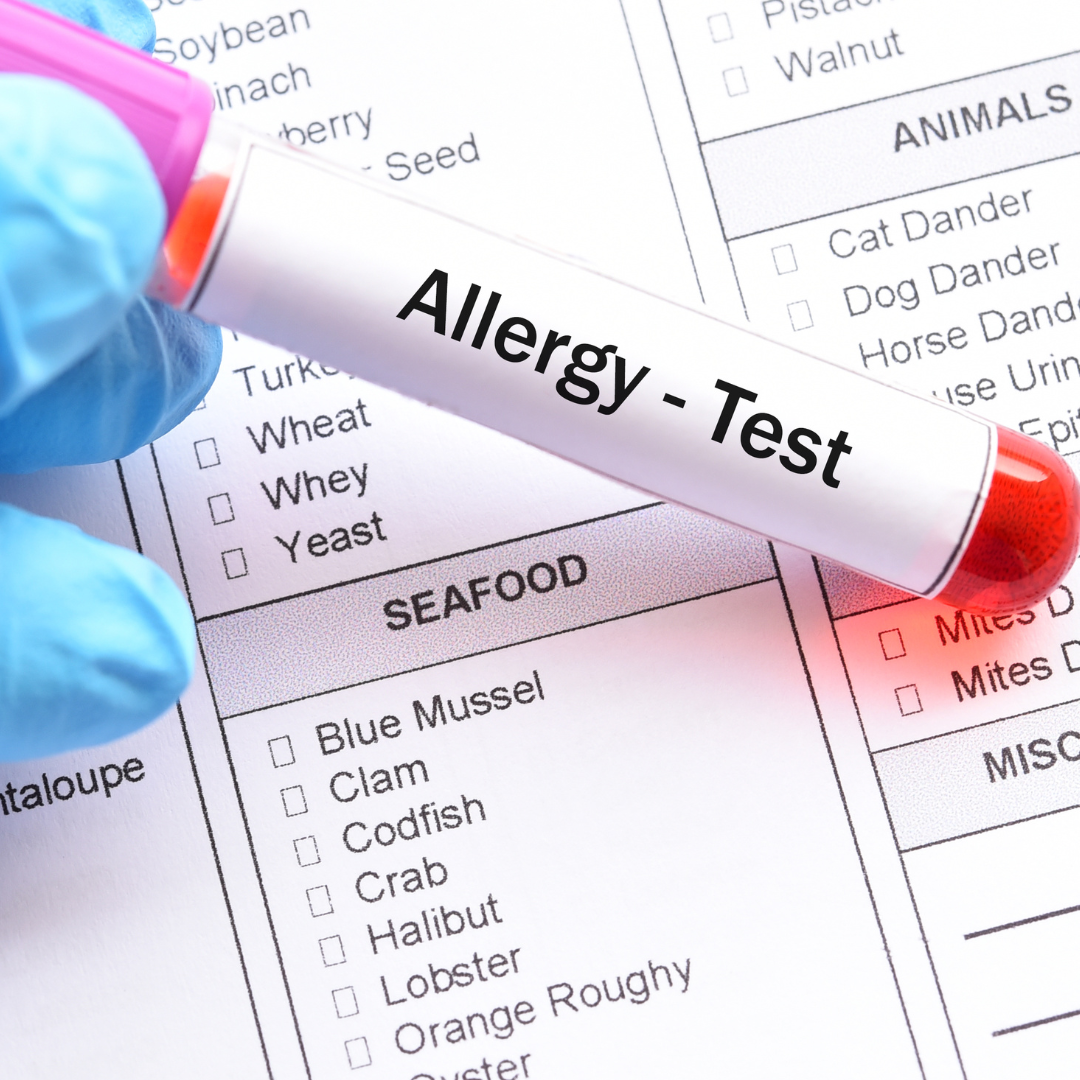
An allergy panel is a essential diagnostic tool used to pinpoint exactly what substances are causing your immune system to overreact. In India, allergies are incredibly common due to our diverse climate, seasonal pollens, and high levels of dust in urban and rural areas like Sangareddy. Many people suffer for years with unexplained sneezing, skin rashes, or digestive issues without realizing that a common environmental or food trigger is the culprit. At Sanjeevi Hospital, our comprehensive allergy panels test for a wide range of allergens, including various pollens, dust mites, molds, insects, and Indian food staples. Understanding your specific triggers is the first step toward effective management and long-term relief. Instead of guessing which soap or food is causing your discomfort, these scientific tests provide clarity, allowing our specialists to create a personalized care plan that improves your daily comfort and prevents life-threatening reactions like anaphylaxis.
Symptoms to watch for
- Frequent sneezing and a runny or stuffy nose without a fever.
- Red, itchy, or watery eyes that feel gritty or swollen.
- Persistent dry cough or a whistling sound (wheezing) while breathing.
- Itchy skin rashes, red bumps, or hives that appear suddenly.
- Swelling of the lips, tongue, face, or throat after eating.
- Stomach pain, bloating, or diarrhea shortly after meals.
- Dry, cracked, or inflamed patches of skin (eczema).
- Feeling unusually tired or having 'brain fog' during certain seasons.
- Shortness of breath or chest tightness after exposure to dust or pets.
Causes & risk factors
- Exposure to common indoor dust mites and household molds.
- Seasonal pollen from local grasses, weeds, and blooming trees.
- Proteins found in pet dander, saliva, or skin flakes.
- Specific food items like peanuts, milk, eggs, wheat, or soy.
- Environmental pollutants and smoke prevalent in industrial or high-traffic areas.
- Stings or bites from insects like bees, wasps, or ants.
- Chemicals found in detergents, perfumes, and cosmetic products.
- Genetic predisposition or a family history of asthma and allergies.
Diagnosis
- Skin Prick Test (SPT) where tiny amounts of allergens are applied to the forearm.
- Specific IgE Blood Test to measure the antibody levels for various allergens.
- Total IgE Test to assess the overall 'allergic status' of your immune system.
- Patch Testing to identify delayed allergic reactions on the skin.
- Detailed medical history review focusing on your diet and environment.
- Physical examination of the nasal passages, skin, and lungs.
- Elimination diets conducted under strict medical supervision for food allergies.
Treatment options
Allergen Avoidance Education
Our experts teach you practical ways to modify your home and diet to minimize contact with your specific triggers.
Antihistamine Therapy
Safe, non-drowsy medications that block the chemicals your body releases during an allergic reaction, reducing itching and sneezing.
Nasal Corticosteroids
Relatively gentle medicated sprays that reduce inflammation in the nasal passages for better breathing and reduced congestion.
Topical Emollients
Specialized creams and ointments provided by our pharmacy to soothe allergic skin conditions and restore the skin barrier.
Immunotherapy (Allergy Shots)
A long-term treatment that gradually desensitizes your immune system to specific allergens through controlled, increasing exposure.
Emergency Epinephrine Planning
For those with severe allergies, we provide training on how to use emergency injectors to stop life-threatening reactions immediately.
When to see a doctor
You should visit Sanjeevi Hospital if your symptoms interfere with your sleep, work, or daily activities. Please seek immediate emergency medical care if you experience a sudden drop in blood pressure, significant swelling of the throat that makes breathing difficult, a rapid pulse, or a feeling of faintness. These can be signs of a severe reaction. We are here to help you move from constant discomfort to a life of clarity and ease through professional diagnostic testing.
Prevention & self-care
- Keep windows closed during high pollen seasons and use air purifiers if possible.
- Wash bed linens weekly in hot water to eliminate dust mites.
- Avoid drying clothes outside when pollen counts are high in the air.
- Identify and remove indoor plants that may be harboring mold or releasing pollen.
- Check food labels carefully for hidden ingredients that might trigger your allergies.
- Keep bathrooms and kitchens dry and well-ventilated to prevent mold growth.
- Shower and change clothes after spending significant time outdoors.
- Maintain a diary of foods and symptoms to help your doctor identify patterns.
Related conditions

Blood Tests
Routine and specialised pathology with quick turnaround.
Ultrasound Scanning
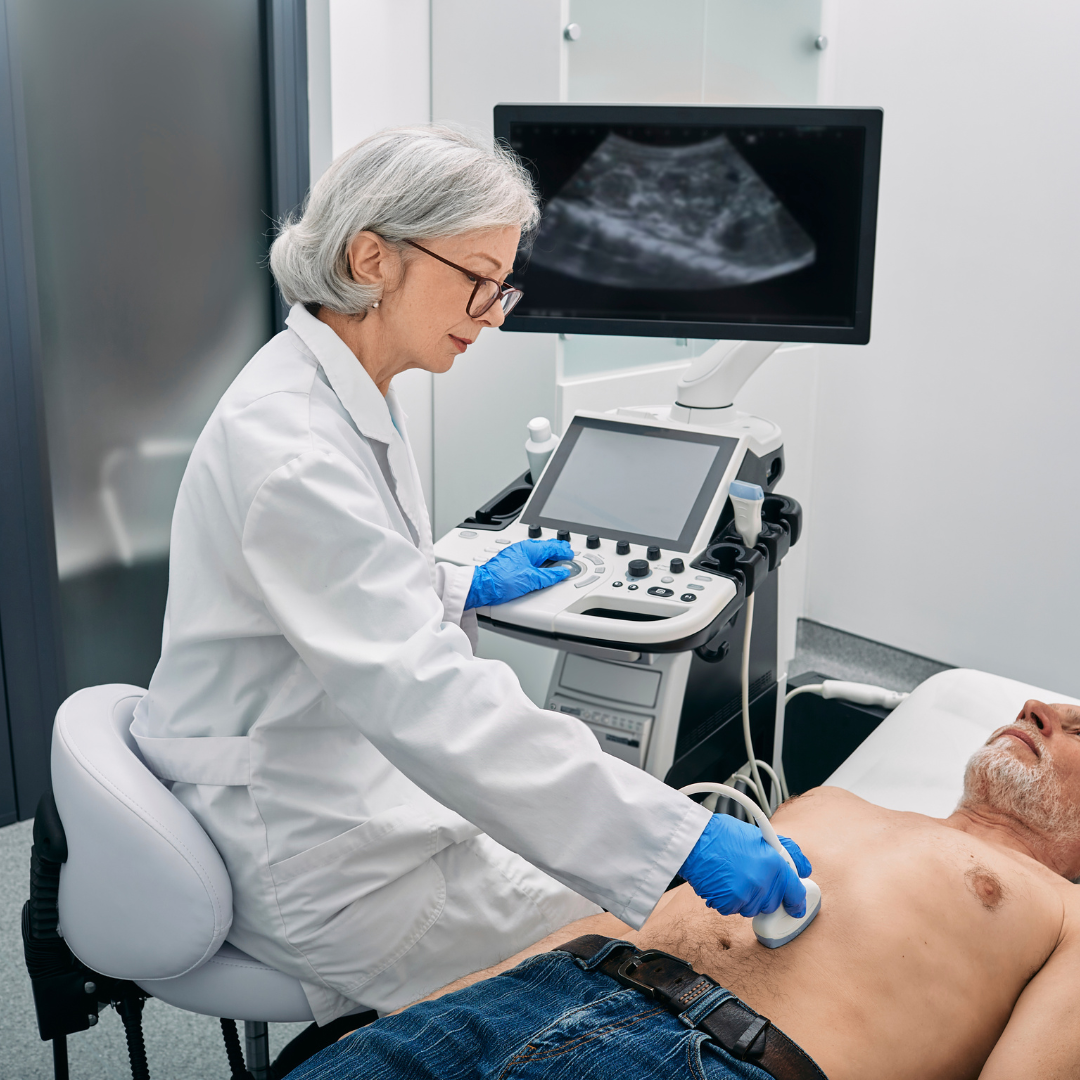
Abdominal, pelvic, obstetric and small-parts ultrasound.
ECG (Electrocardiogram)
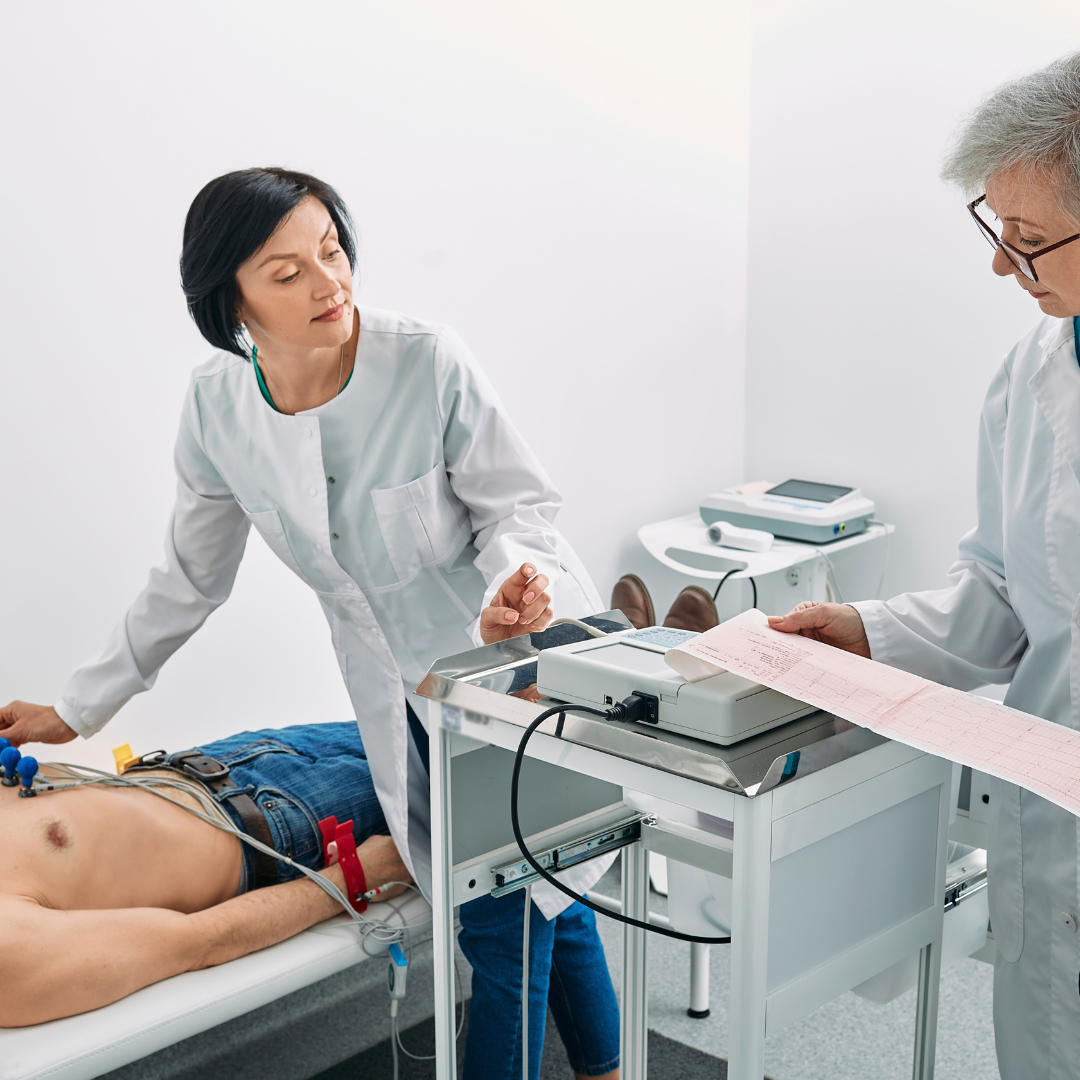
Quick heart screening and pre-operative cardiac evaluation.

Preventive Health Check Packages
Curated check-up packages for men, women and seniors.
Answers about Allergy Panels
Common questions about Allergy Panels — diagnosis, treatment and recovery at Sanjeevi Hospital, Sangareddy.