
Dementia & Memory Loss
Memory and cognition changes — evaluation and supportive care.
Overview
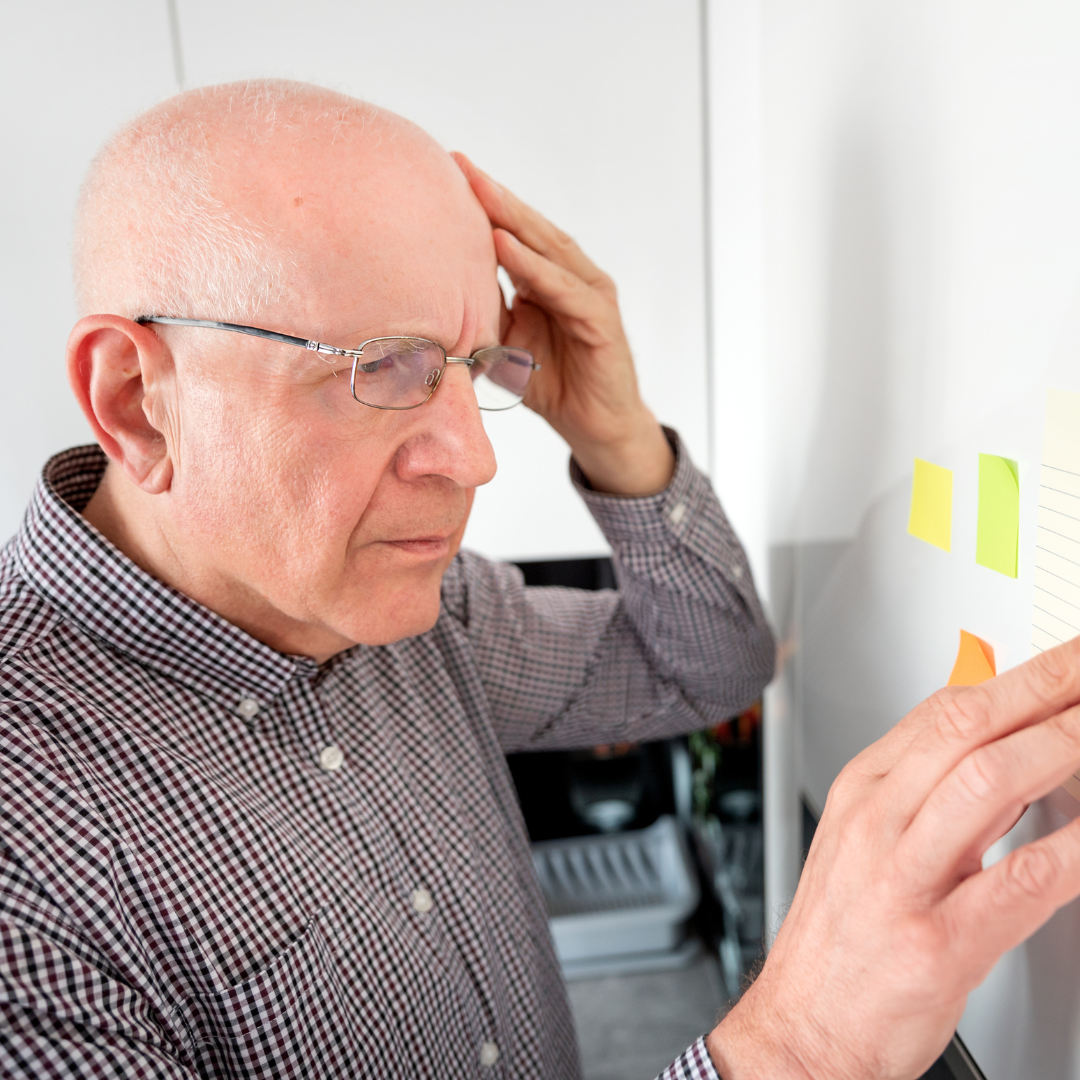
Dementia is not a single disease but an umbrella term for a range of medical conditions that cause a decline in memory, thinking, and social abilities severe enough to interfere with daily life. In India, with an aging population, millions of families are navigating the challenges of progressive memory loss. While it is commonly associated with Alzheimer’s disease, several other factors like vascular issues or nutritional deficiencies can also contribute. At Sanjeevi Hospital in Sangareddy, we understand that forgetfulness can be frightening. It matters because early intervention can significantly improve the quality of life for the patient and reduce the burden on caregivers. Many Indians mistakenly dismiss these signs as 'normal aging,' but medical evaluation is essential to identify treatable causes and manage symptoms effectively. Our neurology team focuses on providing a compassionate environment where patients feel respected and families receive the guidance they need to navigate this journey with dignity and hope.
Symptoms to watch for
- Increasingly forgetting recent conversations, events, or names of family members.
- Getting lost while walking or driving in familiar neighborhoods in Sangareddy.
- Difficulty finding the right words during a conversation or repeating the same questions.
- Struggling with complex daily tasks like managing household accounts or paying utility bills.
- Confusion regarding the time of day, current month, or the year.
- Misplacing everyday items like keys or spectacles in strange places.
- Noticeable changes in personality, such as becoming unusually suspicious, anxious, or depressed.
- Difficulty planning and organizing simple tasks like preparing a meal.
- Withdrawal from social activities, hobbies, or community gatherings.
Causes & risk factors
- Alzheimer’s disease, which involves the buildup of specific proteins in the brain.
- Vascular dementia caused by reduced blood flow to the brain, often following a stroke.
- Chronic conditions like uncontrolled high blood pressure and diabetes common in the Indian population.
- Vitamin deficiencies, particularly Vitamin B12, which is prevalent in many local diets.
- Thyroid imbalances that can mimic symptoms of cognitive decline.
- Parkinson's disease and other nerve-related disorders.
- History of head injuries or repeated trauma to the brain.
- Long-term excessive alcohol consumption or exposure to environmental toxins.
Diagnosis
- Detailed clinical history focusing on when forgotten events or behavioral changes started.
- Cognitive and neuropsychological tests to evaluate memory, orientation, and problem-solving skills.
- Blood tests to check for Vitamin B12 levels, thyroid function, and metabolic markers.
- Brain imaging such as MRI or CT scans to look for structural changes or signs of stroke.
- Neurological exams to check reflexes, muscle tone, senses, and walking patterns.
- Review of current medications to identify if any side effects are causing confusion.
- Mental health screenings to rule out depression as a cause of 'pseudo-dementia'.
Treatment options
Cognitive Enhancers
These are specialized medications that help manage chemical messengers in the brain to improve memory and alertness for a period.
Management of Underlying Conditions
Treating diabetes, hypertension, and high cholesterol can prevent further damage to brain blood vessels and slow the progression of memory loss.
Physical and Occupational Therapy
Guided exercises and home modifications help patients maintain their independence and physical strength while ensuring a safe living environment.
Nutritional Therapy
Addressing specific deficiencies like Vitamin B12 through diet or supplements can sometimes reverse or significantly improve cognitive symptoms.
Behavioral Interventions
Techniques to manage agitation, sleep disturbances, and anxiety without the use of heavy sedation whenever possible.
Caregiver Support and Counseling
Providing education and emotional support to family members to help them cope with the challenges of caring for a loved one with dementia.
When to see a doctor
It is time to seek professional help if memory lapses start affecting safety—such as forgetting to turn off the gas stove or wandering away from home. If you notice a sudden change in a loved one's ability to think, or if they seem increasingly confused about their surroundings, please reach out. We encourage early consultation even for mild symptoms, as early diagnosis allows for better planning and more effective management. Our doctors at Sanjeevi Hospital are here to listen with empathy and provide a clear path forward.
Prevention & self-care
- Stay physically active with daily walks in the morning or evening.
- Keep your brain engaged by reading, solving puzzles, or learning a new skill.
- Maintain a heart-healthy diet rich in green leafy vegetables, fruits, and omega-3 fatty acids.
- Manage chronic health conditions like blood pressure and blood sugar strictly with your doctor's help.
- Avoid smoking and limit alcohol consumption to protect brain cells from damage.
- Ensure adequate sleep every night to allow the brain to clear out toxins.
- Maintain a vibrant social life by regularly meeting friends and participating in community events.
- Regular health check-ups at Sanjeevi Hospital to catch and treat minor health issues early.
Related conditions

Migraine & Headache
Throbbing headaches, aura and triggers — preventive and acute treatment.
Stroke
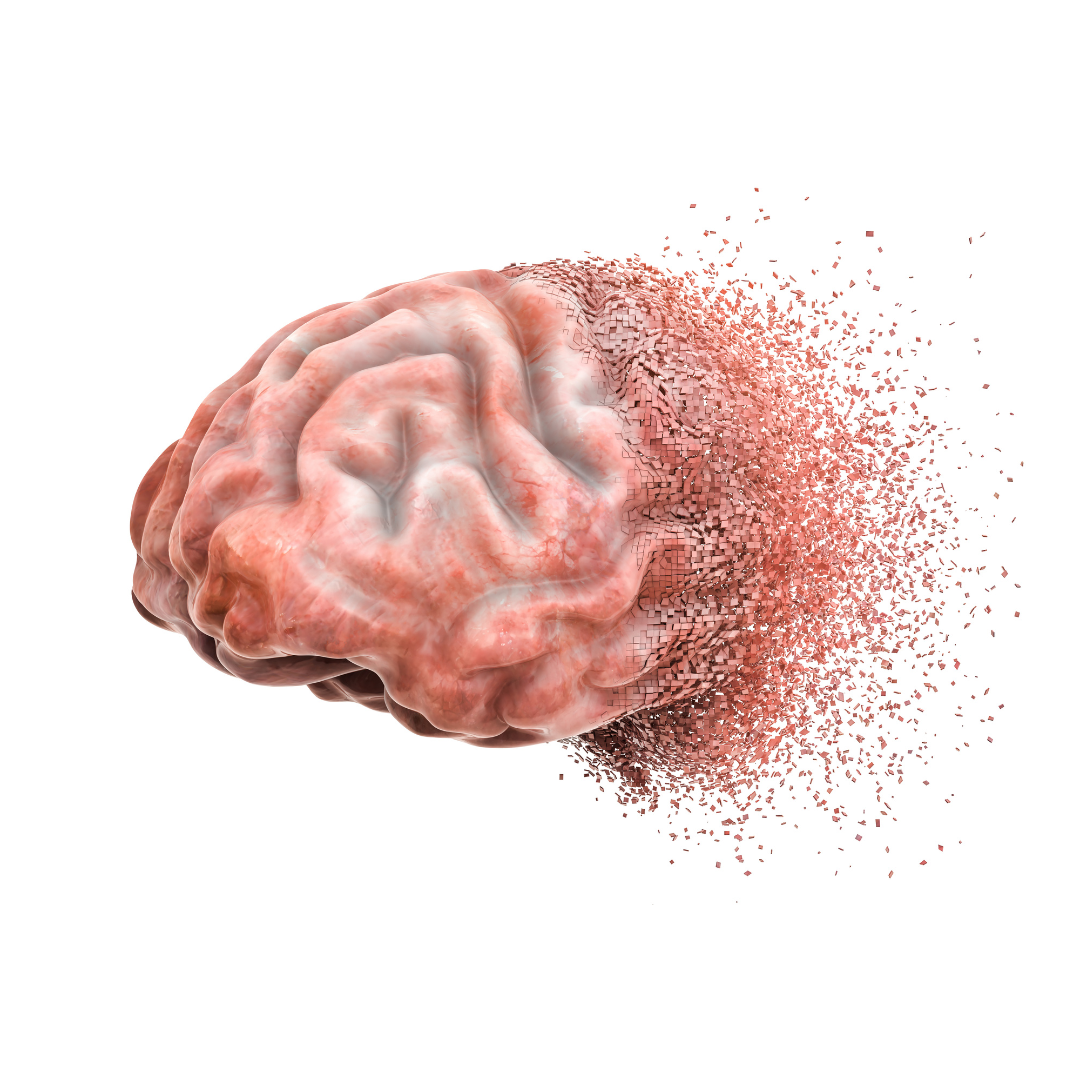
Sudden weakness or speech loss — recognise FAST symptoms and act fast.
Epilepsy & Seizures
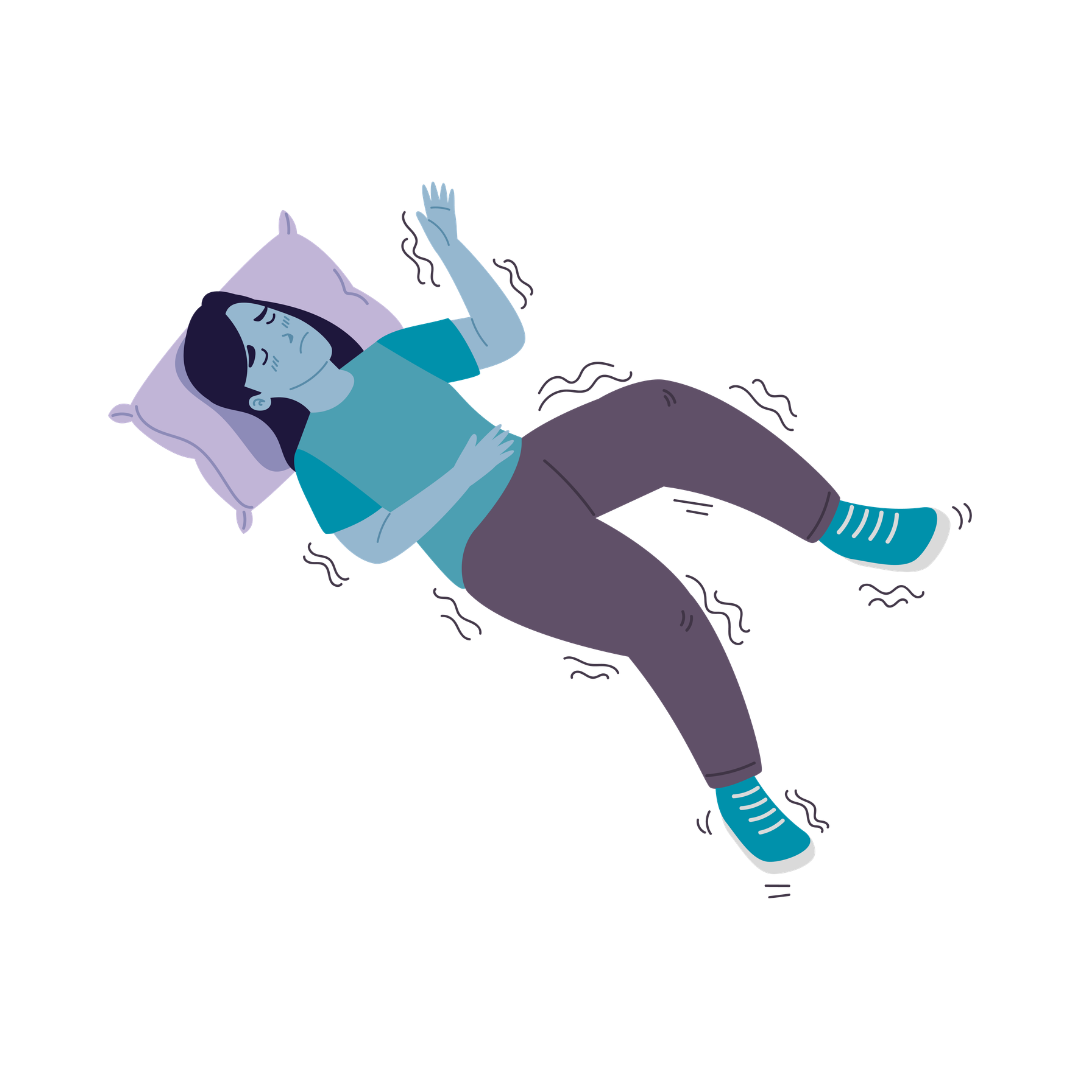
Long-term seizure control with the right anti-epileptic medication.

Vertigo (BPPV)
Brief spinning episodes triggered by head movement — Epley manoeuvre treatment.
Answers about Dementia & Memory Loss
Common questions about Dementia & Memory Loss — diagnosis, treatment and recovery at Sanjeevi Hospital, Sangareddy.