
Migraine & Headache
Throbbing headaches, aura and triggers — preventive and acute treatment.
Overview
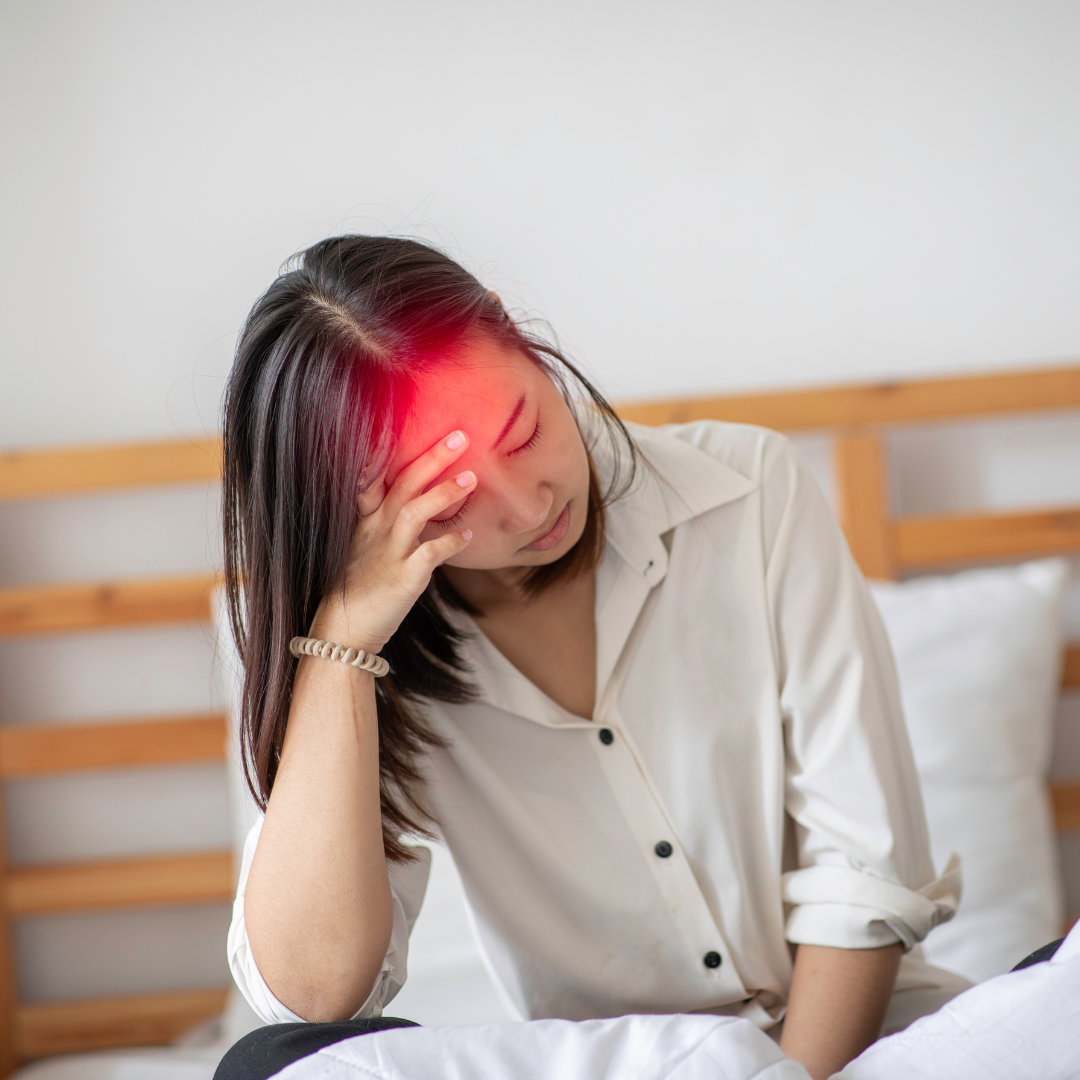
A migraine is much more than just a typical headache; it is a complex neurological condition that affects millions of people across India. In fact, studies suggest that nearly 1 in 7 Indians suffer from migraines, with women being three times more likely to experience them due to hormonal changes. The pain is often described as a throbbing or pulsating sensation, usually on one side of the head, and can last for several hours or even days. Beyond the intense physical pain, migraine attacks can be accompanied by extreme sensitivity to light, sound, and smells, as well as nausea and vomiting. Managing this condition is vital because chronic headaches can significantly interfere with your work, education, and family life. At Sanjeevi Hospital in Sangareddy, we understand how debilitating these episodes can be. Our approach focuses on identifying your specific triggers and creating a personalized management plan to help you regain control over your daily routine and well-being.
Symptoms to watch for
- Severe throbbing or pulsating pain usually restricted to one side of the head.
- Increased sensitivity to bright lights, loud noises, or strong smells.
- Feeling nauseous or experiencing actual vomiting during an attack.
- Seeing flashes of light, blind spots, or zigzag lines (known as an aura).
- Feeling dizzy, lightheaded, or having difficulty focusing your vision.
- A sensation of tingling or numbness in the arms, legs, or face.
- Pain that gets significantly worse with physical activity or moving around.
- Feeling irritable, fatigued, or having food cravings before the headache starts.
- A 'migraine hangover' feeling of being drained or confused after the pain subsides.
Causes & risk factors
- Genetic factors where migraines run in the family history.
- Hormonal fluctuations in women, often linked to menstrual cycles.
- High levels of emotional stress or sudden relaxation after a stressful period.
- Irregular sleep patterns, including lack of sleep or oversleeping.
- Specific food triggers like aged cheese, chocolate, or processed foods containing MSG.
- Environmental changes such as extreme heat, humidity, or sharp weather shifts in Telangana.
- Dehydration or skipping regular meals throughout a busy day.
- Overuse of certain over-the-counter pain medications leading to rebound headaches.
Diagnosis
- Detailed clinical history focusing on the frequency and nature of your headaches.
- Physical and neurological examination to check reflexes and coordination.
- Keeping a headache diary to track triggers, symptoms, and duration over time.
- MRI scans to rule out other structural issues or underlying brain conditions.
- CT scans in emergency cases to check for any immediate neurological risks.
- Blood tests to check for infections or inflammatory conditions.
- Vision tests to ensure the symptoms are not related to eye strain or pressure.
Treatment options
Acute Pain Management
Specific medications taken at the very first sign of a migraine attack to stop the pain and relieve nausea quickly.
Preventive Therapy
Daily medications prescribed to reduce the frequency and severity of attacks for patients who suffer from four or more migraine days a month.
Botox for Chronic Migraine
FDA-approved injections administered by our neurologists every few months to help prevent headaches before they even start in chronic sufferers.
Nerve Blocks
Injections of local anesthetic around specific nerves in the head and neck to provide immediate, temporary relief from intense headache clusters.
Lifestyle and Nutritional Counseling
Working with our experts to identify dietary triggers and establish a routine that stabilizes the nervous system naturally.
Stress Management and Biofeedback
Techniques and therapies designed to help you control physical responses to stress that often act as a primary trigger for head pain.
When to see a doctor
It is important to seek medical advice if your headaches are becoming more frequent, lasting longer, or if over-the-counter medicines no longer provide relief. Please visit Sanjeevi Hospital immediately if you experience a 'thunderclap' headache—a sudden, excruciating pain like you have never felt before. Other red flags include a headache accompanied by fever, a stiff neck, confusion, seizures, double vision, or weakness in any part of your body. We are here to listen and help you find a safe path to recovery.
Prevention & self-care
- Maintain a consistent sleep schedule by going to bed and waking up at the same time daily.
- Stay well-hydrated by drinking at least 2-3 liters of water throughout the day.
- Practice relaxation techniques such as Pranayama or meditation to manage daily stress.
- Avoid skipping meals; try to eat small, nutritious portions at regular intervals.
- Limit the consumption of caffeine and avoid highly processed 'junk' foods.
- Maintain a headache diary to identify and avoid your personal environmental triggers.
- Exercise regularly with low-impact activities like walking or swimming.
- Ensure your workspace is ergonomically sound to prevent neck strain and tension.
Related conditions
Stroke
Sudden weakness or speech loss — recognise FAST symptoms and act fast.
Epilepsy & Seizures
Long-term seizure control with the right anti-epileptic medication.
Vertigo (BPPV)
Brief spinning episodes triggered by head movement — Epley manoeuvre treatment.
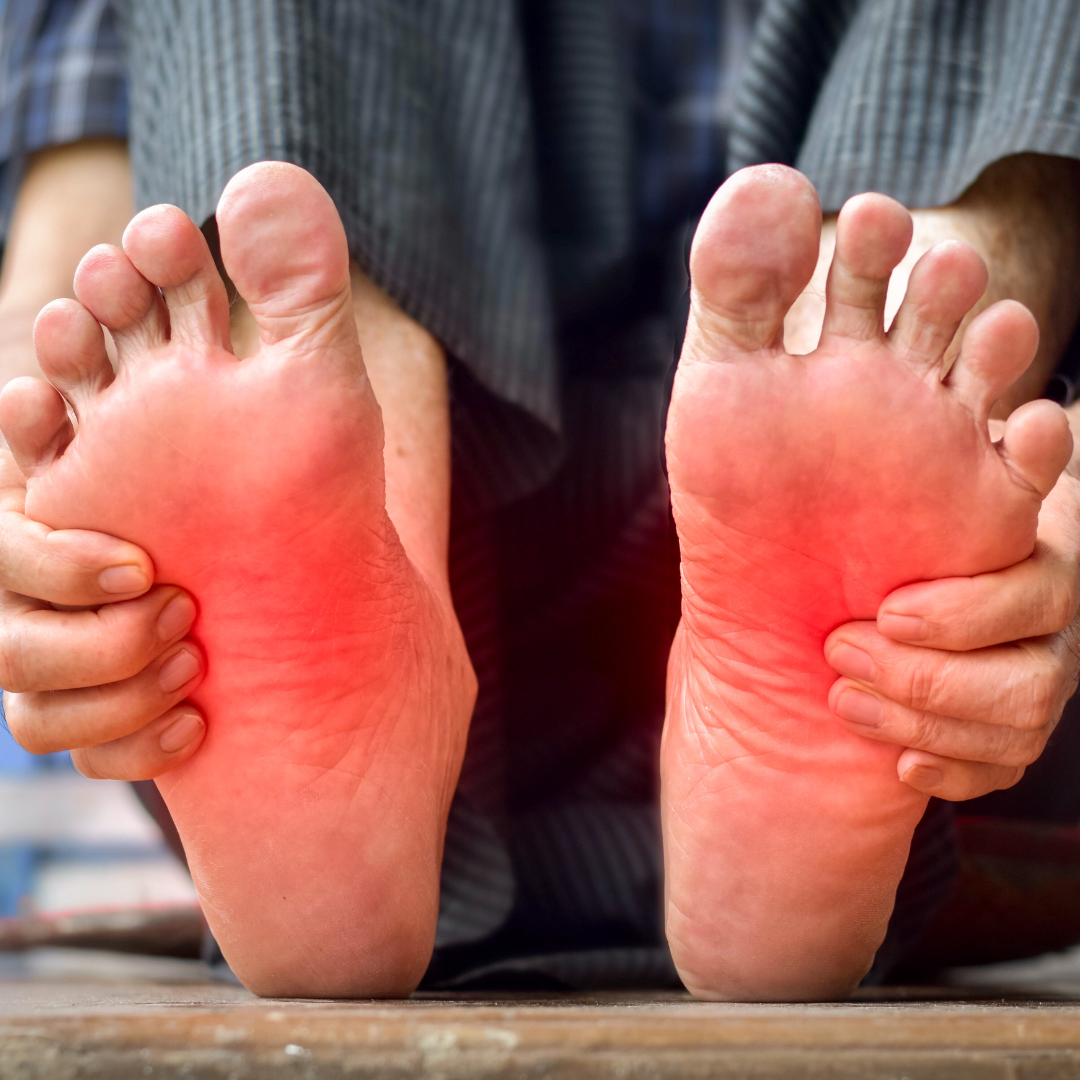
Peripheral Neuropathy
Numbness and tingling in feet — diabetic and other causes.
Answers about Migraine & Headache
Common questions about Migraine & Headache — diagnosis, treatment and recovery at Sanjeevi Hospital, Sangareddy.