
Peripheral Neuropathy
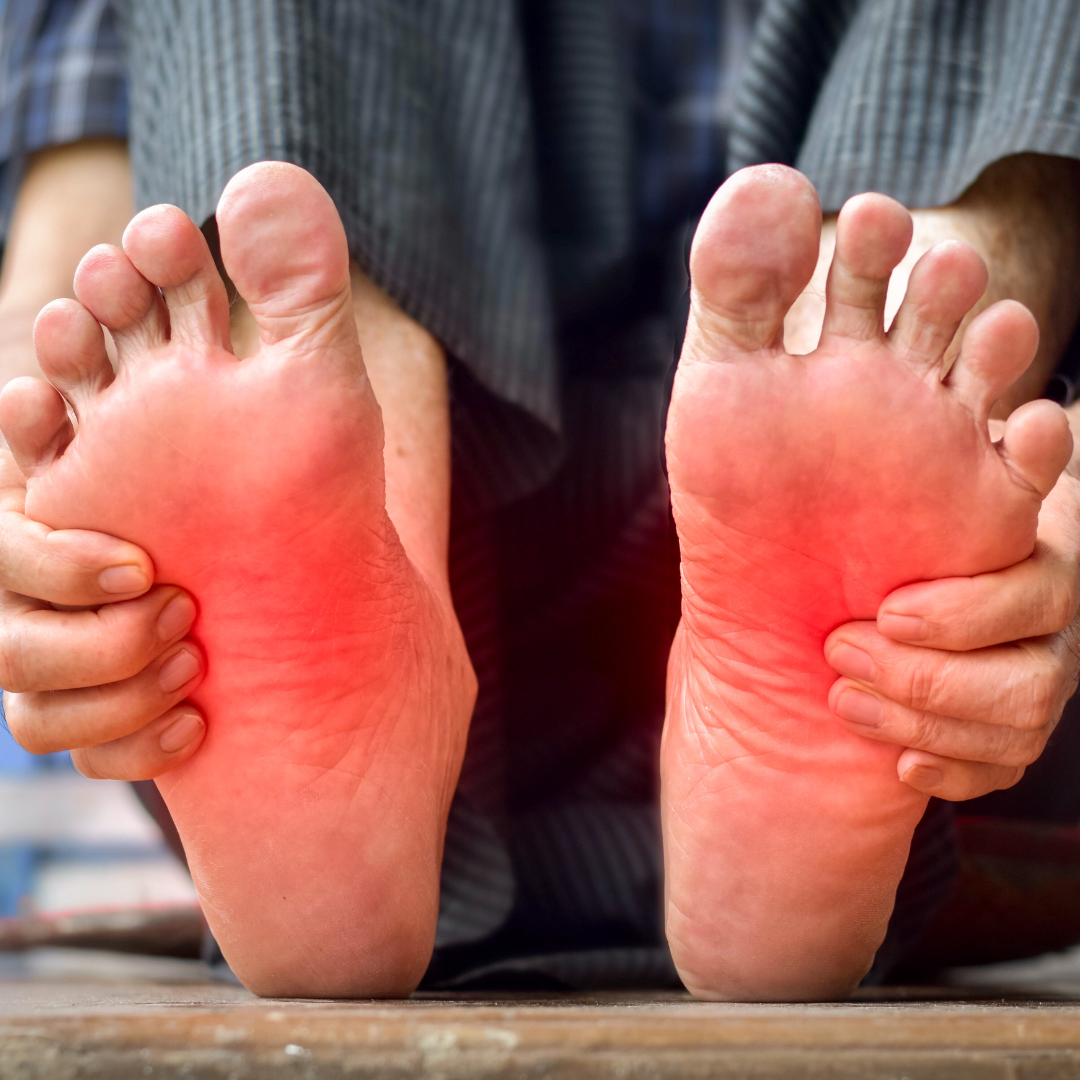
Numbness and tingling in feet — diabetic and other causes.
Overview
Peripheral Neuropathy is a condition where the nerves that carry messages to and from the brain and spinal cord to the rest of the body become damaged or diseased. In India, this is incredibly common, particularly due to the high prevalence of diabetes, affects nearly one in four people with chronic high blood sugar. Imagine your body's electrical wiring getting frayed; when these wires (nerves) are damaged, they may send 'static' in the form of pain or stop sending signals entirely, leading to numbness. This condition matters because healthy nerves are essential for balance, walking, and protecting your limbs from injury. At Sanjeevi Hospital in Sangareddy, we understand that persistent 'pins and needles' or burning sensations can significantly disrupt your sleep and quality of life. Left untreated, it can lead to foot ulcers or loss of mobility, but with early intervention and proper management, most patients can lead active, pain-free lives.
Symptoms to watch for
- Gradual onset of numbness or prickling sensations in your feet or hands.
- Sharp, jabbing, throbbing, or burning pain that may feel like an electric shock.
- Extreme sensitivity to touch, where even the weight of a bedsheet feels painful.
- Pain during activities that shouldn't cause pain, such as standing on your feet.
- Lack of coordination and frequent falling due to loss of sensation.
- Muscle weakness or feeling like your legs are heavy and tired.
- A sensation as if you are wearing invisible socks or gloves.
- Changes in sweating patterns or feeling unusually hot or cold in the limbs.
- Slow-healing sores or ulcers on the feet that you might not feel.
Causes & risk factors
- Diabetes mellitus is the most frequent cause in India, leading to high blood sugar damaging nerve fibers.
- Vitamin deficiencies, particularly B12, B1, and B6, which are common in various Indian dietary patterns.
- Physical trauma or pressure on the nerve from accidents, falls, or repetitive stress.
- Chronic alcohol consumption which can lead to nerve toxicity and nutritional gaps.
- Autoimmune diseases where the body's immune system mistakenly attacks its own nerve tissue.
- Infections such as shingles, Vitamin B12 deficiency, or certain viral conditions common in the community.
- Exposure to heavy metals or certain industrial chemicals in specific work environments.
- Kidney or liver disorders that lead to an imbalance of chemicals in the bloodstream.
Diagnosis
- A detailed neurological exam checking your reflexes, muscle strength, and ability to feel vibrations.
- Blood tests to check for vitamin levels, sugar control (HbA1c), and kidney or liver function.
- Nerve Conduction Study (NCS) to measure how quickly electrical signals move through your nerves.
- Electromyography (EMG) to record the electrical activity in your muscles and detect nerve damage.
- Skin or nerve biopsy in complex cases to look for abnormalities in small nerve endings.
- Imaging tests like MRI or CT scans to check if a disc or tumor is pressing on a nerve.
- Autonomic reflex testing to see how your nerves are controlling your blood pressure and sweating.
Treatment options
Blood Sugar Management
The foundation of treatment for diabetic neuropathy is keeping blood glucose within the target range to prevent further nerve damage and allow nerves to heal.
Pain Relief Medications
Our specialists prescribe specific medications that calm overactive nerves, reducing the burning and tingling sensations without relying on heavy sedatives.
Physical Therapy
Specialized exercises help improve muscle strength, balance, and coordination, reducing the risk of falls and improving daily mobility for patients.
Transcutaneous Electrical Nerve Stimulation (TENS)
A gentle therapy where tiny electrical impulses are sent through electrodes placed on the skin to block pain signals from reaching the brain.
Nutritional Supplementation
Correcting deficiencies through targeted Vitamin B12 and folic acid therapy, which are crucial for the regeneration and maintenance of healthy nerve sheaths.
Topical Treatments
The use of specialized creams or patches applied directly to the painful area to provide localized relief from burning sensations.
Lifestyle Counseling
Guidance on smoking cessation and foot care routines to improve blood circulation and prevent the complications associated with nerve damage.
When to see a doctor
Please do not ignore early signs like mild tingling or a 'fuzzy' feeling in your toes. It is important to visit Sanjeevi Hospital if you notice a cut or sore on your foot that isn't healing, as you may not feel the pain of an infection. If the numbness is spreading up your legs or making it hard to walk, seek medical attention immediately. We are here to help you catch these issues early when they are most treatable.
Prevention & self-care
- Monitor your blood sugar levels regularly if you are diabetic or pre-diabetic.
- Eat a balanced Indian diet rich in B-vitamins, including pulses, leafy greens, and fortified cereals.
- Inspect your feet every night for small cuts, blisters, or redness that you might not feel.
- Wear comfortable, well-fitting shoes and avoid walking barefoot, even inside the house.
- Limit alcohol consumption to protect your nervous system from toxins.
- Engage in regular low-impact exercise like walking or swimming to boost circulation.
- Quit smoking, as it narrows blood vessels and reduces oxygen delivery to the nerves.
- Manage chronic conditions like kidney disease or thyroid issues with regular check-ups.
Related conditions

Migraine & Headache
Throbbing headaches, aura and triggers — preventive and acute treatment.
Stroke
Sudden weakness or speech loss — recognise FAST symptoms and act fast.
Epilepsy & Seizures
Long-term seizure control with the right anti-epileptic medication.

Vertigo (BPPV)
Brief spinning episodes triggered by head movement — Epley manoeuvre treatment.

Answers about Peripheral Neuropathy
Common questions about Peripheral Neuropathy — diagnosis, treatment and recovery at Sanjeevi Hospital, Sangareddy.