
Facial Palsy (Bell's Palsy)
Sudden one-sided face weakness — early treatment for best recovery.
Overview
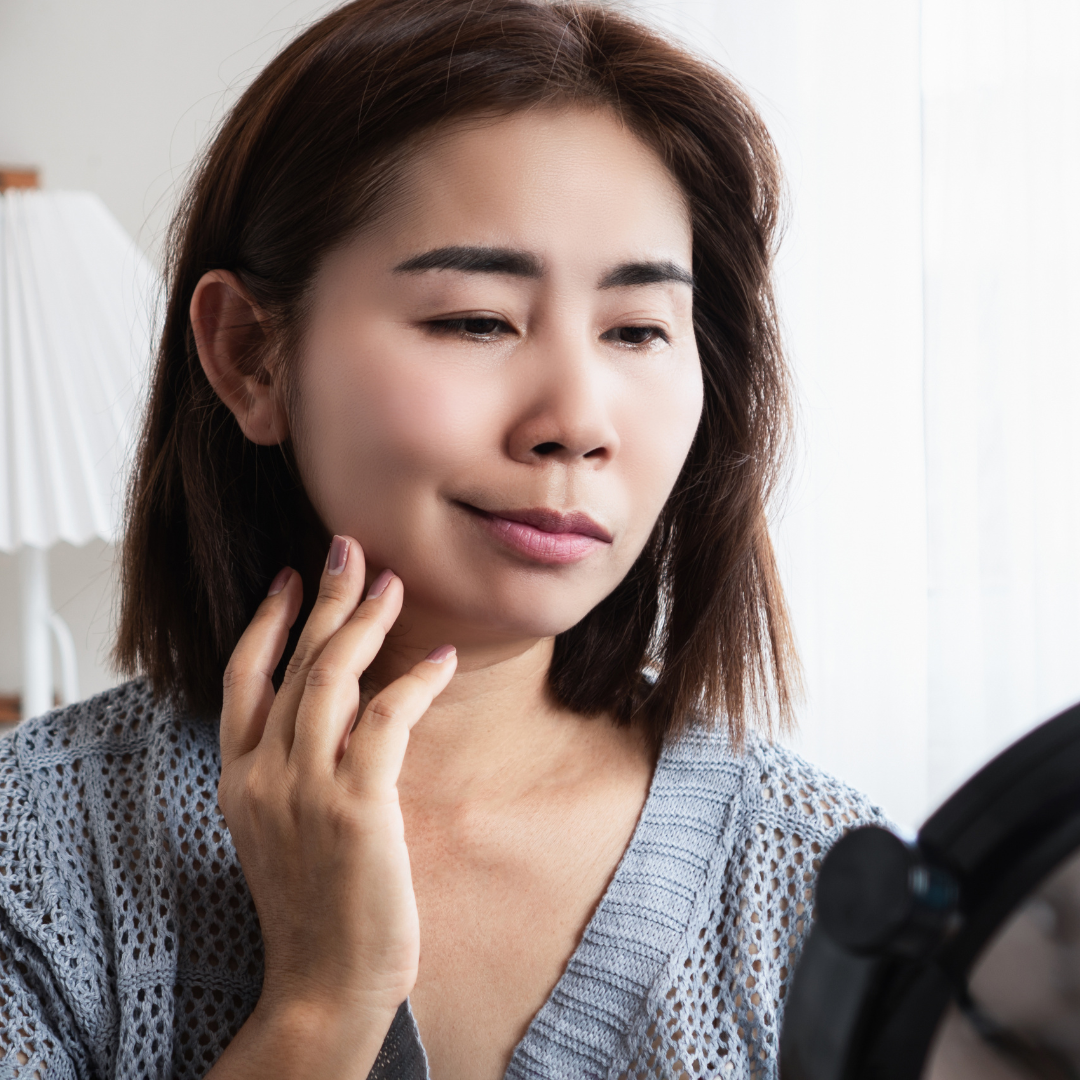
Facial Palsy, often referred to as Bell's Palsy, is a condition that causes a sudden, temporary weakness or paralysis of the muscles on one side of your face. This happens when the facial nerve, which controls your expressions and movements, becomes swollen, inflamed, or compressed. In India, many people mistakenly fear it is a permanent stroke, but with the right medical care, most patients find high recovery rates. It can affect anyone regardless of age, though it is frequently seen in adults with diabetes or those recovering from viral infections. At Sanjeevi Hospital, we understand how distressing it can be to lose control over your facial expressions or smile. Our neurology department focuses on rapid intervention to reduce nerve swelling, ensuring the best possible chance for a full and symmetric recovery. Early treatment within the first 72 hours is vital to prevent long-term complications and help you regain your natural look and confidence quickly.
Symptoms to watch for
- Sudden weakness or total paralysis on one side of the face appearing over hours to days.
- Drooping of the corner of the mouth, making it difficult to smile or show teeth.
- Difficulty closing one eyelid, which can lead to dryness or irritation of the eye.
- Drooling from the side of the mouth while drinking or eating.
- Increased sensitivity to loud noises in the ear on the affected side.
- A change in the sense of taste, specifically on the front part of the tongue.
- Pain or discomfort around the jaw or behind the ear on the side of the weakness.
- Excessive tearing or a very dry eye due to the inability to blink properly.
- Difficulty making facial expressions like frowning, squinting, or raising eyebrows.
Causes & risk factors
- Viral infections such as the herpes simplex virus (the same virus that causes cold sores).
- Inflammation or swelling of the seventh cranial nerve due to immune system responses.
- History of upper respiratory tract infections like the common cold or flu.
- Higher risk during pregnancy, especially during the third trimester or the first week after giving birth.
- Complications arising from diabetes, which can affect nerve health and blood circulation.
- Exposure to certain environmental triggers like sudden cold drafts (as seen in local seasonal changes).
- Involvement of the Varicella-zoster virus, which is responsible for chickenpox and shingles.
- Physical stress or a weakened immune system making the nerves more vulnerable to inflammation.
Diagnosis
- A thorough physical examination where the doctor asks you to move your facial muscles by blinking, smiling, or lifting your brow.
- Medical history review to rule out other conditions like a stroke or tumours that mimic facial weakness.
- Electromyography (EMG) to measure the electrical activity of the facial muscles and confirm nerve damage.
- Imaging tests like an MRI or CT scan to ensure there are no other structural issues pressing on the nerve.
- Blood tests to check for underlying conditions such as diabetes or infections like Lyme disease.
- Neurological assessment to check other cranial nerves and ensure the issue is localized to the facial nerve.
- Ear examination to rule out middle ear infections or shingles of the ear (Ramsay Hunt Syndrome).
Treatment options
Corticosteroid Medications
These powerful anti-inflammatory drugs help reduce the swelling of the facial nerve, allowing it to fit more comfortably within the bony canal it passes through.
Antiviral Therapy
When a viral cause is suspected, our specialists may prescribe antiviral medicine to speed up the healing process and stop viral replication.
Eye Care and Protection
Since the affected eye may not close properly, we provide specialized eye drops, ointments, and patches to prevent the cornea from drying out or getting scratched.
Physical Therapy and Facial Exercises
Our physiotherapists teach you specific movements to keep facial muscles active and prevent them from shrinking or becoming permanently stiff.
Pain Management
Over-the-counter or mild prescribed pain relievers are used to manage the discomfort often felt behind the ear or in the jaw area during the early stages.
Electrical Stimulation
In certain cases, low-level electrical pulses may be used to stimulate the facial muscles and maintain muscle tone while the nerve recovers.
Botox Injections for Long-term Effects
In rare instances where some facial tightness remains, Botox can be used to relax specific muscles and improve the overall symmetry of the face.
Surgical Consultation
While rarely needed, for cases that do not show improvement, our team discusses decompression options to relieve physical pressure on the nerve.
When to see a doctor
It is essential to seek medical help immediately if you notice any drooping or weakness in your face. While Bell's Palsy is manageable, these symptoms can also signal a stroke, which requires emergency intervention. Please do not wait to see if it improves on its own. If you cannot close your eye, experience sudden hearing changes, or have trouble swallowing along with facial weakness, come to Sanjeevi Hospital right away. We are here to support you with gentle, expert care to ensure your safety and quick recovery.
Prevention & self-care
- Manage blood sugar levels effectively if you have diabetes to protect nerve health.
- Maintain a healthy immune system through balanced Indian nutrition, including vitamin-rich foods like leafy greens and citrus fruits.
- Protect your face and ears from extreme cold or sudden temperature drops by wearing scarves or earmuffs.
- Practice stress-management techniques like yoga or meditation to keep your body's defenses strong.
- Maintain good hygiene to avoid viral infections that could trigger nerve inflammation.
- Follow up regularly with your physician for routine check-ups and early detection of risk factors.
- Seek prompt treatment for any ear or respiratory infections to prevent them from spreading.
- Stay hydrated and ensure adequate rest during periods of high physical or emotional stress.
Related conditions

Migraine & Headache
Throbbing headaches, aura and triggers — preventive and acute treatment.
Stroke
Sudden weakness or speech loss — recognise FAST symptoms and act fast.
Epilepsy & Seizures
Long-term seizure control with the right anti-epileptic medication.

Vertigo (BPPV)
Brief spinning episodes triggered by head movement — Epley manoeuvre treatment.

Answers about Facial Palsy (Bell's Palsy)
Common questions about Facial Palsy (Bell's Palsy) — diagnosis, treatment and recovery at Sanjeevi Hospital, Sangareddy.