
Epilepsy & Seizures
Long-term seizure control with the right anti-epileptic medication.
Overview
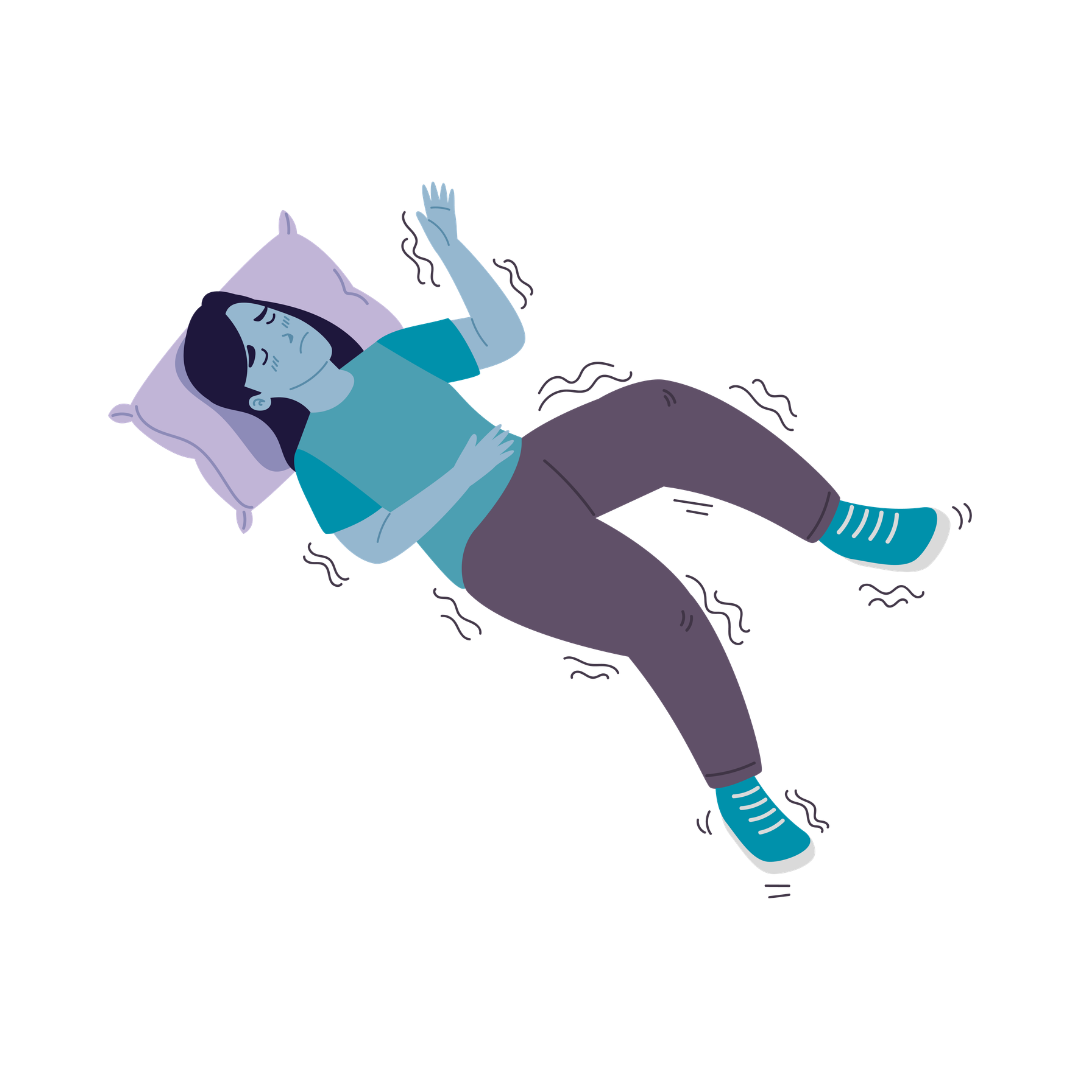
Epilepsy is a chronic neurological disorder marked by recurrent, unprovoked seizures, which are sudden bursts of electrical activity in the brain. In India, it is estimated that nearly 10 million people live with epilepsy, highlighting its status as a significant public health concern. While it can be distressing for both patients and families, it is important to remember that epilepsy is not a mental illness or a curse; it is a treatable medical condition. Many people in our community lead full, active lives by managing their condition with the right care. At Sanjeevi Hospital in Sangareddy, we focus on breaking the stigma and providing clarity. Modern medicine allows about 70% of people with epilepsy to remain seizure-free with consistent medication. Understanding the triggers and following a structured treatment plan are the first steps toward regaining independence and safety in your daily routine.
Symptoms to watch for
- Temporary confusion or a feeling of being 'spaced out'
- A staring spell where the person does not respond to their name
- Uncontrollable jerking movements of the arms and legs
- Loss of consciousness or sudden fainting
- Psychic symptoms such as fear, anxiety, or a sense of deja vu
- Stiffening of the body muscles suddenly
- Repeated blinking, smacking of lips, or chewing motions during a lapse in awareness
- Sudden falling without an apparent cause
- Biting the tongue or loss of bladder control during an episode
Causes & risk factors
- Genetic influence or family history of seizure disorders
- Head trauma from accidents, falls, or sports injuries
- Brain conditions such as tumors or strokes, common in older Indian adults
- Infectious diseases like meningitis, encephalitis, or neurocysticercosis (tapeworm cycles)
- Prenatal injury or brain damage that occurred before birth
- Developmental disorders such as autism or neurofibromatosis
- Lack of oxygen to the brain during birth or high-fever convulsions in childhood
- Metabolic imbalances or electrolyte disturbances in the blood
Diagnosis
- Neurological examination to test motor abilities and mental function
- Electroencephalogram (EEG) to record the brain's electrical activity patterns
- High-resolution MRI scans to check for structural abnormalities in the brain
- CT Scan to identify bleeding, tumors, or cysts like neurocysticercosis
- Blood tests to check for infections, lead poisoning, or metabolic issues
- Neuropsychological tests to assess memory, speech, and cognitive skills
- Ambulatory EEG for long-term monitoring of brain activity at home
Treatment options
Anti-Epileptic Drugs (AEDs)
These are the most common treatment, helping to stabilize electrical activity in the brain and prevent the recurrence of seizures.
Ketogenic Diet Management
A specialized high-fat, low-carbohydrate diet supervised by our nutritionists, which can help reduce seizures in children when medications are not effective.
Vagus Nerve Stimulation (VNS)
A surgically implanted device under the skin of the chest that sends regular, mild pulses of electrical energy to the brain via the vagus nerve.
Epilepsy Surgery
In cases where seizures originate in a small, well-defined area of the brain that doesn't affect vital functions, surgical removal may be an option.
Trigger Identification and Lifestyle Modification
Working with our neurologists to identify specific triggers like sleep deprivation or flickering lights to minimize the risk of breakthrough seizures.
Intravenous Therapy for Status Epilepticus
Emergency administration of fast-acting medications used to stop prolonged seizures that last more than five minutes.
Responsive Neurostimulation (RNS)
An advanced smart device that monitors brainwaves and delivers a small electrical pulse to stop a seizure before it starts.
Deep Brain Stimulation (DBS)
The use of implanted electrodes in specific parts of the brain to reduce the frequency of seizures in hard-to-treat cases.
When to see a doctor
Please seek immediate medical attention at Sanjeevi Hospital if a seizure lasts more than five minutes, if a second seizure follows immediately after the first, or if the person remains unconscious. It is also critical to consult our neurology team if you are pregnant, have diabetes, or if the seizure occurred in water. We are here to support you with empathy and expert care to ensure your safety and long-term health. Don't wait; early intervention saves lives.
Prevention & self-care
- Ensure adequate sleep every night, as exhaustion is a major seizure trigger
- Take prescribed medications consistently at the same time every day without skipping
- Maintain a balanced diet and stay hydrated, especially in the Telangana heat
- Practice stress-management techniques like yoga or deep breathing exercises
- Avoid excessive screen time and bright, flickering lights if sensitive to photosensitivity
- Wear protective helmets during two-wheeler rides to prevent head injuries
- Ensure proper hygiene and thoroughly wash vegetables to prevent neurocysticercosis
- Keep a 'Seizure Diary' to track patterns and share with your neurologist at Sanjeevi Hospital
Related conditions

Migraine & Headache
Throbbing headaches, aura and triggers — preventive and acute treatment.
Stroke
Sudden weakness or speech loss — recognise FAST symptoms and act fast.

Vertigo (BPPV)
Brief spinning episodes triggered by head movement — Epley manoeuvre treatment.

Peripheral Neuropathy
Numbness and tingling in feet — diabetic and other causes.
Answers about Epilepsy & Seizures
Common questions about Epilepsy & Seizures — diagnosis, treatment and recovery at Sanjeevi Hospital, Sangareddy.