
Stroke
Sudden weakness or speech loss — recognise FAST symptoms and act fast.
Overview
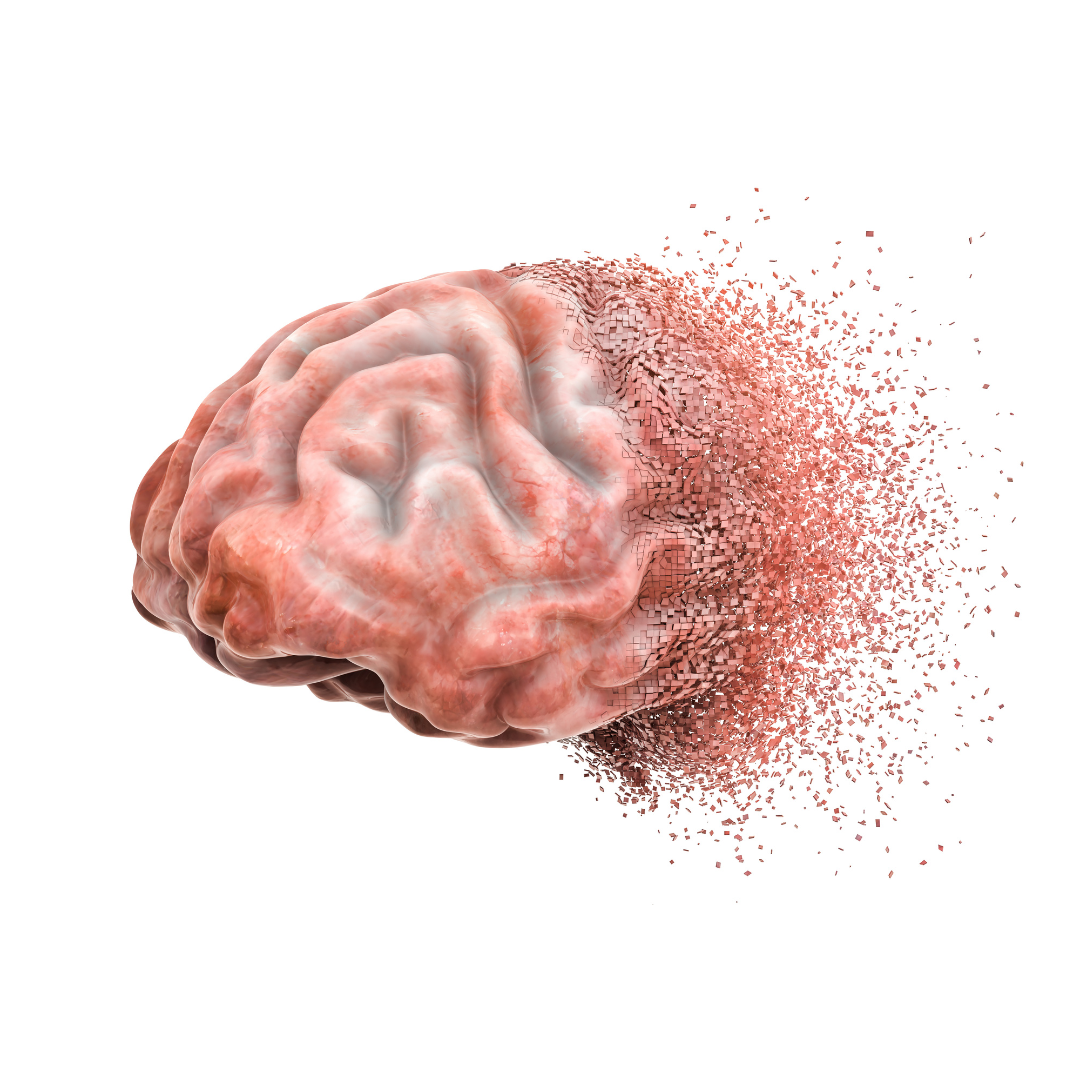
A stroke is often called a 'brain attack' because it happens when the blood supply to part of your brain is interrupted or reduced, preventing brain tissue from getting oxygen and nutrients. In India, stroke cases are rising due to changed lifestyles, but timely medical intervention can prevent permanent damage. Within minutes, brain cells begin to die, making it a critical medical emergency. At Sanjeevi Hospital in Sangareddy, we understand that every second counts. Whether it is an ischemic stroke caused by a clot or a hemorrhagic stroke caused by a burst vessel, the impact can range from mild numbness to severe disability. Given the high prevalence of hypertension and diabetes in our local community, being aware of stroke risks is essential for every family. Our neurology department focuses on rapid response, using advanced imaging to identify the stroke type and starting the right treatment immediately to preserve as much brain function as possible, ensuring our patients have the best chance at a full recovery.
Symptoms to watch for
- Sudden numbness or weakness in the face, arm, or leg, especially on one side of the body.
- Confusion or trouble speaking, such as slurring words or being unable to understand others.
- Sudden trouble seeing in one or both eyes, often described as a dark curtain falling.
- Difficulty walking, loss of balance, or sudden lack of coordination while moving.
- A sudden, severe headache that feels like the worst pain of your life with no known cause.
- Facial drooping where one side of the mouth hangs lower when the person tries to smile.
- Dizziness or a spinning sensation (vertigo) combined with other neurological signs.
- Difficulty swallowing or a sudden change in the tone of your voice.
- Sudden fatigue or a total lack of energy accompanied by a feeling of heaviness in the limbs.
Causes & risk factors
- High blood pressure (Hypertension), which is the leading cause of stroke in the Indian population.
- Uncontrolled Diabetes, as high blood sugar levels damage blood vessels over time.
- High cholesterol levels that lead to the buildup of fatty deposits (plaque) in the arteries.
- Heart conditions such as Atrial Fibrillation, which can cause blood clots to form and travel to the brain.
- Smoking and tobacco use, which significantly increase the risk of blood clots and arterial hardening.
- A sedentary lifestyle with lack of physical activity leading to obesity and poor vascular health.
- Excessive consumption of salt and fatty foods, which are common in many traditional diets and fuel hypertension.
- Age and family history, as the risk increases for those over 55 or with a genetic predisposition.
Diagnosis
- Physical Examination: Checking blood pressure, pulse, and conducting a neurological exam to test reflexes and strength.
- CT Scan: A rapid imaging test to determine if there is bleeding in the brain or signs of a clot.
- MRI Scan: Provides a detailed view of brain tissue to detect even small areas of damage from an ischemic stroke.
- Carotid Ultrasound: Using sound waves to check for narrowing or blockages in the neck arteries.
- Echocardiogram: A heart ultrasound to check for clots that may have traveled from the heart to the brain.
- Blood Tests: Checking blood sugar levels, cholesterol, and how quickly your blood clots.
- Cerebral Angiogram: A specialized X-ray procedure to get a detailed map of the blood vessels in your brain.
Treatment options
Thrombolytic Therapy (Clot-Busting Medication)
If given within the 'Golden Hour' (usually within 3 to 4.5 hours), these medications can dissolve the clot and restore blood flow to the brain.
Mechanical Thrombectomy
A minimally invasive procedure where a specialist uses a tiny catheter to physically remove a large blood clot from a brain artery.
Antiplatelet and Anticoagulant Therapy
Long-term medications that help prevent new clots from forming by making blood cells less likely to stick together.
Surgical Clipping or Coiling
Procedures used for hemorrhagic strokes to stop bleeding from an aneurysm or stabilize a weakened blood vessel.
Carotid Endarterectomy
A surgery to remove plaque buildup from the carotid arteries in the neck to prevent future strokes.
Comprehensive Rehabilitation
A coordinated program including physical, occupational, and speech therapy to help patients regain lost skills and independence.
Blood Pressure Management
Carefully monitoring and controlling blood pressure through intravenous or oral medications to reduce the risk of further brain injury.
Nutritional and Lifestyle Counseling
Working with dieticians to create a heart-healthy meal plan (low salt, low oil) that supports recovery and prevents recurrence.
When to see a doctor
Stroke is a medical emergency where every minute matters. If you notice even a slight case of facial drooping, arm weakness, or slurred speech, do not wait for the symptoms to pass. We urge you to come to Sanjeevi Hospital immediately if you experience a sudden, severe headache or loss of balance. It is much better to be evaluated and find it is a false alarm than to delay life-saving treatment. Our empathetic emergency team is ready to help you at any hour, ensuring you receive the immediate care needed to protect your future quality of life.
Prevention & self-care
- Monitor your blood pressure regularly and keep it within the range recommended by your doctor.
- Reduce daily salt intake to less than 5 grams, avoiding processed snacks and pickles high in sodium.
- Incorporate 30 minutes of moderate exercise, like brisk walking, into your daily routine five days a week.
- Manage your blood sugar levels through a combination of diet, exercise, and prescribed medication.
- Quit smoking and avoid all forms of tobacco, which instantly improves your vascular health.
- Maintain a healthy weight for your height and age to reduce the strain on your heart and arteries.
- Eat a diet rich in fruits, vegetables, lentils, and whole grains, while limiting saturated fats and sugars.
- Attend regular health check-ups at Sanjeevi Hospital to catch risk factors like high cholesterol early.
Related conditions
Migraine & Headache
Throbbing headaches, aura and triggers — preventive and acute treatment.
Epilepsy & Seizures
Long-term seizure control with the right anti-epileptic medication.

Vertigo (BPPV)
Brief spinning episodes triggered by head movement — Epley manoeuvre treatment.
Peripheral Neuropathy
Numbness and tingling in feet — diabetic and other causes.
Answers about Stroke
Common questions about Stroke — diagnosis, treatment and recovery at Sanjeevi Hospital, Sangareddy.