
Sleep Disorders
Insomnia, restless legs and disturbed sleep — diagnosis and treatment.
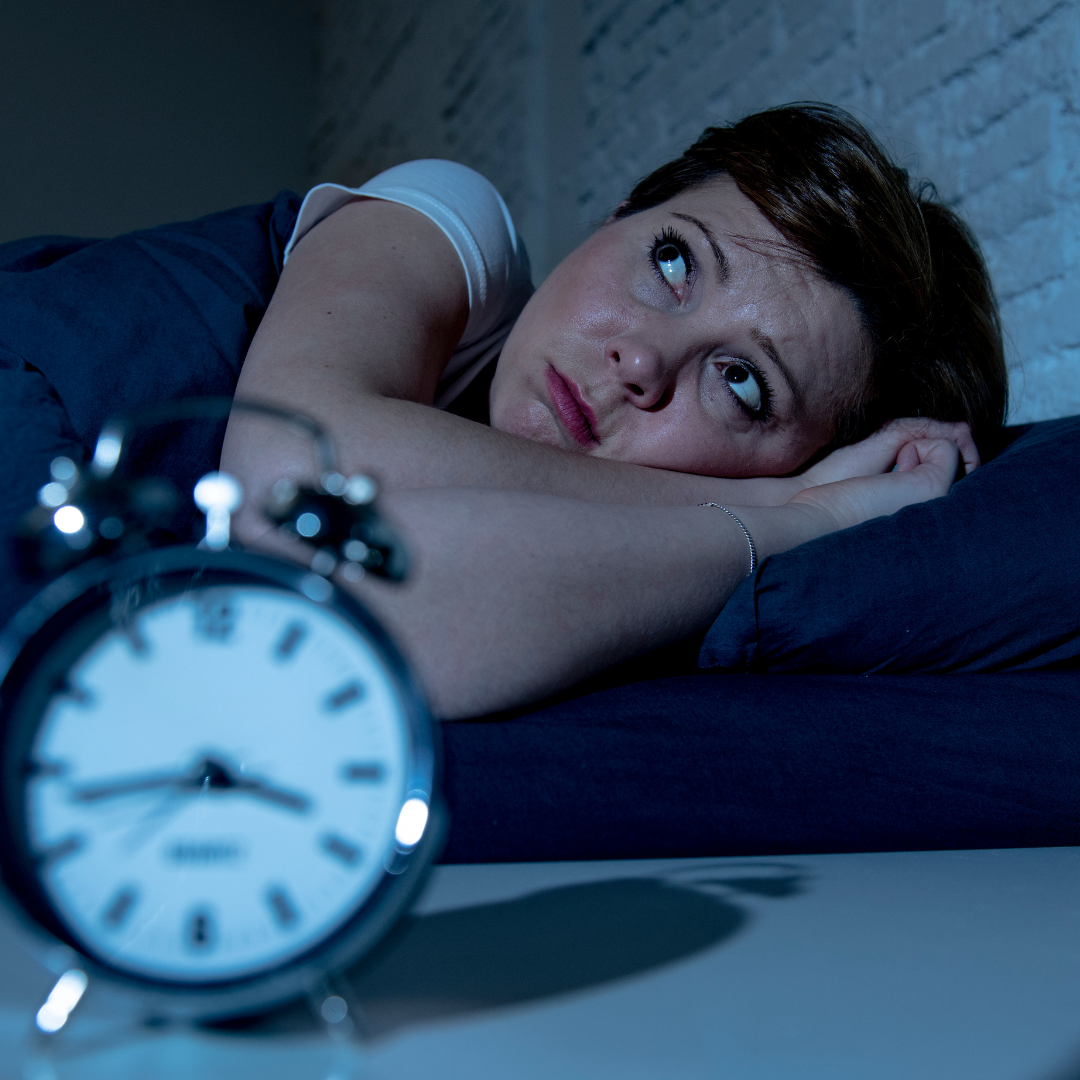
Overview
Sleep disorders are much more than just feeling tired; they are medical conditions that disrupt your body's natural internal clock and affect your physical, mental, and emotional health. In India, changing lifestyle patterns, high-stress jobs, and the increased use of digital screens late at night have led to a significant rise in sleep-related issues like insomnia and obstructive sleep apnea. Research suggests that nearly one in five Indians suffers from some form of sleep disturbance, yet many dismiss it as a part of a busy life. Quality sleep is the foundation of our well-being, allowing our brain to process information and our body to repair tissues. When left untreated, chronic sleep deprivation can increase the risk of high blood pressure, diabetes, and heart disease. At Sanjeevi Hospital, we understand the cultural and environmental factors that affect sleep in our community and offer a compassionate approach to help you regain your restful nights and energetic days.
Symptoms to watch for
- Difficulty falling asleep at night despite being tired.
- Waking up frequently during the night or waking up too early.
- Loud snoring that is often interrupted by gasping or choking sounds.
- Feeling excessively sleepy or nodding off during daytime activities.
- Irritability, anxiety, or a low mood throughout the day.
- Difficulty concentrating on work or forgetting simple tasks.
- An uncomfortable 'crawling' sensation in the legs that worsens at night.
- Waking up with a dry mouth, sore throat, or a morning headache.
- Depending on caffeine or energy drinks to stay awake during the day.
Causes & risk factors
- High levels of daily stress, anxiety, or work-related pressure.
- Medical conditions such as chronic pain, heart disease, or asthma.
- Neurological issues that affect the brain's sleep-wake signals.
- Lifestyle habits like irregular shift work or frequent travel.
- Excessive consumption of tea, coffee, or spicy Indian meals late at night.
- Obstructive issues in the airway or nasal passages.
- Physical inactivity or lack of exposure to natural sunlight.
- Certain medications used for blood pressure or allergies.
Diagnosis
- Detailed clinical history focusing on your bedtime routine and symptoms.
- Sleep Diary: A two-week log of your sleep patterns and daily habits.
- Polysomnography (Sleep Study): An overnight test monitoring brain waves and breathing.
- Multiple Sleep Latency Test (MSLT): To measure how quickly you fall asleep during the day.
- Physical Examination: Checking the throat, nose, and neck circumference.
- Blood Tests: To rule out thyroid issues or iron deficiency (for restless legs).
- Actigraphy: Using a wearable device to track movement and rest cycles over several days.
Treatment options
Cognitive Behavioral Therapy for Insomnia (CBT-I)
This is a structured program that helps you replace thoughts and behaviors that cause sleep problems with habits that promote sound sleep.
CPAP (Continuous Positive Airway Pressure) Therapy
A machine that delivers constant air pressure through a mask to keep your airways open while you sleep, primarily used for sleep apnea.
Sleep Hygiene Counseling
Our specialists provide personalized advice on optimizing your bedroom environment and daily routine to naturally encourage better rest.
Pharmacological Management
When necessary, our neurologists may prescribe specific medications to regulate sleep cycles or manage underlying conditions like restless legs syndrome.
Oral Appliances
Custom-fit dental devices designed to keep your throat open by bringing the jaw forward, helpful for mild snoring and sleep apnea.
Lifestyle and Nutritional Guidance
Working with our dieticians to manage weight and reduce reliance on stimulants like caffeine and heavy, oily dinners.
Relaxation Techniques
Guided sessions on meditation, deep breathing, and muscle relaxation to calm the nervous system before bedtime.
Supplements
Use of vitamins or minerals, such as iron or magnesium, to treat specific deficiencies that may be causing limb movements during sleep.
When to see a doctor
It is important to seek medical advice if your sleep problems persist for more than a month or if they interfere with your ability to perform daily tasks safely. Please consult us if you experience 'micro-sleeps' while driving, have gasping episodes at night, or if a partner notices you stop breathing during sleep. Your health is our priority, and early intervention can prevent more serious complications. We are here to listen and help you find a path back to healthy, restorative rest in a supportive environment.
Prevention & self-care
- Maintain a consistent sleep schedule by going to bed and waking up at the same time every day.
- Ensure your bedroom is dark, quiet, and cool, which is ideal for deep rest.
- Limit screen time (phones, laptops, TV) at least one hour before you plan to sleep.
- Avoid heavy, spicy Indian meals and caffeinated drinks like chai or coffee in the late evening.
- Engage in regular physical activity like walking or yoga, preferably during the morning or afternoon.
- Expose yourself to natural sunlight shortly after waking up to regulate your internal clock.
- Practice a relaxing bedtime ritual, such as taking a warm bath or listening to soft music.
- Avoid long daytime naps, especially after 3:00 PM, as they can interfere with nighttime sleep.
Related conditions
Migraine & Headache
Throbbing headaches, aura and triggers — preventive and acute treatment.
Stroke
Sudden weakness or speech loss — recognise FAST symptoms and act fast.
Epilepsy & Seizures
Long-term seizure control with the right anti-epileptic medication.
Vertigo (BPPV)
Brief spinning episodes triggered by head movement — Epley manoeuvre treatment.

Answers about Sleep Disorders
Common questions about Sleep Disorders — diagnosis, treatment and recovery at Sanjeevi Hospital, Sangareddy.