
ADHD & Behaviour Concerns
Attention, hyperactivity and behaviour evaluation in school-aged children.
Overview
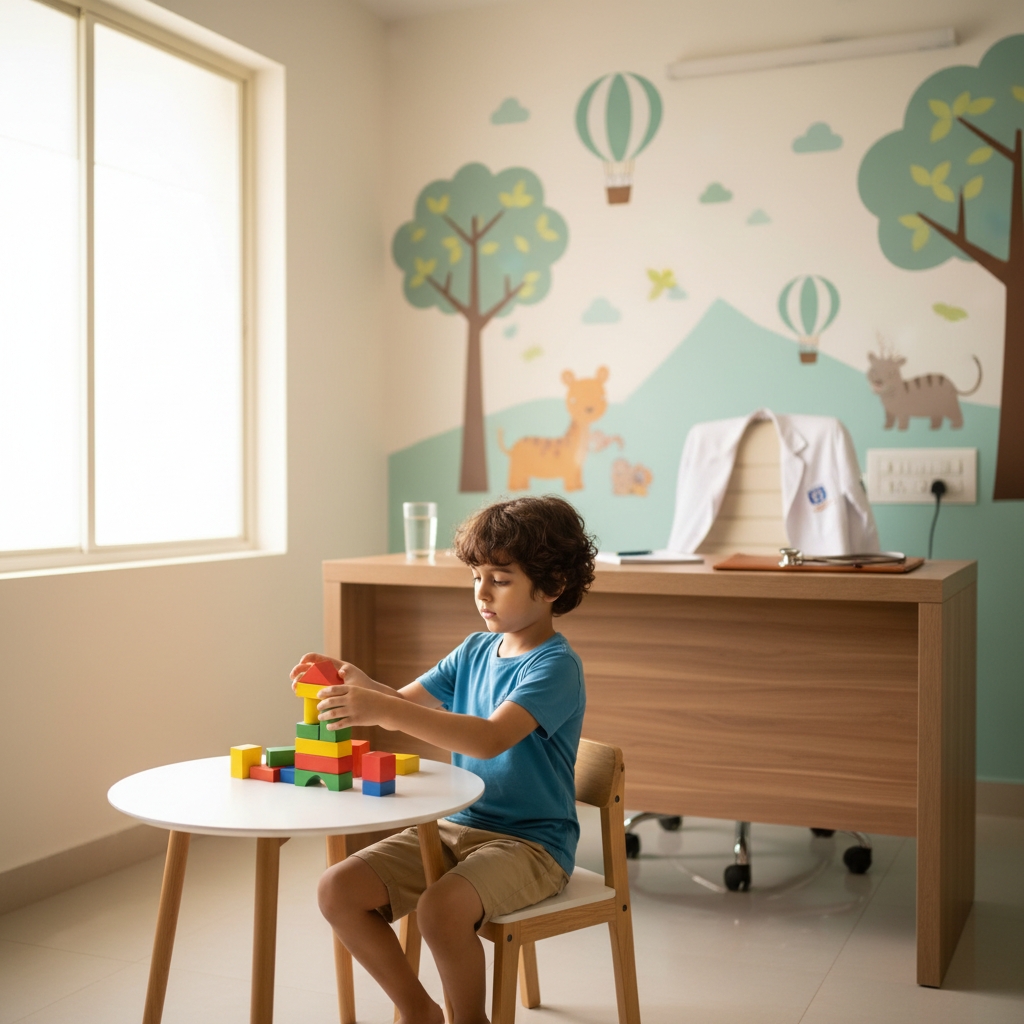
Attention-Deficit/Hyperactivity Disorder (ADHD) and behavioral concerns are common developmental challenges seen in many children across India today. It is estimated that about 5 to 10 percent of school-aged Indian children face difficulties with staying focused, sitting still, or controlling impulsive actions. These patterns are not just 'naughtiness' or a result of poor parenting; they are related to how the brain processes information and regulates behavior. In the competitive academic environment of Telangana, these challenges can affect a child’s school performance, social friendships, and self-esteem if left unsupported. Early identification is vital because the young brain is highly adaptable. By understanding that your child’s brain works differently, we can provide the right tools to help them thrive. At Sanjeevi Hospital, we view every child as unique, focusing on their strengths while managing the hurdles that ADHD presents, ensuring they grow into confident and successful individuals in our local community.
Symptoms to watch for
- Difficulty staying focused on schoolwork or repetitive tasks even for short periods.
- Frequent careless mistakes in homework or during examinations despite knowing the subject.
- Appearing as if not listening when spoken to directly during conversations.
- Constant fidgeting with hands or feet, or unable to remain seated in the classroom.
- Excessive talking and frequently interrupting others while they are speaking.
- Difficulty waiting for their turn in games or while standing in a queue.
- Losing essential items like school bags, pencils, or notebooks very frequently.
- Quickly becoming frustrated or having sudden emotional outbursts over minor issues.
- Running or climbing in situations where it is inappropriate or unsafe.
Causes & risk factors
- Genetic factors, as ADHD often runs in families through various generations.
- Differences in brain structure and the levels of chemicals called neurotransmitters.
- Exposure to environmental toxins like lead during pregnancy or at a very young age.
- Premature birth or low birth weight, which can affect early brain development.
- Maternal health factors during pregnancy, including high stress or nutritional deficiencies.
- Brain injuries or infections that occur during early childhood development stages.
- Severe early-life trauma or significant lack of stable social and emotional support.
Diagnosis
- A detailed clinical interview with parents to understand the child's developmental history.
- Review of school reports and feedback from teachers regarding classroom behavior.
- Standardized behavioral rating scales filled out by both parents and educators.
- Physical examinations to rule out other medical issues like hearing or vision problems.
- Observation of the child's interactions and activity levels in a clinical setting.
- Cognitive and educational assessments to check for underlying learning disabilities.
- Nutritional screening to ensure no vitamin deficiencies are mimicking behavioral issues.
Treatment options
Behavioral Therapy
A structured approach where children learn positive ways to manage their actions and emotions through rewards and consistent routines.
Parent Education and Training
Empowering parents with specific strategies to improve communication and set clear, healthy boundaries at home for their children.
Social Skills Training
Group-based learning that helps children understand social cues, share toys, and develop lasting friendships with their peers.
Classroom Accommodations
Collaborating with local schools to modify the learning environment, such as providing extra time during exams or preferred seating.
Dietary and Nutritional Guidance
Tailored meal plans focusing on traditional Indian foods rich in Omega-3 and proteins while reducing excessive sugar and artificial additives.
Pharmacological Management
Careful medical intervention when necessary to help balance brain chemistry, always under the strict supervision of our experienced pediatricians.
When to see a doctor
It is time to seek professional guidance at Sanjeevi Hospital if your child's behavior is consistently causing significant stress at home or leading to frequent complaints from school. If you notice your child is becoming increasingly withdrawn, losing self-confidence, or if their safety is at risk due to extreme impulsivity, please reach out. We are here to listen with empathy and provide a safe space for your family to find answers and effective management strategies.
Prevention & self-care
- Maintain a healthy and balanced diet during pregnancy with regular prenatal check-ups.
- Ensure a smoke-free and toxin-free environment for the growing child at home.
- Establish a very consistent daily routine for sleep, meals, and study time.
- Encourage regular physical activity and outdoor play to help children burn excess energy.
- Limit screen time on mobile phones and televisions, especially before bedtime.
- Practice positive reinforcement by praising specific good behaviors immediately.
- Ensure your child gets adequate, high-quality sleep every single night.
- Maintain open lines of communication with your child's teachers and school staff.
Related conditions
Newborn & Neonatal Care
Comprehensive care for newborns including feeding, jaundice and growth checks.
Childhood Immunization Schedule
Complete vaccination plan as per IAP guidelines, birth to adolescence.
Childhood Asthma
Wheezing, cough and breathlessness — inhaler-based long-term control.
Diarrhea & Dehydration
ORS, zinc therapy and when to bring your child to hospital.
Answers about ADHD & Behaviour Concerns
Common questions about ADHD & Behaviour Concerns — diagnosis, treatment and recovery at Sanjeevi Hospital, Sangareddy.