
Newborn & Neonatal Care
Comprehensive care for newborns including feeding, jaundice and growth checks.
Overview
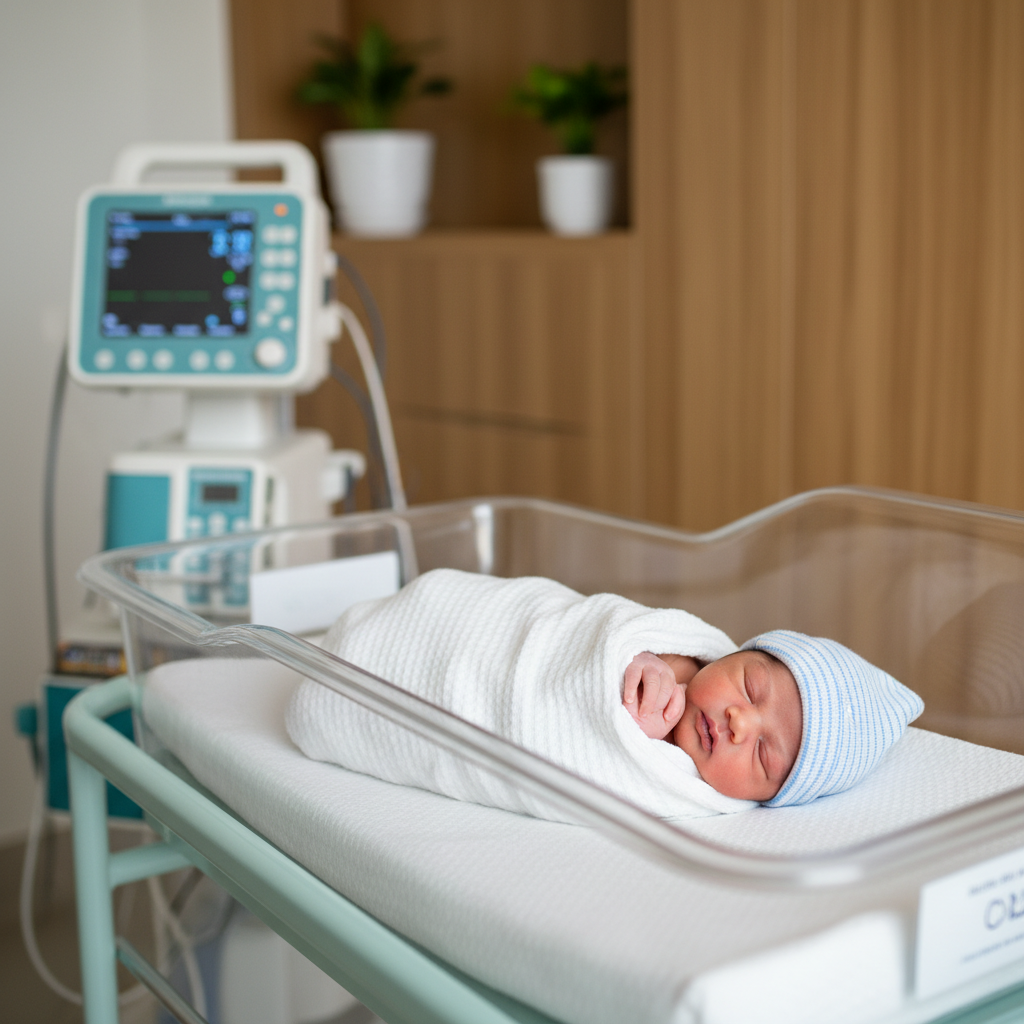
The first 28 days of a baby’s life, known as the neonatal period, are the most critical phase for growth and development. In India, approximately 25 million children are born every year, and ensuring they receive proper medical attention is vital for a healthy future. Newborn care involves monitoring vital signs, supporting breastfeeding, and identifying early signs of infection or congenital issues. At Sanjeevi Hospital in Sangareddy, we understand that this is an emotional time for parents. Neonatal care isn't just for babies who are ill; it includes routine check-ups, vaccinations according to the IAP schedule, and guidance on umbilical cord care. Since babies have developing immune systems, they are more prone to infections and temperature fluctuations. Expert care during these first few weeks lays the foundation for lifelong physical and mental health, ensuring that minor issues like physiological jaundice or feeding difficulties are managed effectively before they become serious concerns.
Symptoms to watch for
- Yellowish tint to the skin or eyes (Signs of Jaundice)
- Poor feeding or difficulty latching during breastfeeding
- Fever or an unusually low body temperature (feeling cold to touch)
- Rapid or difficult breathing, often with grunting sounds
- Fewer than six wet diapers in a 24-hour period
- Extreme sleepiness or difficulty waking up for feedings
- Redness, swelling, or foul-smelling discharge from the umbilical cord
- Persistent vomiting or a swollen, hard abdomen
- Blue or pale tint to the lips, tongue, or fingernails
Causes & risk factors
- Premature birth occurring before 37 weeks of pregnancy
- Low birth weight which may affect the baby's ability to stay warm
- Birth asphyxia or lack of oxygen during the delivery process
- Infections passed from the mother or acquired shortly after birth
- Congenital conditions or heart defects present from birth
- Neonatal jaundice caused by excess bilirubin in the blood
- Respiratory Distress Syndrome due to immature lungs
- Maternal health conditions like gestational diabetes or hypertension
Diagnosis
- Apgar scoring immediately after birth to assess heart rate and muscle tone
- Physical examination including weight, length, and head circumference mapping
- Bilirubin blood tests or skin sensors to check for jaundice levels
- Pulse oximetry to measure oxygen levels in the baby's blood
- Newborn screening blood tests for metabolic and genetic disorders
- Ultrasound or X-rays if internal issues or lung problems are suspected
- Hearing screening tests to ensure early detection of auditory issues
Treatment options
Exclusive Breastfeeding Support
Our lactation experts help mothers master the art of latching and positioning to ensure the baby receives nutrient-rich colostrum and breast milk.
Phototherapy for Jaundice
Special blue light therapy is used to break down excess bilirubin in the baby's skin, making it easier for their liver to process.
Thermoregulation and Incubator Care
For babies who struggle to maintain body heat, we provide temperature-controlled environments to support metabolic stability and growth.
Intravenous (IV) Fluid and Nutrition
If a baby is too weak to suck or has low blood sugar, we provide essential glucose and fluids through a tiny, safe IV line.
Respiratory Support
We use CPAP or gentle ventilators for newborns who need assistance keeping their lungs open and breathing comfortably.
Antibiotic Therapy
When signs of infection or sepsis are detected, we administer safe, age-appropriate antibiotics to quickly clear the bacteria.
Kangaroo Mother Care (KMC)
We encourage skin-to-skin contact between parents and babies to stabilize heart rates, improve sleep, and promote bonding and weight gain.
Umbilical Cord Management
Professional cleaning and monitoring of the cord stump to prevent local infections and ensure healthy healing.
When to see a doctor
Please seek medical attention immediately if your newborn shows signs of respiratory distress, such as nostrils flaring or chest drawing in. Other red flags include a temperature above 100.4°F (38°C), persistent vomiting, or if the baby becomes unusually lethargic and stops responding to your touch. If you notice a deep yellow color spreading to the baby's chest or legs, or if the umbilical cord area looks red and inflamed, visit our emergency department at Sanjeevi Hospital without delay. Your peace of mind matters most.
Prevention & self-care
- Ensure the mother receives regular prenatal check-ups during pregnancy
- Maintain strict hand hygiene for everyone touching the newborn
- Follow the recommended vaccination schedule starting at birth
- Keep the baby warm using the 'one extra layer' rule compared to adults
- Avoid crowded places to protect the baby's developing immune system
- Clean the umbilical cord area with plain water and keep it dry
- Practice exclusive breastfeeding for the first six months of life
- Ensure a smoke-free environment around the baby at all times
Related conditions
Childhood Immunization Schedule
Complete vaccination plan as per IAP guidelines, birth to adolescence.

Childhood Asthma
Wheezing, cough and breathlessness — inhaler-based long-term control.

Diarrhea & Dehydration
ORS, zinc therapy and when to bring your child to hospital.

Growth & Nutrition
Tracking height, weight and milestones; nutrition advice for picky eaters.

Answers about Newborn & Neonatal Care
Common questions about Newborn & Neonatal Care — diagnosis, treatment and recovery at Sanjeevi Hospital, Sangareddy.