
Diarrhea & Dehydration
ORS, zinc therapy and when to bring your child to hospital.
Overview
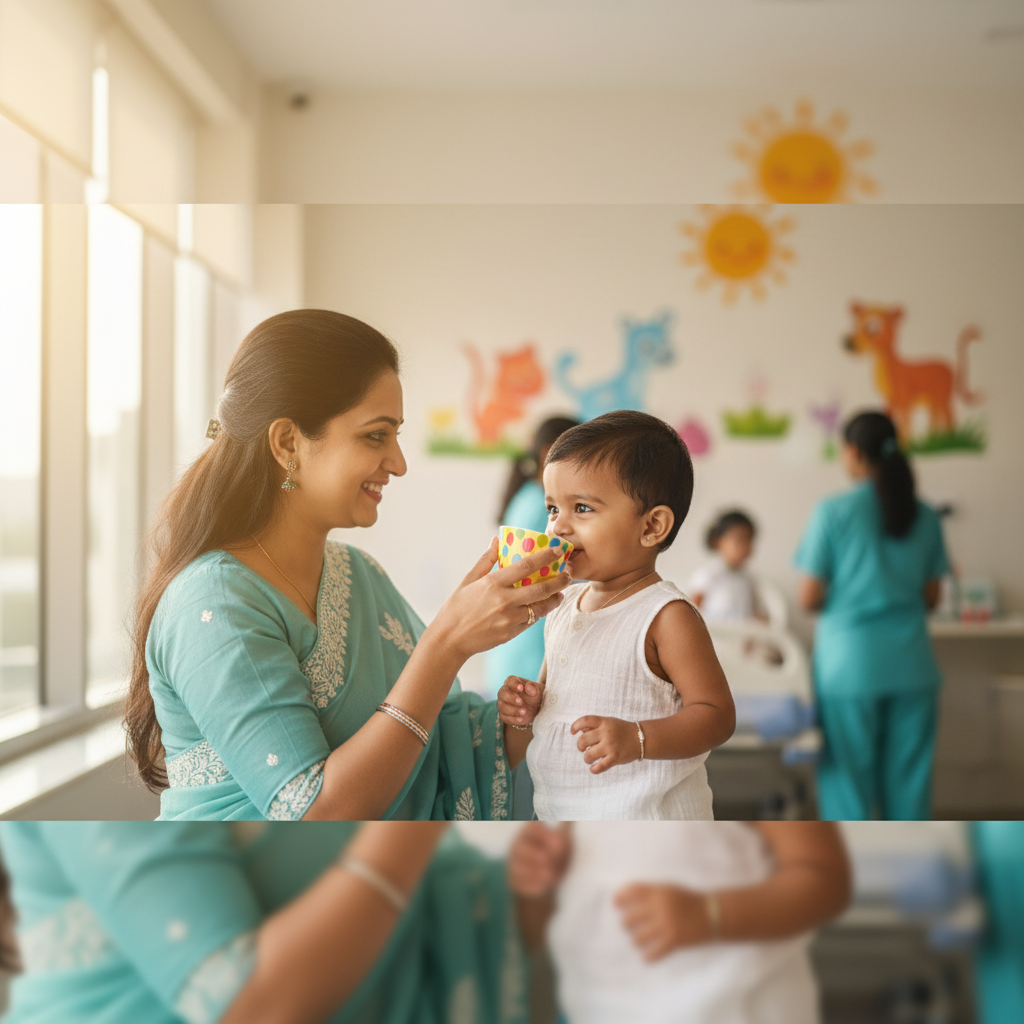
Diarrhea is a very common health concern for children in India, particularly during the monsoon and summer seasons. It involves the passage of loose, watery stools more than three times a day, which can quickly lead to dehydration—a condition where the body loses more fluids and essential salts than it takes in. In our local context in Sangareddy, bacterial and viral infections from contaminated water or food are frequent culprits. While most cases are mild and can be managed at home with proper hydration, severe dehydration can be life-threatening if not addressed promptly. At Sanjeevi Hospital, we follow the latest Indian Academy of Pediatrics guidelines to ensure your child recovers quickly. Understanding how to manage your child's fluid balance is the most critical step in preventing complications. Our pediatric specialists focus on gentle, effective recovery strategies to restore your little one to their cheerful, active self while ensuring they receive the necessary nutrients to bounce back from the illness.
Symptoms to watch for
- Frequent loose or watery stools (more than three times in 24 hours)
- Sunken eyes that look hollow or dark
- Dryness in the mouth, tongue, and parched lips
- Crying without producing any tears
- Decreased frequency of urination or dry diapers for over 6 hours
- Irritability, unexplained fussiness, or unusual sleepiness
- Loss of skin elasticity (skin stays up when pinched gently)
- Sunken soft spot (fontanelle) on the top of an infant's head
- Extreme thirst or refusing to drink fluids altogether
Causes & risk factors
- Viral infections like Rotavirus, common in young children
- Bacterial infections from contaminated street food or untreated water
- Parasitic infections often spread through unwashed hands
- Food intolerances, such as difficulty digesting milk sugars (lactose)
- Side effects from certain antibiotics that disrupt gut bacteria
- Changes in diet or sudden introduction of new solid foods
- Poor hand hygiene practices before meals and after play
- Contaminants in local water sources during the rainy season
Diagnosis
- Detailed clinical history regarding the frequency and consistency of stools
- Physical examination to check for signs of dehydration and abdominal pain
- Weight check to compare with previous records and assess fluid loss
- Stool routine and culture tests to identify bacteria or parasites
- Blood tests (complete blood count) to check for signs of infection
- Serum electrolyte test to measure levels of sodium and potassium
- Urine analysis to check the concentration and kidney function
Treatment options
Oral Rehydration Salt (ORS) Therapy
The gold standard of treatment using a specific ratio of salts and glucose to help the intestines absorb water effectively.
Zinc Supplementation
Given for 14 days as per IAP guidelines, it helps reduce the duration and severity of diarrhea and prevents future episodes.
Intravenous (IV) Fluids
Used only in severe cases of dehydration where the child cannot drink or is vomiting excessively, ensuring direct hydration into the bloodstream.
Probiotic Support
Friendly bacteria supplements that help restore the natural balance of the gut flora and speed up the recovery process.
Continued Breastfeeding
For infants, continuing to breastfeed provides essential antibodies and hydration that are easily digested during illness.
Age-Appropriate Nutritional Diet
Gradual reintroduction of easy-to-digest local foods like khichdi, bananas, and curd-rice to maintain energy levels.
When to see a doctor
Please bring your child to Sanjeevi Hospital immediately if you notice red flags such as blood in the stool, high fever that does not subside, or persistent vomiting that prevents fluid intake. If your child seems unusually drowsy, difficult to wake up, or if their eyes appear deeply sunken, they need urgent medical attention. We are here to support you with a gentle, reassuring approach to ensure your child feels safe while receiving the care they need to recover.
Prevention & self-care
- Wash hands thoroughly with soap after using the toilet and before handling food
- Always use boiled or RO-filtered water for drinking and preparing baby formula
- Ensure your child receives the Rotavirus vaccine as per the immunization schedule
- Keep kitchen surfaces clean and cook meat and eggs thoroughly
- Avoid giving children raw or unpeeled fruits and vegetables from street vendors
- Maintain exclusive breastfeeding for the first six months of an infant's life
- Keep your child away from others who are currently suffering from stomach infections
- Ensure proper waste disposal around the home to prevent flies from contaminating food
Related conditions

Newborn & Neonatal Care
Comprehensive care for newborns including feeding, jaundice and growth checks.
Childhood Immunization Schedule
Complete vaccination plan as per IAP guidelines, birth to adolescence.
Childhood Asthma
Wheezing, cough and breathlessness — inhaler-based long-term control.
Growth & Nutrition
Tracking height, weight and milestones; nutrition advice for picky eaters.
Answers about Diarrhea & Dehydration
Common questions about Diarrhea & Dehydration — diagnosis, treatment and recovery at Sanjeevi Hospital, Sangareddy.