
Overview
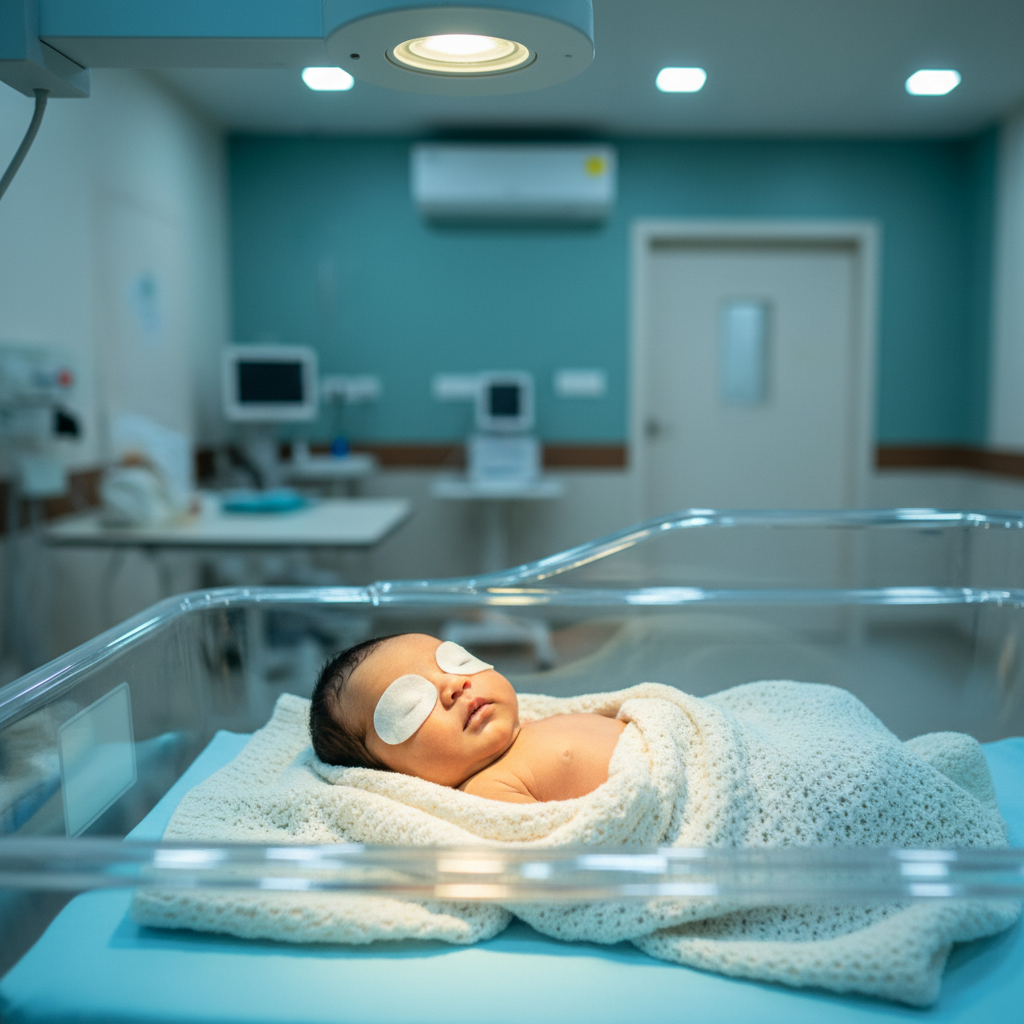
Neonatal Jaundice is a very common condition in newborns characterized by the yellowing of the skin and the whites of the eyes. In India, nearly 60% of full-term babies and 80% of preterm babies develop jaundice in their first week of life. This happens because a baby's liver is still maturing and cannot quickly remove bilirubin—a yellow pigment produced during the normal breakdown of red blood cells. While most cases are physiological and resolve on their own with proper feeding, some infants require specialized medical care to prevent high bilirubin levels from affecting the brain. At Sanjeevi Hospital in Sangareddy, we understand that seeing your newborn with a yellowish tint can be worrying for new parents. It is important to remember that with early detection and the right pediatric support, this condition is highly manageable. Our team focuses on gentle monitoring and evidence-based treatments to ensure your little one recovers quickly and returns home safely in your arms.
Symptoms to watch for
- Yellowish tint appearing first on the baby's face and forehead
- Yellow color spreading to the chest, stomach, arms, and legs
- The whites of the baby’s eyes (sclera) looking yellow
- Baby appearing unusually sleepy or difficult to wake up for feeds
- Poor feeding or difficulty latching during breastfeeding
- High-pitched crying that sounds different from their usual cry
- Dark or tea-colored urine (newborn urine should normally be near colorless)
- Pale-colored stools instead of the typical mustard-yellow or green
- Arching of the back or neck backward (in more severe cases)
Causes & risk factors
- Immature liver function that cannot process bilirubin efficiently
- Incompatibility between the mother's and baby's blood types (Rh or ABO)
- Short lifespan of newborn red blood cells compared to adults
- Inadequate milk intake leading to dehydration or slow bowel movements
- Internal bruising during the birth process (cephalohematoma)
- Infection or sepsis in the newborn's bloodstream
- G6PD deficiency, a common enzyme deficiency in the Indian population
- Biliary atresia or other underlying liver or bile duct blockages
Diagnosis
- Visual examination of the baby in bright natural light or white light
- Transcutaneous Bilirubinometer (TcB) test using a light device on the baby's skin
- Serum Bilirubin blood test to measure the exact concentration in the laboratory
- Blood typing and Coomb's test to check for maternal-fetal blood incompatibility
- Complete Blood Count (CBC) to check for signs of infection or anemia
- Reticulocyte count to see how fast the baby is producing new red blood cells
- Liver function tests if the jaundice persists beyond the first two weeks
Treatment options
Enhanced Feeding
Increasing the frequency of breastfeeding or formula feeding 8 to 12 times a day to help the baby pass bilirubin through frequent stools.
Standard Phototherapy
Placing the baby under special blue-green spectrum lamps that change the shape and structure of bilirubin molecules so they can be excreted.
Intensive Fiber-optic Phototherapy
The use of a 'bili-blanket' or fiber-optic pad that wraps around the baby, allowing for continuous light treatment even during feeding and cuddling.
Intravenous Fluids
Administering fluids through a vein if the baby is dehydrated or unable to feed well, helping to flush out excess bilirubin via the kidneys.
Intravenous Immunoglobulin (IVIG)
A specialized treatment used if jaundice is caused by blood group differences, helping to reduce the breakdown of red blood cells.
Exchange Transfusion
A rare but life-saving procedure performed in our NICU where small amounts of the baby's blood are replaced with fresh donor blood to rapidly lower bilirubin levels.
Treating Underlying Infections
If the jaundice is a secondary symptom of a bacterial infection, our pediatricians will administer appropriate intravenous antibiotics alongside jaundice care.
When to see a doctor
While mild jaundice is common, you should contact Sanjeevi Hospital immediately if your baby's skin becomes more intensely yellow or if the yellowing extends to the abdomen, arms, or legs. Please watch for red flags such as extreme lethargy, a high-pitched cry, or if your baby is not wetting at least six diapers a day. We are here to provide a quick check and provide the reassurance or treatment your baby needs during these precious first days.
Prevention & self-care
- Ensure your baby begins breastfeeding within the first hour of birth
- Feed your newborn 8 to 12 times every 24 hours to promote bowel movements
- Monitor the number of wet and soiled diapers daily to ensure hydration
- Attend all scheduled pediatric check-ups within the first week of life
- Keep the baby well-hydrated, especially during the hot summer months in Telangana
- Avoid giving plain water or honey to the newborn; breast milk is sufficient
- Discuss any family history of G6PD deficiency or blood disorders with your doctor
- Check your baby's skin color daily in natural sunlight near a window
Related conditions
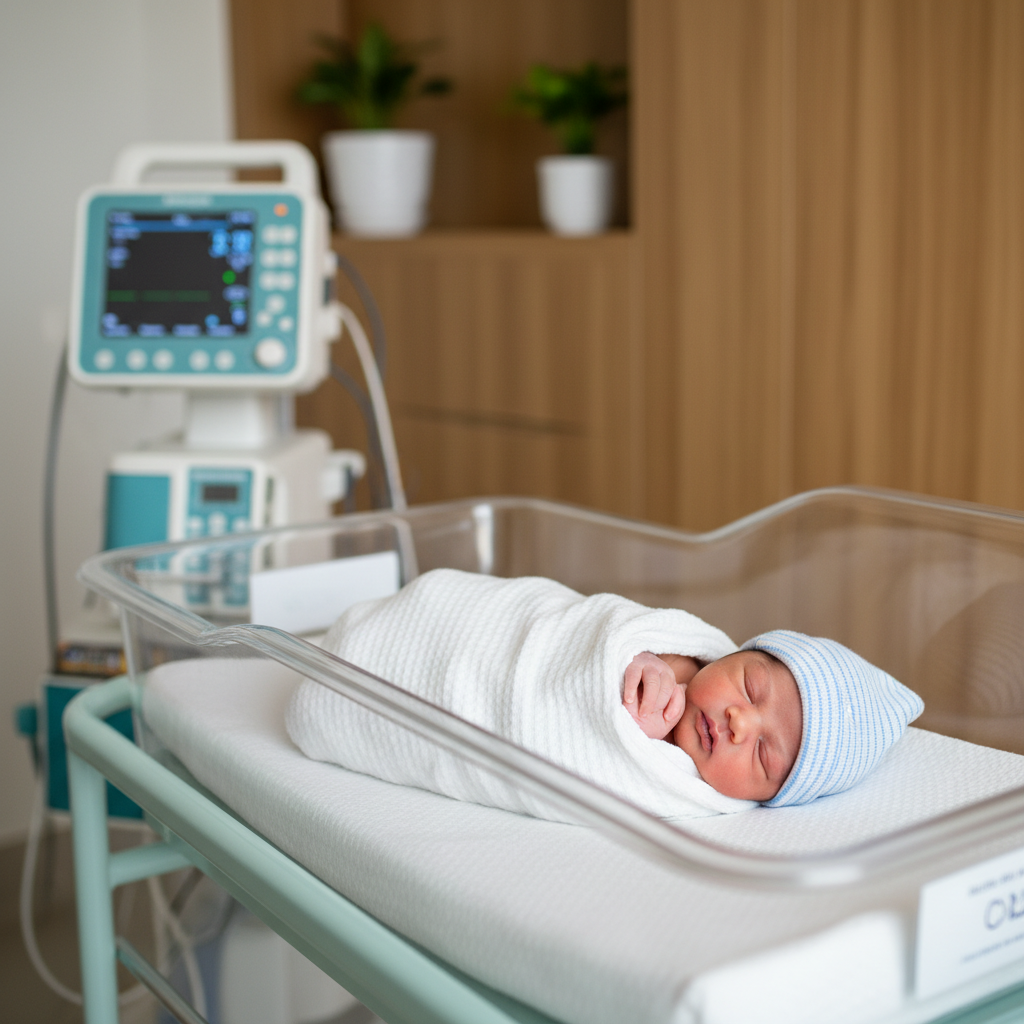
Newborn & Neonatal Care
Comprehensive care for newborns including feeding, jaundice and growth checks.
Childhood Immunization Schedule
Complete vaccination plan as per IAP guidelines, birth to adolescence.

Childhood Asthma
Wheezing, cough and breathlessness — inhaler-based long-term control.
Diarrhea & Dehydration
ORS, zinc therapy and when to bring your child to hospital.

Answers about Neonatal Jaundice
Common questions about Neonatal Jaundice — diagnosis, treatment and recovery at Sanjeevi Hospital, Sangareddy.