
Childhood Fever
When to worry — dengue, typhoid, viral fevers and warning signs.
Overview
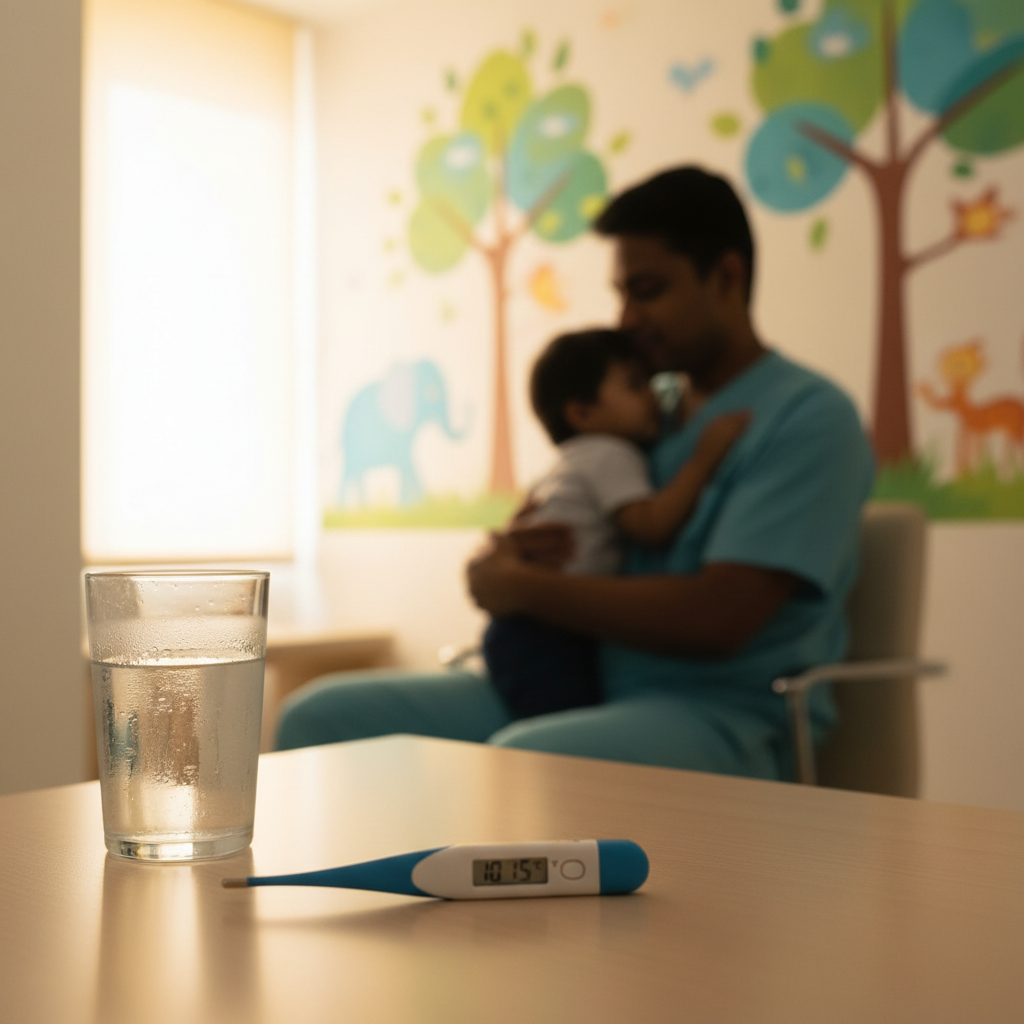
Fever in children is one of the most common reasons for hospital visits in India, often causing significant anxiety for parents. In our tropical climate at Sangareddy, fevers are frequently triggered by seasonal viral infections, mosquito-borne illnesses like Dengue or Malaria, and water-borne conditions such as Typhoid. While a fever is actually the body's natural way of fighting off germs, it requires careful monitoring to ensure the child stays hydrated and comfortable. Many Indian households encounter 'seasonal flus' during the monsoon and winter months, which can spread quickly in schools and playgrounds. Understanding that a fever is a symptom rather than a disease itself helps parents stay calm. At Sanjeevi Hospital, we focus on identifying the root cause while ensuring your little one receives the gentlest care possible. Early intervention and the right diagnostic approach are key to a quick recovery and preventing complications, ensuring your child returns to their playful self as soon as possible.
Symptoms to watch for
- Body temperature consistently above 100.4 degrees Fahrenheit (38 degrees Celsius).
- Increased irritability, fussiness, or crying more than usual in infants.
- Noticeable decrease in activity levels or appearing unusually tired and lethargic.
- Loss of appetite or refusing to drink milk, water, or electrolyte fluids.
- Complaints of body aches, headaches, or pain behind the eyes (common in Dengue).
- Flushed skin that feels hot to the touch, especially on the forehead and trunk.
- Shivering or 'chills' as the body temperature begins to rise rapidly.
- Excessive sweating as the fever breaks or fluctuates.
- Nausea, vomiting, or mild stomach discomfort alongside the temperature rise.
Causes & risk factors
- Common viral infections like the cold, flu, or seasonal respiratory viruses.
- Bacterial infections including throat infections (Streptococcal), ear infections, or urinary tract infections.
- Dengue fever and Malaria, which are prevalent in Telangana during and after monsoon seasons.
- Typhoid fever, often contracted through contaminated food or water sources.
- Normal inflammatory reactions following routine Indian Academy of Pediatrics (IAP) vaccinations.
- Heat exhaustion due to the intense summer temperatures common in the Sangareddy region.
- Teething in infants, though this typically causes only a very mild 'low-grade' warmth.
- Hand, Foot, and Mouth Disease, which is highly contagious among children in daycare or school settings.
Diagnosis
- Detailed physical examination including checking the throat, ears, and chest sounds.
- Complete Blood Count (CBC) to check for infection markers and platelet counts (crucial for Dengue).
- Rapid Diagnostic Tests for Malaria and Dengue (NS1 Antigen and IgM/IgG antibodies).
- Widal test or blood culture to accurately identify Typhoid fever bacteria.
- Urine routine and microscopy to rule out silent urinary tract infections in young children.
- Chest X-ray if the pediatrician suspects pneumonia or a deep-seated chest infection.
- C-Reactive Protein (CRP) test to measure the level of inflammation in the child's body.
Treatment options
Fever-Reducing Medication
Pediatrician-approved syrups or drops used to lower the body temperature and reduce discomfort; these never include aspirin for children.
Adequate Hydration Therapy
Encouraging frequent sips of water, ORS (Oral Rehydration Salts), tender coconut water, or buttermilk to prevent dehydration caused by sweating.
Tepid Sponging
Using a cloth dipped in room-temperature water to gently wipe the child's skin, helping to cool the body naturally without using ice-cold water.
Nutritional Support
Providing soft, easy-to-digest Indian meals like moong dal khichdi, curd rice, or mashed bananas to maintain strength during illness.
Antibiotic Therapy
Specific medicines prescribed only if the doctor confirms a bacterial infection like Typhoid or Strep throat; these are ineffective against viral fevers.
Hospital Observation and IV Fluids
In cases of severe vomiting or high-risk Dengue, the child may be admitted for intravenous fluids and 24/7 monitoring by our nursing staff.
When to see a doctor
Please seek immediate medical attention if your child has a fever and shows red flags such as a stiff neck, a rash that doesn't fade when pressed, or difficulty breathing. If your child is under three months old with any fever, or if an older child is inconsolable, extremely drowsy, or shows signs of dehydration like not passing urine for over 8 hours, come to Sanjeevi Hospital immediately. We are here to support you calmly through these stressful moments.
Prevention & self-care
- Ensure your child receives all age-appropriate vaccinations as per the IAP schedule.
- Practice frequent handwashing with soap, especially after playing outdoors and before eating.
- Use mosquito nets, window screens, and child-safe repellents to prevent Dengue and Malaria.
- Provide only boiled or RO-filtered water and avoid street food during the rainy season.
- Keep children away from crowded places during known local viral outbreaks or flu seasons.
- Teach kids to cover their mouths with their elbows when coughing or sneezing.
- Maintain a clean home environment, ensuring there is no stagnant water in coolers or pots where mosquitoes breed.
- Ensure the child gets plenty of sleep and a balanced diet to keep their immune system strong.
Related conditions
Newborn & Neonatal Care
Comprehensive care for newborns including feeding, jaundice and growth checks.
Childhood Immunization Schedule
Complete vaccination plan as per IAP guidelines, birth to adolescence.

Childhood Asthma
Wheezing, cough and breathlessness — inhaler-based long-term control.
Diarrhea & Dehydration
ORS, zinc therapy and when to bring your child to hospital.
Answers about Childhood Fever
Common questions about Childhood Fever — diagnosis, treatment and recovery at Sanjeevi Hospital, Sangareddy.