
Childhood Immunization Schedule
Complete vaccination plan as per IAP guidelines, birth to adolescence.
Overview
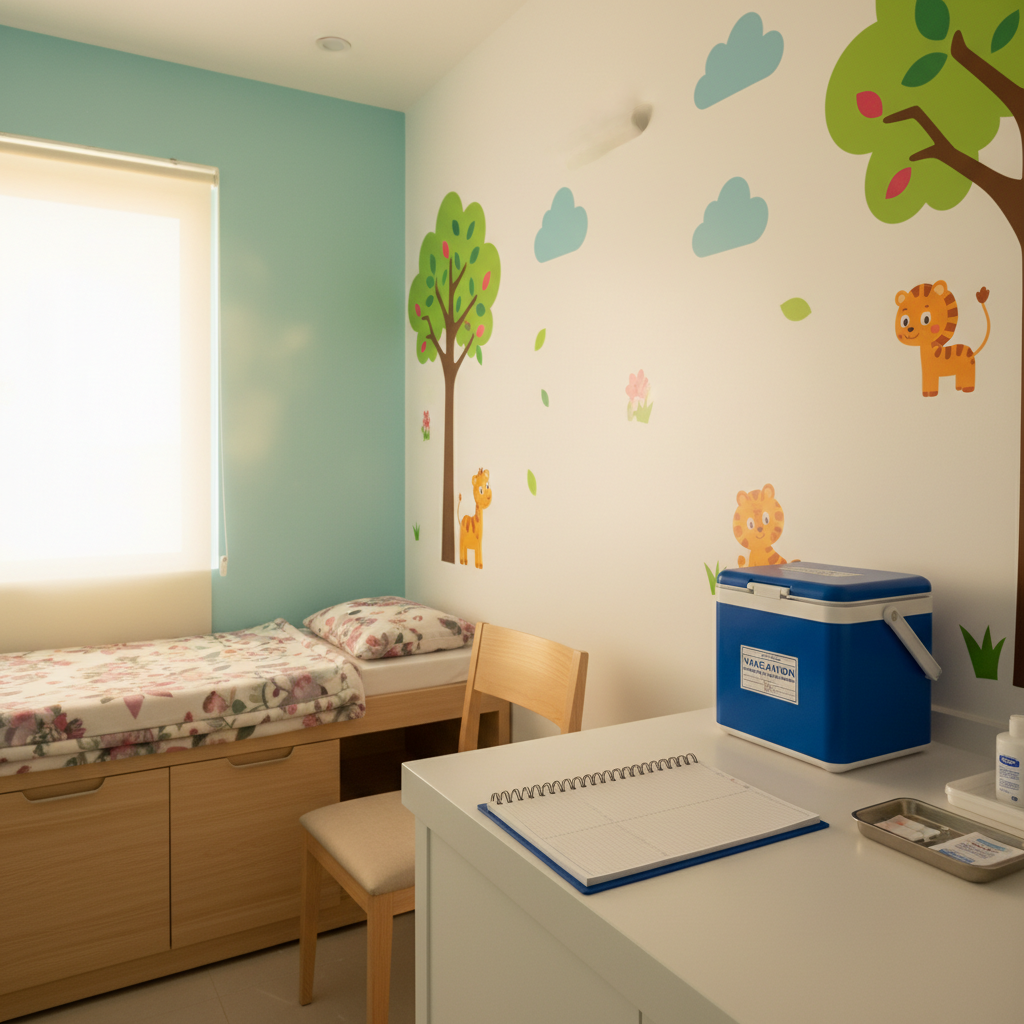
Immunization is one of the most effective ways to protect your child from life-threatening diseases. In India, the Indian Academy of Pediatrics (IAP) provides a comprehensive schedule that starts from the moment a baby is born and continues through adolescence. This schedule is designed to build a child’s immunity against illnesses like polio, tuberculosis, hepatitis, and measles, which were once very common across the country. At Sanjeevi Hospital in Sangareddy, we understand that as a parent, your child's health is your top priority. Following a structured vaccination plan not only protects your little one but also helps in creating a 'herd immunity' that protects the entire community. Our pediatrics department ensures that every vaccine is administered safely, following strict cold-chain protocols to maintain the vaccine's potency. By staying on track with these shots, you are giving your child a healthy foundation for a bright, illness-free future in our local environment.
Symptoms to watch for
- High fever often accompanied by shivering or chills
- Persistent coughing or difficulty in breathing normally
- Visible skin rashes or small red spots across the body
- Severe neck stiffness or unusual bulging of the soft spot on an infant's head
- Extreme fatigue, lethargy, or a child who is difficult to wake up
- Repeated vomiting or inability to keep fluids down
- Swelling in the neck glands or around the jaw area
- Muscle weakness or sudden loss of coordination in limbs
- Severe diarrhea leading to signs of dehydration like dry mouth
Causes & risk factors
- Exposure to dangerous bacteria such as Bordetella pertussis or Tetanus
- Viral infections spread through air droplets from coughing or sneezing
- Contaminated food or water carrying viruses like Hepatitis A
- Lack of natural immunity against localized Indian tropical diseases
- Missing scheduled booster doses which weakens long-term protection
- Close contact with infected individuals in crowded public spaces
- Environmental factors where sanitation may be compromised
- Waning maternal antibodies as the infant grows older
Diagnosis
- Review of the Comprehensive Mother and Child Tracking System (MCTS) card
- Physical examination by a pediatrician to check growth milestones
- Blood tests to check for existing antibody levels if history is unknown
- Assessment of previous vaccination records and missed doses
- Symptom-based evaluation during routine wellness check-ups
- Consultation regarding travel history or local disease outbreaks
- Screening for any underlying allergies before administering specific shots
Treatment options
Birth Vaccinations (BCG, OPV, Hep-B)
Administered within the first 24 hours to protect against tuberculosis, polio, and hepatitis B, providing a vital shield right from the start of life.
Primary Series (6, 10, 14 Weeks)
A series of combination vaccines including DTP, Hib, IPV, and Rotavirus to protect against multiple infections like diphtheria, whooping cough, and severe diarrhea.
Flu Vaccination (Annual)
Yearly influenza shots are recommended to protect children from seasonal flu strains which are common during the monsoon and winter seasons in Telangana.
MMR and Varicella Doses
Given around 9 to 15 months to prevent Measles, Mumps, Rubella, and Chickenpox, which are highly contagious among school-going children.
Typhoid Conjugate Vaccine
A crucial vaccine in the Indian context given after 6 months of age to prevent typhoid fever caused by contaminated food and water.
Booster Doses (1.5 - 5 Years)
Secondary doses of DTP and Polio given to reinforce the immune system as the initial protection begins to fade over time.
Adolescent Vaccines (Tdap, HPV)
Specialized vaccines for older children and teens to protect against tetanus, diphtheria, and the Human Papillomavirus, ensuring health through puberty.
Catch-up Immunization
A customized schedule for children who have missed their routine shots, ensuring they receive the necessary protection regardless of the delay.
When to see a doctor
While mild redness or a low-grade fever is normal after a vaccination, you should contact Sanjeevi Hospital immediately if your child experiences a high fever over 102°F, persistent crying for more than three hours, or any signs of an allergic reaction like hives or swelling of the face. If your child seems unusually drowsy or has a seizure, please bring them to our 24/7 pediatric emergency department. We are here to support you and ensure your child stays safe and comfortable throughout their immunization journey.
Prevention & self-care
- Maintain a digital or physical copy of the vaccination card at all times
- Schedule the next appointment before leaving the hospital after a shot
- Ensure breastfeeding continues as it provides natural antibodies to infants
- Wash hands regularly with soap to reduce the spread of germs at home
- Avoid crowded places with newborns until they receive their first few sets of shots
- Provide a balanced diet rich in local fruits and vegetables to support the immune system
- Keep the injection site clean and avoid applying home remedies like oils or pastes
- Follow the pediatrician's advice on managing mild post-vaccination fever
Related conditions
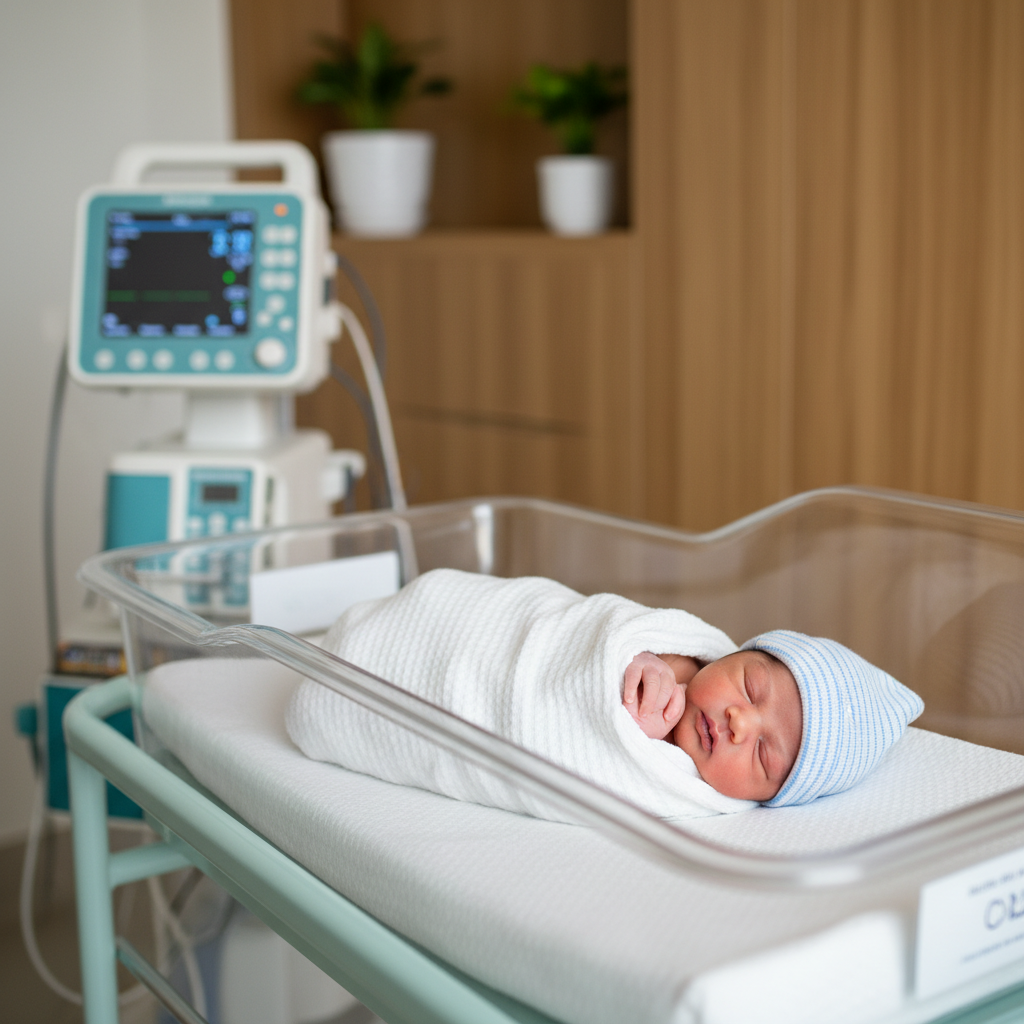
Newborn & Neonatal Care
Comprehensive care for newborns including feeding, jaundice and growth checks.

Childhood Asthma
Wheezing, cough and breathlessness — inhaler-based long-term control.
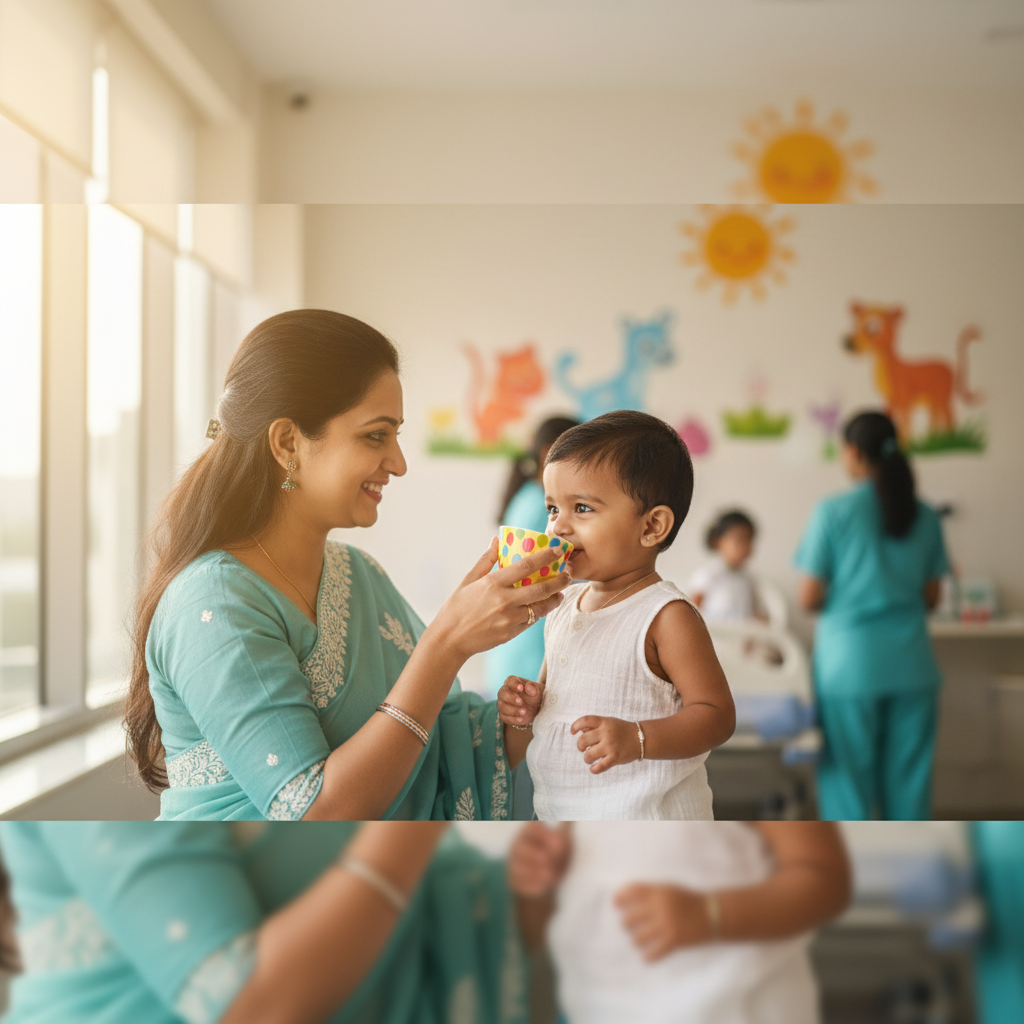
Diarrhea & Dehydration
ORS, zinc therapy and when to bring your child to hospital.

Growth & Nutrition
Tracking height, weight and milestones; nutrition advice for picky eaters.
Answers about Childhood Immunization Schedule
Common questions about Childhood Immunization Schedule — diagnosis, treatment and recovery at Sanjeevi Hospital, Sangareddy.