
Childhood Asthma
Wheezing, cough and breathlessness — inhaler-based long-term control.

Overview
Childhood asthma is a chronic respiratory condition where the airways in the lungs become inflamed and swollen, making it difficult for a child to breathe. In India, factors like seasonal changes, dust, and rising urban pollution have made asthma increasingly common among children. It is not just a simple cough; it is a sensitive response of the immune system to certain triggers. While it cannot be 'cured' in the traditional sense, it can be managed so effectively that your child can lead a completely normal, active life, participating in sports and school without restriction. At Sanjeevi Hospital, we understand that watching your child struggle for breath is stressful for any parent. Our goal is to provide a clear roadmap for management, focusing on reducing lung inflammation and preventing sudden attacks through consistent, gentle care and the latest medical guidelines followed by pediatricians across India.
Symptoms to watch for
- Frequent coughing spells that often worsen during nighttime or early morning hours.
- A whistling or wheezing sound when your child breathes out.
- Shortness of breath or rapid breathing that seems unusual for their activity level.
- Chest tightness or a feeling of discomfort that a child might describe as a 'heavy chest'.
- General tiredness or reduced energy levels during physical play or exercise.
- Tightened neck and chest muscles during breathing episodes.
- Symptoms that linger or worsen after a common cold or a viral infection.
- Difficulty sleeping caused by shortness of breath or persistent coughing.
- A lingering dry cough that does not produce phlegm and lasts for several weeks.
Causes & risk factors
- Genetic predisposition or a family history of asthma, hay fever, or skin allergies.
- Exposure to allergens such as house dust mites, pet dander, or pollen from local flora.
- Environmental irritants including cigarette smoke, incense stick (agarbatti) smoke, and vehicle exhaust.
- Frequent respiratory infections like the common cold or flu during early childhood.
- Changes in weather, especially exposure to cold air or high humidity during monsoon.
- Physical exertion or exercise that triggers airway narrowing in sensitive children.
- Strong odors from perfumes, cleaning chemicals, or cooking spices like 'tadka'.
- Emotional factors like extreme laughing or crying which can affect breathing patterns.
Diagnosis
- A detailed medical history review focusing on the timing and triggers of symptoms.
- Thorough physical examination of the chest and upper respiratory tract by a pediatrician.
- Spirometry or lung function tests for children over five to measure airflow speed.
- Peak flow meter monitoring to track daily changes in the child's breathing capacity.
- Allergy skin testing or blood tests to identify specific environmental triggers.
- Chest X-rays to rule out other conditions like pneumonia or foreign body inhalation.
- Trial of asthma medications to see if symptoms improve significantly after use.
Treatment options
Controller Medications (Preventers)
Daily medications, usually low-dose inhaled corticosteroids, that reduce swelling in the airways to prevent symptoms from starting.
Quick-Relief Inhalers (Rescuers)
Short-acting medicines used during an active asthma flare-up to quickly open narrowed airways and restore normal breathing.
Nebulization Therapy
A machine that converts liquid medicine into a fine mist, making it easier for infants or distressed children to inhale the medication through a mask.
Leukotriene Modifiers
Oral medications that help block chemicals in the body that cause airway inflammation and mucus production.
Inhaler Spacer Devices
Attached to inhalers, these chambers help ensures the medicine reaches deep into the lungs rather than sticking to the back of the throat.
Personalized Asthma Action Plan
A written guide provided by our doctors detailing daily care, how to handle worsening symptoms, and when to seek emergency help.
When to see a doctor
Please seek medical attention immediately if you notice your child is struggling to catch their breath, using their ribs or neck muscles to breathe, or if their fingernails or lips appear dusky or blue. If a quick-relief inhaler does not provide improvement within fifteen minutes, or if the child is too breathless to speak in full sentences, it is an emergency. At Sanjeevi Hospital, we recommend a consultation if a cough lasts more than three weeks or if symptoms frequently wake your child at night. Early intervention ensures your child’s lungs develop healthily without permanent scarring.
Prevention & self-care
- Keep your home environment as dust-free as possible by using damp mops rather than dry brooms.
- Ensure no one smokes near the child or inside the home to maintain lung health.
- Identify and minimize exposure to known triggers like strong perfumes or furry pets.
- Encourage annual flu vaccinations and keep the child's immunization schedule up to date.
- Maintain a healthy diet rich in fruits and vegetables to support the child's immune system.
- Use a humidifier or air purifier if recommended, especially during high-pollution days in Sangareddy.
- Teach your child hand-washing habits to reduce the risk of viral infections that trigger asthma.
- Ensure the child stays hydrated and stays indoors during times of extreme cold or heavy smog.
Related conditions
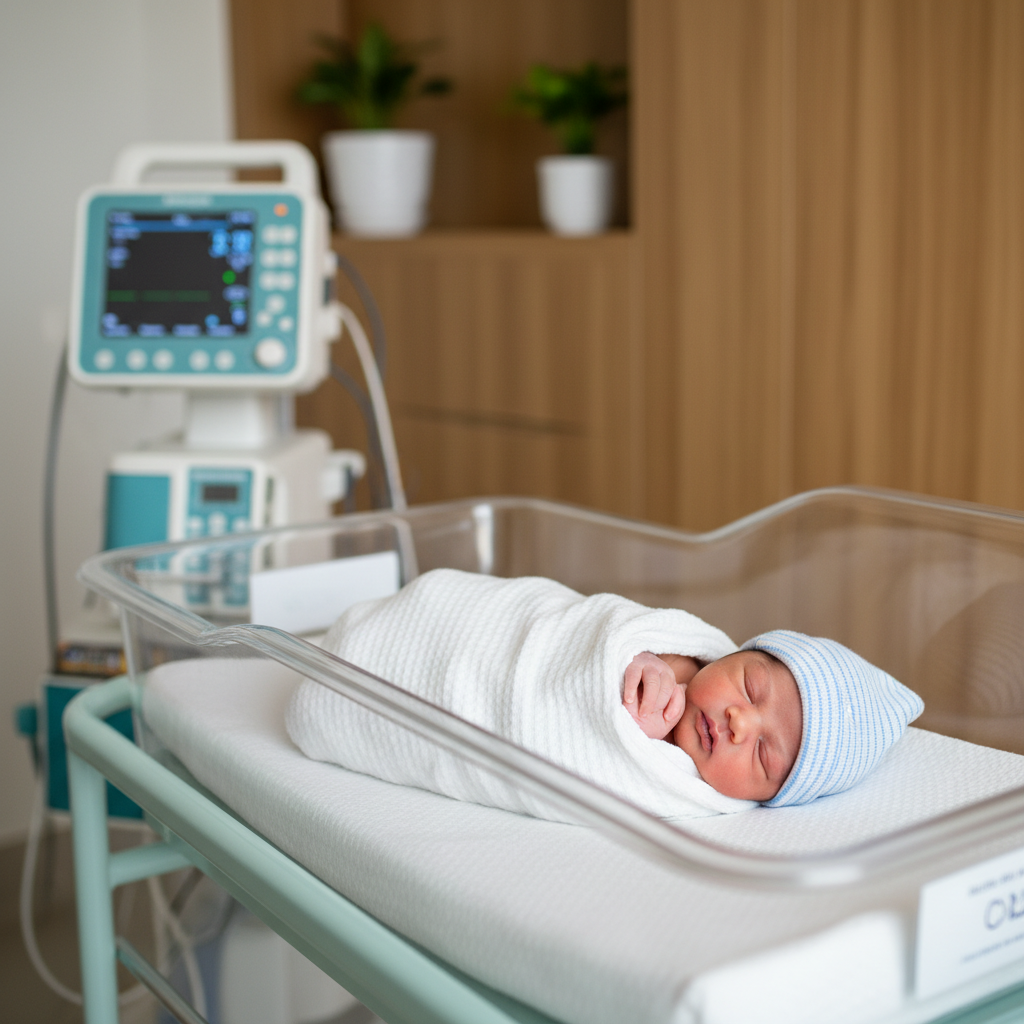
Newborn & Neonatal Care
Comprehensive care for newborns including feeding, jaundice and growth checks.
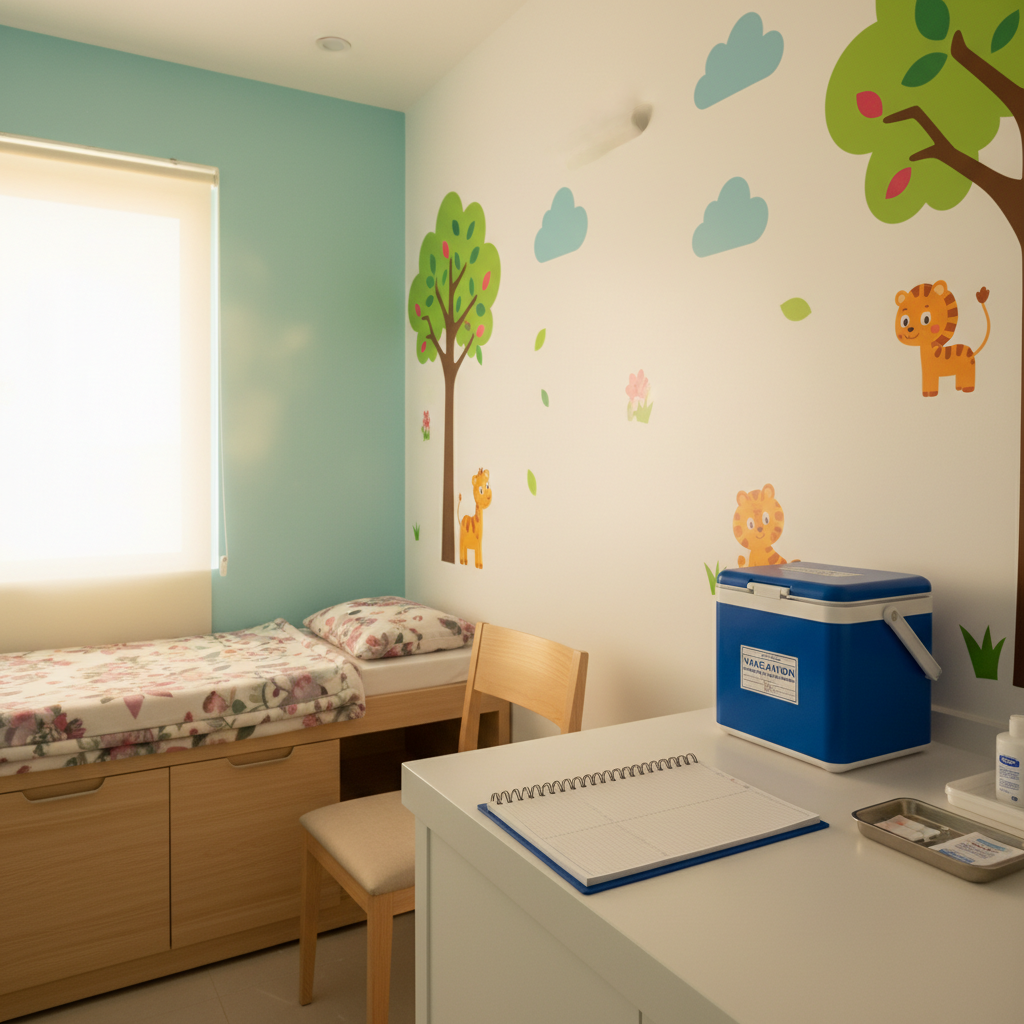
Childhood Immunization Schedule
Complete vaccination plan as per IAP guidelines, birth to adolescence.

Diarrhea & Dehydration
ORS, zinc therapy and when to bring your child to hospital.

Growth & Nutrition
Tracking height, weight and milestones; nutrition advice for picky eaters.

Answers about Childhood Asthma
Common questions about Childhood Asthma — diagnosis, treatment and recovery at Sanjeevi Hospital, Sangareddy.