
Pediatric Allergies
Food, dust and skin allergies in children — testing and treatment.
Overview
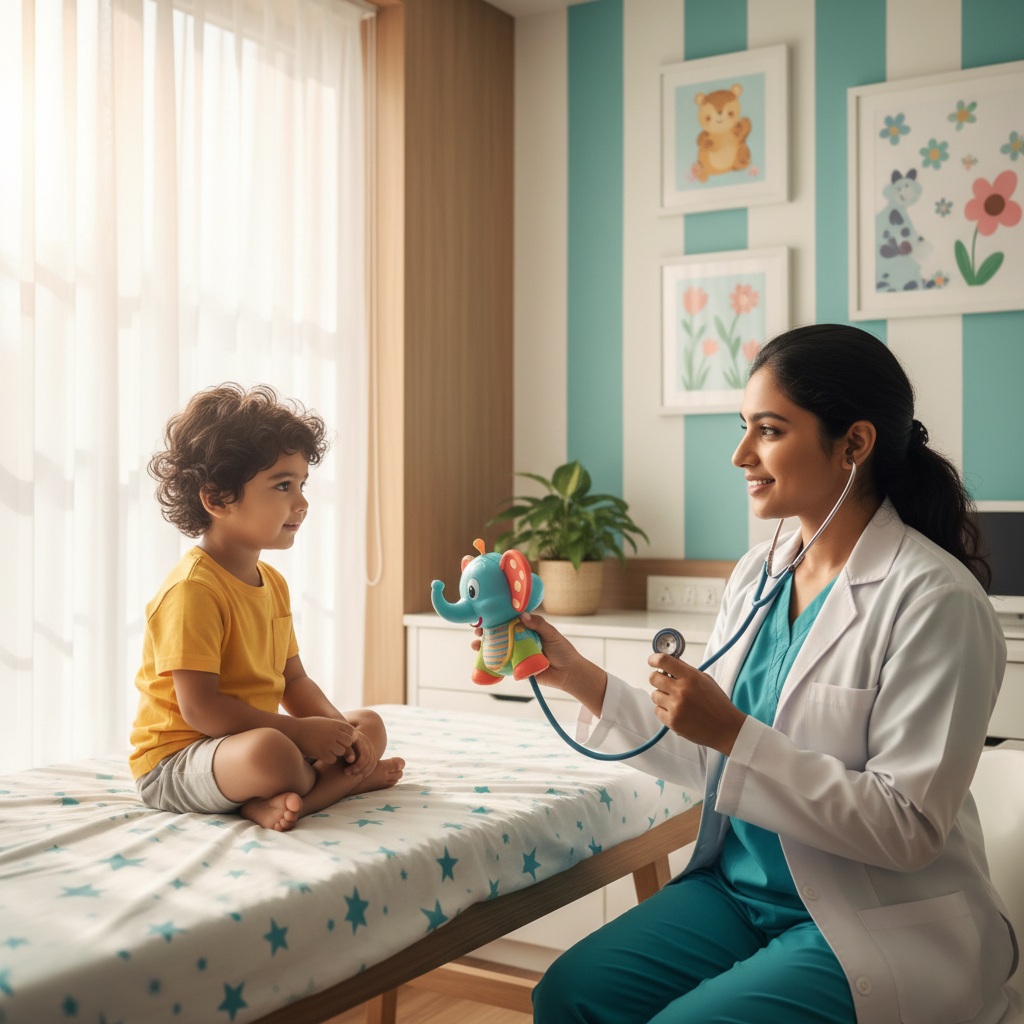
Pediatric allergies occur when your child's immune system reacts strongly to substances that are usually harmless, such as dust, pollen, or certain foods. In the Indian context, these are becoming increasingly common due to changing dietary habits, urban pollution, and indoor allergens like dust mites. At Sanjeevi Hospital in Sangareddy, we understand that an allergy is more than just a sneeze; it can affect your child's sleep, concentration at school, and overall growth. Common triggers in our region include seasonal pollen, pet dander, and specific food items like peanuts, cow's milk, or wheat. While allergies are a lifelong tendency for some, most children can lead perfectly normal, active lives with the right diagnosis and management plan. Understanding the difference between a simple cold and an allergic reaction is the first step toward ensuring your child remains healthy, happy, and energetic throughout their growing years.
Symptoms to watch for
- Frequent sneezing and a runny or itchy nose (often mistaken for a cold).
- Red, itchy, or watery eyes that the child rubs frequently.
- Chronic coughing or a whistling sound (wheezing) while breathing.
- Skin rashes, hives, or dry, itchy patches known as eczema.
- Stomach pain, bloating, or diarrhea shortly after eating specific foods.
- Swelling of the lips, tongue, or face after exposure to a trigger.
- Constant fatigue or irritability due to poor sleep from nasal congestion.
- Dark circles under the eyes, often called allergic shiners.
- A persistent itchy throat or clear liquid drainage from the nose.
Causes & risk factors
- Indoor allergens like dust mites found in carpets, pillows, and soft toys.
- Outdoor triggers such as pollen from local trees, grasses, and weeds.
- Protein triggers in foods like cow's milk, eggs, soy, wheat, and nuts.
- Dander from pets like cats or dogs, even if the pet is not in the same room.
- Environmental pollutants and smoke, including secondary cigarette smoke.
- Molds and fungi that thrive in damp areas or during the monsoon season.
- Family history or genetic predisposition to allergic conditions like asthma.
- Stings or bites from insects such as bees, wasps, or ants.
Diagnosis
- Detailed medical history and discussion of the child's daily environment.
- Skin Prick Testing (SPT) to identify immediate reactions to specific allergens.
- Blood tests (Specific IgE) to measure the immune system's response to triggers.
- Patch testing for delayed skin reactions or contact dermatitis.
- Elimination diets to systematically identify problematic food items.
- Lung function tests (Spirometry) for children with respiratory symptoms.
- Physical examination focusing on the nose, throat, and skin health.
Treatment options
Allergen Avoidance
Identifying and removing the specific trigger from the child's environment is the most effective first step in management.
Antihistamine Medications
Safe oral liquids or tablets that help reduce symptoms like itching, sneezing, and runny noses by blocking histamine.
Nasal Corticosteroid Sprays
Medicated sprays that reduce inflammation in the nasal passages to help your child breathe more comfortably at night.
Topical Emollients and Ointments
Special medical-grade creams used to soothe itchy skin and restore the natural barrier in children with eczema.
Immunotherapy (Allergy Shots/Drops)
A long-term treatment that involves giving tiny amounts of an allergen to gradually desensitize the child's immune system.
Epinephrine Auto-injectors
Emergency medication provided to parents of children with severe, life-threatening allergies to ensure immediate safety.
Bronchodilators
Inhaled medications that help open up the airways quickly if an allergy triggers asthma-like coughing or wheezing.
Dietary Counseling
Personalized nutrition plans to ensure children with food allergies still get all necessary nutrients for healthy growth.
When to see a doctor
It is important to seek medical advice if your child’s symptoms interfere with their sleep, schoolwork, or play. While many allergies are mild, you should consult Sanjeevi Hospital immediately if you notice sudden swelling of the face, difficulty breathing, a rapid pulse, or if your child feels faint. These can be signs of a severe reaction. Early intervention helps prevent complications like chronic sinus infections or ear infections, ensuring your child stays on track with their development and remains comfortable daily.
Prevention & self-care
- Use allergen-proof covers on pillows and mattresses to minimize dust mite exposure.
- Keep windows closed during high pollen seasons or on very windy days.
- Wash bedsheets and curtains in hot water at least once a week to kill allergens.
- Maintain a smoke-free environment at home and in the car at all times.
- Introduce common allergenic foods to infants according to IAP guidelines and doctor advice.
- Bathe your child after they have been playing outdoors to wash away pollen.
- Keep indoor humidity low to prevent the growth of mold in bathrooms or kitchens.
- Provide a balanced diet rich in local fruits and vegetables to support a healthy immune system.
Related conditions
Newborn & Neonatal Care
Comprehensive care for newborns including feeding, jaundice and growth checks.
Childhood Immunization Schedule
Complete vaccination plan as per IAP guidelines, birth to adolescence.
Childhood Asthma
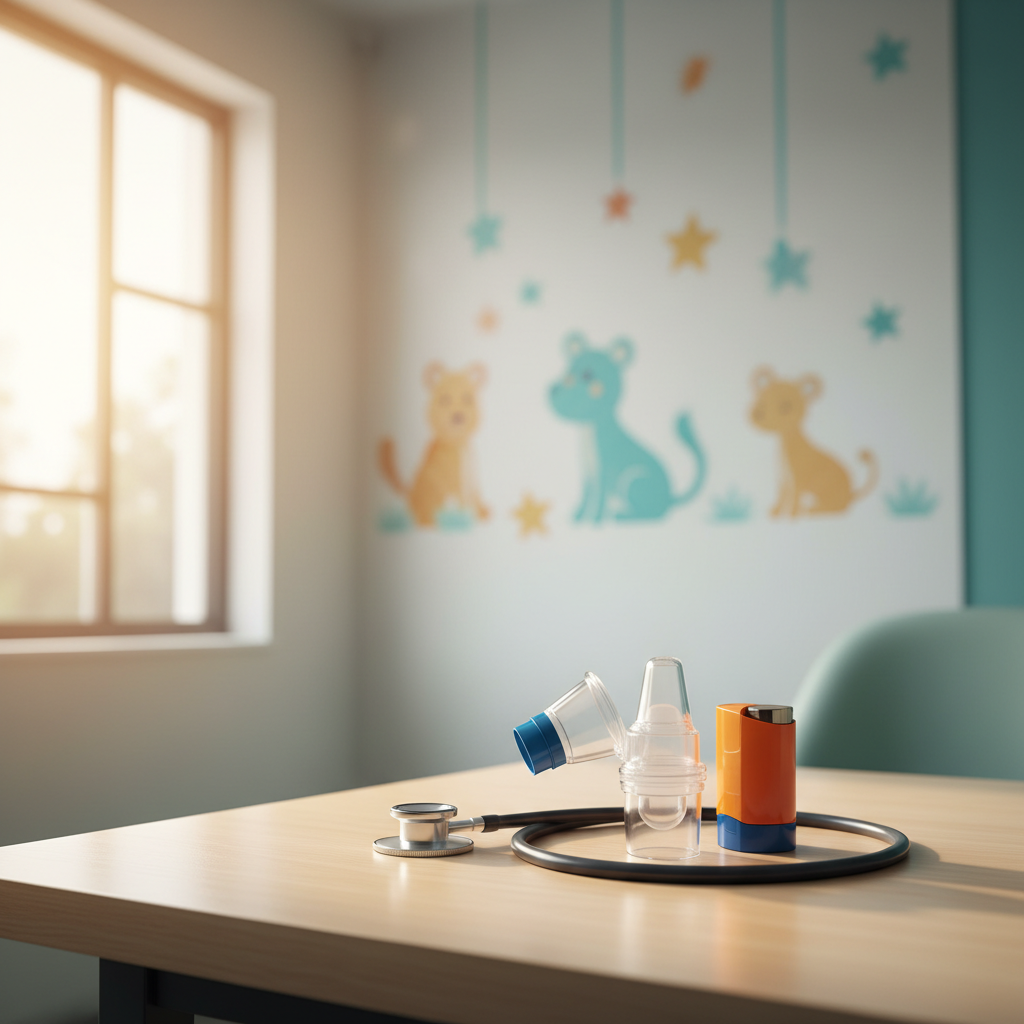
Wheezing, cough and breathlessness — inhaler-based long-term control.
Diarrhea & Dehydration
ORS, zinc therapy and when to bring your child to hospital.

Answers about Pediatric Allergies
Common questions about Pediatric Allergies — diagnosis, treatment and recovery at Sanjeevi Hospital, Sangareddy.