
Cervical Cancer Screening
Pap smear, HPV testing and HPV vaccination guidance.
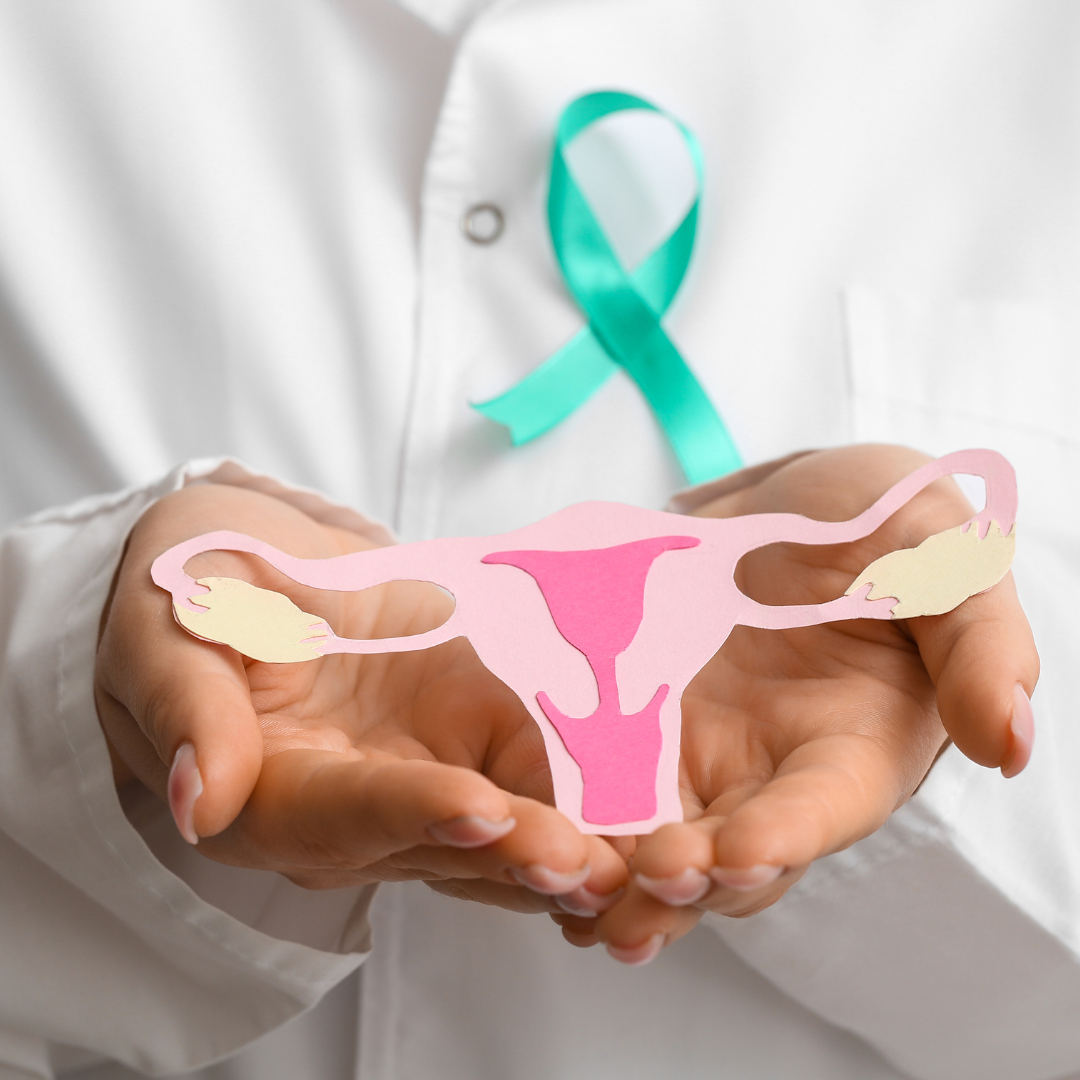
Overview
Cervical cancer is a significant health concern for women across India, often being one of the most common cancers detected in our female population. It involves the growth of abnormal cells in the cervix, which is the lower part of the uterus that connects to the birth canal. The good news is that cervical cancer is highly preventable and manageable when caught early through regular screening methods like Pap smears and HPV testing. Because early-stage cervical cancer often shows no symptoms at all, these tests are lifesaving tools that allow doctors to find changes before they even become cancerous. At Sanjeevi Hospital in Sangareddy, we prioritize women's health by following Indian Council of Medical Research (ICMR) guidelines to offer comprehensive screening. By taking just a few minutes for a check-up, you can ensure long-term peace of mind and health for yourself and your family. Early detection truly saves lives and simplifies the path to recovery.
Symptoms to watch for
- Unexpected spotting or bleeding between your regular menstrual cycles.
- Unusual or heavy vaginal discharge that may have an unpleasant odor.
- Pain or discomfort during or immediately after physical intimacy.
- Menstrual periods that are noticeably longer or heavier than your normal pattern.
- Vaginal bleeding even after you have already reached menopause.
- Persistent pain in the pelvic region or lower back that does not go away.
- Unexplained weight loss or a constant feeling of tiredness and fatigue.
- Swelling in the legs or difficulty during urination in more advanced stages.
- A general feeling of pressure or a dull ache in the lower abdomen.
Causes & risk factors
- Persistent infection with High-Risk Human Papillomavirus (HPV) through skin contact.
- Starting a family or becoming sexually active at a very young age.
- Having a weakened immune system due to other health conditions or medications.
- Long-term use of oral contraceptive pills without regular medical supervision.
- Exposure to tobacco smoke or a history of frequent smoking habits.
- A history of multiple pregnancies which may increase cervical vulnerability.
- Lack of regular screening tests which allows minor cell changes to progress.
- Poor nutritional status, specifically a diet low in essential fruits and vegetables.
Diagnosis
- Pap Smear Test: A simple procedure where cells are gently collected from the cervix.
- HPV DNA Testing: A laboratory test to check for the presence of high-risk virus types.
- Colposcopy: Using a special magnifying instrument to look closely at the cervical tissue.
- Cervical Biopsy: Taking a very small tissue sample if abnormal cells are seen during a scan.
- Liquid-Based Cytology (LBC): An advanced way of preparing Pap samples for better accuracy.
- VIA/VILI: Visual inspection using specialized liquids widely used in Indian screening programs.
- Pelvic Examination: A physical check of the reproductive organs by a gynecologist.
Treatment options
Routine Monitoring
If screening shows very mild changes, our specialists may recommend frequent follow-up tests to see if the body clears the infection naturally.
Cryotherapy
A gentle procedure that uses extreme cold to freeze and remove abnormal cells from the cervix before they turn into cancer.
LEEP (Loop Electrosurgical Excision Procedure)
A thin wire loop with a low-voltage electrical current is used to precisely remove abnormal tissue while preserving healthy parts of the cervix.
Laser Surgery
Using a focused beam of light to vaporize or remove abnormal cell growth with high precision and minimal discomfort.
Cold Knife Conization
A minor surgical procedure where a cone-shaped piece of abnormal tissue is removed for both treatment and detailed laboratory analysis.
HPV Vaccination Guidance
Providing the vaccine to eligible girls and young women to prevent the primary viral causes of cervical cancer in the future.
Hysterectomy Consultation
In specific cases where precancerous cells are persistent, our surgeons discuss the option of removing the uterus to ensure total safety.
Multidisciplinary Care Coordination
Working with oncologists to provide integrated care plans if screenings indicate the need for more advanced medical interventions.
When to see a doctor
Please do not wait for pain to appear before visiting us. It is vital to consult our gynecologists at Sanjeevi Hospital if you notice any unusual bleeding, especially after menopause or between periods. We understand these topics can feel private, but our team provides a supportive, gentle environment to discuss your concerns. Early consultation is the most effective way to ensure that any small issues are corrected quickly and safely, keeping you healthy for your loved ones.
Prevention & self-care
- Get vaccinated against HPV, ideally between the ages of 9 and 26 as per IAP guidelines.
- Schedule your first Pap smear by age 21 or 25, or as recommended by your doctor.
- Maintain a healthy diet rich in antioxidants, vitamins, and local Indian seasonal fruits.
- Avoid the use of tobacco products and limit exposure to secondhand smoke.
- Practice safe physical intimacy and use protection to reduce the risk of viral transmission.
- Limit the number of pregnancies and ensure proper spacing between births for cervical health.
- Ensure regular gynecological check-ups even if you feel perfectly healthy and fine.
- Maintain good menstrual hygiene and use clean, safe products during your cycle.
Related conditions
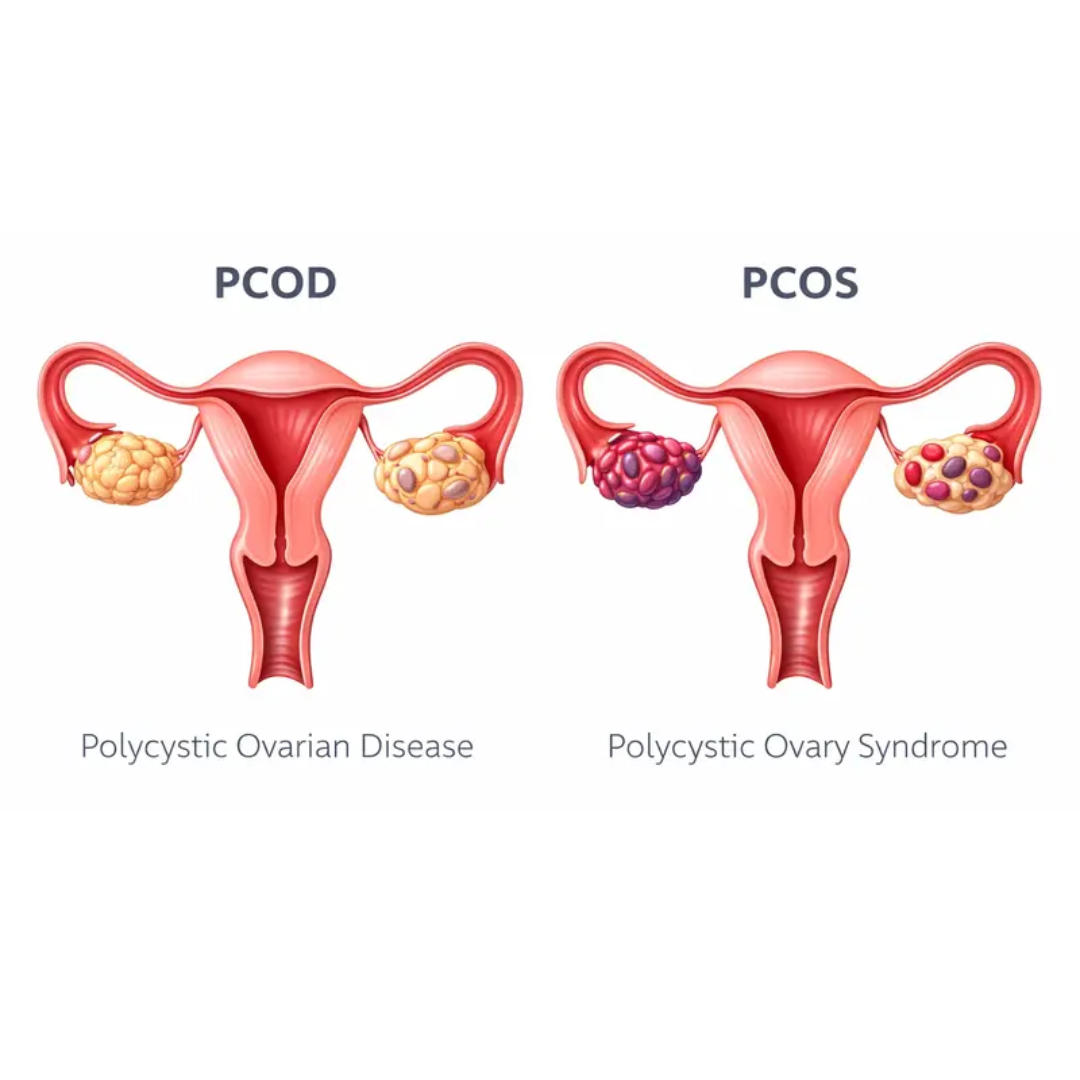
PCOS / PCOD
Hormonal imbalance, irregular cycles, weight gain — lifestyle and medical treatment.
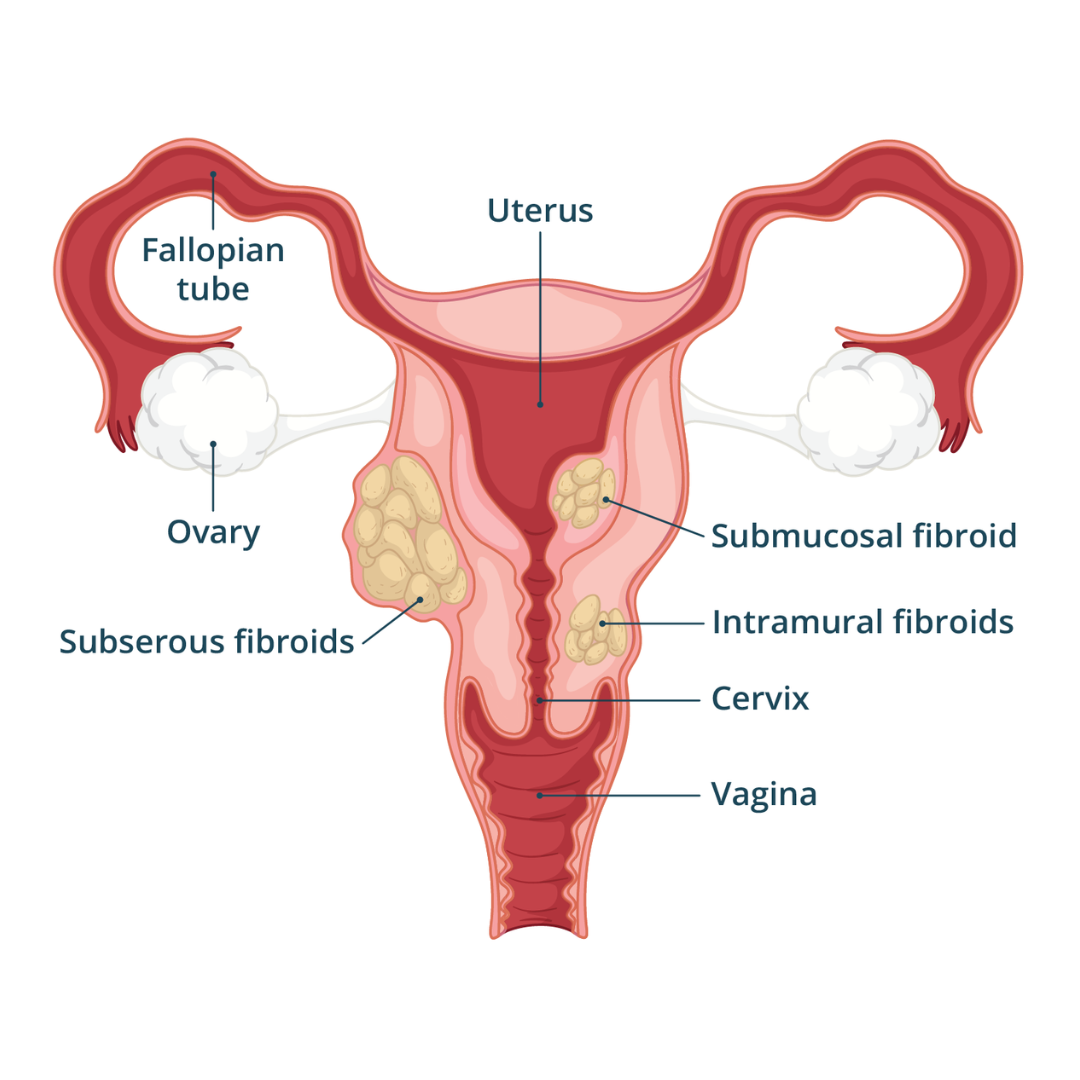
Uterine Fibroids
Heavy periods and pelvic pressure — medication, myomectomy and hysterectomy.
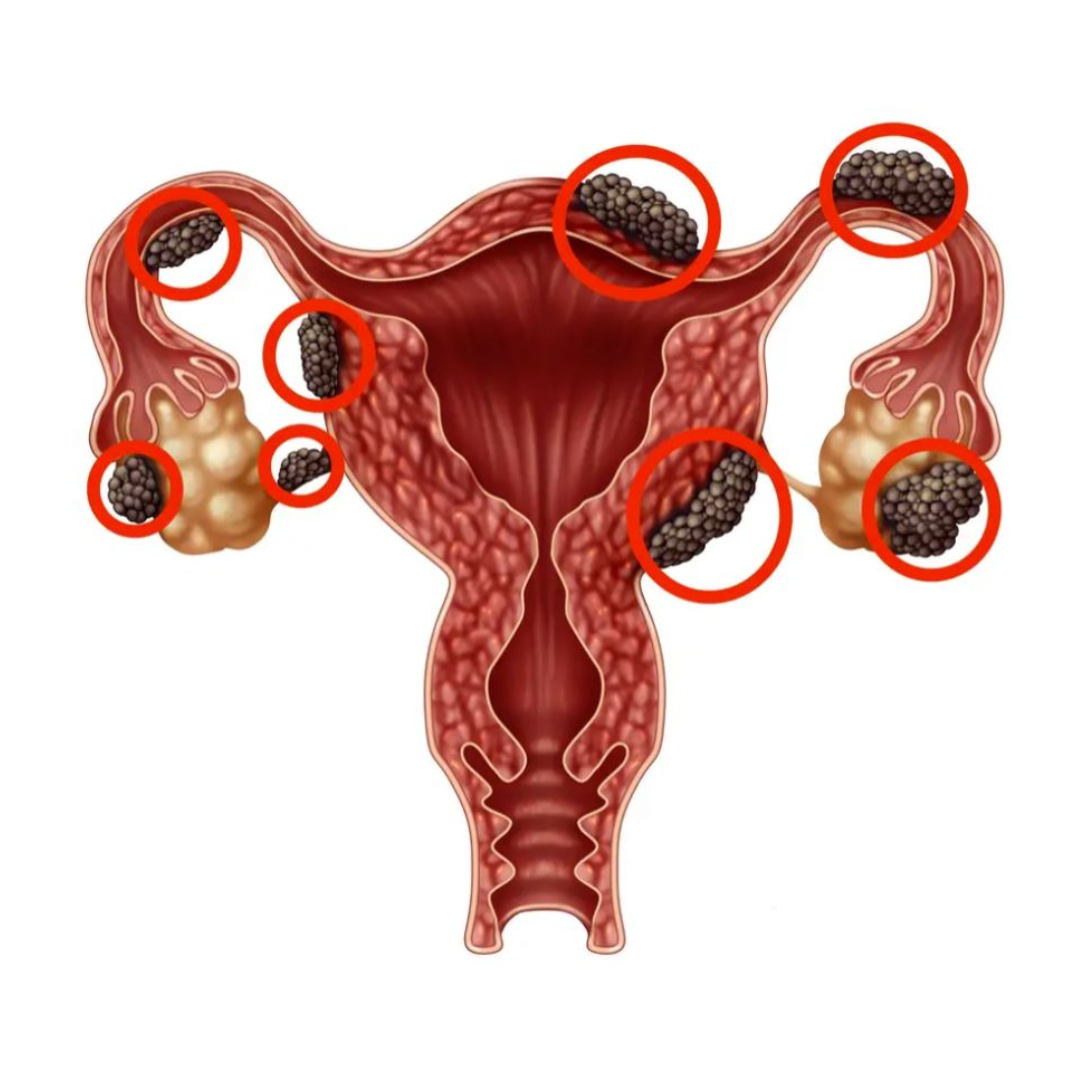
Endometriosis
Painful periods and pelvic pain — laparoscopic diagnosis and treatment.

Female Infertility
Evaluation, ovulation induction and fertility-enhancing treatments.
Answers about Cervical Cancer Screening
Common questions about Cervical Cancer Screening — diagnosis, treatment and recovery at Sanjeevi Hospital, Sangareddy.