
High-Risk Pregnancy
Specialist antenatal care for diabetes, hypertension and twin pregnancies.

Overview
A high-risk pregnancy refers to a condition where a mother or her baby has an increased chance of health complications before, during, or after delivery. In the vibrant community of Sangareddy and across India, high-risk pregnancies are becoming increasingly common due to factors like late-age marriages, rising cases of gestational diabetes, and pregnancy-induced hypertension. While the term 'high-risk' might sound intimidating, it simply means that you and your little one require extra monitoring and a more personalized care plan to ensure a healthy outcome. At Sanjeevi Hospital, we view a high-risk pregnancy as an opportunity to provide specialized, detail-oriented prenatal care. With India's unique dietary patterns and lifestyle challenges, managing conditions like anemia or thyroid imbalances is crucial. Our goal is to use modern medical science and empathetic support to guide you through this delicate journey, ensuring that every mother feels empowered, informed, and safe as she prepares to welcome a new life into the world.
Symptoms to watch for
- Severe or persistent headaches that do not go away with rest
- Blurry vision, seeing spots, or sudden changes in your eyesight
- Sudden and excessive swelling in the hands, face, or feet (edema)
- Fever above 100.4 degrees Fahrenheit or frequent chills
- A noticeable decrease in the baby's movements or kicking patterns
- Sudden vaginal bleeding or unusual fluid leaking
- Severe pain or cramping in the lower abdomen or pelvic area
- Persistent nausea and vomiting that prevents you from eating or drinking
- Burning sensation during urination or frequent painful urges
Causes & risk factors
- Maternal age, specifically being under 17 or over 35 years old
- Pre-existing health conditions like chronic high blood pressure or heart disease
- Gestational diabetes or pre-existing Type 1 or Type 2 diabetes
- Being pregnant with multiples, such as twins, triplets, or more
- History of previous pregnancy complications like preterm labor or preeclampsia
- Lifestyle factors including sedentary habits or nutritional deficiencies like anemia
- Autoimmune diseases such as Lupus or thyroid disorders
- Uterine abnormalities or a history of multiple fibroids
Diagnosis
- Targeted Ultrasound (Level II Scan) to check the baby’s organ development
- Non-Stress Test (NST) to monitor the baby's heart rate in response to movement
- Biophysical Profile (BPP) combining ultrasound and heart rate monitoring
- Glucose Challenge and Tolerance Tests for gestational diabetes screening
- Regular blood pressure monitoring and urine protein analysis
- Amniocentesis or Chorionic Villus Sampling (CVS) if genetic concerns exist
- Routine blood work to check hemoglobin levels and infection markers
Treatment options
Frequent Antenatal Monitoring
This involves more regular check-ups and ultrasounds to closely track the baby's growth and the mother's vital signs, allowing for early detection of potential issues.
Blood Sugar Management
For mothers with gestational diabetes, our team provides personalized meal plans focusing on Indian diets and monitors glucose levels to keep them within a safe range.
Hypertension Control
We use safe, pregnancy-approved medications and dietary adjustments to manage high blood pressure, preventing complications like preeclampsia.
Bed Rest and Activity Modification
In cases of a weak cervix or risk of preterm labor, doctors may recommend specific periods of rest or physical restrictions to reduce pressure on the uterus.
Corticosteroid Injections
If there is a high risk of early delivery, medicine may be given to the mother to help speed up the development of the baby's lungs and other organs.
Cervical Cerclage
A minor surgical procedure where the cervix is stitched closed to provide extra support for mothers diagnosed with a short or incompetent cervix.
Specialized Nutritional Therapy
Working with our dietitians to manage iron-deficiency anemia or obesity through Iron-rich Indian foods and controlled weight-gain strategies.
Management of Multiple Gestations
A specific protocol for twin or triplet pregnancies that includes extra scans and early planning for safe delivery timing.
When to see a doctor
It is vital to listen to your body and trust your instincts. If you experience sudden, sharp abdominal pain, a sudden gush of fluid, or a noticeable drop in your baby's movements, please do not wait for your next appointment. These could be signs that you or your baby need immediate medical attention. We are here to support you with an empathetic ear and expert care; never feel that a concern is too small to mention to our team.
Prevention & self-care
- Schedule a pre-conception check-up to identify risk factors early
- Maintain a healthy weight through balanced nutrition and light exercise
- Take prescribed folic acid and iron supplements regularly as advised
- Stay hydrated and avoid excessive salt intake to help manage blood pressure
- Attend every single scheduled prenatal visit at Sanjeevi Hospital
- Keep a daily log of 'kick counts' as instructed by your obstetrician
- Avoid stress through relaxation techniques like meditation or light Yoga
- Ensure all underlying conditions like thyroid or diabetes are well-controlled
Related conditions
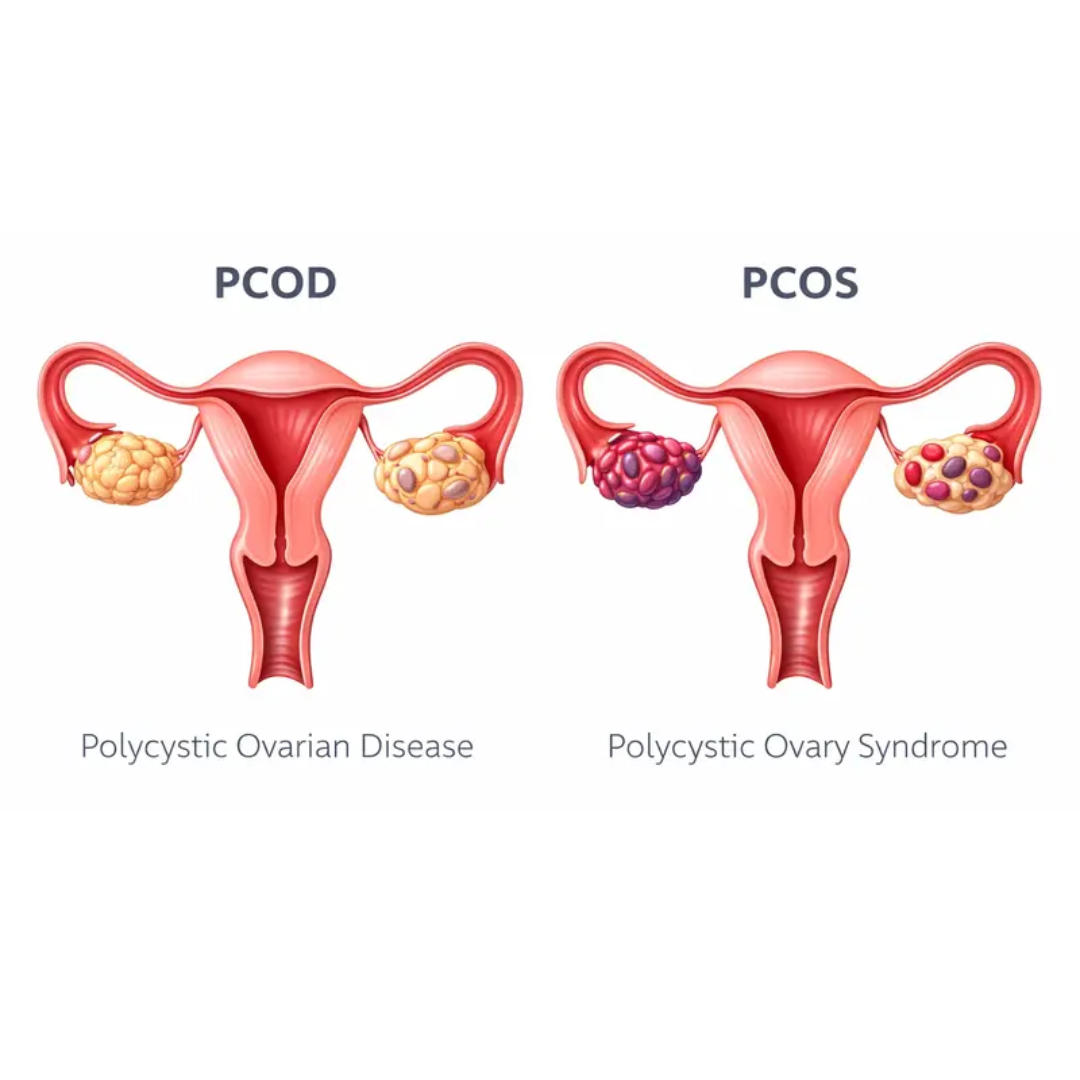
PCOS / PCOD
Hormonal imbalance, irregular cycles, weight gain — lifestyle and medical treatment.
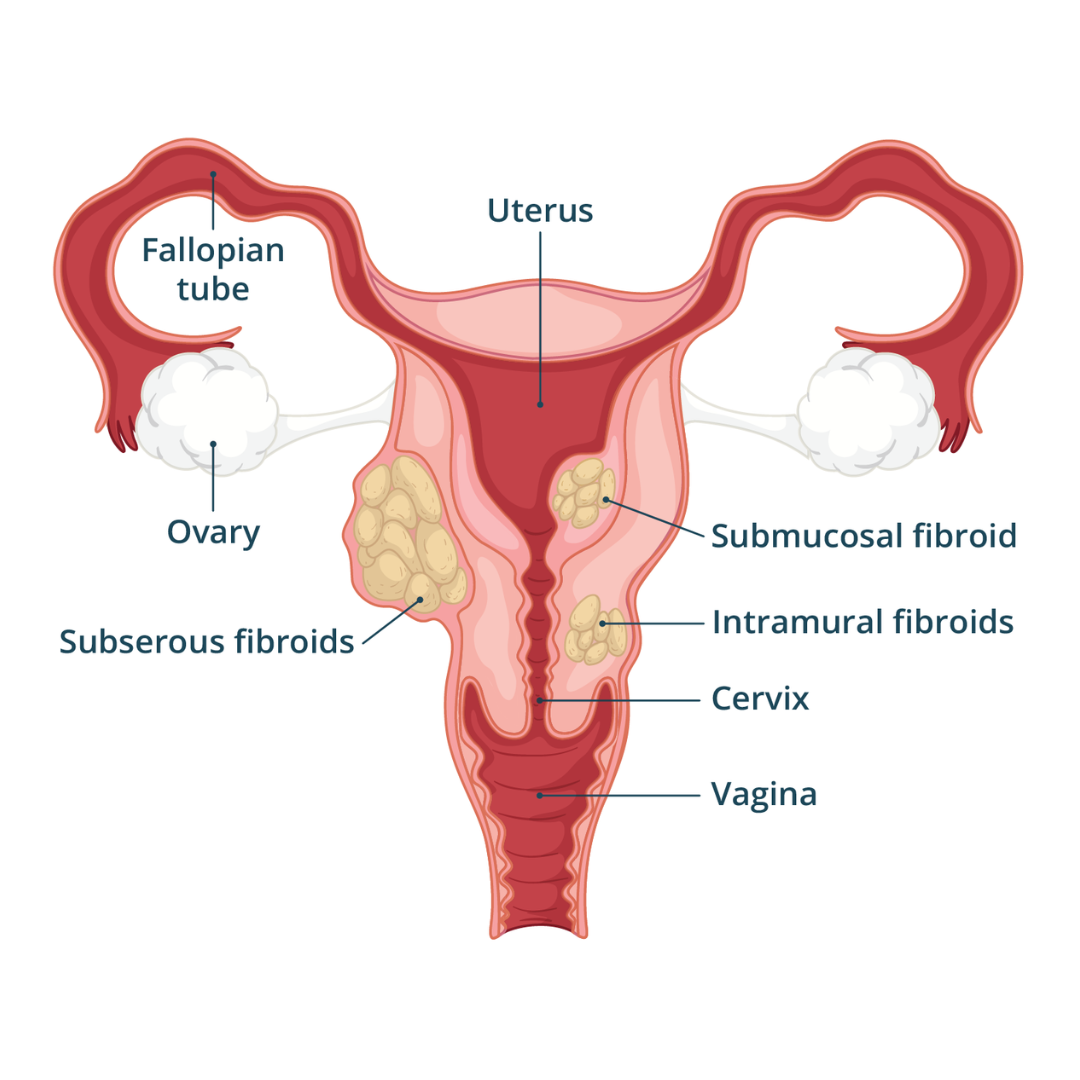
Uterine Fibroids
Heavy periods and pelvic pressure — medication, myomectomy and hysterectomy.
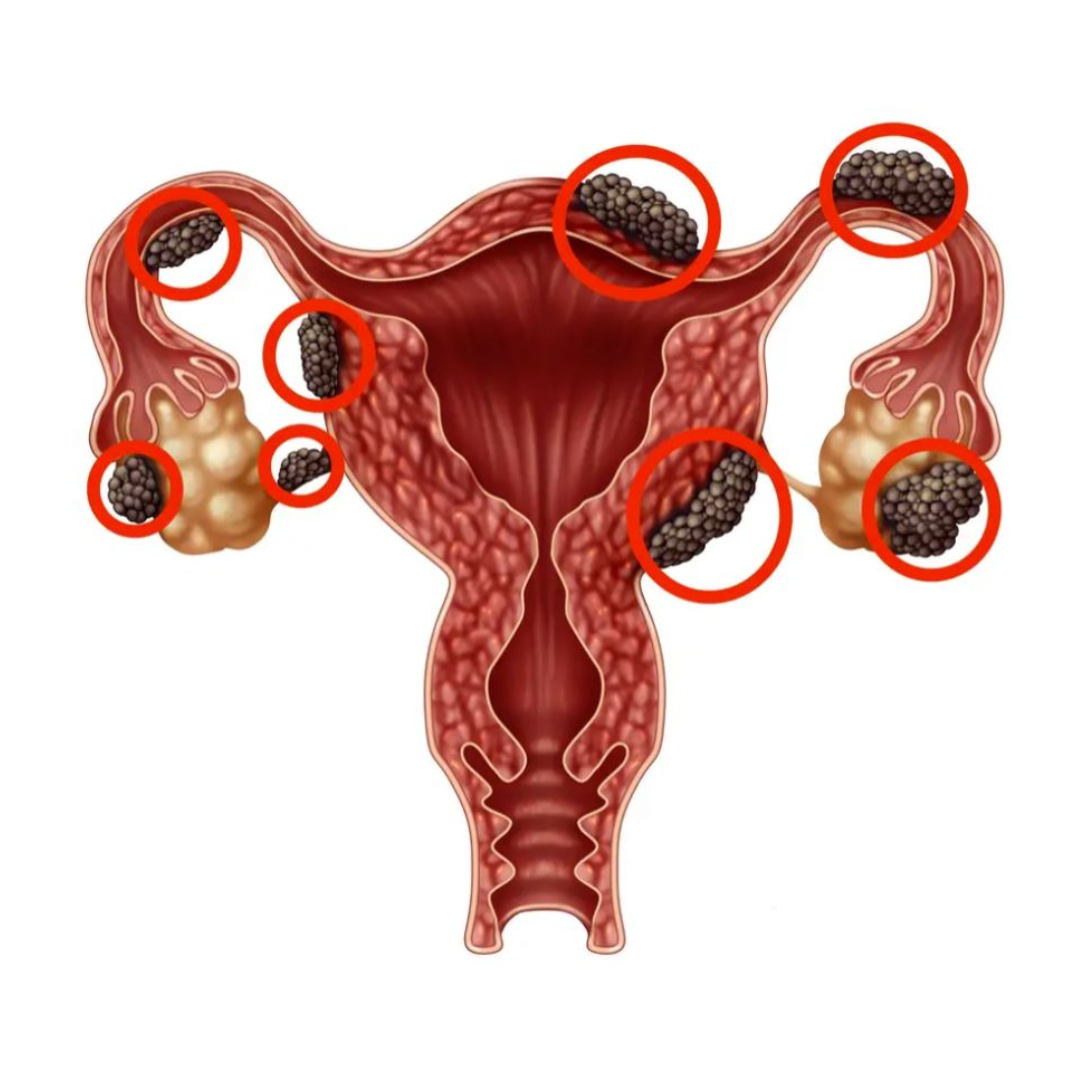
Endometriosis
Painful periods and pelvic pain — laparoscopic diagnosis and treatment.

Female Infertility
Evaluation, ovulation induction and fertility-enhancing treatments.
Answers about High-Risk Pregnancy
Common questions about High-Risk Pregnancy — diagnosis, treatment and recovery at Sanjeevi Hospital, Sangareddy.