
Menopause Care
Hot flashes, mood and bone health support during menopause.

Overview
Menopause is a natural and significant transition in a woman's life, marking the end of her menstrual cycles. In India, many women experience this phase around the age of 46 to 48, which is slightly earlier than the global average. It is officially diagnosed after you have gone twelve consecutive months without a period. While it is a normal biological process, the decline in estrogen levels can lead to physical discomfort and emotional changes that impact your daily quality of life. At Sanjeevi Hospital in Sangareddy, we believe that menopause should not be a period of suffering but a new chapter of vitality. Understanding the changes in your body—from bone density risks to hormonal fluctuations—is essential for long-term health. Our expert gynecologists are dedicated to providing personalized care plans that help you navigate these changes with confidence, ensuring you remain active, healthy, and emotionally balanced throughout this transition.
Symptoms to watch for
- Irregular periods or changes in flow before they stop completely
- Sudden feelings of warmth (hot flashes) often affecting the face and neck
- Excessive sweating during the night leading to sleep disturbances
- Noticeable mood swings, irritability, or feelings of anxiety
- Thinning of hair and increased dryness of the skin
- Vaginal dryness and discomfort during intimate activities
- Frequent urges to urinate or minor bladder control issues
- Difficulty concentrating or experiencing 'brain fog'
- A decrease in bone density making bones more fragile over time
Causes & risk factors
- Natural decline of reproductive hormones like estrogen and progesterone
- Aging process leading to the exhaustion of ovarian follicles
- Surgical removal of the ovaries (Oophorectomy) causing immediate menopause
- Medical treatments such as chemotherapy or radiation therapy for cancer
- Primary ovarian insufficiency where ovaries stop functioning before age 40
- Genetic factors that may influence the timing of your menopause
- Autoimmune disorders that can sometimes affect ovarian function
- Thyroid imbalances that can mimic or accelerate menopausal symptoms
Diagnosis
- Detailed review of your menstrual cycle history and symptom patterns
- Blood tests to check levels of Follicle-Stimulating Hormone (FSH) and Estrogen
- Thyroid function tests to rule out thyroid issues with similar symptoms
- Lipid profile to monitor heart health risks during hormonal changes
- Bone Mineral Density (BMD) scan or DEXA scan to check for osteoporosis
- Pelvic ultrasound to examine the health of the uterus and ovaries
- Routine Pap smear and breast examination as part of preventive screening
Treatment options
Menopausal Hormone Therapy (MHT)
This involves using low-dose estrogen and sometimes progesterone to replace what the body is no longer producing, effectively reducing hot flashes and bone loss.
Vaginal Estrogen Therapy
To relieve dryness and discomfort, estrogen can be applied locally using creams or tablets, which helps maintain tissue health with minimal absorption into the bloodstream.
Non-Hormonal Medications
Certain medications usually used for other conditions can be prescribed to help manage severe hot flashes and mood disturbances for women who cannot take hormones.
Bone-Strengthening Therapy
Your doctor may prescribe specific medications called bisphosphonates or other bone-building agents to prevent and treat bone thinning or osteoporosis.
Nutritional Counseling and Supplements
Focused guidance on increasing Calcium and Vitamin D intake through Indian foods like ragi, dairy, and leafy greens, supplemented by medical-grade capsules if necessary.
Cognitive Behavioral Therapy (CBT)
Counseling sessions designed to help you manage anxiety, sleep issues, and the emotional challenges that often accompany this life transition.
Pelvic Floor Strengthening
Specialized exercises known as Kegels, often guided by our physiotherapists, to improve bladder control and support pelvic organ health.
Lifestyle and Weight Management
A tailored program focusing on heart-healthy diets and weight control to reduce the increased risk of cardiovascular issues after menopause.
When to see a doctor
It is important to seek medical advice if your symptoms become severe enough to disrupt your sleep, work, or personal happiness. Please visit us immediately if you experience any bleeding after you have already gone a full year without a period (post-menopausal bleeding), as this requires urgent evaluation. Our doctors at Sanjeevi Hospital are here to listen with empathy and provide the reassurance you need during this time of change. Do not hesitate to reach out for any persistent discomfort or health concerns.
Prevention & self-care
- Maintain a balanced diet rich in Calcium (milk, curd, paneer) and Vitamin D
- Engage in regular weight-bearing exercises like brisk walking or yoga
- Avoid triggers for hot flashes such as very spicy foods or hot beverages
- Practice stress-reduction techniques like deep breathing or meditation
- Quit smoking and limit caffeine to protect bone and heart health
- Stay hydrated by drinking plenty of water throughout the day
- Maintain a healthy weight to reduce the severity of hormonal symptoms
- Schedule regular health check-ups for blood pressure and sugar levels
Related conditions
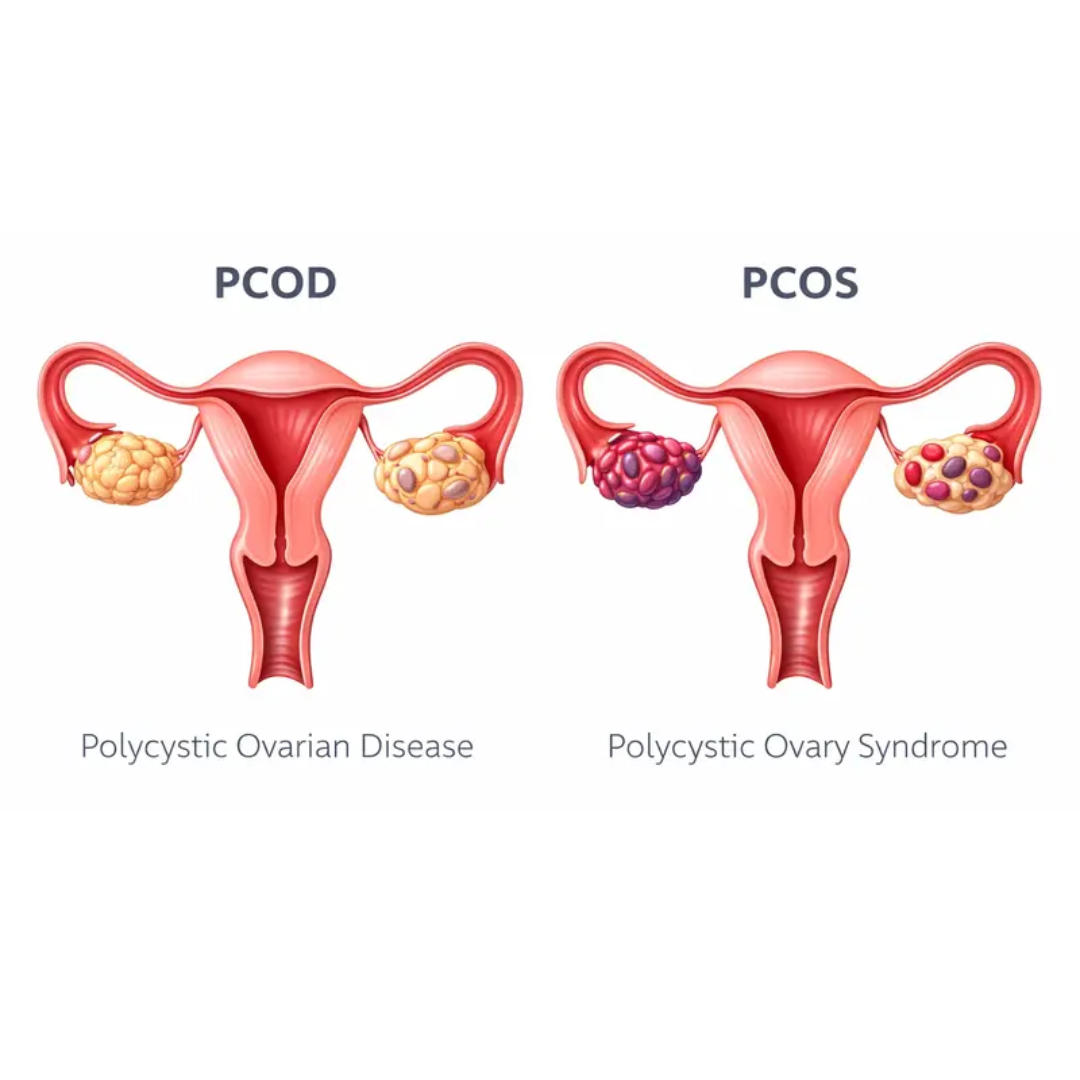
PCOS / PCOD
Hormonal imbalance, irregular cycles, weight gain — lifestyle and medical treatment.
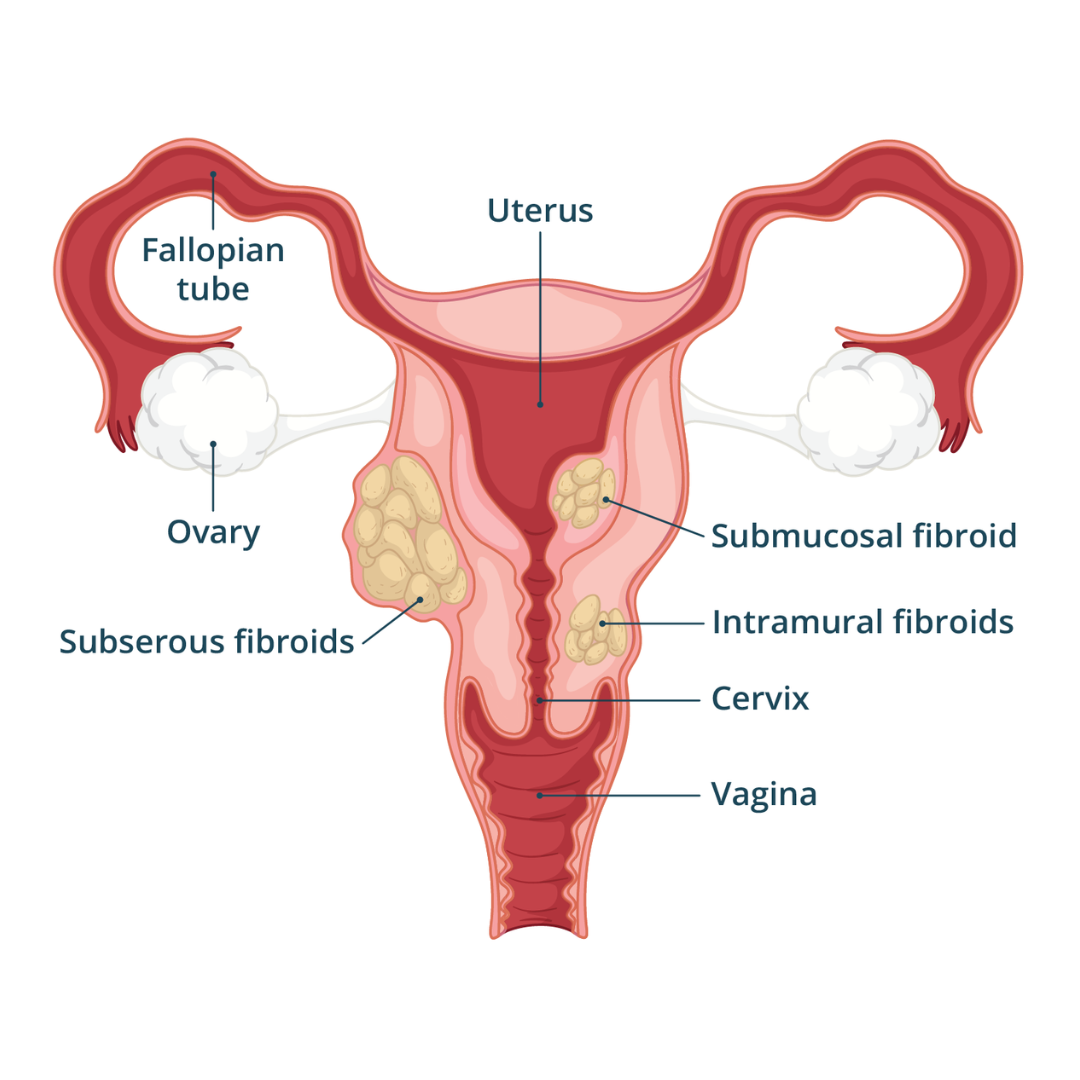
Uterine Fibroids
Heavy periods and pelvic pressure — medication, myomectomy and hysterectomy.
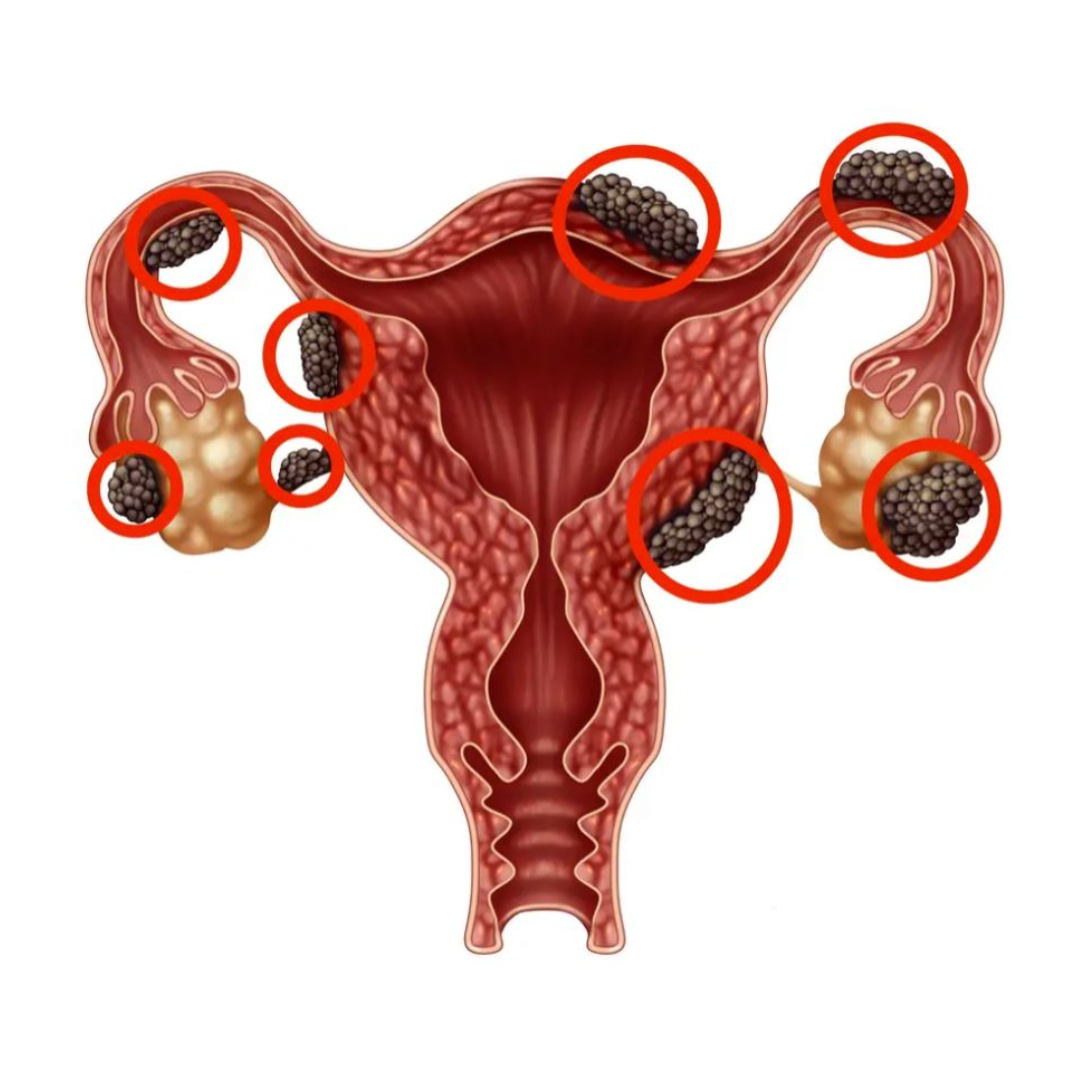
Endometriosis
Painful periods and pelvic pain — laparoscopic diagnosis and treatment.
Female Infertility
Evaluation, ovulation induction and fertility-enhancing treatments.
Answers about Menopause Care
Common questions about Menopause Care — diagnosis, treatment and recovery at Sanjeevi Hospital, Sangareddy.