
Female Infertility
Evaluation, ovulation induction and fertility-enhancing treatments.
Overview
Female infertility is a condition where a woman is unable to conceive or carry a pregnancy to full term after 12 months (or 6 months if over age 35) of regular, unprotected intercourse. In India, infertility is becoming increasingly common due to changing lifestyles, late marriages, and rising stress levels, affecting nearly 10-15% of couples. It is important to remember that infertility is a medical condition, not a stigma, and most cases can be successfully managed with the right medical intervention. At Sanjeevi Hospital, we understand the emotional weight this carries for families in Sangareddy. Our approach focuses on identifying the root cause—whether it is hormonal, structural, or lifestyle-related—and providing a compassionate, step-by-step path toward parenthood. Understanding your reproductive health is the first step toward a successful pregnancy, and our team is dedicated to supporting you with advanced diagnostics and empathetic care every step of the way.
Symptoms to watch for
- Inability to get pregnant after trying for a year or more.
- Irregular menstrual cycles (periods that are too frequent, occur far apart, or are unpredictable).
- Extremely painful periods with heavy bleeding or pelvic cramps.
- Complete absence of periods or suddenly stopped menstrual cycles.
- Changes in hair growth, such as extra hair on the face or chest (hirsutism).
- Recurrent miscarriages or difficulty maintaining a pregnancy.
- Noticeable weight gain or skin changes like acne that may signal hormonal shifts.
- Pain during or after sexual intercourse which may indicate internal issues.
- Thinning hair or hair loss that could indicate thyroid or hormonal imbalances.
Causes & risk factors
- Polycystic Ovary Syndrome (PCOS), a common hormonal disorder in Indian women affecting ovulation.
- Endometriosis, where tissue similar to the uterine lining grows outside the uterus causing scarring.
- Blocked or damaged fallopian tubes often resulting from pelvic infections or surgery.
- Uterine fibroids or polyps which are non-cancerous growths on the uterine wall.
- Premature ovarian insufficiency, where the ovaries stop functioning before age 40.
- Thyroid disorders that interfere with the regular menstrual cycle and release of eggs.
- Lifestyle factors including high stress, sedentary habits, and poor nutritional intake.
- Age-related decline in egg quality and quantity as a woman moves into her late 30s.
Diagnosis
- Pelvic Ultrasound (USG) to check the health of the uterus and ovaries for cysts or fibroids.
- Hysterosalpingography (HSG), an X-ray test to check if the fallopian tubes are open and clear.
- Comprehensive Blood Panels to measure hormone levels like FSH, LH, Prolactin, and Thyroid Stimulating Hormone.
- Ovulation Testing using kits or blood tests to track the release of eggs during the cycle.
- Ovarian Reserve Testing to estimate the remaining supply of eggs available for conception.
- Hysteroscopy, where a thin lighted tube is used to look inside the uterus for abnormalities.
- Laparoscopy, a minimally invasive surgical procedure to view the pelvic organs directly and check for endometriosis.
Treatment options
Ovulation Induction
We use specific fertility medications to stimulate the ovaries to produce and release eggs in women who do not ovulate regularly.
Intrauterine Insemination (IUI)
A procedure where healthy sperm is placed directly inside the uterus around the time of ovulation to increase the chances of fertilization.
Laparoscopic Surgery
Minimally invasive 'keyhole' surgery used to remove uterine fibroids, treat endometriosis, or clear blocked fallopian tubes.
Management of PCOS
A combination of lifestyle counseling, diet planning, and hormonal balance treatments to restore regular menstrual cycles and improve fertility.
Thyroid and Prolactin Correction
Medical management of underlying glandular issues that prevent the body from maintaining a healthy hormonal environment for pregnancy.
Hysteroscopic Myomectomy
A gentle procedure to remove polyps or small fibroids from inside the uterine cavity that might be preventing an embryo from sticking.
Fertility Counseling and Nutrition
Professional guidance on stress management, optimal timing for conception, and specific Indian dietary improvements to boost reproductive health.
When to see a doctor
It is always better to seek advice early rather than waiting in silence. If you are under 35 and have been trying for a year, or over 35 and have been trying for six months, please visit a specialist. You should also consult us immediately if you have very irregular cycles, a history of pelvic inflammatory disease, or have suffered multiple miscarriages. Our team provides a safe, supportive space to discuss these sensitive concerns without any judgment.
Prevention & self-care
- Maintain a healthy Body Mass Index (BMI) as being underweight or overweight affects ovulation.
- Incorporate traditional Indian whole foods like leafy greens, lentils, and nuts into your daily diet.
- Limit the intake of highly processed foods, excess caffeine, and sugary beverages.
- Engage in moderate physical activity such as yoga or brisk walking for 30 minutes daily.
- Manage daily stress through meditation or relaxation techniques to keep hormones balanced.
- Avoid smoking and alcohol, as these can drastically reduce egg quality and fertility.
- Ensure regular health check-ups to detect and manage conditions like diabetes or thyroid issues early.
- Practice safe hygiene to prevent pelvic infections that could lead to tubal damage.
Related conditions
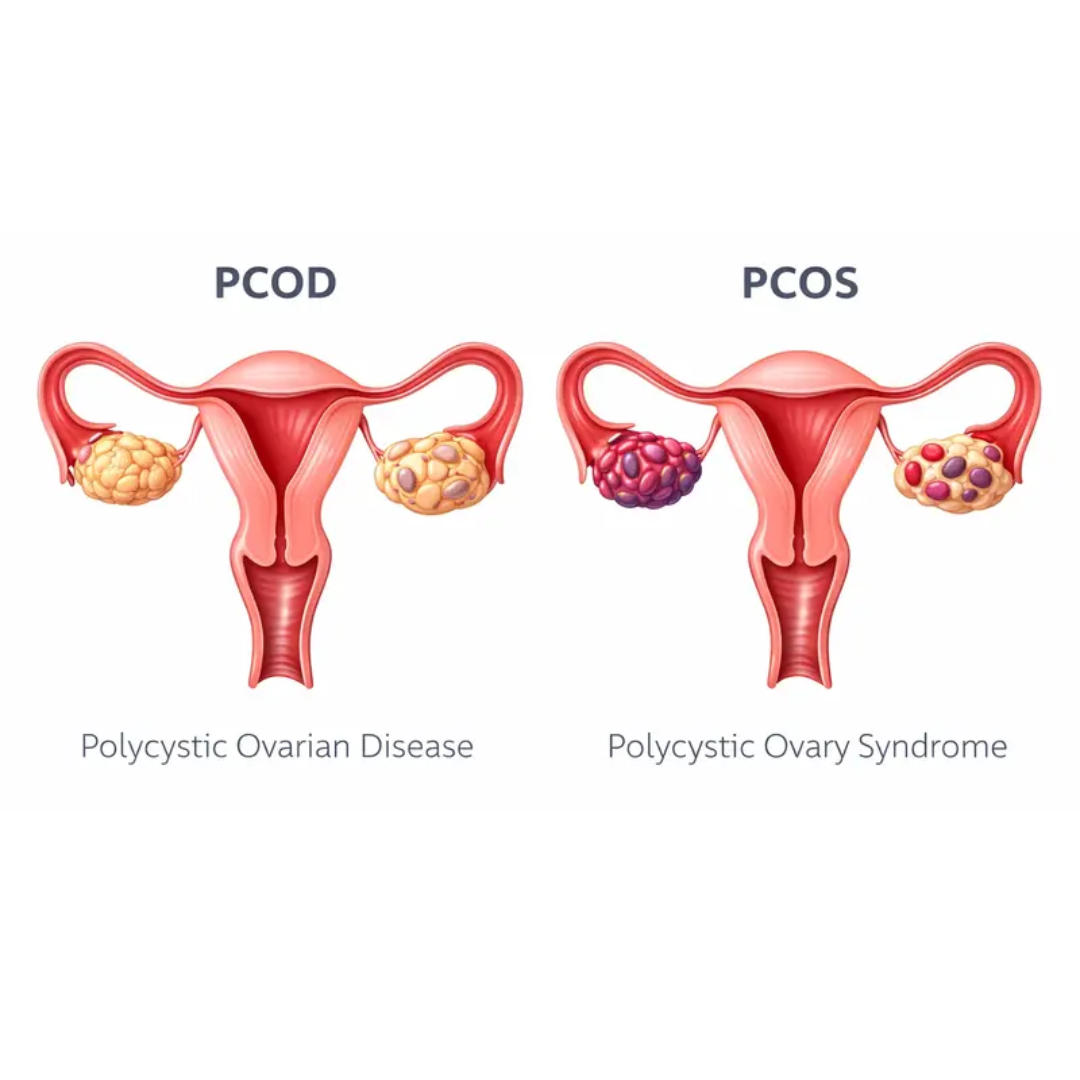
PCOS / PCOD
Hormonal imbalance, irregular cycles, weight gain — lifestyle and medical treatment.
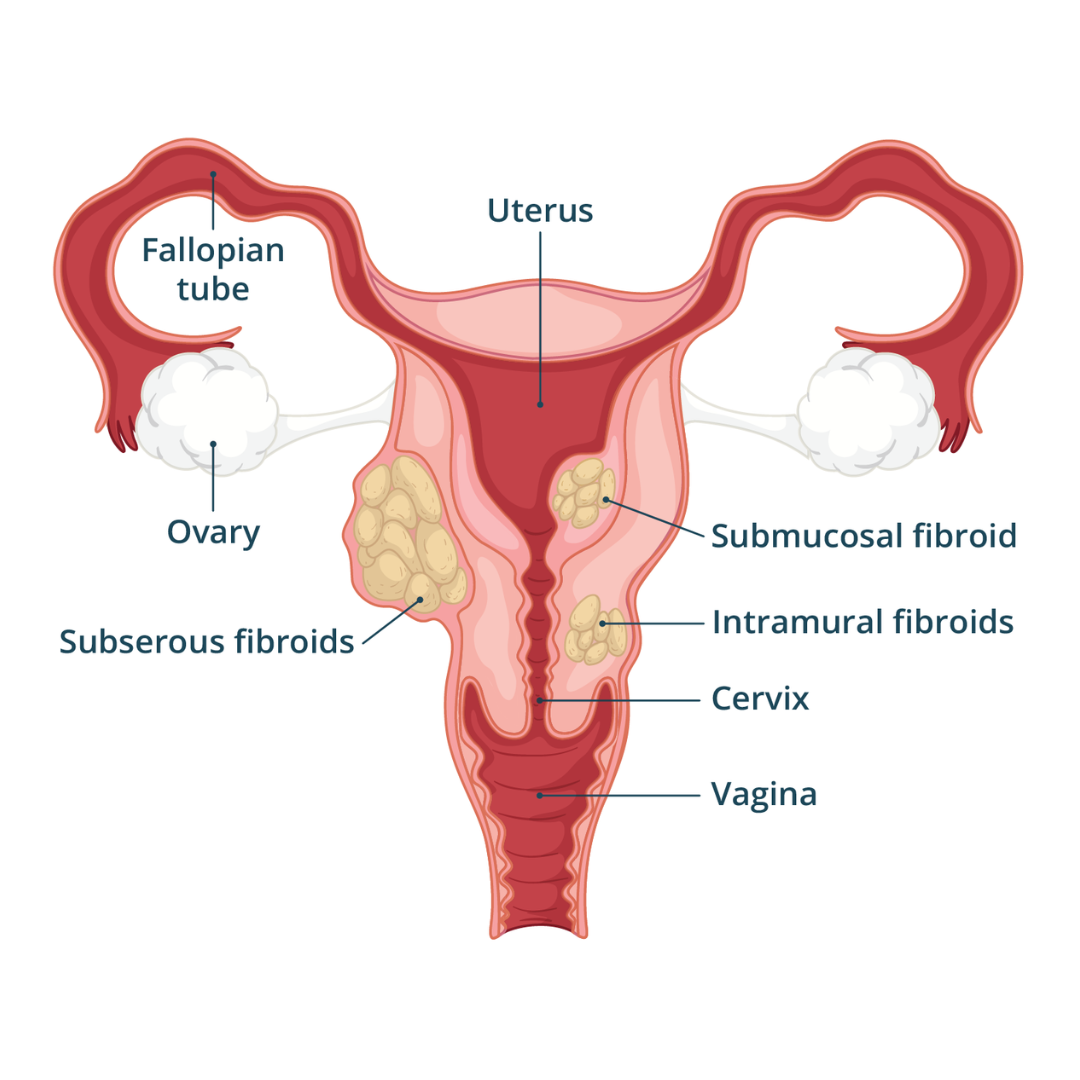
Uterine Fibroids
Heavy periods and pelvic pressure — medication, myomectomy and hysterectomy.
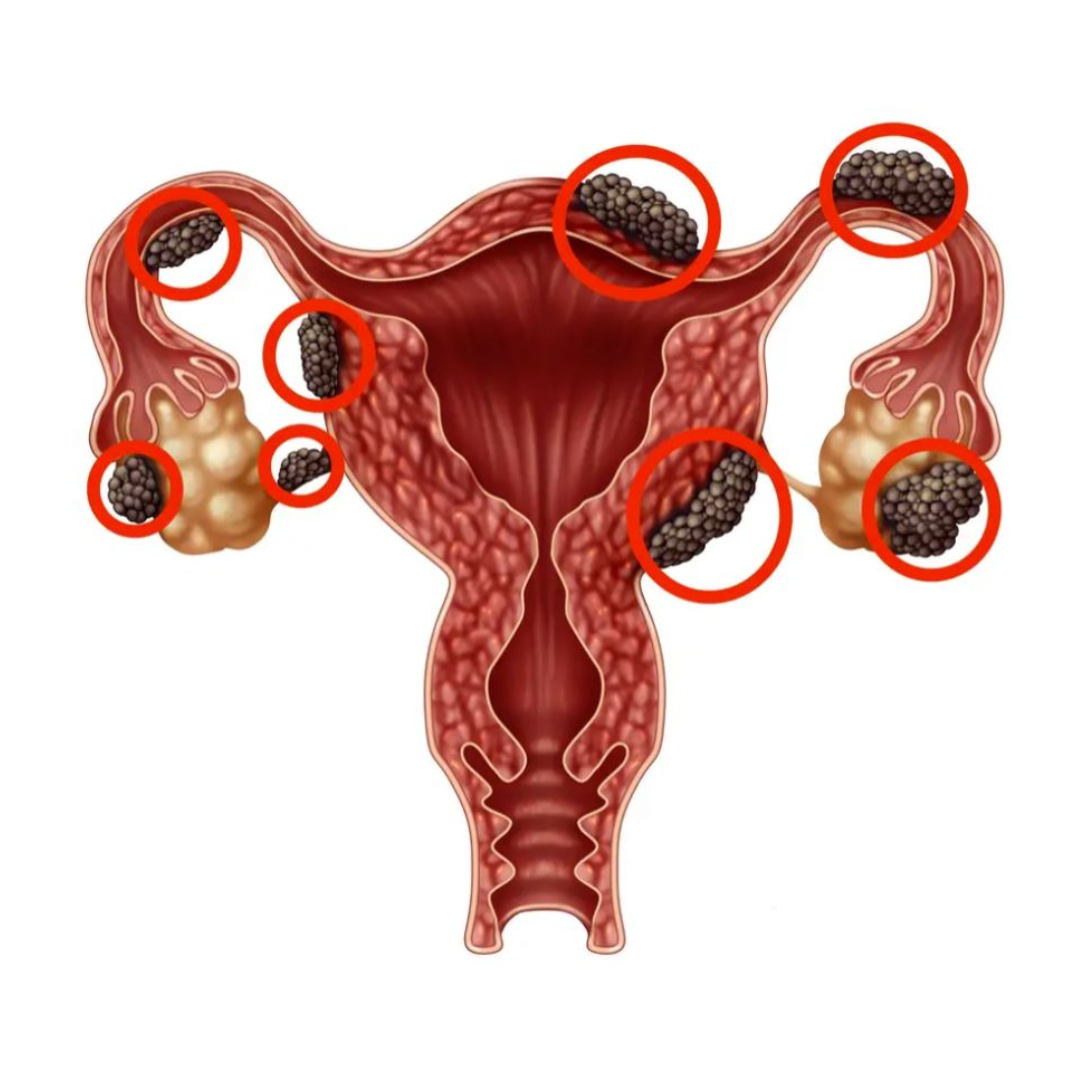
Endometriosis
Painful periods and pelvic pain — laparoscopic diagnosis and treatment.
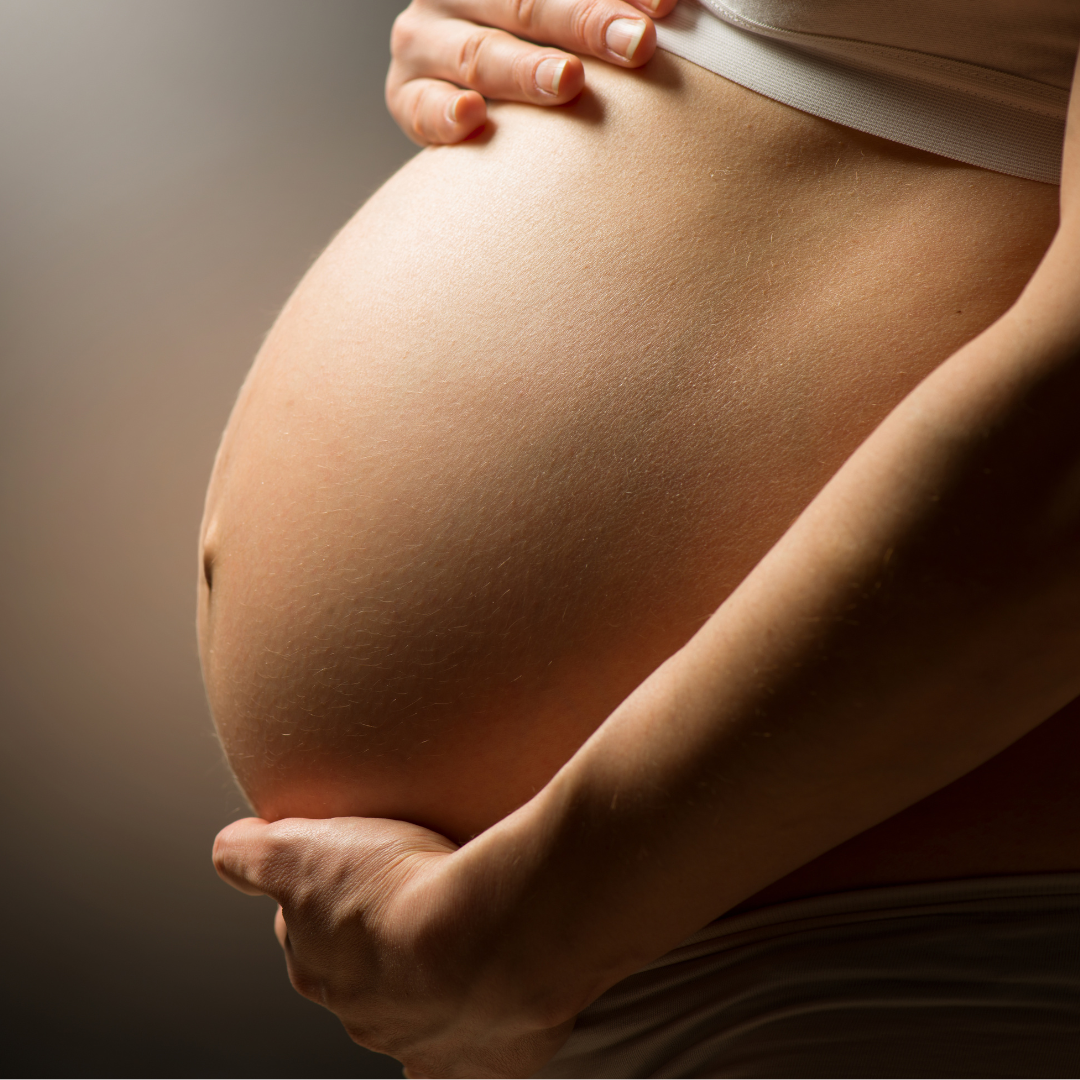
High-Risk Pregnancy
Specialist antenatal care for diabetes, hypertension and twin pregnancies.
Answers about Female Infertility
Common questions about Female Infertility — diagnosis, treatment and recovery at Sanjeevi Hospital, Sangareddy.