
PCOS / PCOD
Hormonal imbalance, irregular cycles, weight gain — lifestyle and medical treatment.
Overview
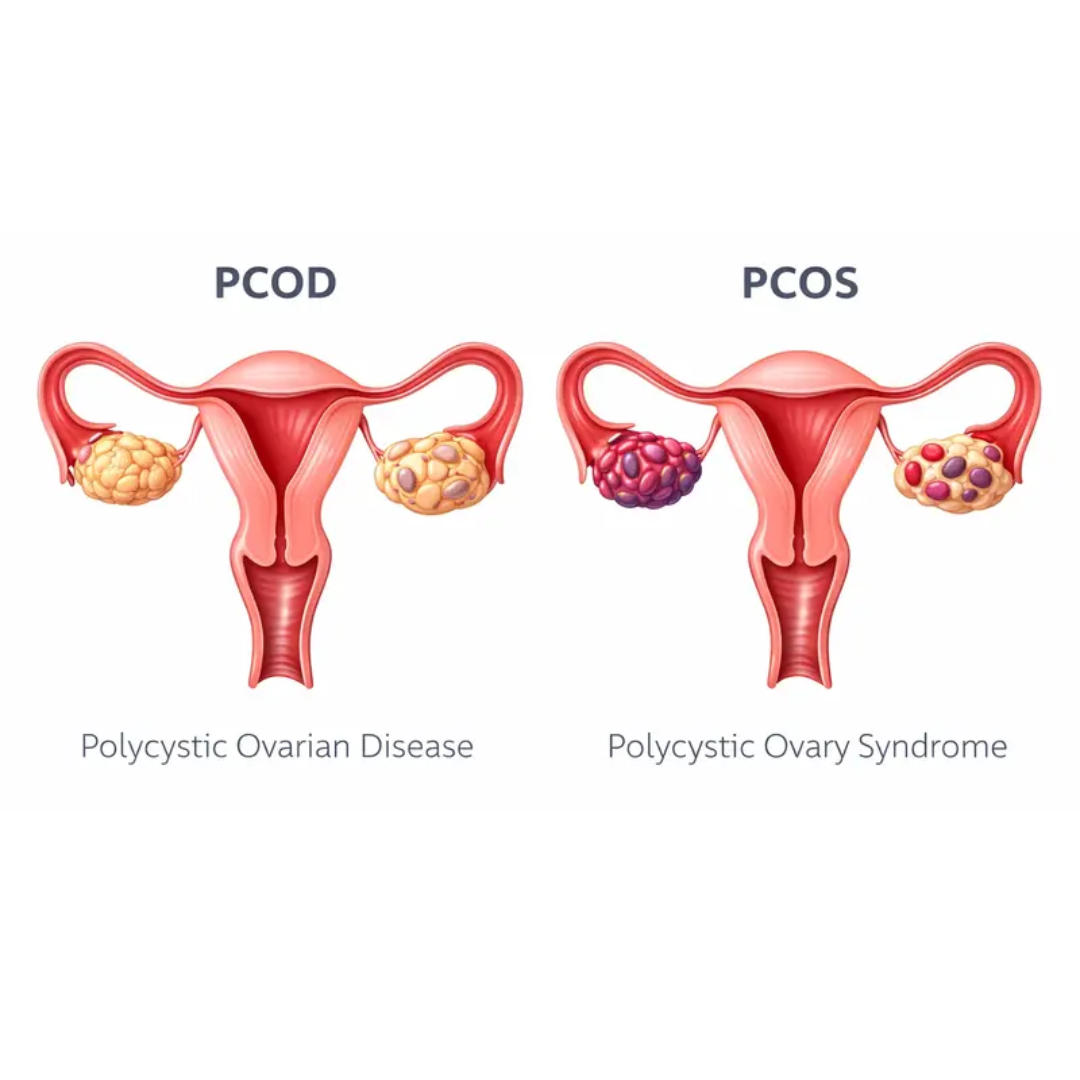
Polycystic Ovary Syndrome (PCOS) and Polycystic Ovary Disease (PCOD) are common hormonal conditions affecting nearly 1 in 5 Indian women today. While the names are often used interchangeably, both involve an imbalance in reproductive hormones like estrogen and progesterone, often tied to insulin resistance. This imbalance can lead to small, fluid-filled sacs (cysts) developing in the ovaries, which may interfere with the regular release of eggs. In the Indian context, factors like sedentary urban lifestyles, changing dietary habits featuring more processed carbohydrates, and genetic predispositions make this a widespread concern for teenagers and adults alike. Left unmanaged, PCOS can lead to long-term health issues such as Type 2 diabetes, high blood pressure, and challenges with fertility. However, with the right medical guidance from the experts at Sanjeevi Hospital, Sangareddy, most women can manage their symptoms effectively, improve their quality of life, and achieve their health goals through a combination of lifestyle changes, nutrition, and targeted medical therapies.
Symptoms to watch for
- Irregular periods or cycles that are consistently longer than 35 days
- Heavy menstrual bleeding that lasts longer than usual
- Excess facial and body hair (hirsutism) especially on the chin and chest
- Persistent adult acne or oily skin that doesn't respond to standard treatments
- Unexplained weight gain, particularly around the abdomen, and difficulty losing it
- Thinning hair or hair loss on the scalp, similar to male-pattern baldness
- Darkening of the skin (acanthosis nigricans) around the neck, groin, and underarms
- Frequent mood swings, anxiety, or feelings of low energy and fatigue
- Difficulty in conceiving or tracking ovulation due to irregular cycles
Causes & risk factors
- Insulin resistance, where the body's cells don't respond normally to insulin, raising blood sugar levels
- Excess production of androgen (male hormones) which prevents the ovaries from releasing eggs
- Low-grade inflammation in the body that stimulates polycystic ovaries to produce androgens
- Hereditary factors, as PCOS often runs in families among sisters or mothers and daughters
- Lifestyle factors including a high-calorie diet rich in refined sugar and lack of physical activity
- Environmental stressors and disrupted sleep patterns that affect hormonal balance
- Rapid weight gain which can worsen hormonal imbalances and insulin sensitivity
- Early onset of menstruation (menarche) in some cases, though the link is still being studied
Diagnosis
- Detailed medical history and menstrual cycle review with a gynecologist
- Physical examination to check for signs like excess hair growth and skin changes
- Pelvic Ultrasound (USG) to check the appearance of the ovaries and thickness of the uterine lining
- Blood tests to measure hormone levels, including testosterone, LH, and FSH
- Glucose tolerance test to check how your body processes sugar and identify insulin resistance
- Lipid profile to monitor cholesterol and triglyceride levels which can be affected by PCOS
- Screening for thyroid dysfunction or prolactin issues that can mimic PCOS symptoms
Treatment options
Lifestyle Modification
The foundation of PCOS care involving a balanced diet and regular physical activity to improve insulin sensitivity and regulate hormones.
Hormonal Regulation
Use of low-dose birth control pills or progestin therapy to regulate the menstrual cycle and protect the uterine lining.
Insulin Sensitizing Medication
Medical therapy often used to improve how the body handles insulin, which can help in weight management and restoring regular ovulation.
Anti-Androgen Therapy
Medications designed to block the effect of male hormones, helping to reduce excess hair growth and clear persistent acne.
Fertility Assistance
Specific oral or injectable medications that stimulate the ovaries to release an egg, helping women who are trying to conceive.
Weight Management Programs
Supervised clinical programs combining nutrition and exercise to achieve a 5-10% weight loss, which significantly improves symptoms.
Dermatological Treatments
Coordinated care for skin darkening and hair issues through clinical procedures or topical medications for better aesthetic outcomes.
Laparoscopic Ovarian Drilling
A minimally invasive surgical procedure used as a second-line treatment to trigger ovulation in specific cases where medication is not effective.
When to see a doctor
It is important to reach out to a specialist if you notice your periods are consistently missing, if you are struggling with sudden and significant weight gain despite a healthy diet, or if you feel overwhelmed by changes in your skin and mood. If you have been trying to conceive for over a year without success, or if you notice dark, velvety patches of skin appearing, please visit Sanjeevi Hospital. Our compassionate team is here to listen to your concerns and provide a clear, supportive path forward toward hormonal balance and better health.
Prevention & self-care
- Maintain a consistent exercise routine, aiming for at least 30 minutes of moderate activity daily
- Choose whole grains and high-fiber foods over processed 'maida' or white sugar products
- Incorporate traditional Indian spices like cinnamon and turmeric which may support metabolic health
- Keep a track of your menstrual cycle using a calendar or app to detect irregularities early
- Focus on adequate sleep, aiming for 7-8 hours per night to help regulate stress hormones
- Manage stress through yoga, meditation, or spending time in nature to lower cortisol levels
- Limit the intake of sugary beverages and sodas, opting for water, buttermilk, or coconut water
- Regular health check-ups at Sanjeevi Hospital to monitor blood sugar and hormonal health
Related conditions
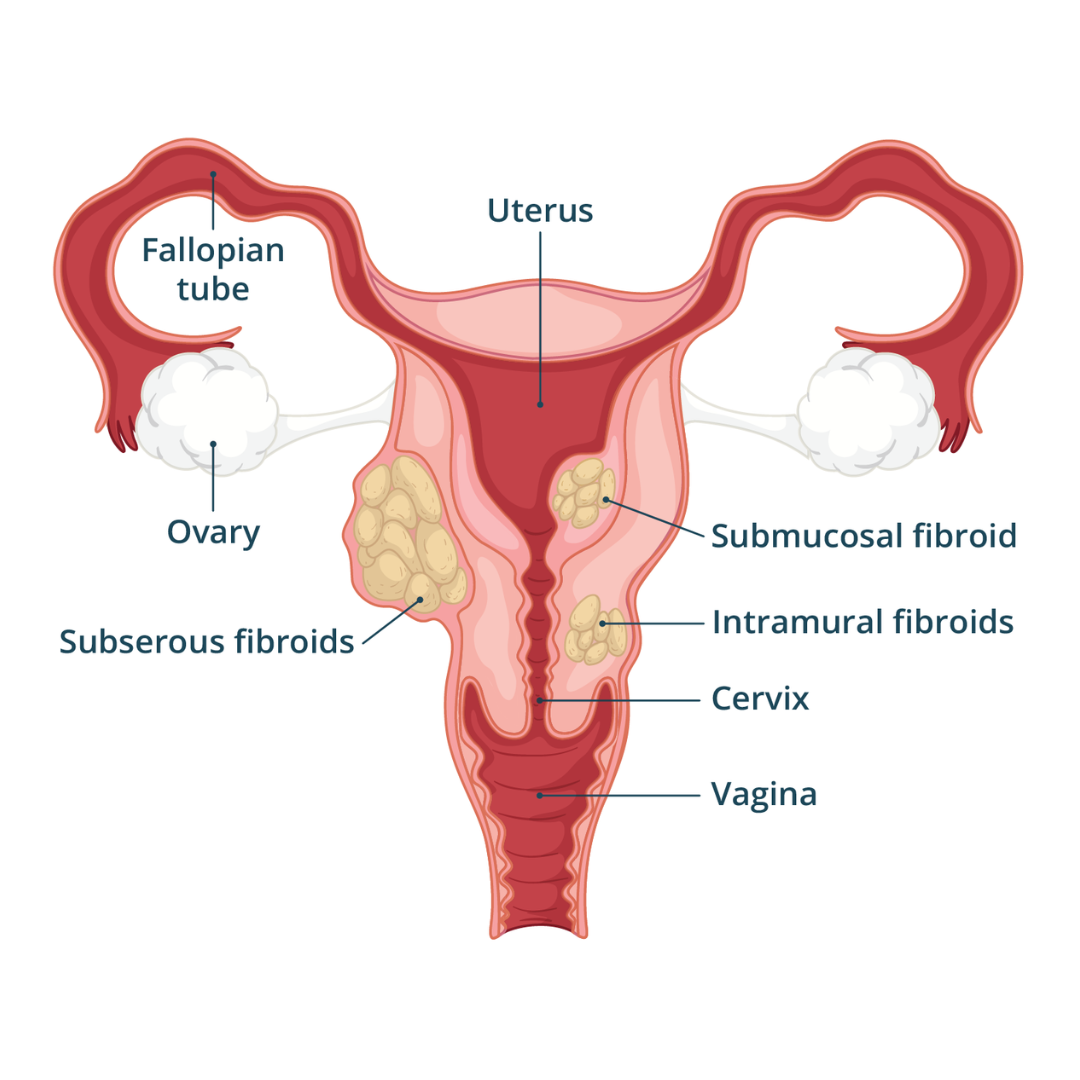
Uterine Fibroids
Heavy periods and pelvic pressure — medication, myomectomy and hysterectomy.
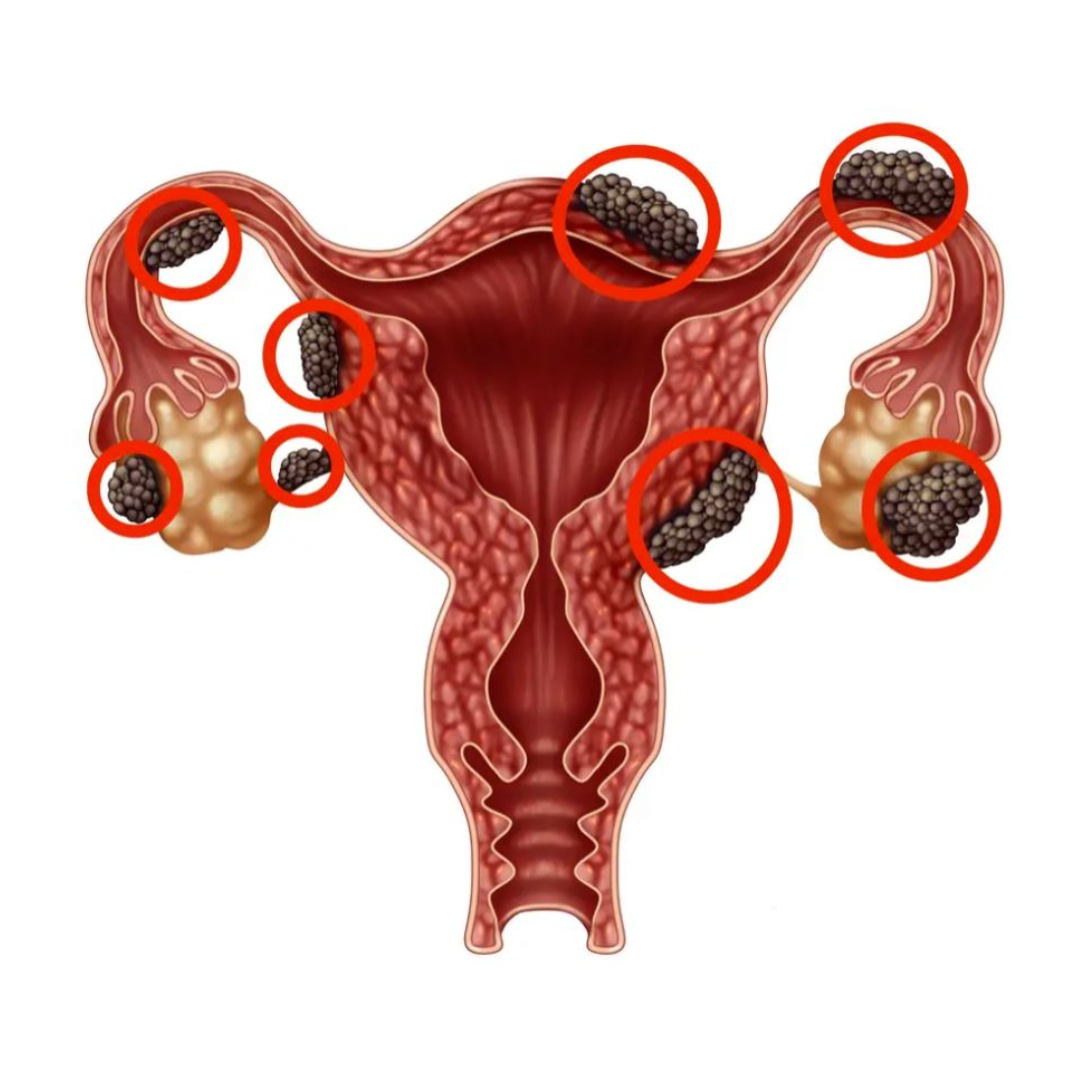
Endometriosis
Painful periods and pelvic pain — laparoscopic diagnosis and treatment.
Female Infertility
Evaluation, ovulation induction and fertility-enhancing treatments.

High-Risk Pregnancy
Specialist antenatal care for diabetes, hypertension and twin pregnancies.
Answers about PCOS / PCOD
Common questions about PCOS / PCOD — diagnosis, treatment and recovery at Sanjeevi Hospital, Sangareddy.