
Uterine Fibroids
Heavy periods and pelvic pressure — medication, myomectomy and hysterectomy.
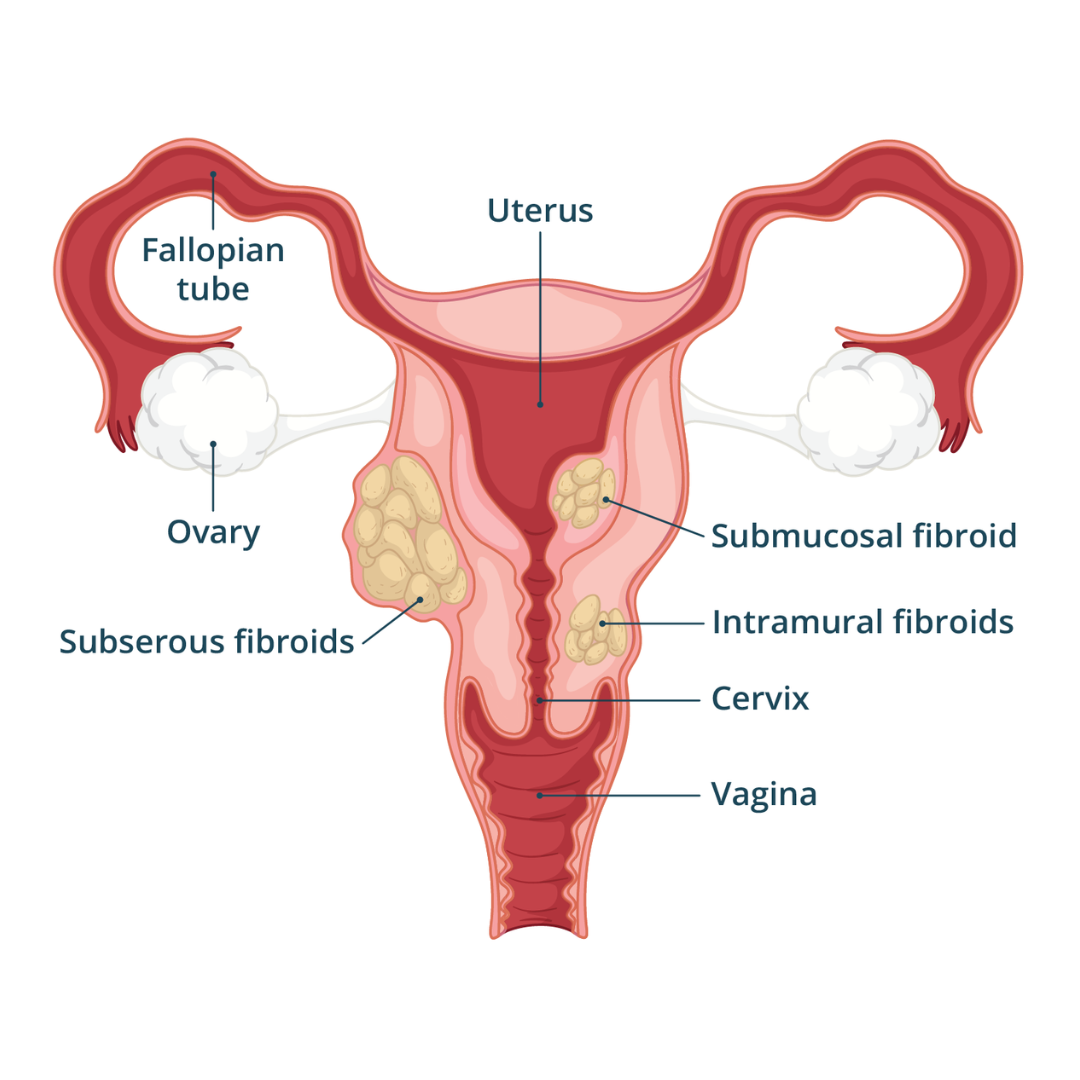
Overview
Uterine fibroids are non-cancerous growths of the uterus that often appear during childbearing years. In India, it is estimated that nearly 20 to 40 percent of women in their mid-to-late reproductive years suffer from these growths, making it a very common gynecological concern. While the word 'growth' might sound concerning, fibroids are almost never cancerous and do not increase your risk of uterine cancer. These muscular tumors can vary in size from small seedlings, undetectable by the human eye, to bulky masses that can enlarge the uterus significantly. For many women in Sangareddy and surrounding areas, fibroids can interfere with daily life, causing heavy menstrual bleeding and physical discomfort. Understanding this condition is the first step toward regaining your health and comfort. At Sanjeevi Hospital, we prioritize your long-term well-being and reproductive health through personalized care plans tailored to your specific symptoms and lifestyle needs.
Symptoms to watch for
- Heavy menstrual bleeding that lasts more than a week
- Feeling of fullness or pressure in the lower abdominal area
- Frequent urination due to pressure on the bladder
- Difficulty emptying the bladder completely
- Constipation or chronic pelvic pressure
- Pain during sexual intercourse or physical activity
- Backache or leg pains without a clear musculoskeletal cause
- Sudden sharp pelvic pain (occurring if the fibroid loses its blood supply)
- Anemia and fatigue resulting from excessive blood loss during periods
Causes & risk factors
- Genetic changes that differ from normal uterine muscle cells
- Hormonal imbalances, specifically higher levels of estrogen and progesterone
- Family history of fibroids in mothers or sisters
- High BMI or obesity, which can increase estrogen production
- Early onset of menstruation (starting periods before age 10)
- Dietary factors such as a high intake of red meat and low intake of green vegetables
- Vitamin D deficiency, which is common in many Indian women
- Insulin-like growth factors that support fibroid tissue growth
Diagnosis
- Pelvic Exam: A manual check of the size and shape of the uterus
- Ultrasound scan: Using sound waves to map the uterus and identify fibroid locations
- Blood tests: To check for anemia (iron deficiency) caused by heavy bleeding
- MRI Scan: A detailed imaging test used for complex cases or large fibroids
- Hysterosonography: Using sterile saline to expand the uterine cavity for better imaging
- Hysteroscopy: Inserting a small telescope through the cervix to view the uterine walls
- Laparoscopy: A minimally invasive procedure to view fibroids on the outside of the uterus
Treatment options
Medication Management
Using hormonal medications to regulate menstrual cycles and decrease heavy bleeding without surgery.
Gonadotropin-releasing hormone (GnRH) agonists
Specialized medications that temporarily shrink fibroids by putting the body into a transitional menopausal state.
Uterine Artery Embolization
A minimally invasive procedure where small particles are injected to cut off the blood supply to the fibroids, causing them to shrink.
Laparoscopic Myomectomy
A 'keyhole' surgery at Sanjeevi Hospital where the surgeon removes only the fibroids, leaving the uterus intact for future pregnancies.
Hysteroscopic Myomectomy
Removal of fibroids located inside the uterine cavity using a specialized tool inserted through the vagina, requiring no external incisions.
Hysterectomy
The surgical removal of the uterus, which remains the only permanent cure for fibroids for women who no longer wish to conceive.
Nonsteroidal Anti-inflammatory Drugs (NSAIDs)
Effective for managing pelvic pain and reducing menstrual flow during periods without affecting the fibroid size itself.
MRI-guided Focused Ultrasound Surgery
A high-tech, non-invasive treatment that uses sound waves to heat and destroy fibroid tissue while the patient is inside an MRI scanner.
When to see a doctor
It is important to listen to your body and seek medical advice at Sanjeevi Hospital if you experience persistent pelvic pain that will not go away. If your menstrual periods are consistently heavy, painful, or lasting longer than seven days, or if you notice spotting or bleeding between your cycles, please schedule a consultation. We are here to help you manage these symptoms with compassion. If you experience sudden, sharp pelvic pain or severe weakness due to heavy bleeding, please visit our 24x7 emergency department immediately.
Prevention & self-care
- Maintain a healthy body weight through regular walking and physical activity
- Consume a diet rich in green leafy vegetables, fruits, and cruciferous vegetables like cabbage
- Limit the intake of processed foods and red meats which are linked to hormonal changes
- Ensure adequate Vitamin D levels through sunlight exposure or supplements as advised
- Practice yoga or meditation to manage stress, which can impact hormonal health
- Schedule regular gynecological check-ups to monitor any small changes early
- Avoid smoking and limit caffeine intake to maintain a healthy uterine environment
- Discuss the use of low-dose hormonal contraceptives with your doctor for cycle regulation
Related conditions
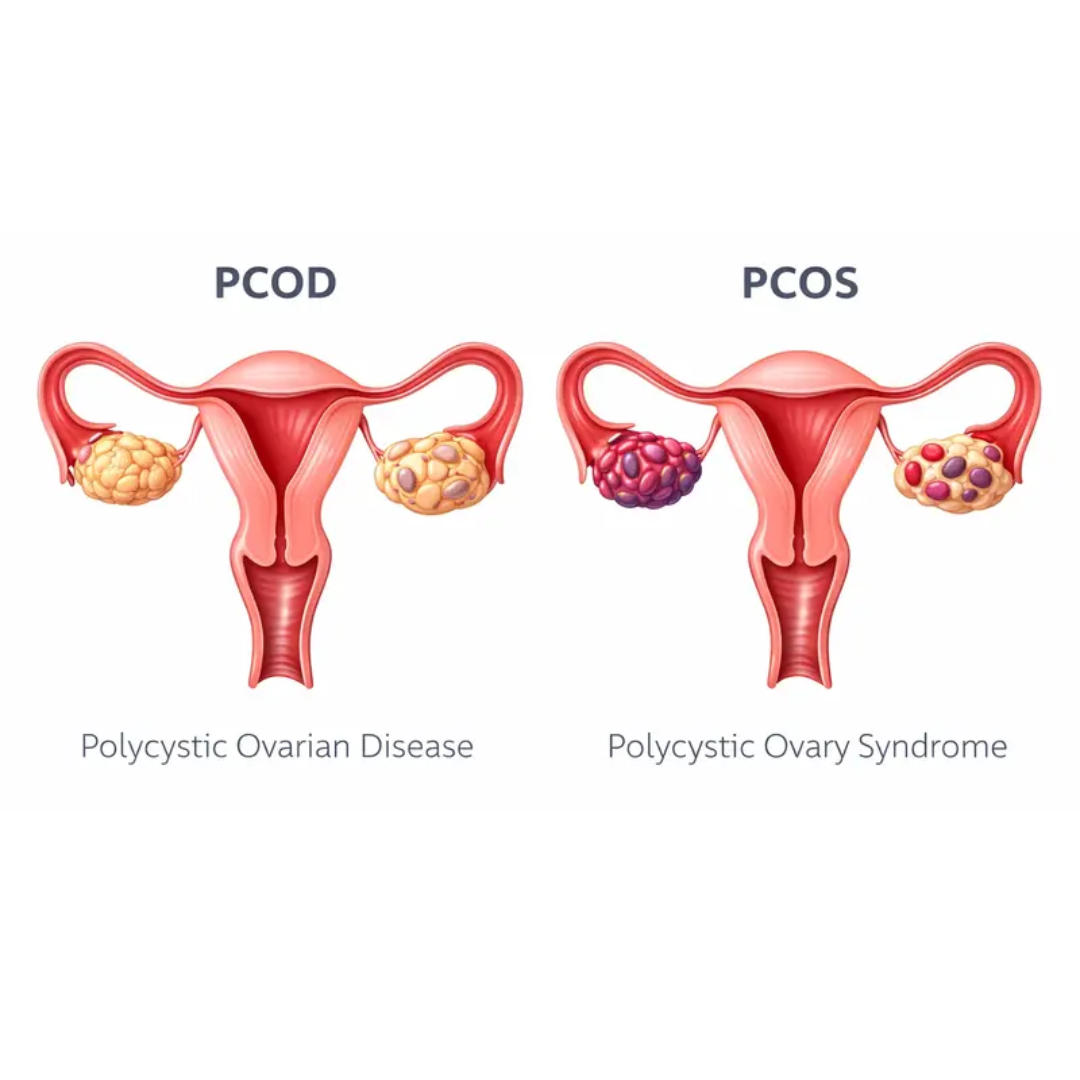
PCOS / PCOD
Hormonal imbalance, irregular cycles, weight gain — lifestyle and medical treatment.
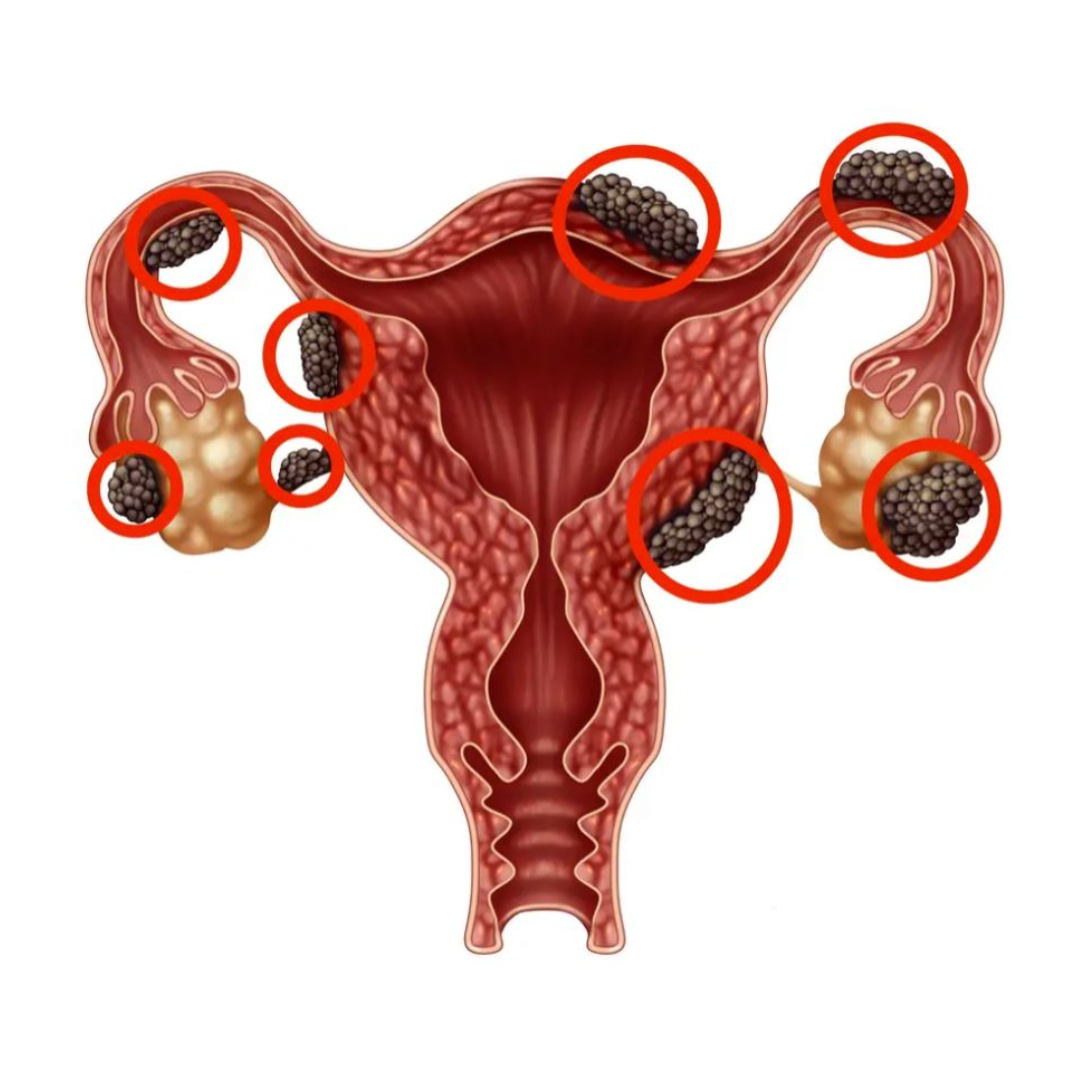
Endometriosis
Painful periods and pelvic pain — laparoscopic diagnosis and treatment.
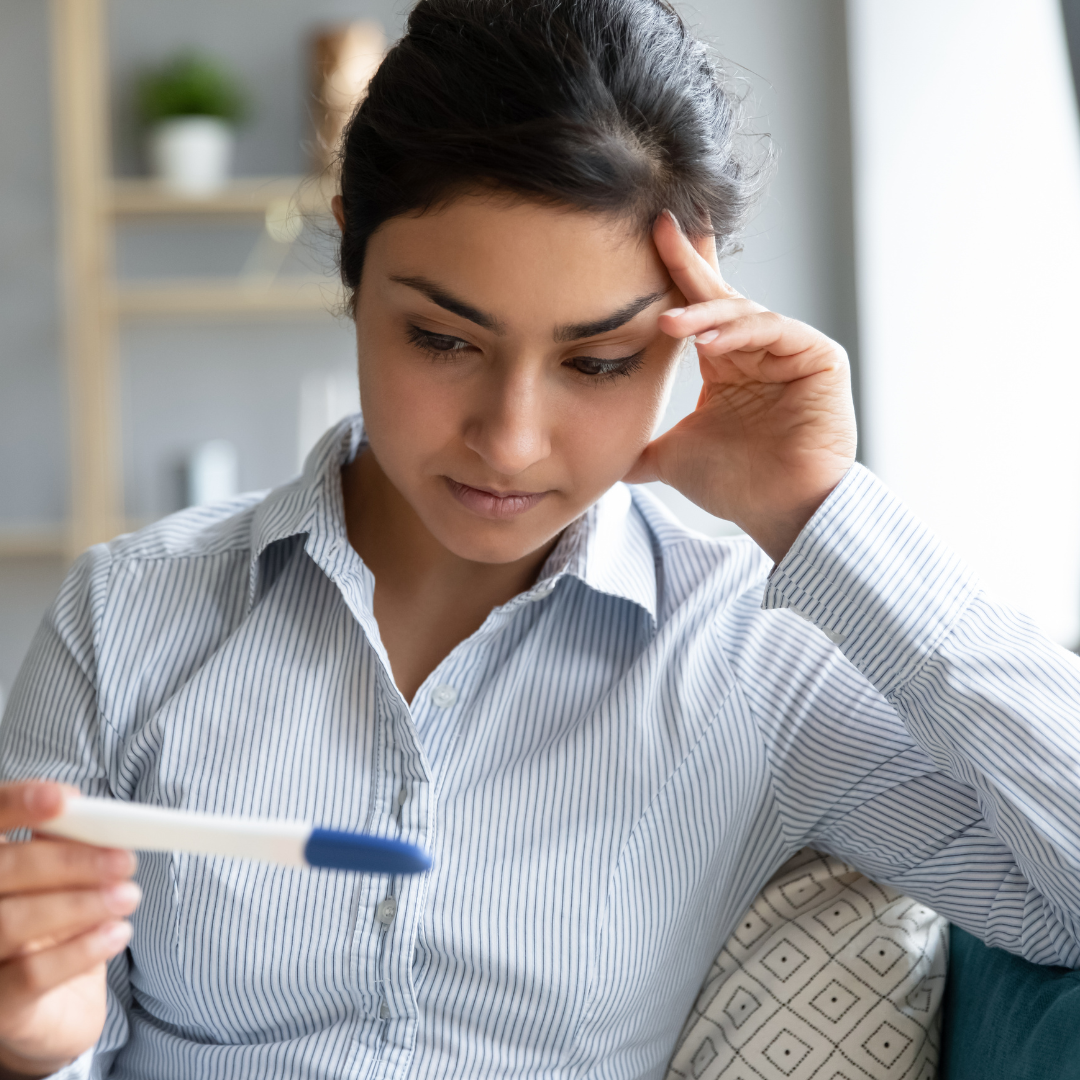
Female Infertility
Evaluation, ovulation induction and fertility-enhancing treatments.
High-Risk Pregnancy
Specialist antenatal care for diabetes, hypertension and twin pregnancies.
Answers about Uterine Fibroids
Common questions about Uterine Fibroids — diagnosis, treatment and recovery at Sanjeevi Hospital, Sangareddy.