
Ovarian Cysts
Functional and complex cysts — monitoring, medication and laparoscopic surgery.
Overview
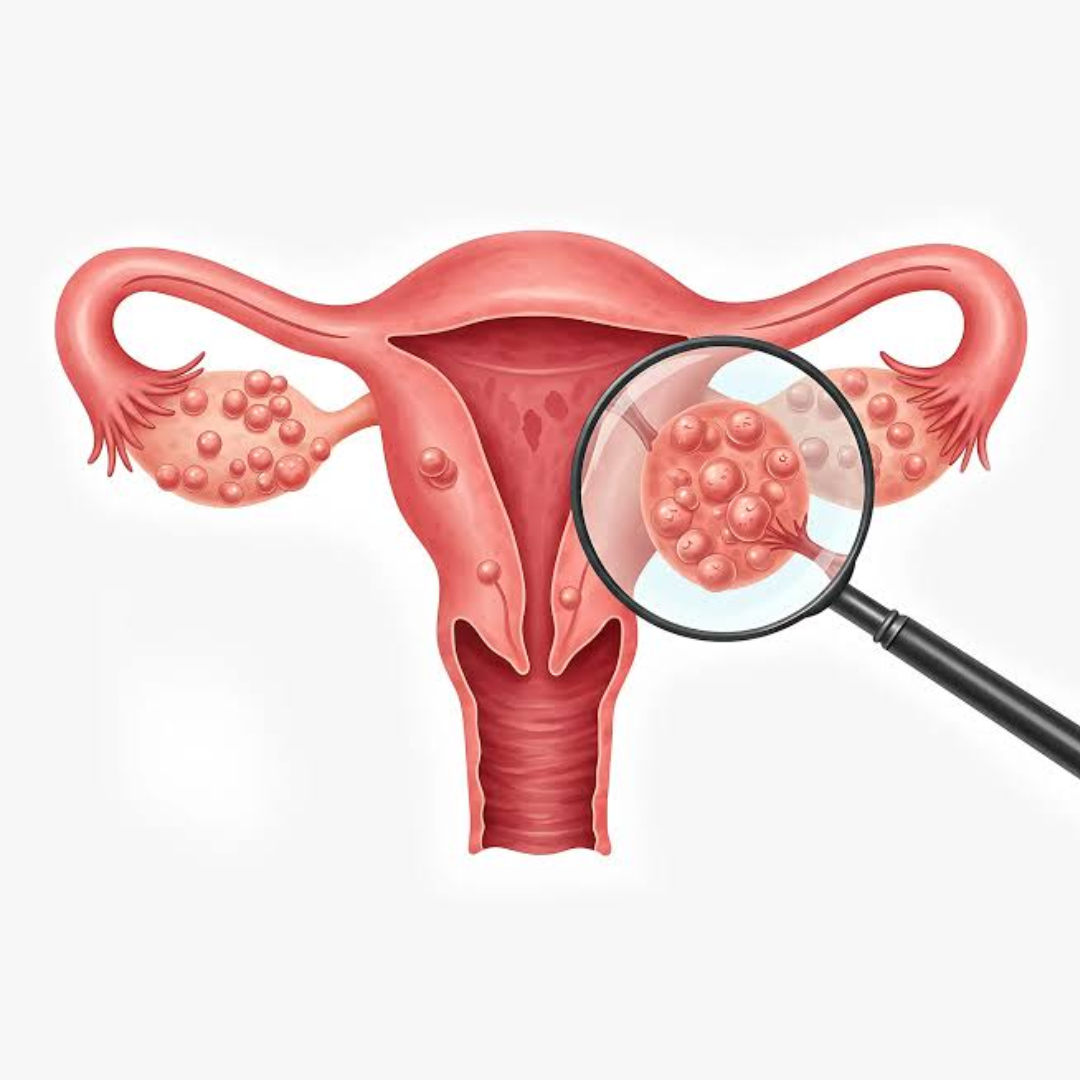
Ovarian cysts are fluid-filled sacs or pockets that develop within or on the surface of one or both ovaries. In the Indian medical context, these are incredibly common, affecting women of all ages from puberty to menopause. Most cysts are 'functional,' meaning they form as a natural part of your monthly menstrual cycle and often disappear on their own without medical intervention. However, some cysts may be caused by underlying conditions like endometriosis or Polycystic Ovary Syndrome (PCOS), which is significantly prevalent among young women in India due to lifestyle and genetic factors. While finding out you have a cyst can feel worrying, most are non-cancerous and painless. Understanding the type of cyst you have is the first step toward effective management. At Sanjeevi Hospital, Sangareddy, we prioritize early detection and gentle care to ensure your reproductive health is protected and your daily life remains uninterrupted by discomfort or hormonal imbalances.
Symptoms to watch for
- Dull or sharp aching pain in the lower abdomen, usually on one side
- A heavy or bloated feeling in the stomach area
- Irregular menstrual cycles or unusually heavy bleeding
- Pain during or after intimate physical contact
- Frequent urge to urinate or difficulty emptying the bladder fully
- Unexplained weight gain or changes in appetite
- Pain in the lower back or thighs during your period
- Occasional nausea or breast tenderness similar to pregnancy symptoms
Causes & risk factors
- Hormonal imbalances resulting from ovulation cycles or medications
- Endometriosis, where uterine lining tissue grows outside the womb and forms 'chocolate cysts'
- Polycystic Ovary Syndrome (PCOS), leading to multiple small follicles on the ovaries
- Pelvic infections that may spread to the ovaries and cause abscesses
- Normal follicle growth during the menstrual cycle that fails to rupture or close
- Pregnancy, as a cyst may naturally form to support the pregnancy until the placenta develops
- History of previous ovarian cysts, which increases the likelihood of recurrence
- Smoking and certain lifestyle factors that influence hormonal regulation
Diagnosis
- Pelvic Examination to manually check for any swelling or masses in the pelvic region
- Pelvic Ultrasound (Abdominal or Transvaginal) to visualize the cyst's size, location, and composition
- CA-125 Blood Test to measure protein levels, often used if there is a concern about complex cysts
- Hormonal Level Testing to check for imbalances in estrogen, progesterone, or LH/FSH ratios
- Pregnancy Test to rule out ectopic pregnancy or pregnancy-related corpus luteum cysts
- MRI or CT Scan for a more detailed view if the cyst is very large or appears complex
- Laparoscopy, a thin camera procedure that allows the doctor to see the ovary directly
Treatment options
Watchful Waiting
Many functional cysts disappear within one or two cycles; your doctor will monitor you with follow-up ultrasounds to see if the cyst resolves naturally.
Hormonal Contraceptives
Oral birth control pills may be prescribed to regulate your cycle and prevent the formation of new cysts by stopping ovulation.
Pain Management Support
The doctor may recommend specific over-the-counter pain relievers to manage pelvic discomfort and cramping during your recovery period.
Laparoscopic Cystectomy
A minimally invasive 'keyhole' surgery where the surgeon removes the cyst through small incisions, preserving the healthy part of the ovary.
Laparotomy
For very large or suspicious-looking cysts, a traditional abdominal incision may be used to ensure the safe and complete removal of the mass.
Oophorectomy
In cases where the cyst has damaged the ovary extensively or there is a risk of torsion, the surgeon may need to remove the entire affected ovary.
Management of Underlying PCOS/Endometriosis
Treating the root cause through diet, lifestyle modifications, and medication helps prevent the recurrence of chronic cysts.
When to see a doctor
It is important to listen to your body and seek medical attention if you notice persistent changes in your cycle. Please visit Sanjeevi Hospital immediately if you experience sudden, severe abdominal or pelvic pain, or pain accompanied by fever and vomiting. These could be signs of a ruptured cyst or ovarian torsion (twisting), which require urgent care. We are here to provide a quick, accurate diagnosis to ensure your safety and give you peace of mind.
Prevention & self-care
- Maintain a healthy, balanced Indian diet rich in fiber, whole grains, and leafy vegetables
- Engage in regular physical activity like walking or yoga to help maintain hormonal balance
- Keep a monthly record of your menstrual cycle to identify any sudden irregularities early
- Reduce intake of highly processed sugary foods which can worsen PCOS-related cysts
- Attend regular gynecological check-ups even if you do not have active symptoms
- Stay hydrated and manage stress levels through meditation or breathing exercises
- Consult your doctor before starting any new hormonal supplements or medications
- Avoid smoking as it can negatively impact ovarian health and hormone production
Related conditions
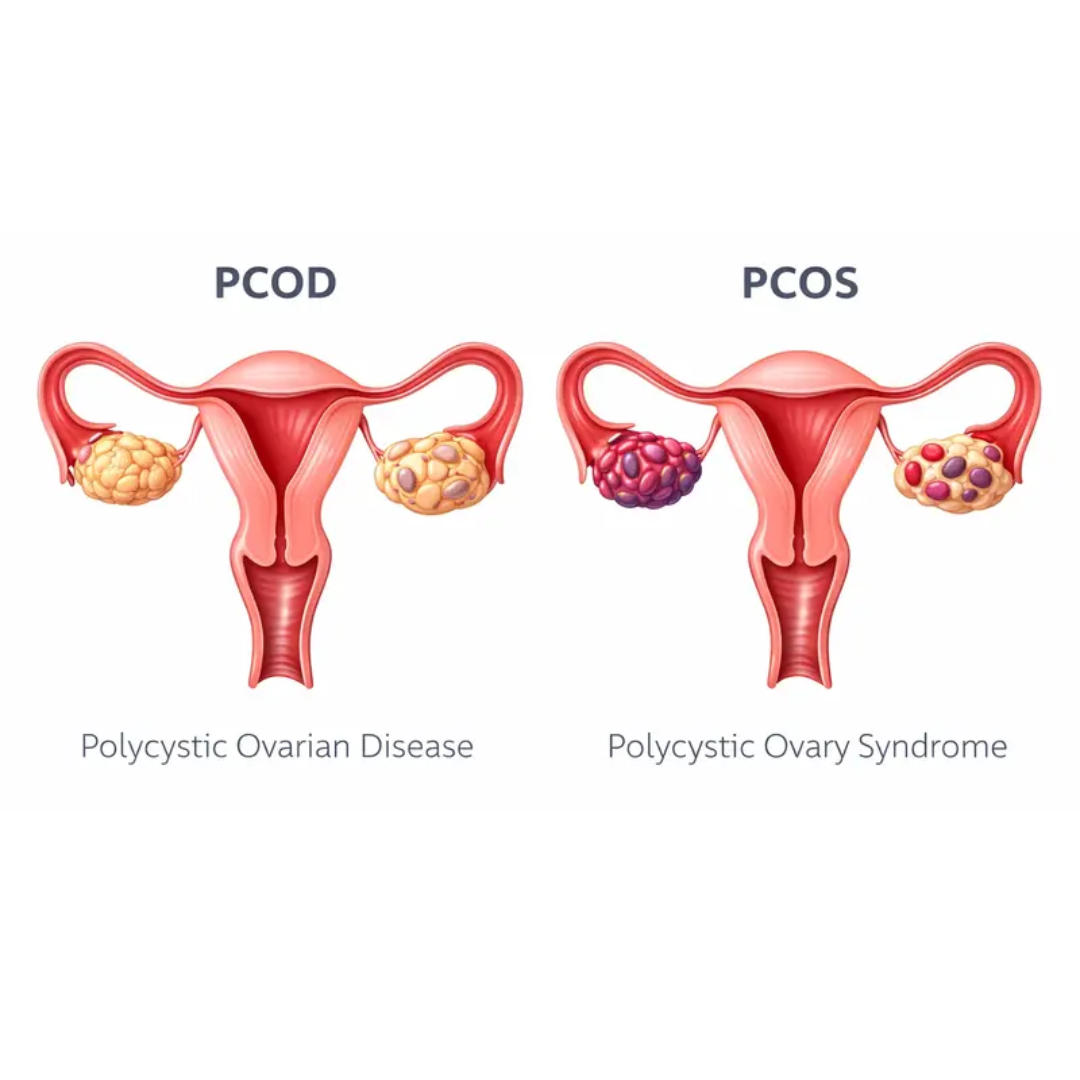
PCOS / PCOD
Hormonal imbalance, irregular cycles, weight gain — lifestyle and medical treatment.
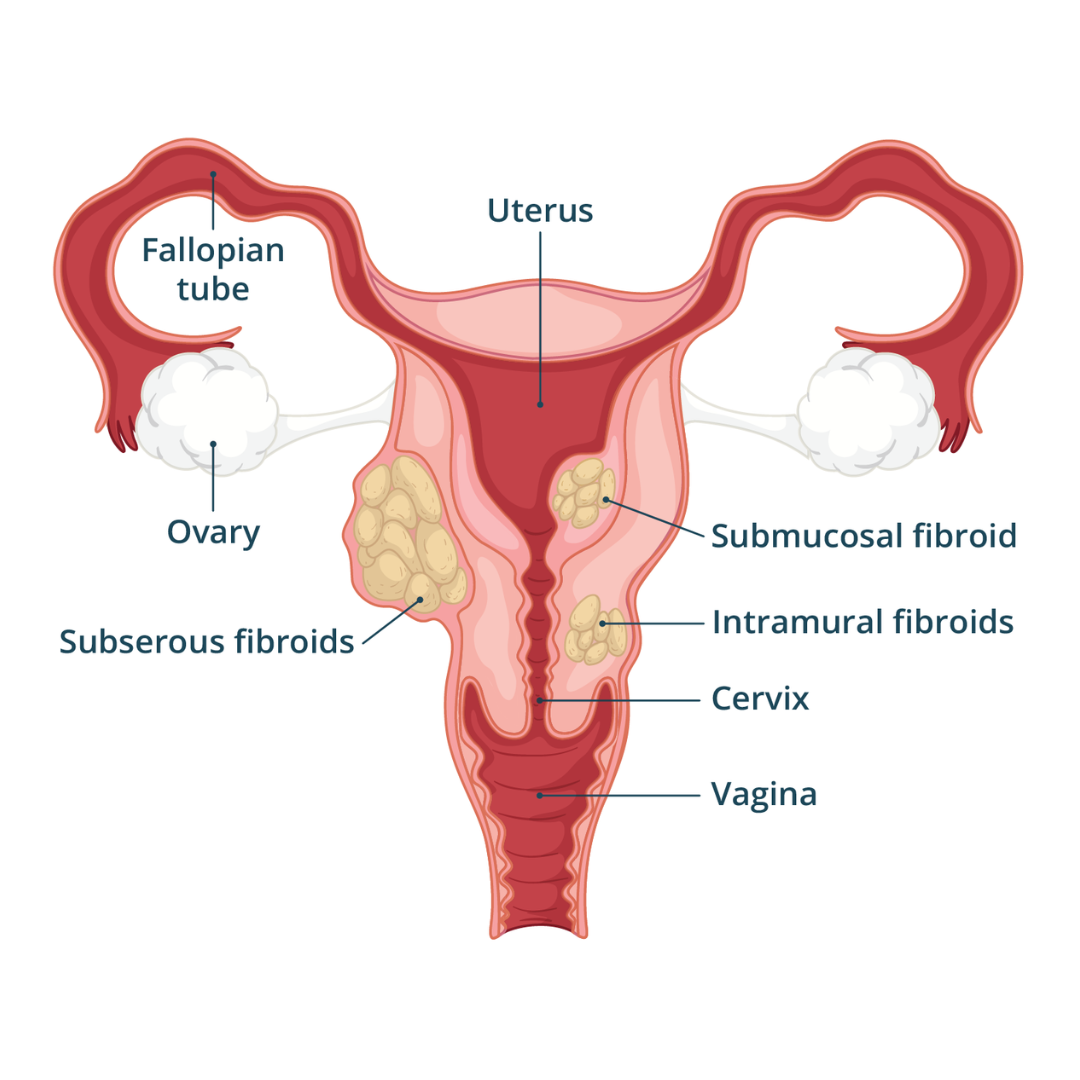
Uterine Fibroids
Heavy periods and pelvic pressure — medication, myomectomy and hysterectomy.
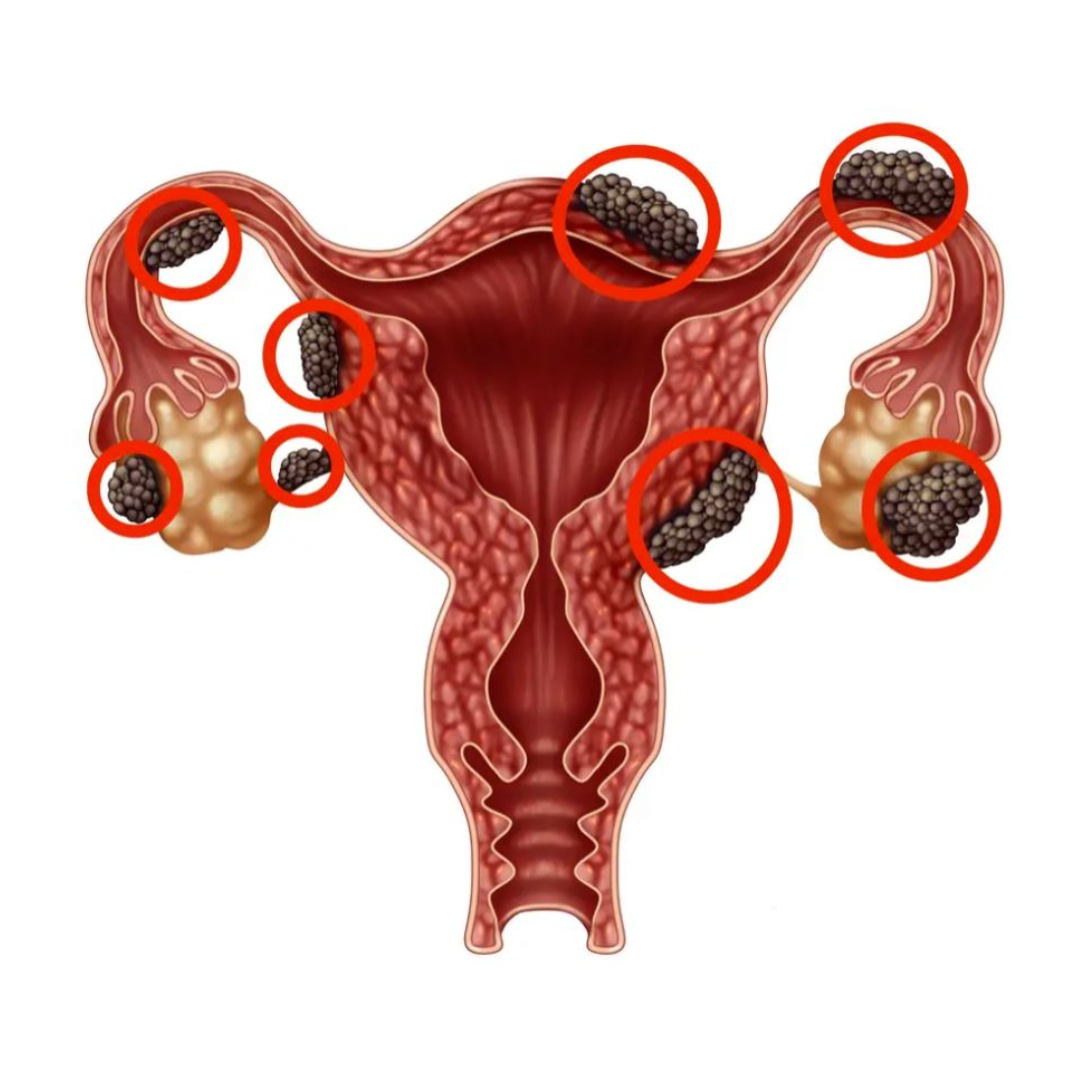
Endometriosis
Painful periods and pelvic pain — laparoscopic diagnosis and treatment.
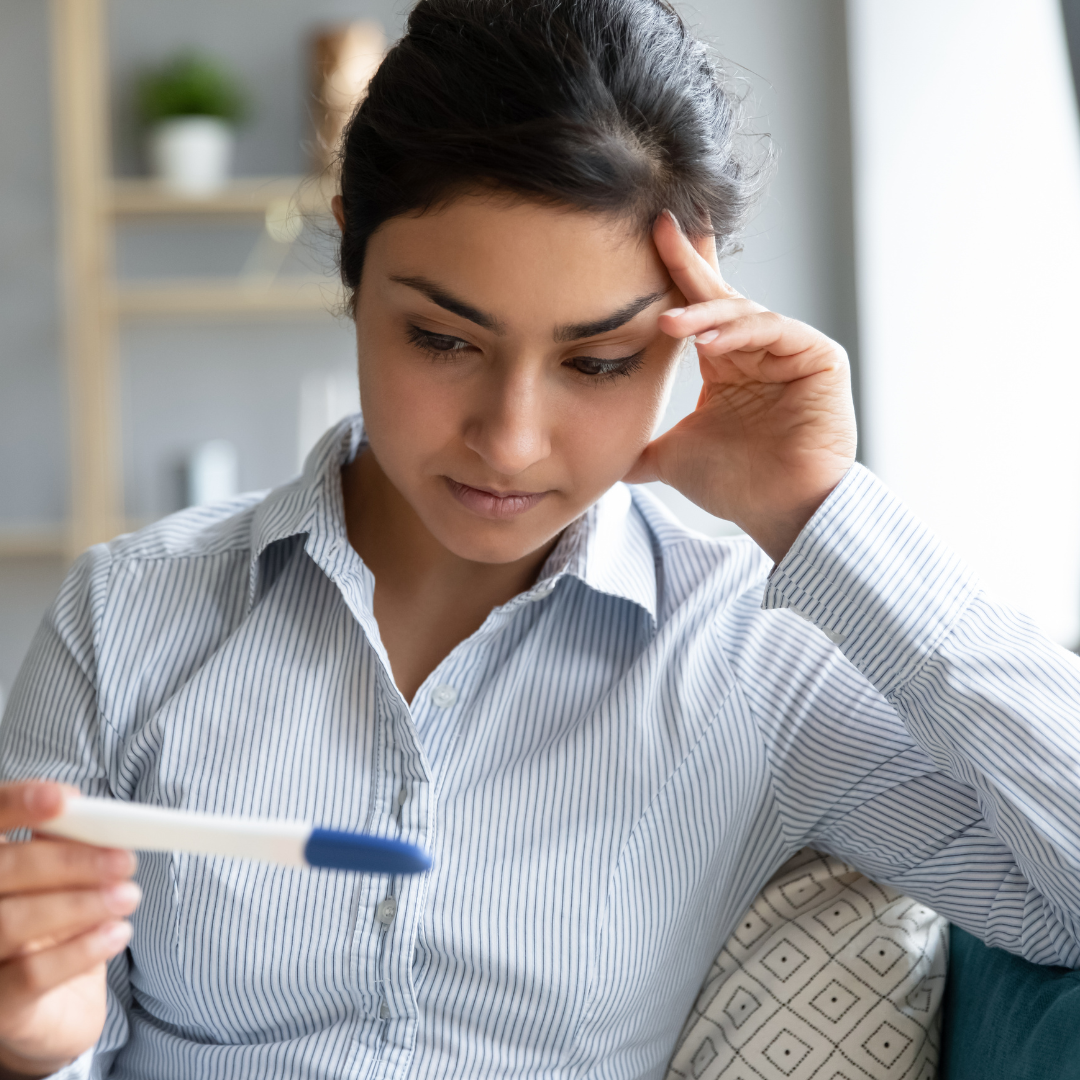
Female Infertility
Evaluation, ovulation induction and fertility-enhancing treatments.
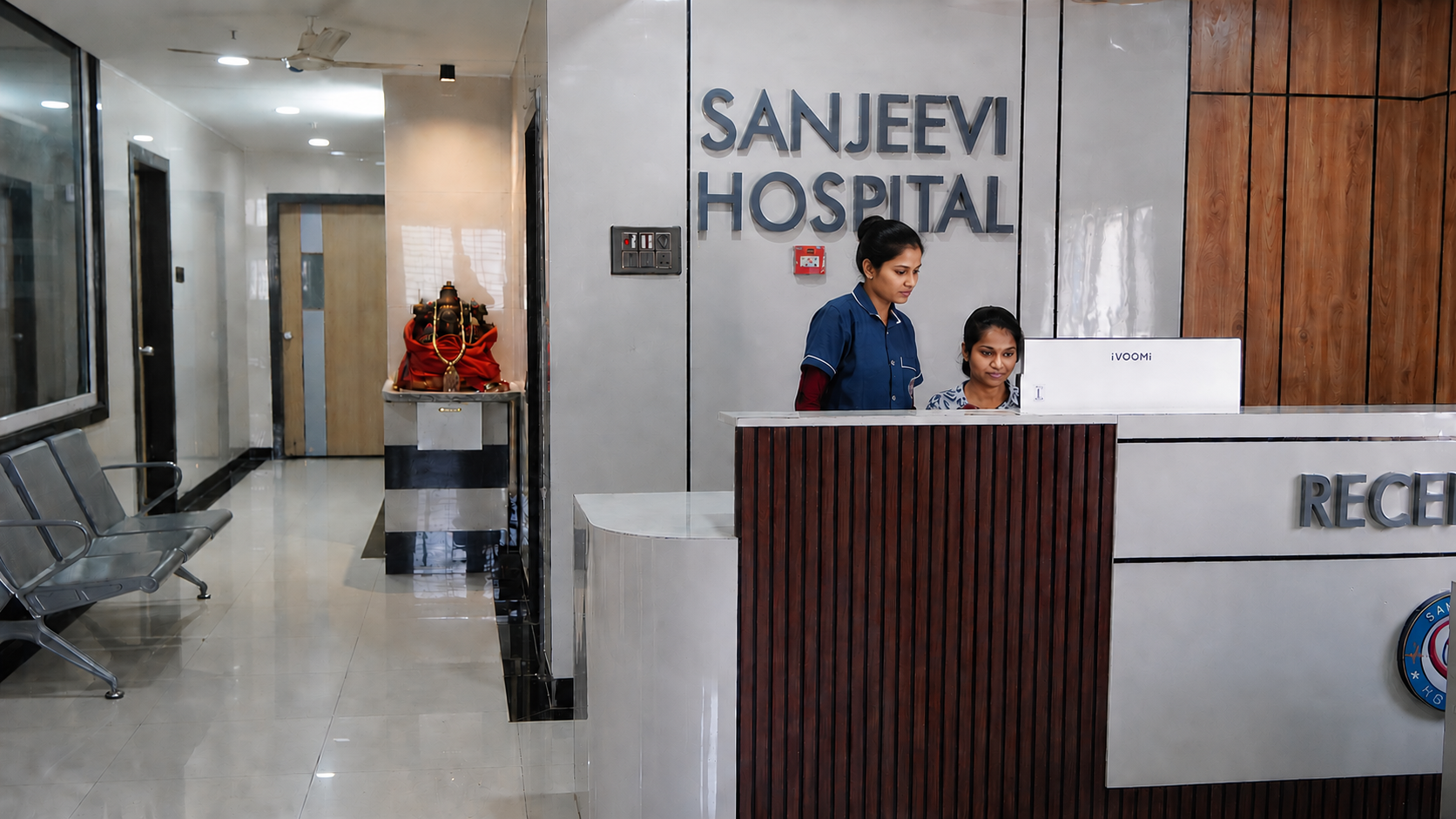
Answers about Ovarian Cysts
Common questions about Ovarian Cysts — diagnosis, treatment and recovery at Sanjeevi Hospital, Sangareddy.