
Menstrual Disorders
Heavy, irregular or painful periods — diagnosis and tailored treatment.
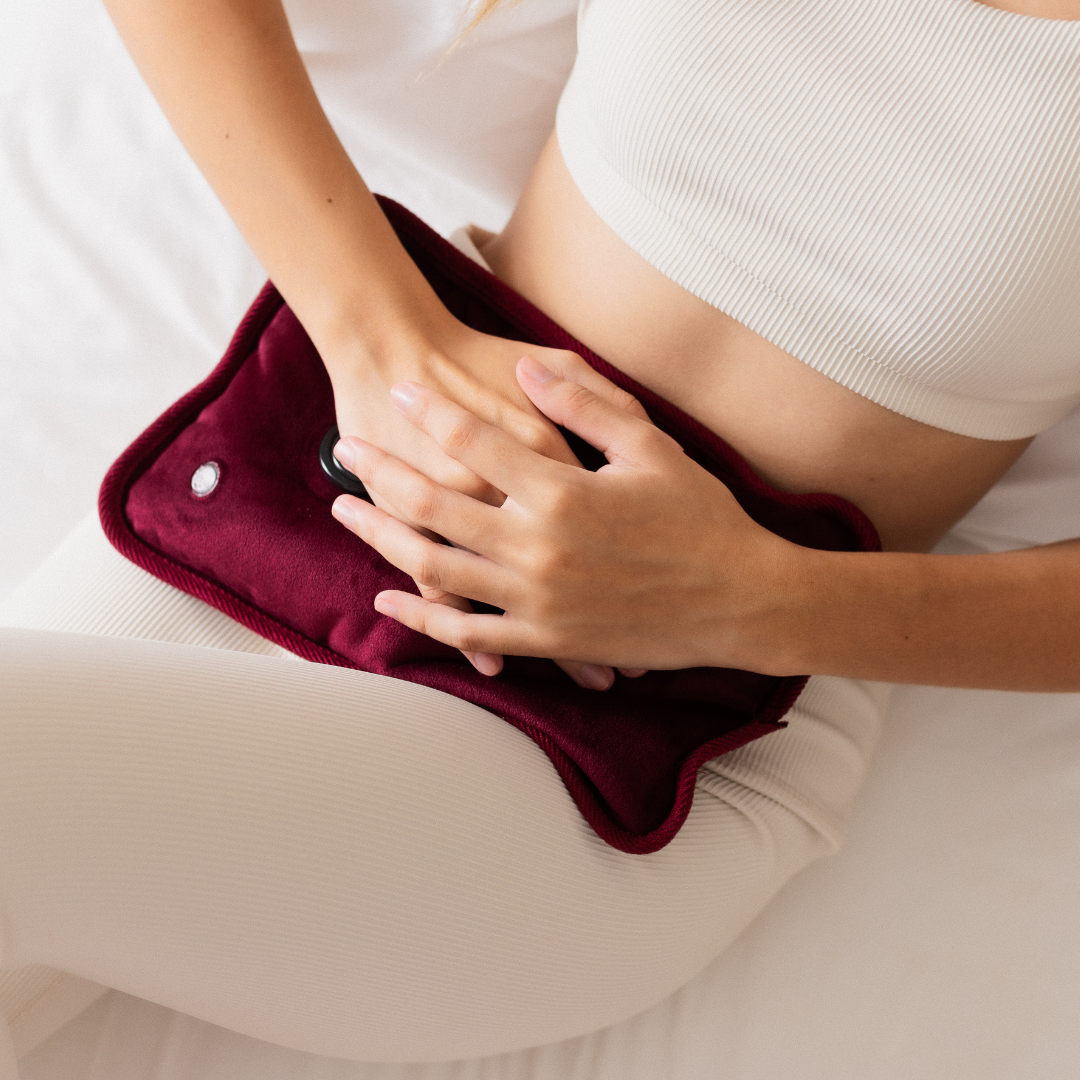
Overview
Menstrual disorders are more than just a monthly inconvenience; they are physical and emotional challenges that affect a significant portion of women in India. In our local context, factors such as nutritional deficiencies, hormonal imbalances (like PCOS), and high-stress lifestyles often contribute to disruptions in the natural cycle. A regular cycle is a vital sign of a woman's overall health, and recurring issues like heavy bleeding, extreme pain, or unpredictable timing should not be ignored. Many Indian women often dismiss these symptoms as a 'normal part of life,' but persistent irregularities can impact fertility, energy levels, and long-term wellness. At Sanjeevi Hospital, we focus on understanding the root cause—whether it is related to diet, stress, or an underlying medical condition—to help you regain control of your health. Our goal is to provide a supportive environment where you can discuss your concerns openly and receive a personalized treatment plan tailored to your body's specific needs.
Symptoms to watch for
- Periods that occur more often than every 21 days or less often than every 35 days
- Extremely heavy bleeding, such as needing to change a pad every hour or two
- Severe abdominal cramping or pelvic pain that prevents daily activities
- Menstrual bleeding that lasts for more than seven consecutive days
- Spotting or bleeding between scheduled periods or after physical intimacy
- The complete absence of a period for three or more months in a row
- Severe mood swings, irritability, or feelings of hopelessness before your period
- Passing large blood clots (larger than a one-rupee coin) during menstruation
- Extreme fatigue, dizziness, or shortness of breath during your cycle
Causes & risk factors
- Polycystic Ovary Syndrome (PCOS), a common hormonal disorder among Indian women
- Uterine fibroids, which are non-cancerous growths in the uterine wall
- Endometriosis, where tissue similar to the uterine lining grows outside the uterus
- Thyroid dysfunction, including both hyperthyroidism and hypothyroidism
- Pelvic Inflammatory Disease (PID), often caused by untreated infections
- High levels of emotional or physical stress affecting the brain's hormone signals
- Nutritional deficiencies, specifically low iron or sudden changes in body weight
- Perimenopause, the transition period leading up to menopause in older women
Diagnosis
- Detailed medical history and discussion of your menstrual cycle diary
- Pelvic examination to check for physical abnormalities or tenderness
- Blood tests to check hormone levels, thyroid function, and iron levels (Anemia check)
- Pelvic Ultrasound to visualize the uterus, ovaries, and fallopian tubes
- Endometrial biopsy to sample a small piece of the uterine lining
- Hysteroscopy, using a small camera to look inside the uterus for polyps or fibroids
- Pap smear to rule out cervical issues or infections
Treatment options
Hormonal Therapy
The use of oral tablets or patches to balance hormone levels and regulate the timing and flow of your period.
Non-Steroidal Anti-Inflammatory Drugs (NSAIDs)
Medications used to reduce severe period pain and help decrease heavy blood flow during your cycle.
Iron Supplementation
For women with heavy bleeding, we provide guided iron therapy to treat anemia and restore energy levels.
Mirena (Hormonal IUD)
A small device placed in the uterus that releases a hormone to significantly lighten heavy periods over a long duration.
Lifestyle and Nutritional Counseling
Our specialists help you modify your diet and exercise routine to manage conditions like PCOS naturally.
Surgical Interventions
Minimally invasive procedures like Myomectomy to remove fibroids or D&C to clear the uterine lining when necessary.
When to see a doctor
It is important to listen to your body and seek professional guidance if you experience sudden changes that worry you. Please visit Sanjeevi Hospital if you find yourself soaking through pads every hour, if your period pain is so intense that medication doesn't help, or if your periods have suddenly stopped. We also recommend a consultation if you are trying to conceive and have irregular cycles, or if you experience bleeding after you have already gone through menopause. Your comfort and peace of mind are our priority.
Prevention & self-care
- Maintain a balanced diet rich in iron, calcium, and green leafy vegetables like spinach
- Practice yoga or light exercise regularly to help regulate your body's natural hormones
- Keep a menstrual calendar or use a tracking app to monitor your cycle's regularity
- Practice stress-management techniques such as meditation or deep breathing exercises
- Stay hydrated and try to limit the intake of excessive caffeine and sugary foods
- Ensure you get 7-8 hours of restful sleep every night to support endocrine health
- Maintain a healthy body weight through consistent, moderate physical activity
- Attend regular gynecological check-ups even if you don't have active symptoms
Related conditions
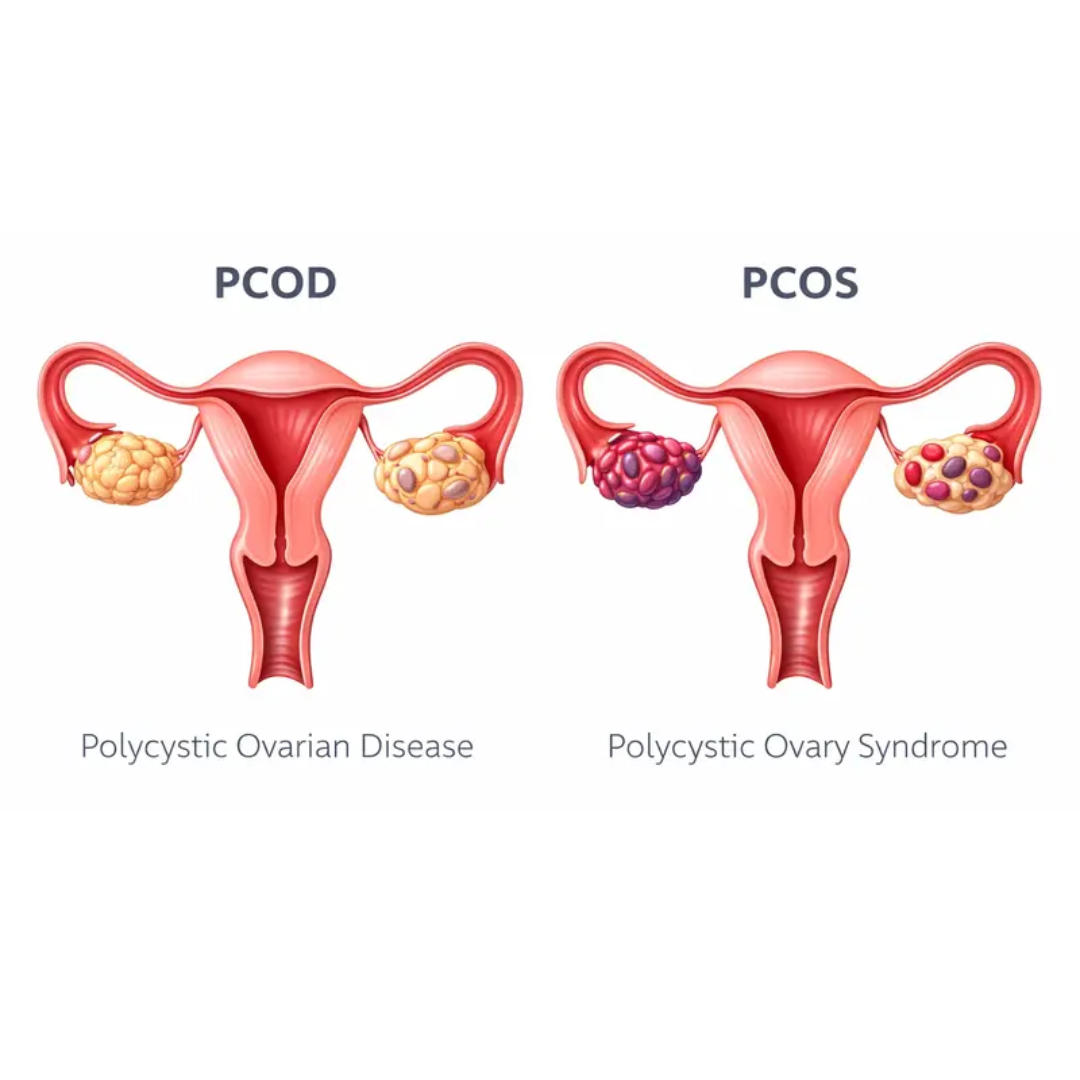
PCOS / PCOD
Hormonal imbalance, irregular cycles, weight gain — lifestyle and medical treatment.
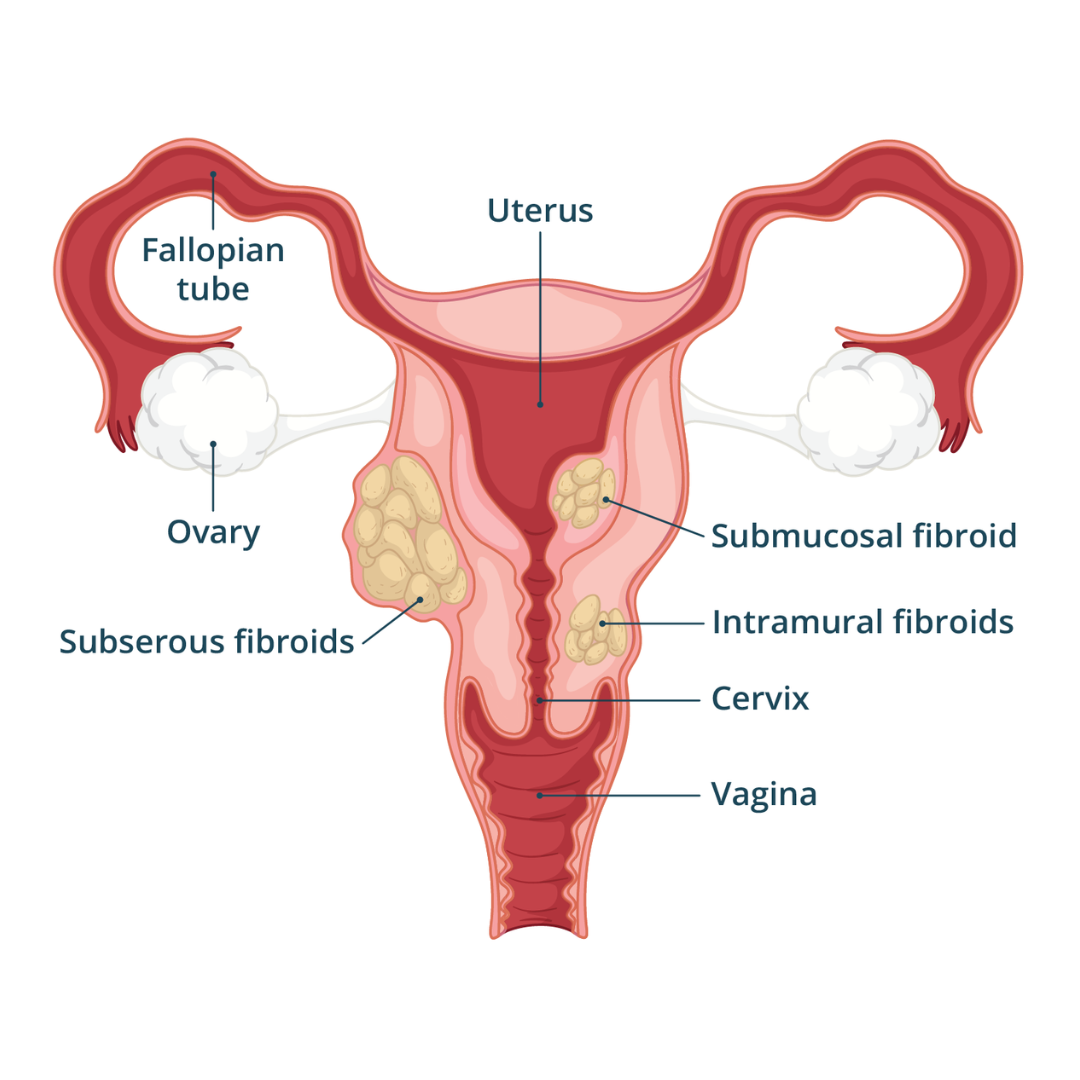
Uterine Fibroids
Heavy periods and pelvic pressure — medication, myomectomy and hysterectomy.
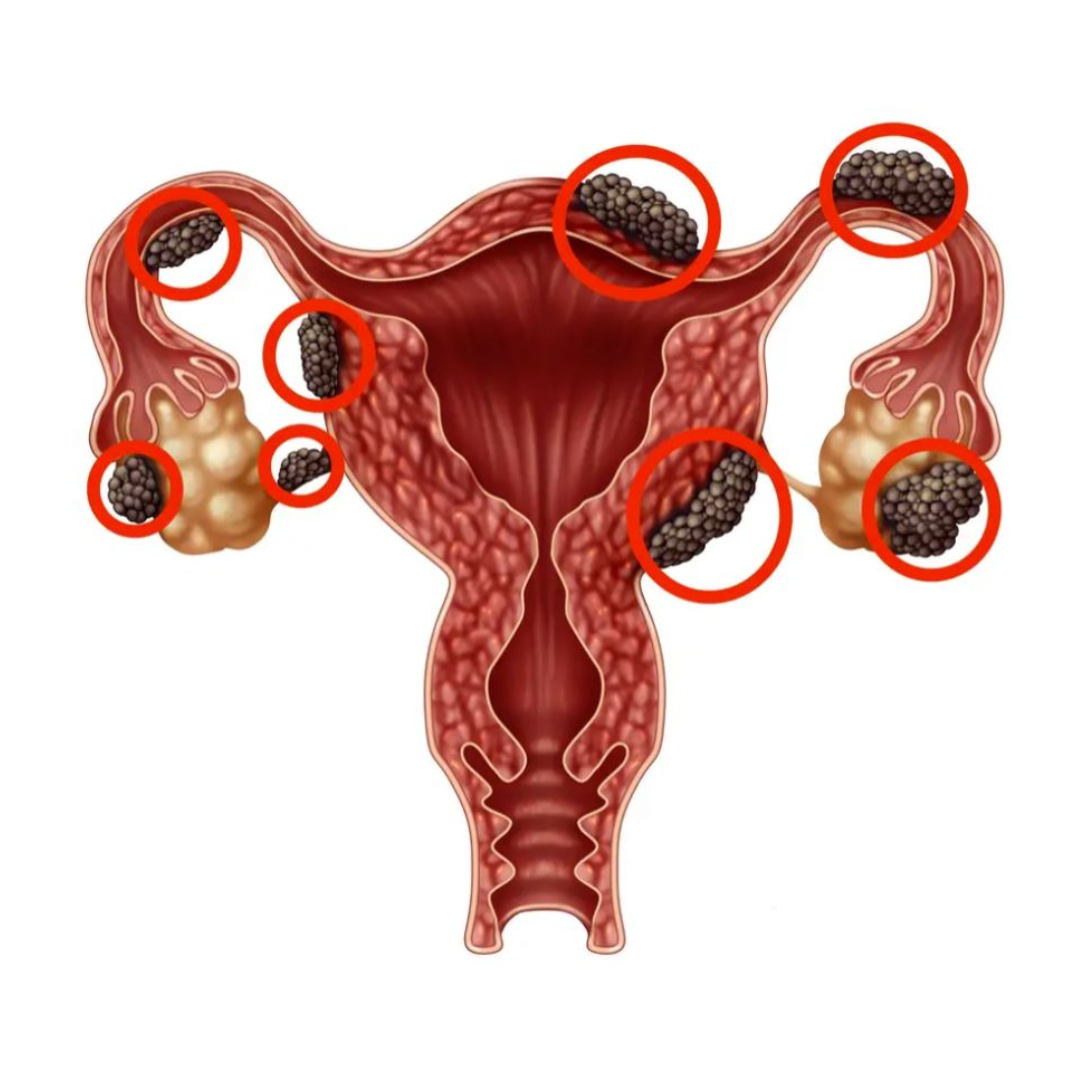
Endometriosis
Painful periods and pelvic pain — laparoscopic diagnosis and treatment.
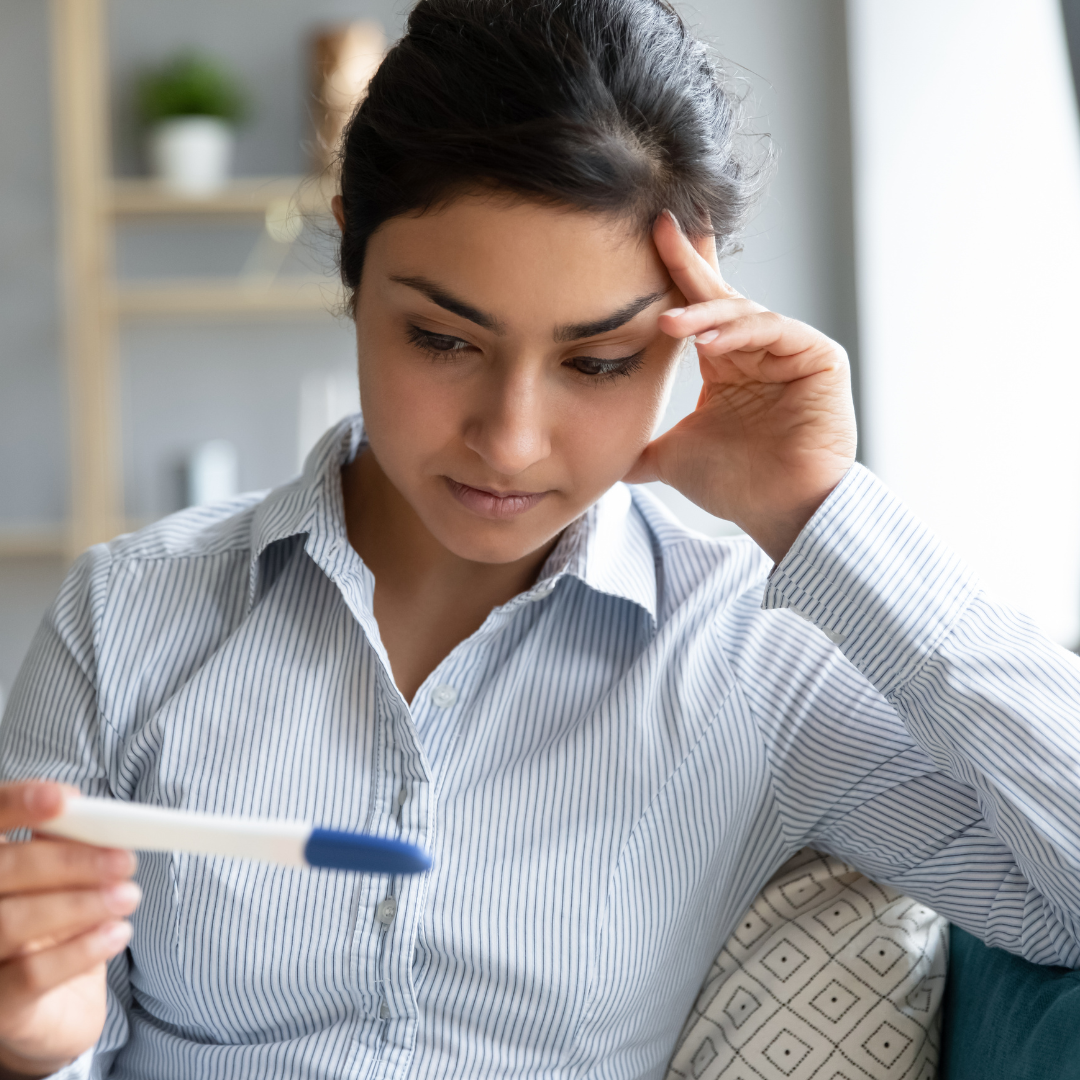
Female Infertility
Evaluation, ovulation induction and fertility-enhancing treatments.
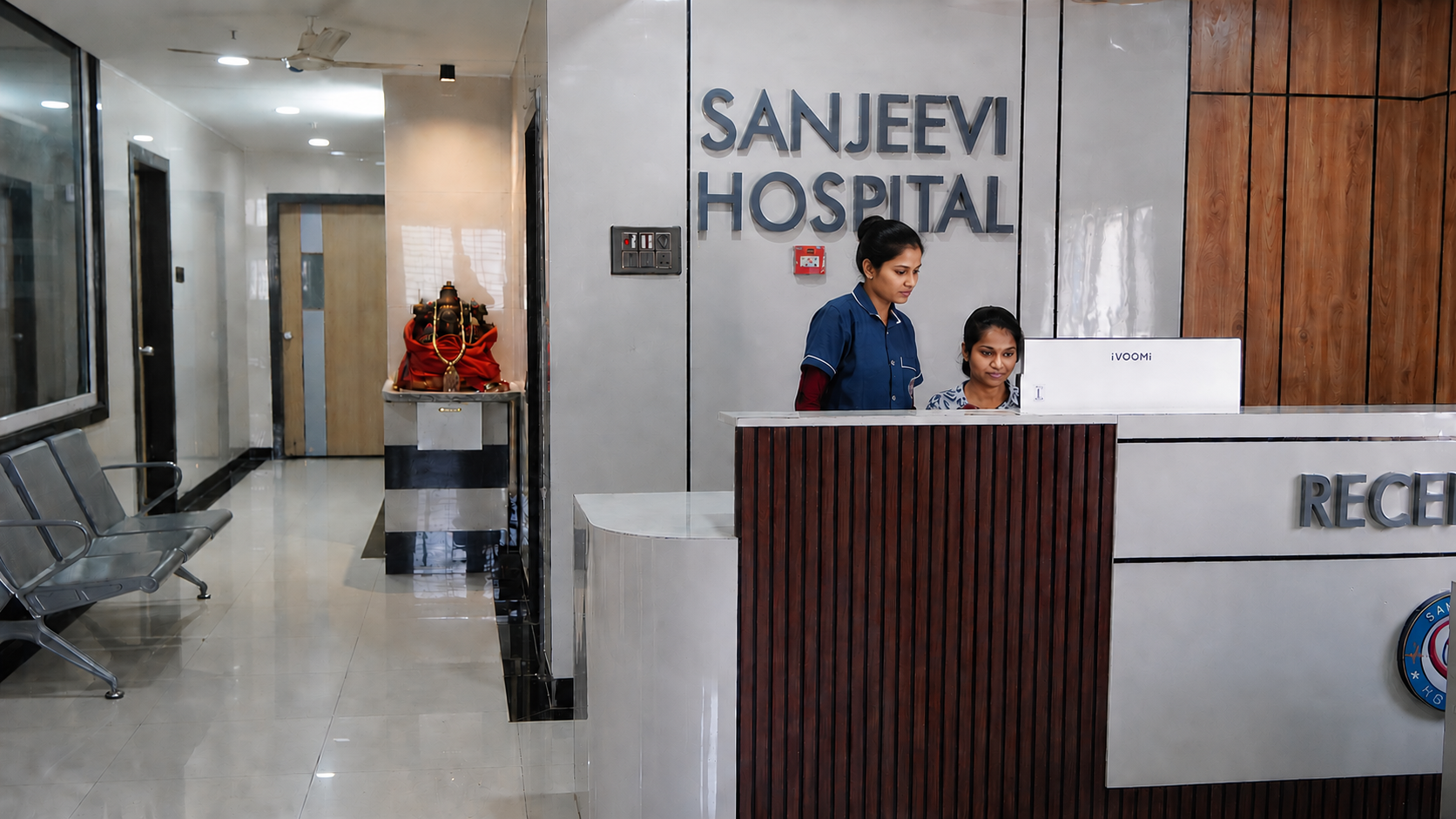
Answers about Menstrual Disorders
Common questions about Menstrual Disorders — diagnosis, treatment and recovery at Sanjeevi Hospital, Sangareddy.