
Laparoscopic Hysterectomy
Minimally invasive uterus removal with faster recovery.
Overview
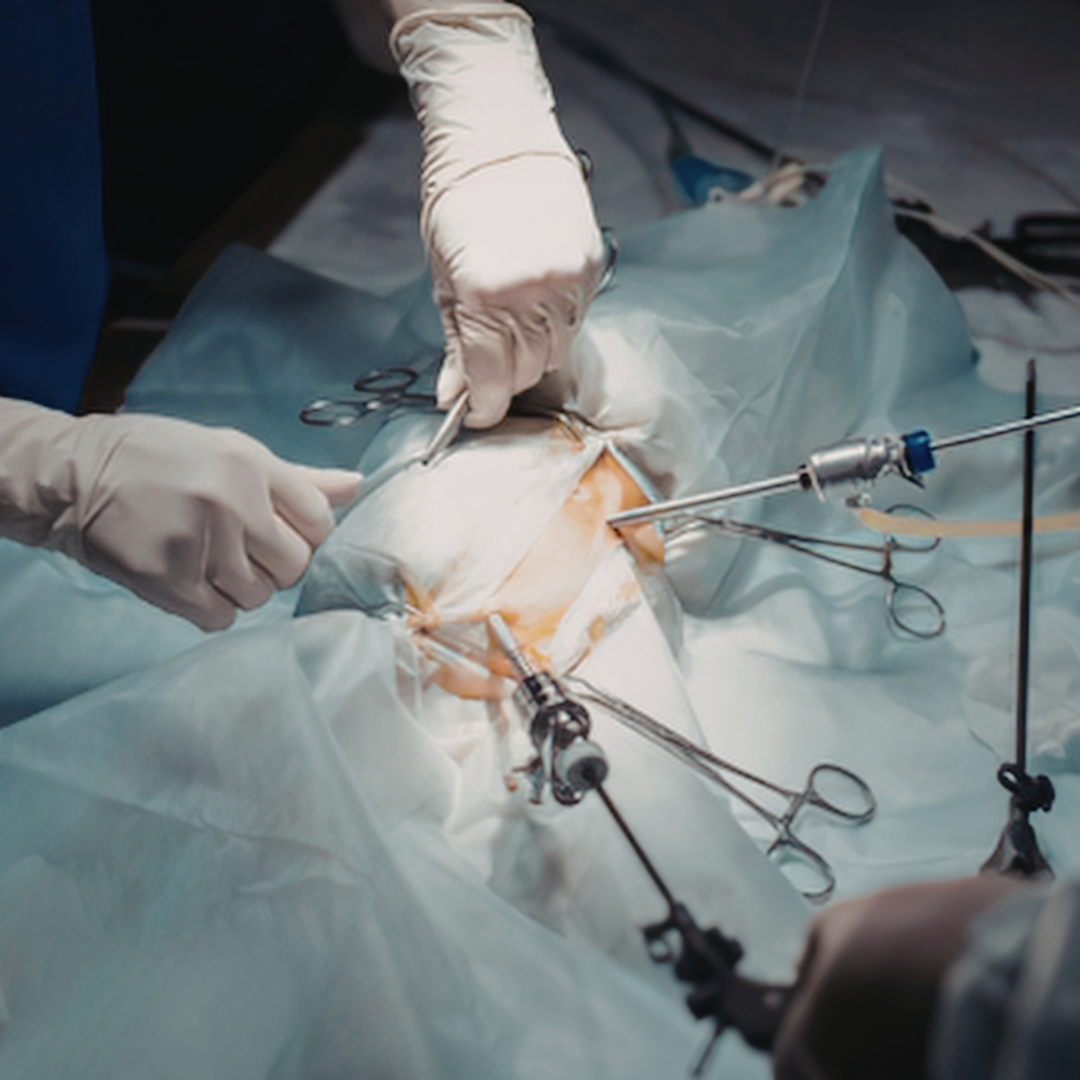
A laparoscopic hysterectomy is a modern, minimally invasive surgical procedure used to remove the uterus through very small incisions in the abdomen. Unlike traditional open surgery that requires a large cut, this approach utilizes a tiny camera called a laparoscope and specialized instruments to perform the surgery with precision. In India, many women undergo this procedure to treat conditions like large fibroids, severe endometriosis, or chronic pelvic pain that hasn't responded to medicine. This method is increasingly preferred at Sanjeevi Hospital because it results in much less blood loss, significantly smaller scars, and a much faster return to daily home and work activities. It represents a significant advancement in women's healthcare, allowing patients to prioritize their health without the long, painful recovery periods associated with older surgical methods. Our specialists in Sangareddy ensure that each patient receives personalized care, explaining every step of the journey towards a healthier, pain-free life.
Symptoms to watch for
- Heavy or prolonged menstrual bleeding that disrupts daily life
- Severe pelvic pain or pressure that does not go away
- Frequent urination caused by an enlarged uterus pressing on the bladder
- Pain during or after intimate personal relations
- Feeling of fullness or 'heaviness' in the lower abdomen
- Persistent backaches associated with pelvic issues
- Anemia or extreme tiredness due to excessive blood loss
- Difficulty with bowel movements due to uterine pressure
- Irregular spotting or bleeding between monthly cycles
Causes & risk factors
- Uterine fibroids which are non-cancerous growths in the uterus wall
- Endometriosis where uterine lining grows outside the uterus causing pain
- Adenomyosis where the uterine lining grows into the muscle of the uterus
- Uterine prolapse when the uterus slides down into the vaginal canal
- Cancers of the uterus, cervix, or ovaries requiring surgical intervention
- Chronic pelvic inflammatory disease that causes long-term damage
- Abnormal and uncontrollable vaginal bleeding that fails other treatments
- Thickening of the uterine lining (hyperplasia) that may lead to cancer
Diagnosis
- Detailed pelvic examination by a specialist gynecologist
- Transvaginal ultrasound to visualize the uterus and ovaries clearly
- Pelvic MRI for a highly detailed view of complex fibroids or growths
- Endometrial biopsy to check for abnormal cells in the uterine lining
- Hysteroscopy where a small camera is inserted through the cervix
- Complete blood count (CBC) to check for anemia from heavy bleeding
- Pap smear test to screen for any cervical abnormalities
Treatment options
Total Laparoscopic Hysterectomy (TLH)
The entire uterus and cervix are removed using small incisions and a camera, offering the quickest recovery time for most patients.
Laparoscopic Supracervical Hysterectomy
In this procedure, only the upper part of the uterus is removed while the cervix is left intact, which some patients prefer for specific health reasons.
Laparoscopically Assisted Vaginal Hysterectomy (LAVH)
A combined approach where the doctor uses the laparoscope to detach the uterus and then removes it through the vaginal opening.
Hormone Replacement Therapy (HRT)
Following surgery, especially if ovaries were removed, we provide hormonal support to manage menopause symptoms and protect bone health.
Post-Operative Pain Management
A comprehensive plan using local anesthesia and mild pain relievers to ensure you remain comfortable throughout your hospital stay and at home.
Pelvic Floor Physical Therapy
Specific exercises guided by our specialists to help strengthen your core and pelvic muscles after the healing process is complete.
Nutritional and Lifestyle Counseling
Personalized dietary advice focusing on iron-rich Indian foods and fiber to support healing and prevent constipation after surgery.
Scheduled Follow-up Care
Regular check-ups at Sanjeevi Hospital to monitor your internal healing, manage your stitches, and clear you for exercise and work.
When to see a doctor
It is important to consult our specialists if your periods are so heavy that you change pads every hour, or if you experience sharp, stabbing pain in your lower belly. Please do not ignore persistent bloating or a feeling of a lump in your pelvic area. At Sanjeevi Hospital, we understand these symptoms can be worrying; we are here to listen with empathy and provide the right guidance. If you feel dizzy, extremely weak, or have pain that prevents you from sleeping, it is time to seek professional medical advice immediately.
Prevention & self-care
- Maintain a healthy body weight through a balanced diet to regulate hormones
- Include local greens like spinach and drumstick leaves for natural iron
- Practice regular yoga or light walking to improve pelvic blood circulation
- Schedule annual gynecological check-ups and Pap smears for early detection
- Stay hydrated by drinking at least 2-3 liters of water daily
- Manage stress through meditation to help maintain hormonal balance
- Avoid smoking as it can complicate pelvic health and surgical recovery
- Discuss any family history of uterine issues early with your doctor
Related conditions
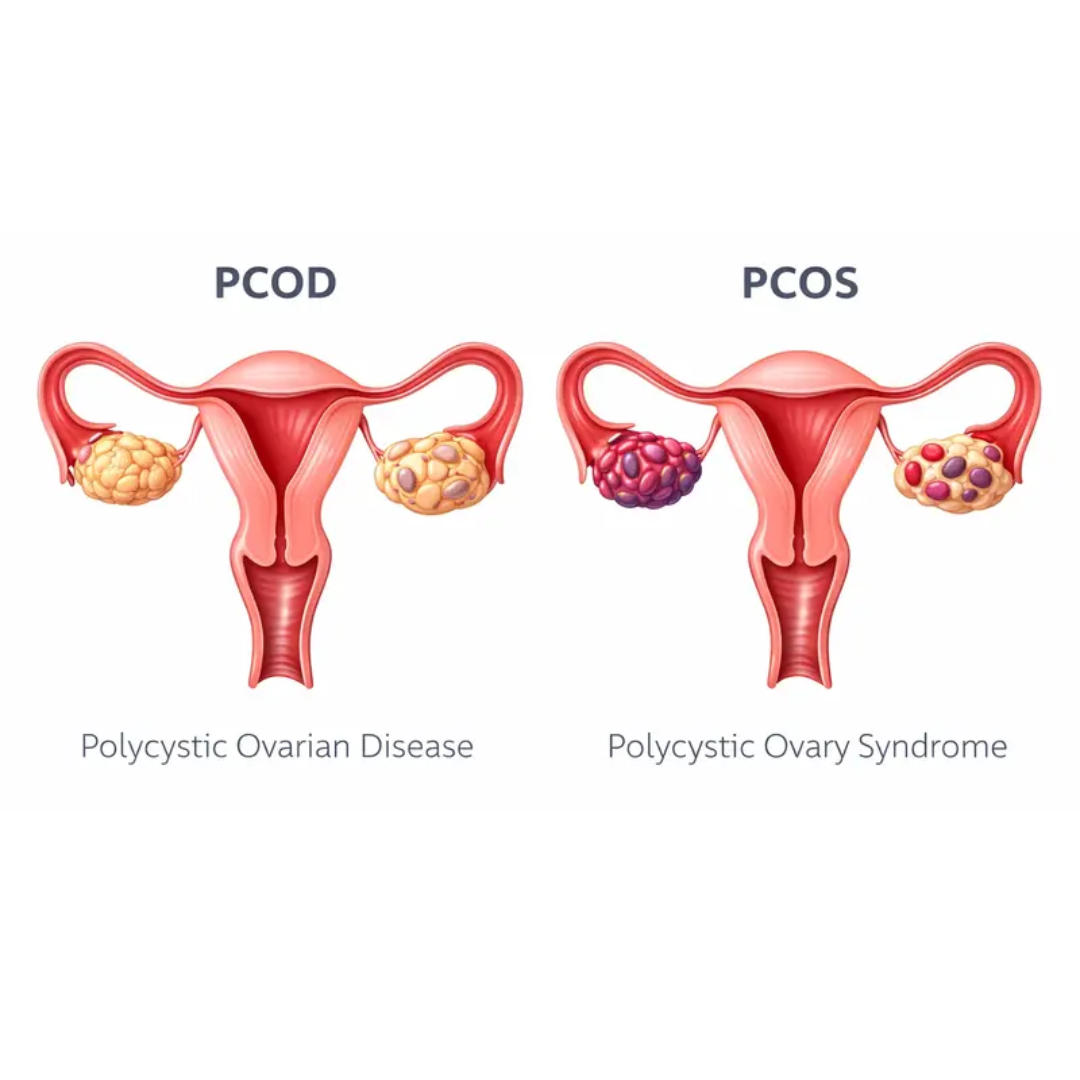
PCOS / PCOD
Hormonal imbalance, irregular cycles, weight gain — lifestyle and medical treatment.
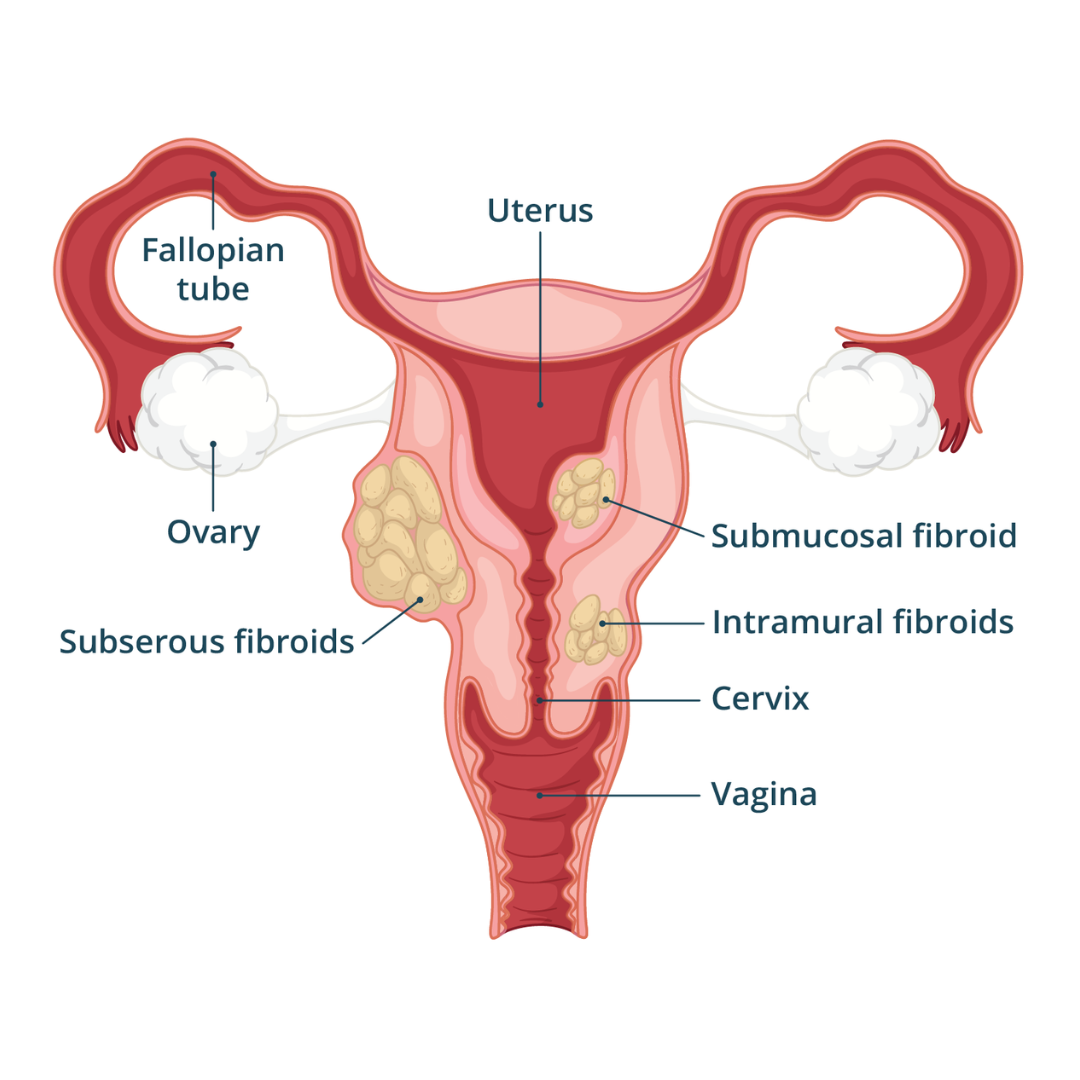
Uterine Fibroids
Heavy periods and pelvic pressure — medication, myomectomy and hysterectomy.
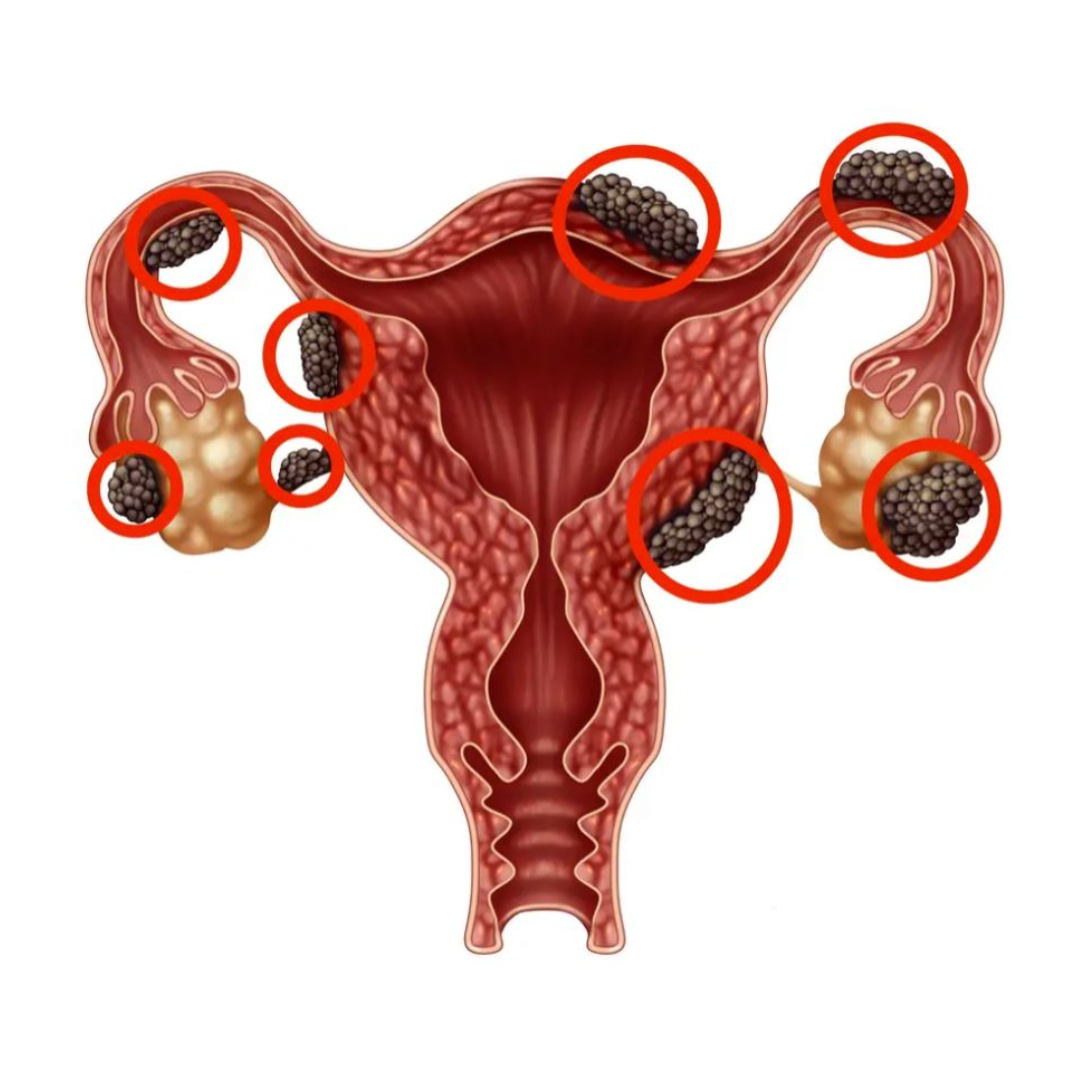
Endometriosis
Painful periods and pelvic pain — laparoscopic diagnosis and treatment.
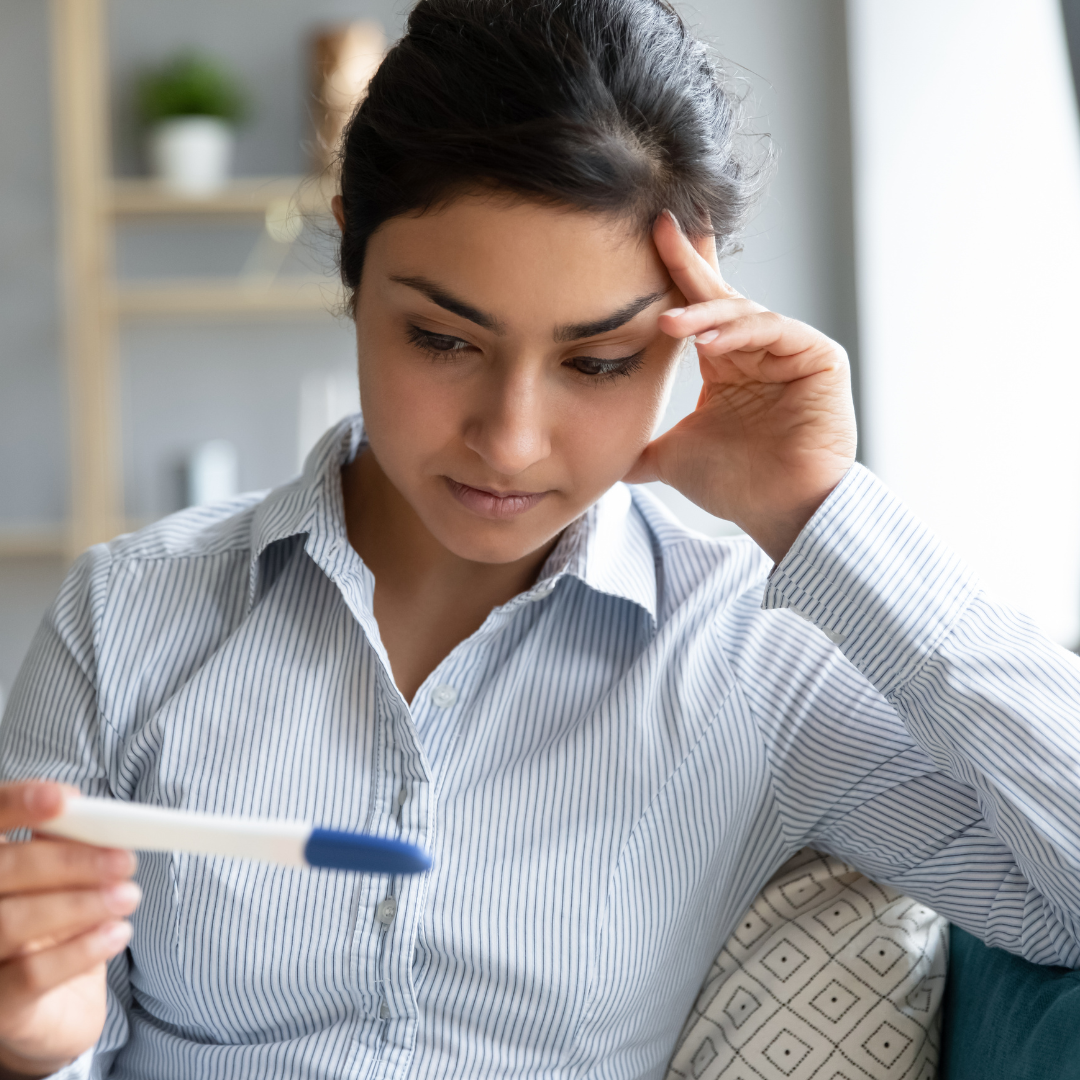
Female Infertility
Evaluation, ovulation induction and fertility-enhancing treatments.
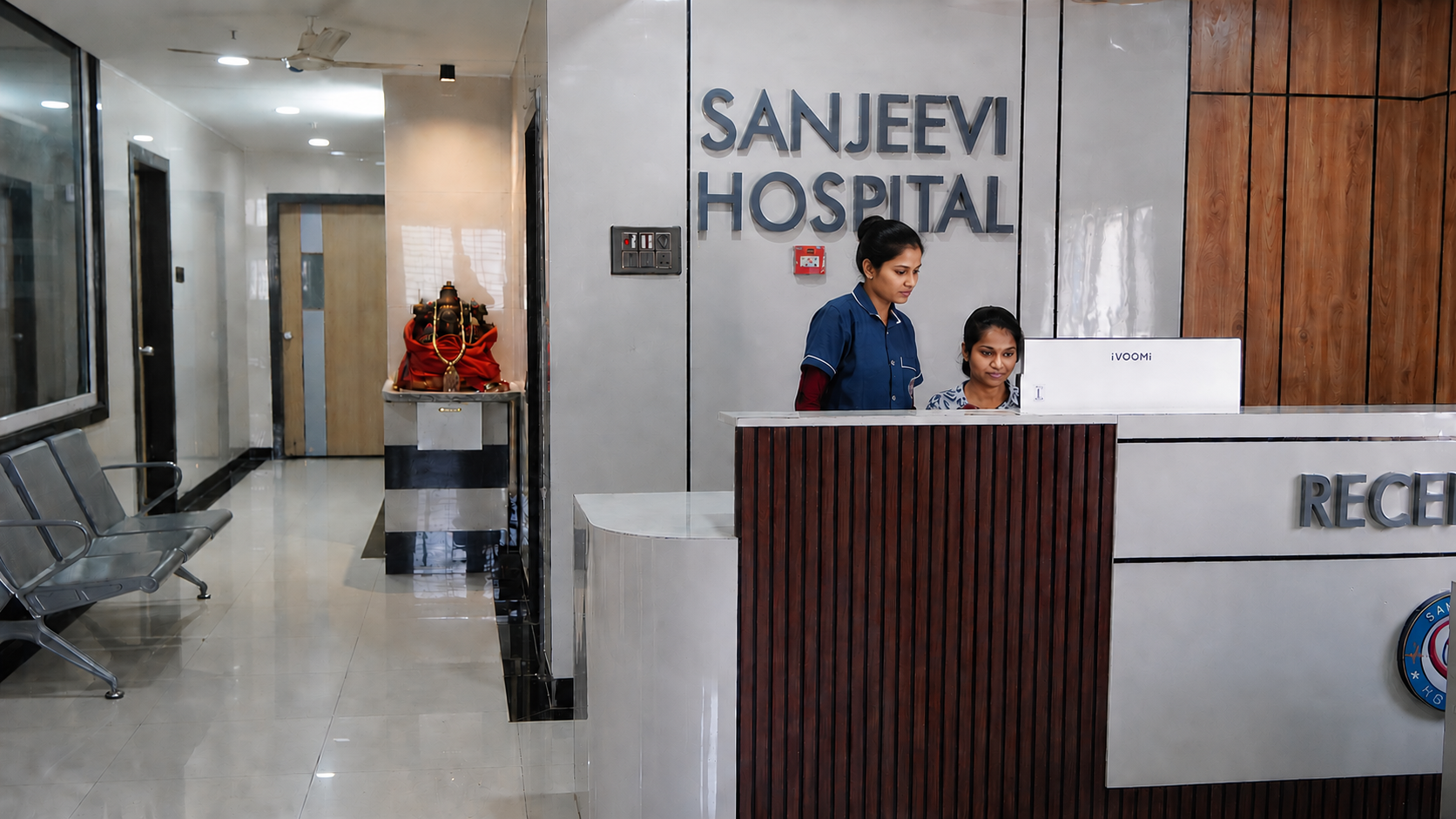
Answers about Laparoscopic Hysterectomy
Common questions about Laparoscopic Hysterectomy — diagnosis, treatment and recovery at Sanjeevi Hospital, Sangareddy.