
Cervical Spondylosis
Neck pain, stiffness and arm tingling — modern management.
Overview
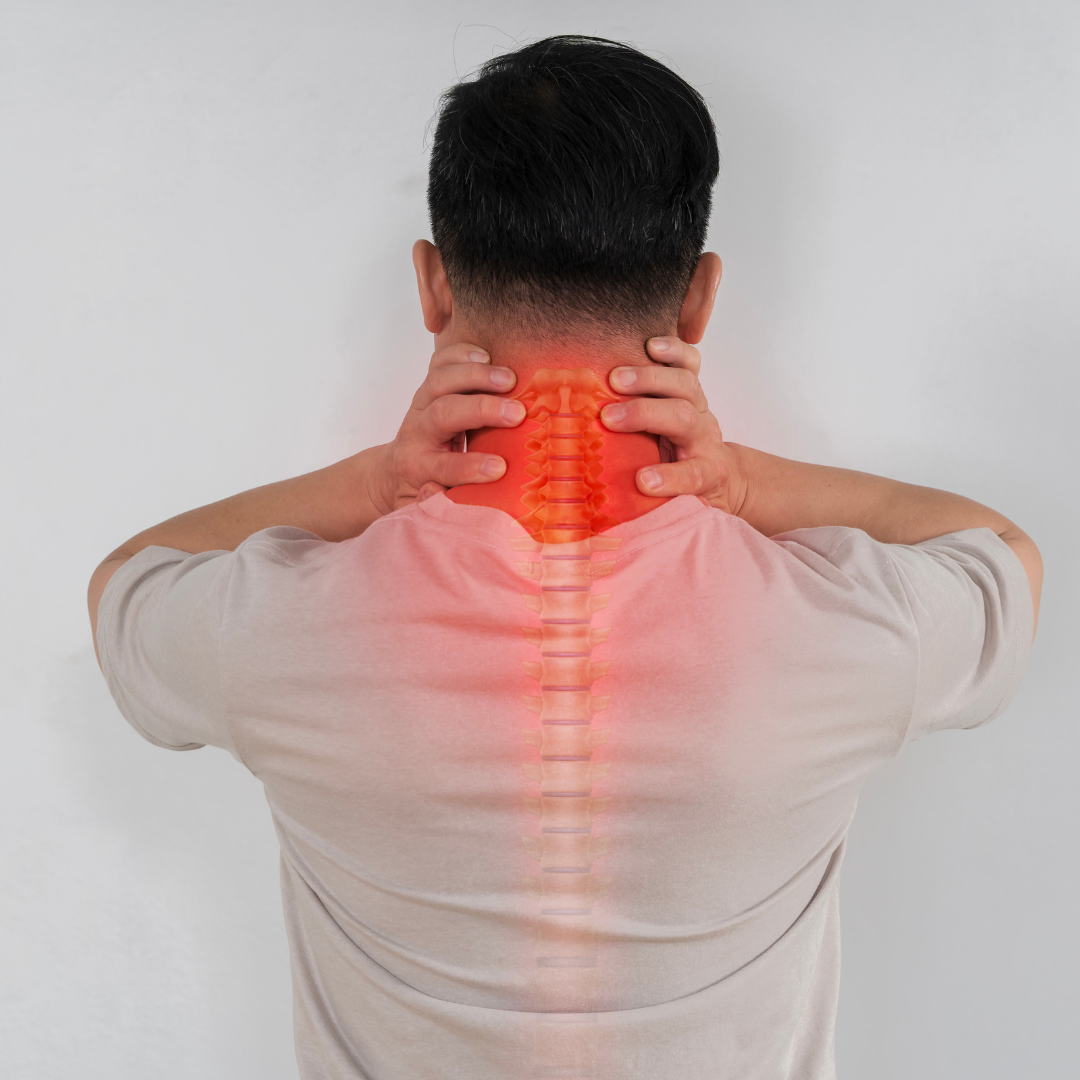
Cervical Spondylosis is a general term for age-related wear and tear affecting the spinal disks in your neck. As the disks dehydrate and shrink, signs of osteoarthritis develop, including bony projections along the edges of bones called bone spurs. In India, this condition is becoming increasingly common not just among the elderly, but also among young professionals and students due to prolonged 'tech-neck'—the habit of looking down at smartphones and laptops for hours. At Sanjeevi Hospital in Sangareddy, we understand that neck health is vital for your daily productivity. While it is a natural part of aging for many, it can cause significant discomfort, stiffness, and even nerve compression if left unmanaged. Our orthopedic team focuses on holistic recovery, ensuring that your mobility is restored through a combination of lifestyle adjustments, modern physiotherapy, and advanced medical interventions tailored to the Indian lifestyle and workplace demands.
Symptoms to watch for
- Persistent aching or soreness in the neck area.
- Stiffness in the neck that makes it difficult to turn your head.
- Grinding or popping noise (crepitus) when you move your neck.
- Tingling, numbness, or a 'pins and needles' sensation in the arms or fingers.
- Weakness in the hands, making it hard to grip objects or button a shirt.
- Occasional headaches that seem to start from the base of the skull.
- Loss of balance or difficulty walking in more advanced cases.
- Muscle spasms in the neck and shoulders.
- Pain that worsens when you stand, sneeze, or tilt your head backward.
Causes & risk factors
- Natural aging leading to the drying and shrinking of spinal disks.
- Herniated disks where cracks appear, causing internal cushioning material to bulge out.
- Bone spurs or overgrowths that the body produces to strengthen the spine, which can pinch nerves.
- Stiff ligaments that connect spinal bones, which become less flexible over time.
- Poor posture during work, especially while using computers or mobile devices.
- Previous neck injuries like whiplash from accidents or sports.
- Occupations involving repetitive neck movements or heavy overhead lifting.
- Genetics and family history of neck pain or spinal issues.
- Smoking, which has been linked to increased neck pain and disk degradation.
Diagnosis
- A thorough physical exam to check your range of motion and nerve reflexes.
- X-ray of the neck to check for bone spurs and disk height loss.
- MRI scans to provide detailed images of soft tissues like disks and nerves.
- CT scan for a more detailed view of the bony structures of the cervical spine.
- Electromyography (EMG) to measure the electrical activity in your nerves.
- Nerve conduction study to see how well and how fast your nerves send signals.
- Review of your medical history and lifestyle habits with our specialists.
Treatment options
Physiotherapy and Exercise
Our therapists design specific stretching and strengthening exercises to stabilize the neck and improve flexibility.
Pain Management Medications
Non-steroidal anti-inflammatory drugs and muscle relaxants are used to reduce swelling and ease muscle spasms.
Hot and Cold Therapy
Applying heat packs or ice to the neck area helps soothe sore muscles and reduce acute inflammation.
Soft Cervical Collars
A padded ring worn around the neck to limit motion and allow the neck muscles to rest during acute pain phases.
Epidural Steroid Injections
Guided injections near the spine to reduce nerve-related inflammation and provide long-lasting pain relief.
Lifestyle and Ergonomic Counseling
Guidance on adjusting your workstation, pillow height, and posture to prevent further strain on the cervical spine.
Surgical Intervention
In rare cases where nerves are severely compressed, our surgeons may perform decompression or fusion procedures.
When to see a doctor
It is important to listen to your body and seek professional help early. Please visit Sanjeevi Hospital if you notice a sudden onset of numbness or weakness in your arms, or if you lose control over your bladder or bowels. If your neck pain is so severe that it interferes with your sleep or daily tasks, or if you feel unsteady while walking, our compassionate orthopedic team is here to provide a detailed evaluation and a reassuring path toward recovery.
Prevention & self-care
- Maintain a 'neutral' spine position while sitting—keep your ears directly above your shoulders.
- Take frequent breaks (every 30 minutes) from screen time to stretch your neck.
- Choose a firm pillow that supports the natural curve of your neck while sleeping.
- Incorporate gentle neck rotations and shoulder shrugs into your daily routine.
- Avoid tucking your phone between your ear and shoulder while multitasking.
- Keep your computer screen at eye level to avoid looking down for long periods.
- Stay hydrated and eat a balanced diet rich in calcium and Vitamin D for bone health.
- Quit smoking to improve blood flow to the spinal structures.
Related conditions

Fracture Care & Trauma
Plaster, splinting and surgical fixation for bone fractures.

Knee Pain & Arthritis
Cartilage wear, swelling and stiffness — medication, physiotherapy and surgical referral.
Back & Spine Pain
Slipped disc, lumbar pain and neck pain — non-surgical and surgical options.

Frozen Shoulder
Painful, restricted shoulder — physiotherapy and injections.

Answers about Cervical Spondylosis
Common questions about Cervical Spondylosis — diagnosis, treatment and recovery at Sanjeevi Hospital, Sangareddy.