
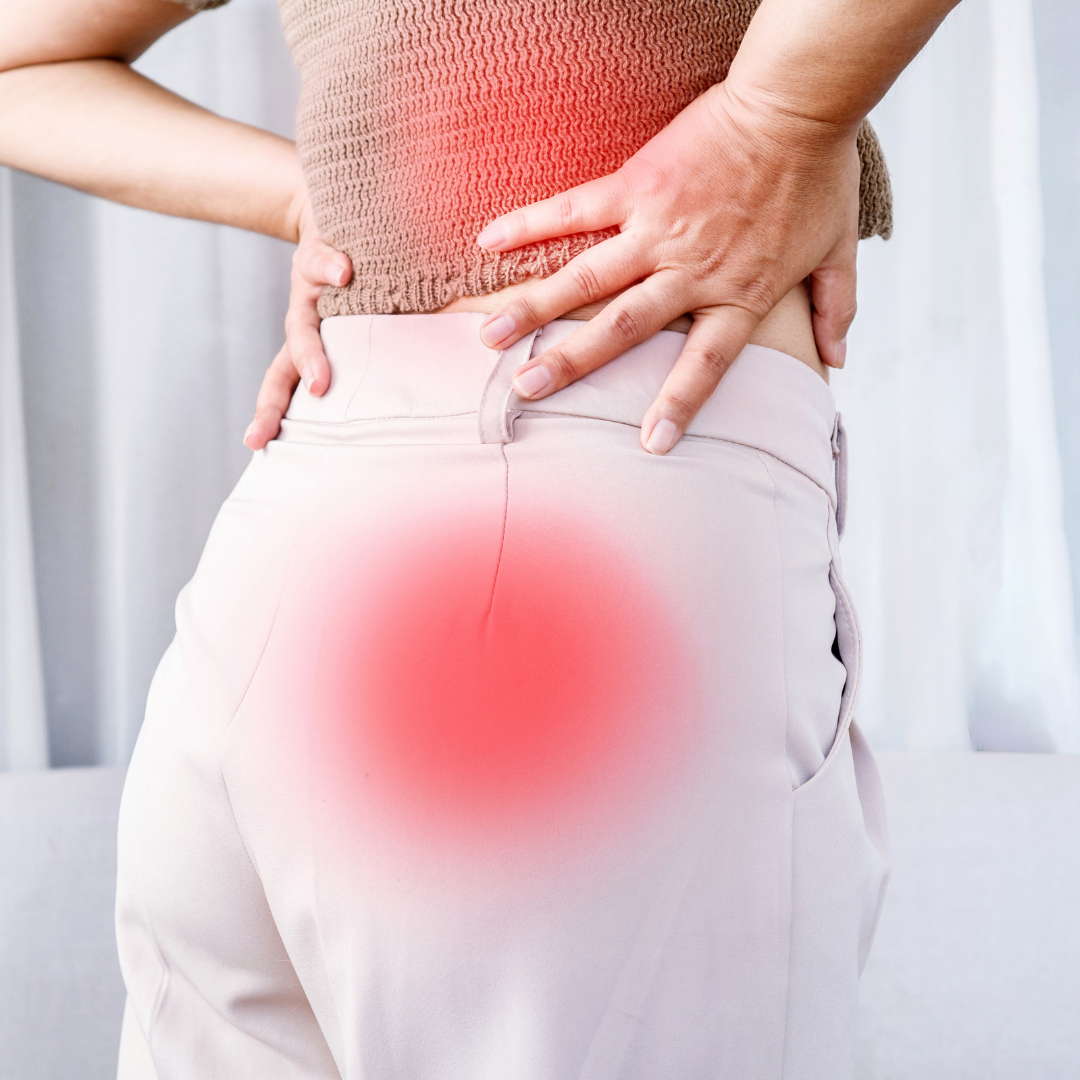
Overview
Sciatica is not a disease itself, but a term used to describe the sharp, shooting pain that radiates along the path of the sciatic nerve, which travels from your lower back, through your hips and buttocks, and down each leg. In India, back-related issues are incredibly common due to various factors including long commuting hours on bumpy roads, sedentary lifestyles, and heavy lifting in occupations such as farming or construction. For many patients in the Sangareddy and Medak regions, this condition can make simple daily activities like walking to the local market or sitting at a desk feel unbearable. While the pain can be intense, the good news is that most cases of sciatica resolve with non-surgical treatments within a few weeks. Understanding the underlying cause is the first step toward lasting relief and regaining your mobility. At Sanjeevi Hospital, we focus on restoring your comfort and movement using scientific, patient-centered approaches tailored to your specific lifestyle needs and physical demands.
Symptoms to watch for
- A sharp, electric-shock-like pain that travels from the lower back down to the back of the thigh and calf.
- Pain that typically affects only one side of your body.
- A constant dull ache in one buttock that worsens when you sit down for long periods.
- Tingling sensations, often described as 'pins and needles,' in your feet or toes.
- Numbness or a loss of feeling in certain parts of the affected leg.
- Muscle weakness in the leg or foot, making it difficult to lift your toes off the floor.
- Pain that intensifies when you cough, sneeze, or strain during a bowel movement.
- Burning sensations that radiate downward, often making it hard to stand up straight.
- Difficulty moving the leg or foot due to a cramped or heavy feeling.
Causes & risk factors
- Herniated or 'slipped' discs where the soft inner cushion of the spine pushes out and presses on the nerve.
- Bone spurs, which are overgrowths of bone on the vertebrae that narrow the nerve's path.
- Lumbar spinal stenosis, a condition where the spinal canal narrows due to aging or wear and tear.
- Spondylolisthesis, where one vertebra slips forward over another, pinching the nerve root.
- Piriformis syndrome, where a small muscle in the buttock becomes tight or spasms, compressing the nerve.
- Age-related changes in the spine, which are very common in individuals over the age of 40.
- Obesity or excess body weight, which increases the physical stress on your lower spine.
- Occupational strain from jobs that require twisting the back, carrying heavy loads, or long hours of driving.
Diagnosis
- A detailed physical exam to check your muscle strength, reflexes, and how you respond to specific movements.
- The Straight Leg Raise (SLR) test, where the doctor lifts your leg to see if it triggers the characteristic pain.
- X-rays of the lower spine to look for bone overgrowths, fractures, or alignment issues.
- MRI scans to provide detailed images of soft tissues, including discs, ligaments, and the sciatic nerve itself.
- CT scans which can help visualize the bony structures of the spinal canal with great precision.
- Electromyography (EMG) to measure how well electrical signals move through the nerve and into the muscles.
- Review of your medical history and lifestyle factors to identify triggers like sitting posture or heavy lifting.
Treatment options
Step-wise Physiotherapy
A customized exercise program designed by our therapists to strengthen core muscles, improve flexibility, and correct your posture to take pressure off the nerve.
Pain Management Medications
Use of anti-inflammatory medicines and muscle relaxants to reduce swelling around the nerve and soothe muscle spasms in the lower back.
Epidural Steroid Injections
Targeted injections of anti-inflammatory medication directly into the space around the spinal nerve to provide temporary but significant relief for severe pain.
Hot and Cold Therapy
Alternating between ice packs to reduce inflammation and heat pads to relax tight muscles and improve blood flow to the affected area.
Lifestyle and Activity Modification
Guidance on ergonomic changes, such as using a lumbar support pillow or taking frequent breaks from sitting, to prevent further irritation of the nerve.
Microdiscectomy
A minimally invasive surgical procedure performed by our specialists to remove the portion of a herniated disc that is pressing on the nerve, usually considered when other treatments haven't worked.
Nerve Glide Exercises
Specific, gentle stretching techniques taught by experts to help the sciatic nerve move more freely through its surrounding tissues without getting caught.
When to see a doctor
While most sciatic pain fades with rest, please do not ignore 'red flag' symptoms. Seek immediate medical attention at Sanjeevi Hospital if you experience sudden, severe pain following a fall or accident, or if you notice numbness in your groin area. Most importantly, if you lose control of your bladder or bowels, or if your leg becomes so weak that you cannot walk, visit our 24x7 emergency department immediately. We are here to listen and help you recover safely.
Prevention & self-care
- Always maintain a straight back and keep your feet flat on the floor while sitting for long periods.
- Learn the correct technique for lifting heavy objects: bend your knees and keep your back straight, using your legs for power.
- Perform daily core-strengthening exercises to provide better support for your lower spine.
- Maintain a healthy body weight to reduce the constant mechanical load on your spinal discs.
- Avoid sleeping on a mattress that is too soft; use a medium-firm mattress that supports the natural curve of your back.
- Take short walking breaks every 30 to 45 minutes if you have a desk job or drive for long hours.
- Wear comfortable, low-heeled shoes that provide good arch support and stability during daily movement.
- Practice gentle yoga or stretching to keep the muscles in your hips and lower back flexible.
Related conditions
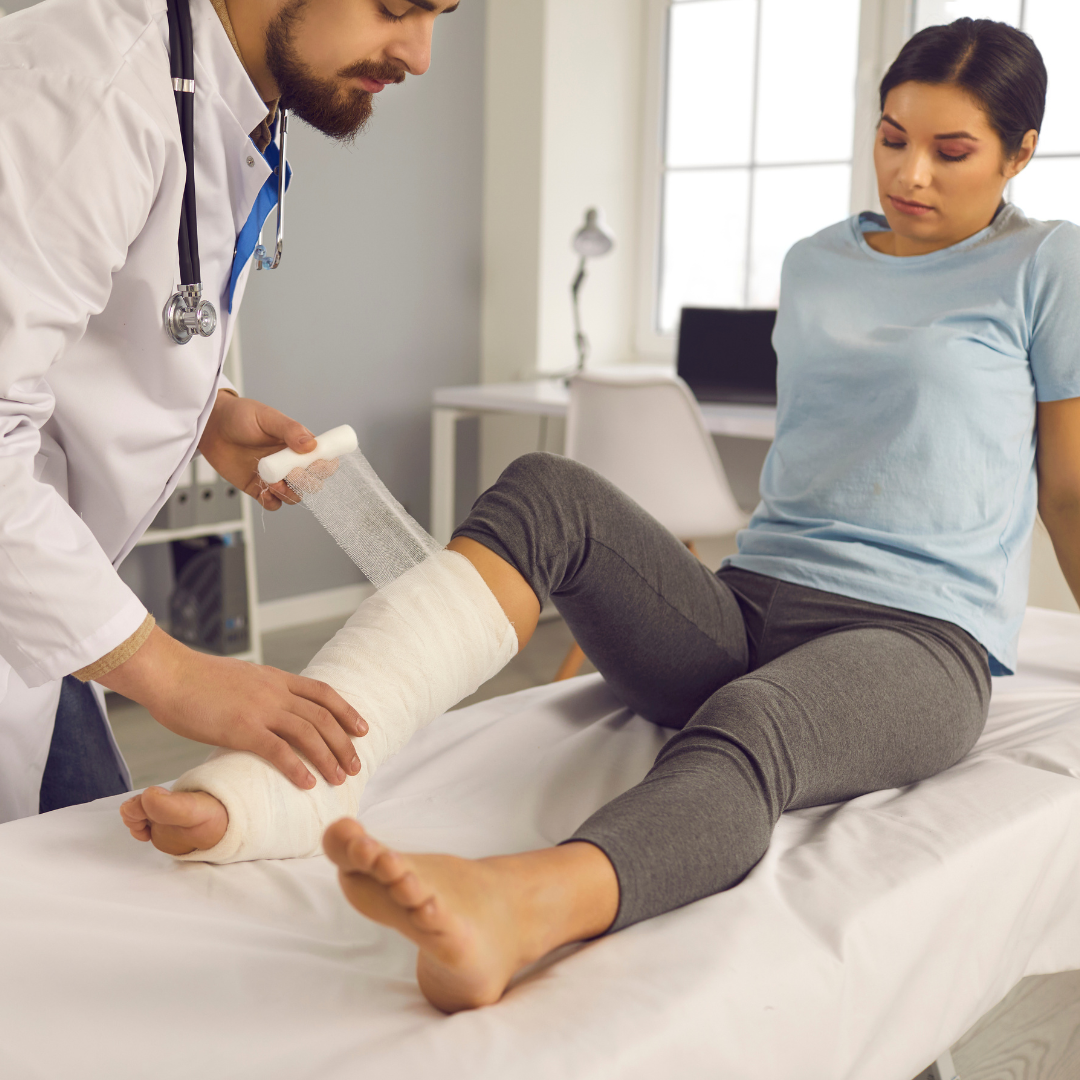
Fracture Care & Trauma
Plaster, splinting and surgical fixation for bone fractures.
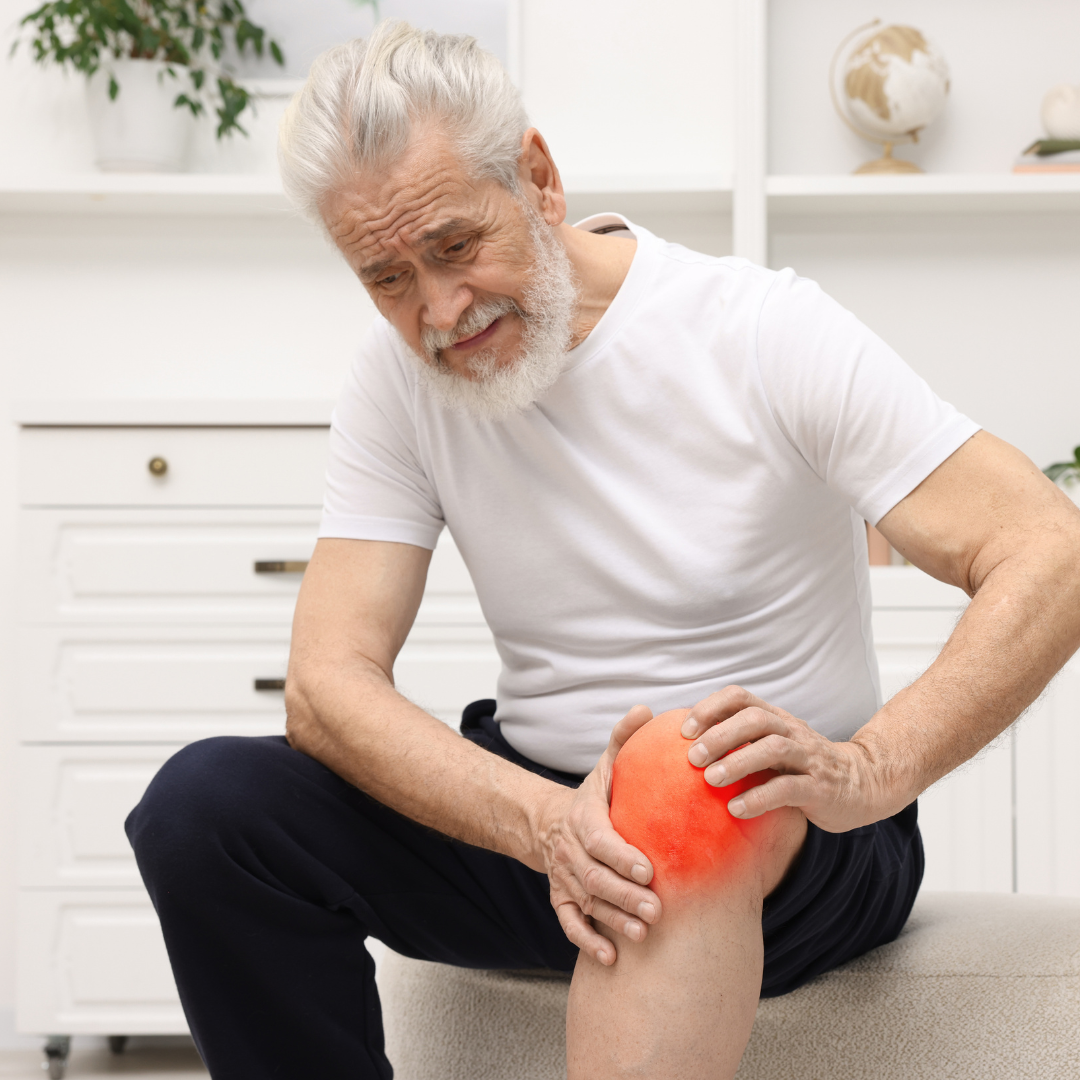
Knee Pain & Arthritis
Cartilage wear, swelling and stiffness — medication, physiotherapy and surgical referral.
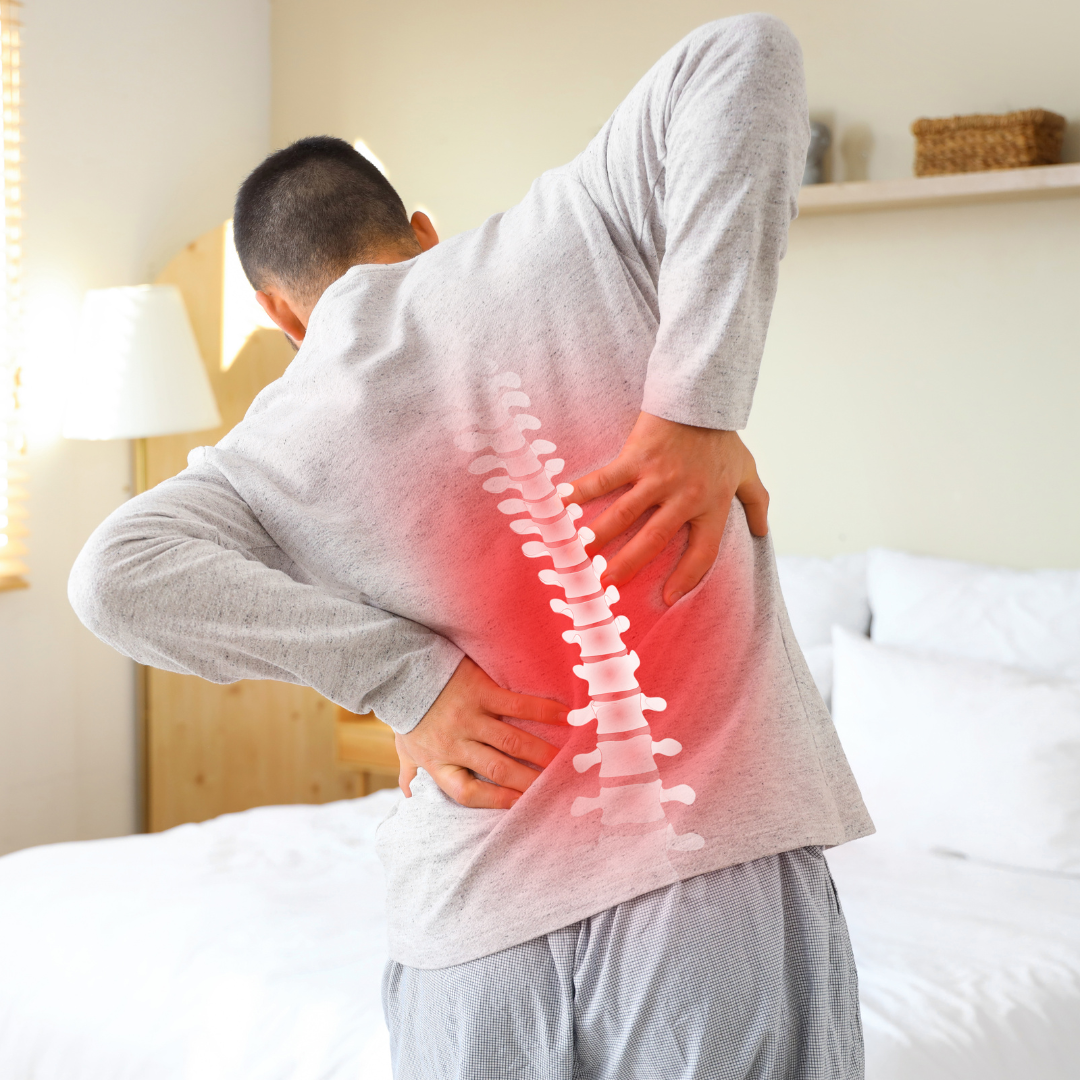
Back & Spine Pain
Slipped disc, lumbar pain and neck pain — non-surgical and surgical options.
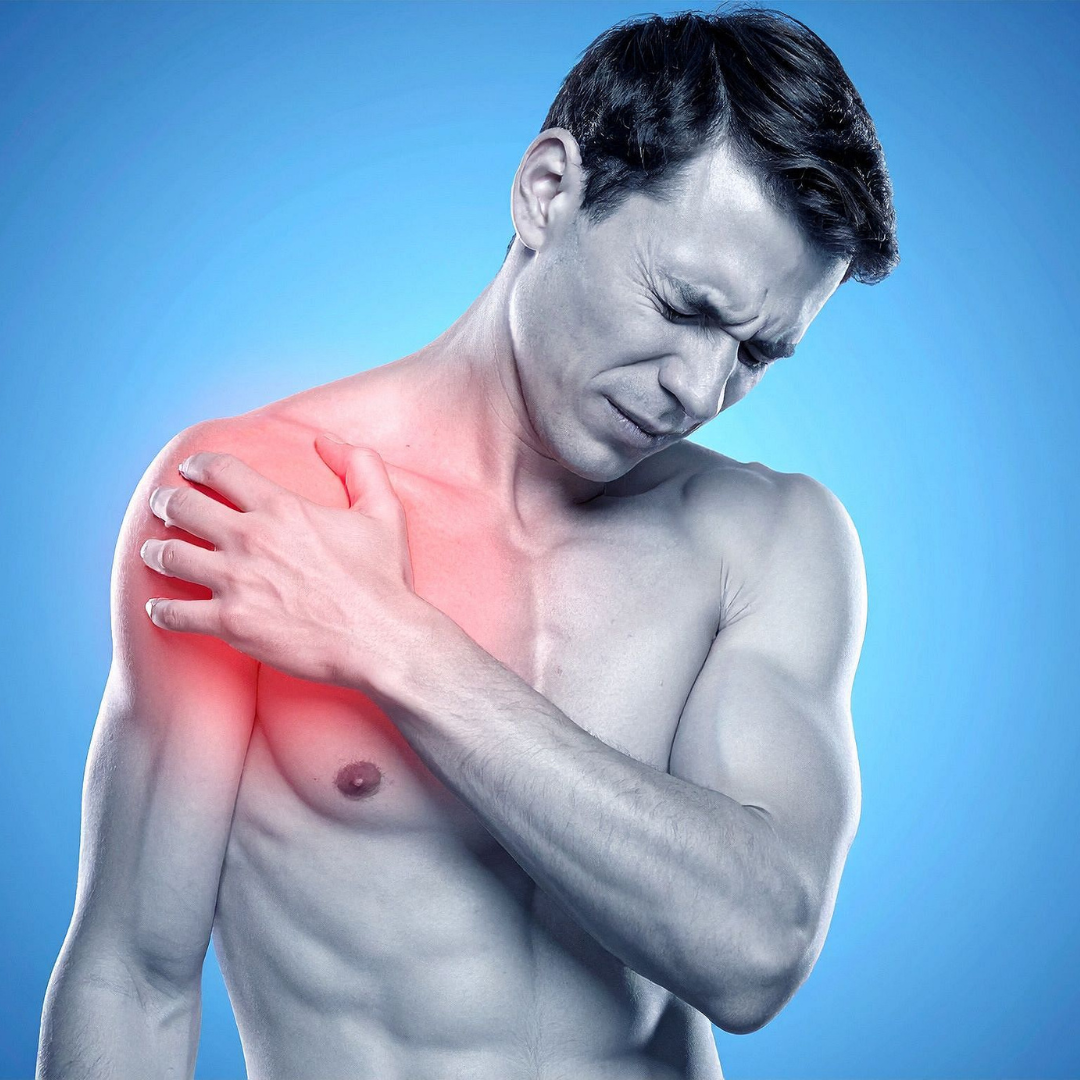
Frozen Shoulder
Painful, restricted shoulder — physiotherapy and injections.
Answers about Sciatica
Common questions about Sciatica — diagnosis, treatment and recovery at Sanjeevi Hospital, Sangareddy.