
Heel Pain & Plantar Fasciitis
Morning heel pain — stretching, footwear and medical treatment.
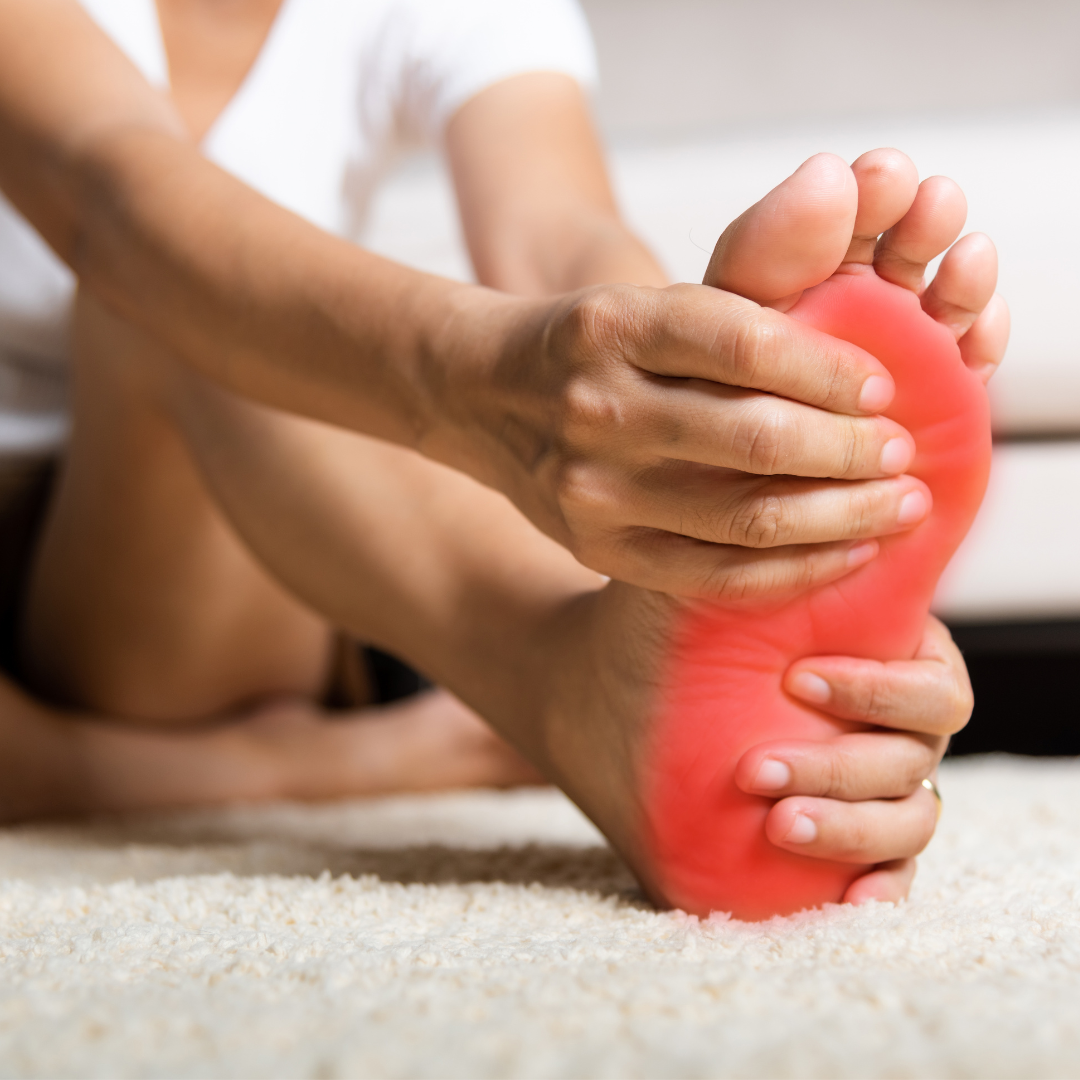
Overview
Heel pain is an incredibly common orthopedic concern seen daily at Sanjeevi Hospital in Sangareddy. The most frequent cause is Plantar Fasciitis, which involves inflammation of a thick band of tissue, called the plantar fascia, that runs across the bottom of your foot and connects your heel bone to your toes. In India, this condition is often seen among middle-aged adults, people who spend long hours standing at work, or those who frequently walk on hard surfaces in flat footwear or bare feet. While it can feel like a sharp stab during your first steps in the morning, the pain usually settles into a dull ache as you move. It matters because untreated heel pain can lead to chronic discomfort, affecting your posture and causing secondary issues in your knees, hips, or back. Our specialists focus on restoring your mobility so you can return to your daily routine without the constant reminder of every step you take.
Symptoms to watch for
- Sharp, stabbing pain at the bottom of the heel when taking the first few steps in the morning.
- Pain that returns after sitting for a long time and then standing up.
- A dull, persistent ache in the heel throughout the day.
- Increased pain after prolonged standing or walking on hard tiles.
- Swelling or slight redness around the heel area.
- Tenderness when touching the bottom of the foot or the inner heel.
- Pain that feels worse after exercise rather than during the activity.
- Difficulty climbing stairs due to heel stiffness.
- A sensation of tightness in the calf muscles accompanying the foot pain.
Causes & risk factors
- Repetitive strain from walking or standing for long hours on hard floors common in Indian households.
- Using flat slippers, 'chappals', or worn-out footwear that lacks proper arch support.
- Natural age-related wear and tear, typically affecting people between 40 and 60 years old.
- Being overweight, which puts excess pressure on the plantar fascia ligaments.
- Flat feet or having an unusually high arch, which changes how weight is distributed while walking.
- Sudden increase in physical activity, like starting a new walking or jogging routine too quickly.
- Occupations that require continuous standing, such as teaching, security work, or factory labor.
- Tight Achilles tendons, which connect the calf muscles to the heel, pulling on the foot tissue.
Diagnosis
- A thorough physical examination where the doctor checks for areas of tenderness in your foot.
- Evaluation of your foot posture, walking style, and range of motion.
- Medical history review to understand your daily activities and footwear habits.
- X-ray imaging to rule out other problems like stress fractures or to identify 'heel spurs'.
- Ultrasound scans to measure the thickness and inflammation of the plantar fascia tissue.
- MRI scans in rare, chronic cases to check for small tears or hidden structural issues.
- Blood tests to rule out inflammatory conditions like rheumatoid arthritis or gout if symptoms are unusual.
Treatment options
Physiotherapy and Stretching
Specific exercises designed to stretch the plantar fascia and Achilles tendon, reducing tension and improving flexibility in the foot.
Orthotic Inserts and Footwear Modification
Using custom-made heel pads or arch supports inside your shoes to distribute pressure more evenly across your feet.
Medication for Inflammation
Consulting our specialists for oral medications or topical gels that help reduce swelling and provide relief from acute pain episodes.
Night Splints
Wearing a special brace while you sleep that keeps the plantar fascia in a stretched position, preventing morning stiffness.
Extracorporeal Shockwave Therapy (ESWT)
A non-invasive procedure that uses sound waves to stimulate healing in the inflamed heel tissue for chronic cases.
Corticosteroid Injections
A targeted injection into the painful area to provide temporary but significant relief from intense inflammation when other methods fail.
Platelet-Rich Plasma (PRP) Therapy
Using the patient's own blood components to promote natural healing and tissue repair in the damaged ligament.
Surgical Intervention
A last-resort procedure to partially detach the fascia from the heel bone, usually considered only if pain persists after a year of therapy.
When to see a doctor
It is important to seek medical advice if your heel pain makes it hard to perform daily chores or if the pain persists despite resting for a few days. Please visit Sanjeevi Hospital immediately if you experience a sudden, severe pain that prevents walking, notice significant swelling or bruising near the heel, or if you have a fever accompanying the foot pain. We are here to listen and help you find a path to pain-free movement with empathy and care.
Prevention & self-care
- Choose supportive footwear with good arch support and avoid walking barefoot on hard surfaces.
- Replace your walking or running shoes regularly before the cushioning wears out.
- Maintain a healthy weight to reduce the daily load and pressure on your foot ligaments.
- Incorporate daily calf and foot stretches into your routine, especially before getting out of bed.
- Start new exercise programs gradually, allowing your body time to adapt to the intensity.
- Listen to your body and rest your feet if you feel an ache starting after a long day.
- Use cushioned mats if your job requires you to stand in one place for long periods.
- Stay hydrated and maintain a balanced diet to support overall bone and tissue health.
Related conditions
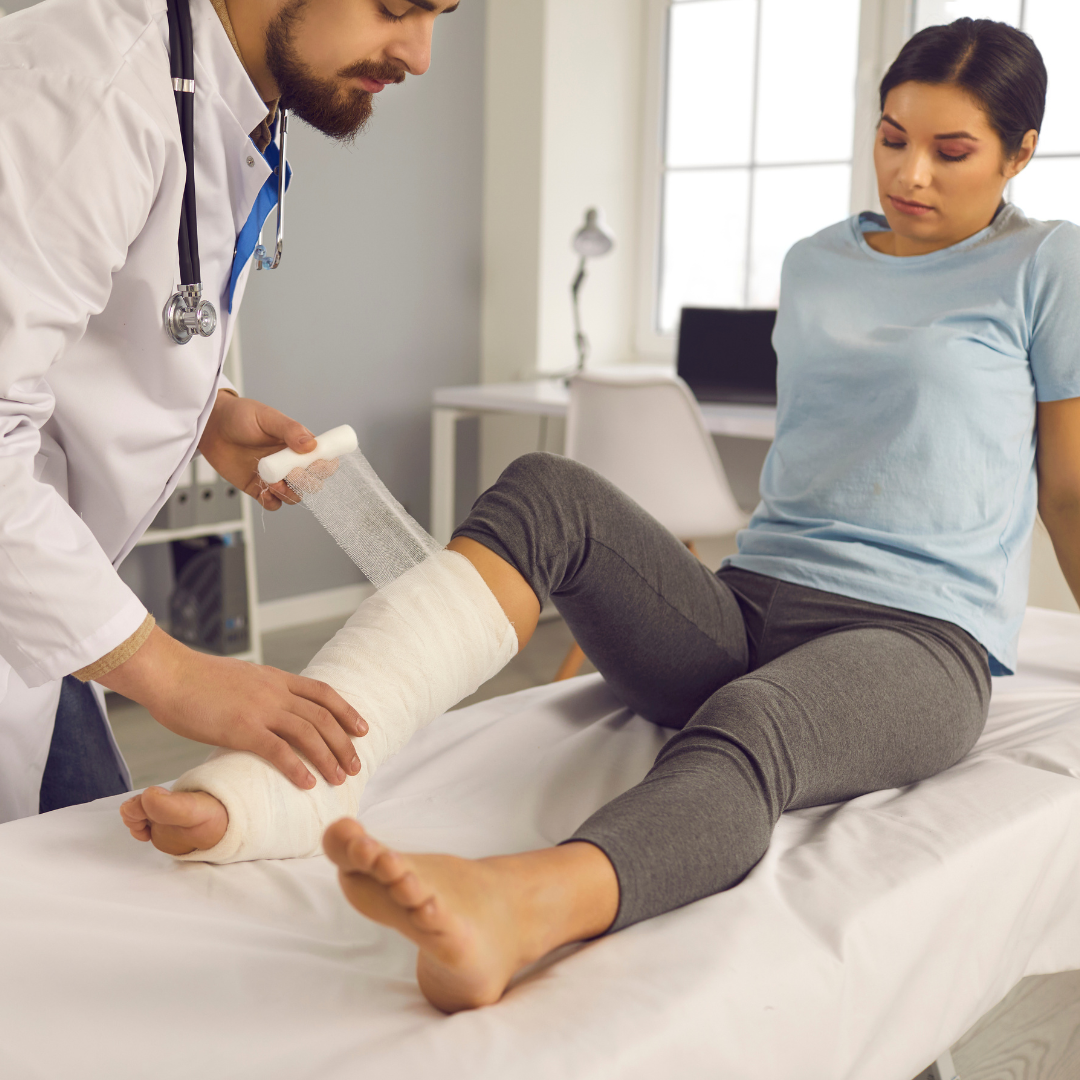
Fracture Care & Trauma
Plaster, splinting and surgical fixation for bone fractures.
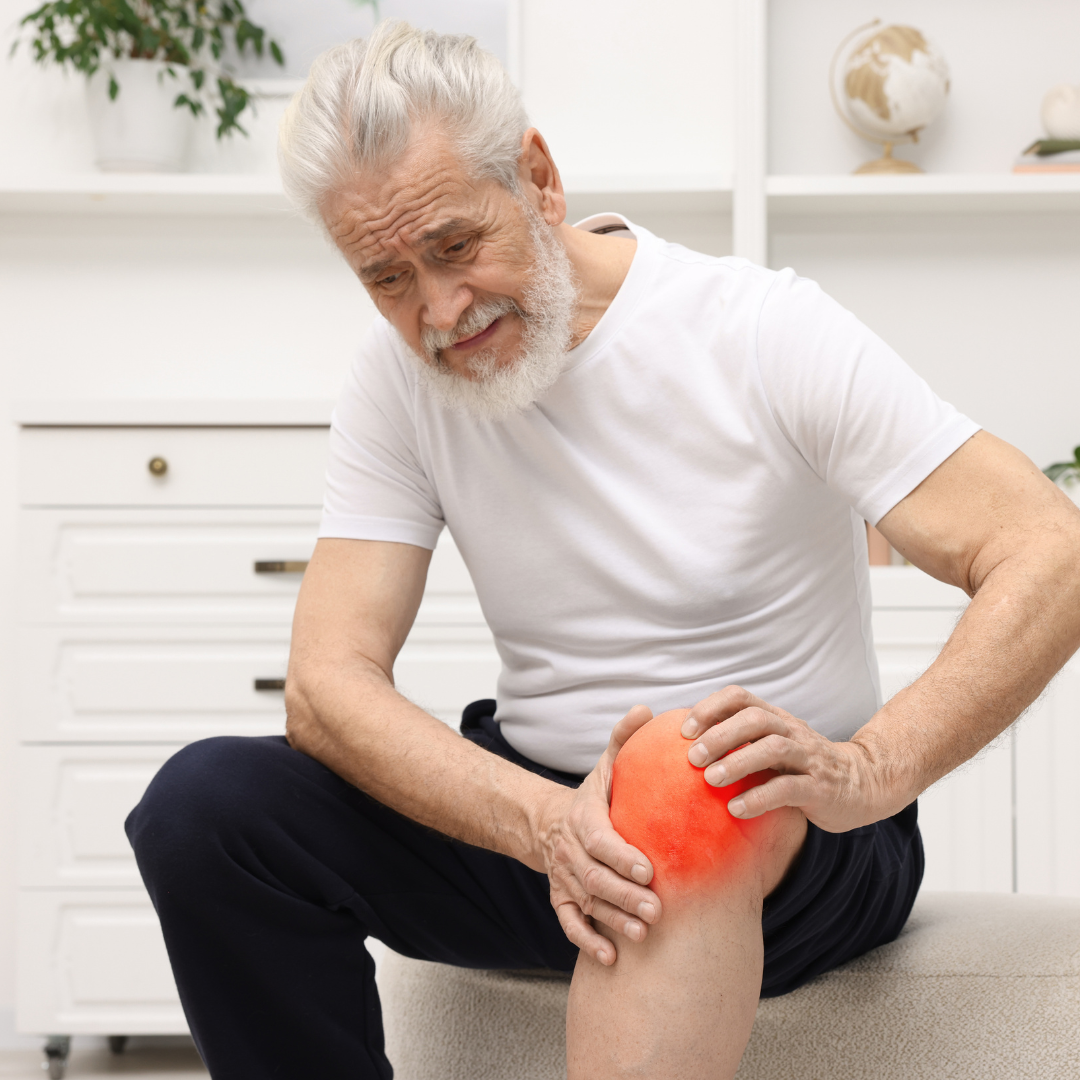
Knee Pain & Arthritis
Cartilage wear, swelling and stiffness — medication, physiotherapy and surgical referral.
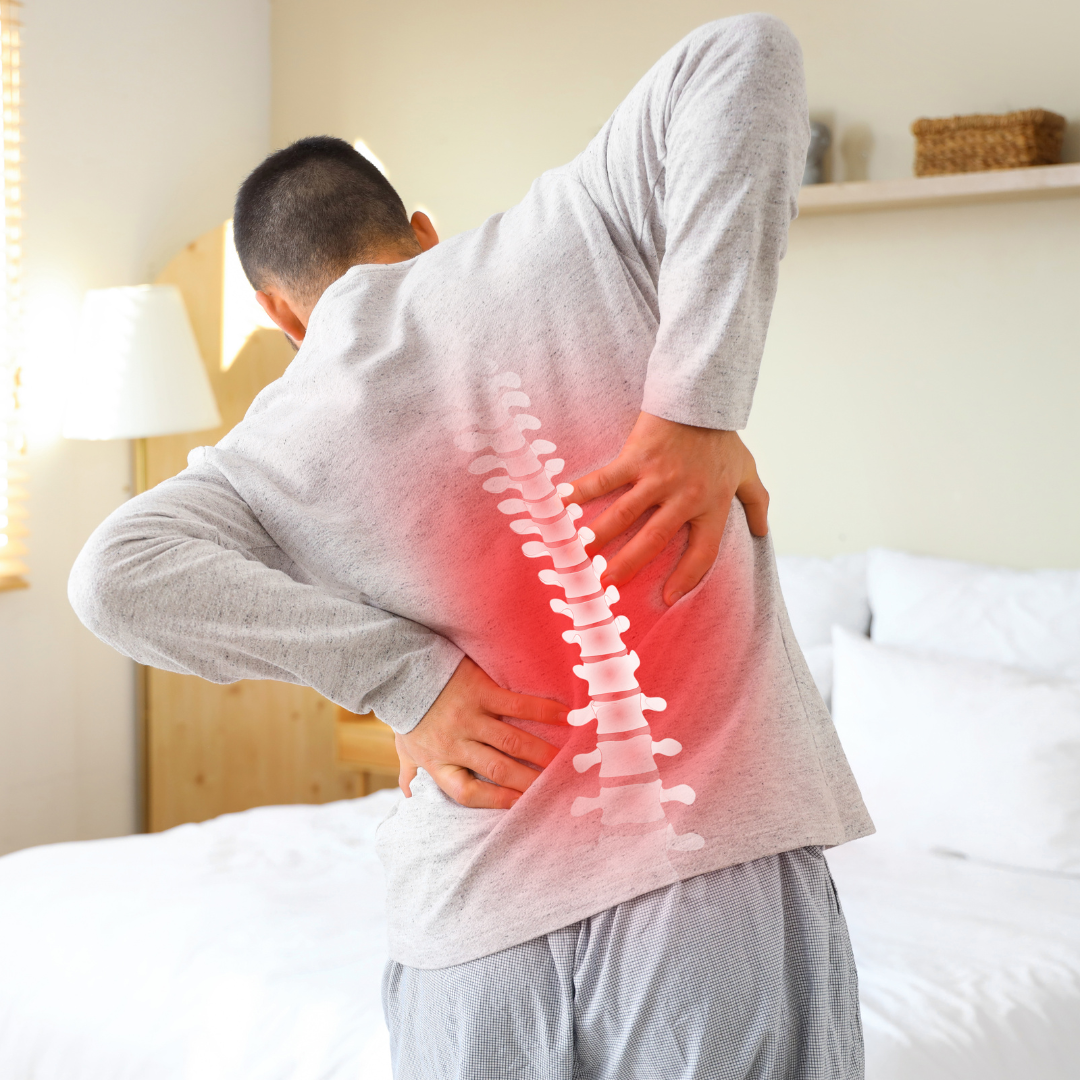
Back & Spine Pain
Slipped disc, lumbar pain and neck pain — non-surgical and surgical options.
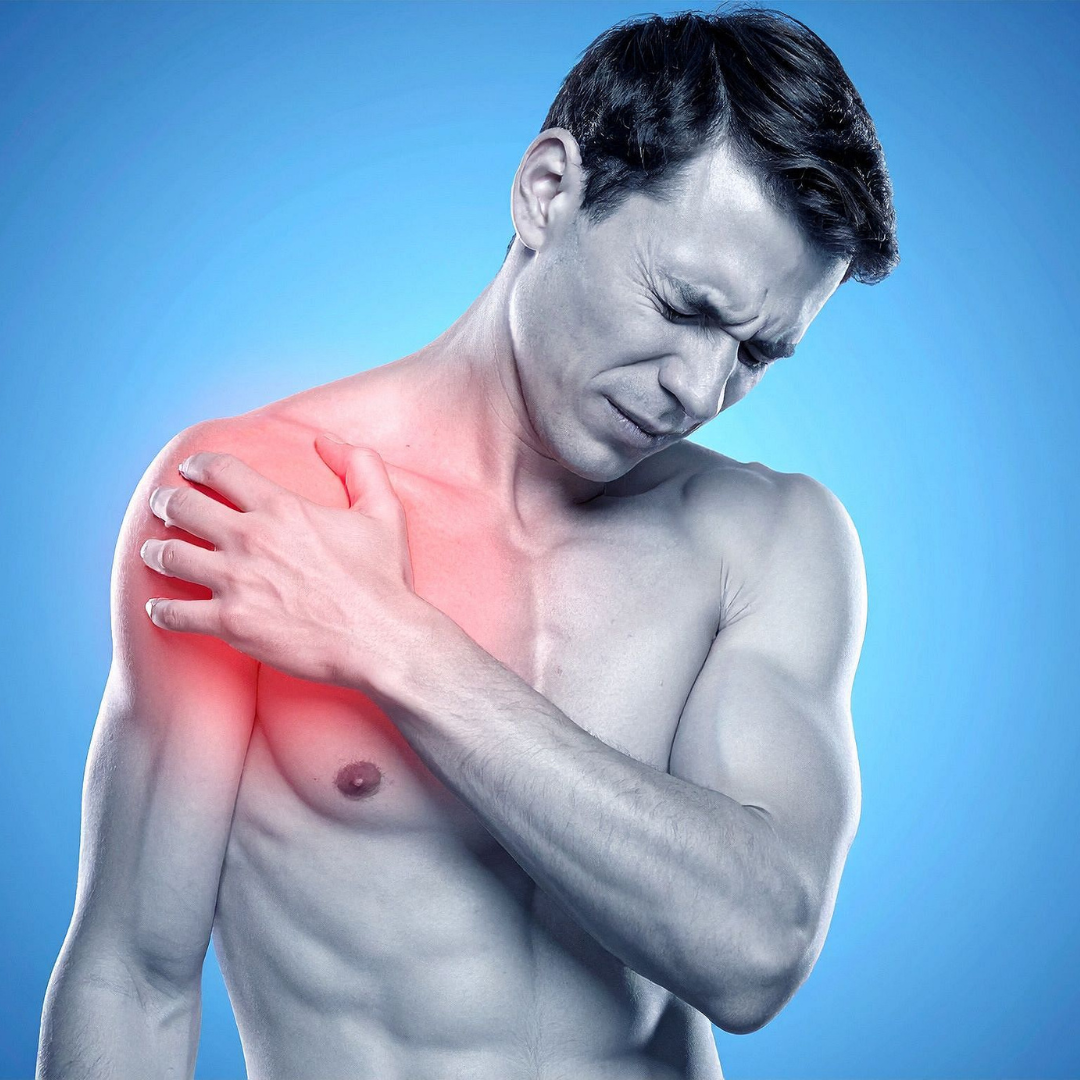
Frozen Shoulder
Painful, restricted shoulder — physiotherapy and injections.

Answers about Heel Pain & Plantar Fasciitis
Common questions about Heel Pain & Plantar Fasciitis — diagnosis, treatment and recovery at Sanjeevi Hospital, Sangareddy.