
Fracture Care & Trauma
Plaster, splinting and surgical fixation for bone fractures.
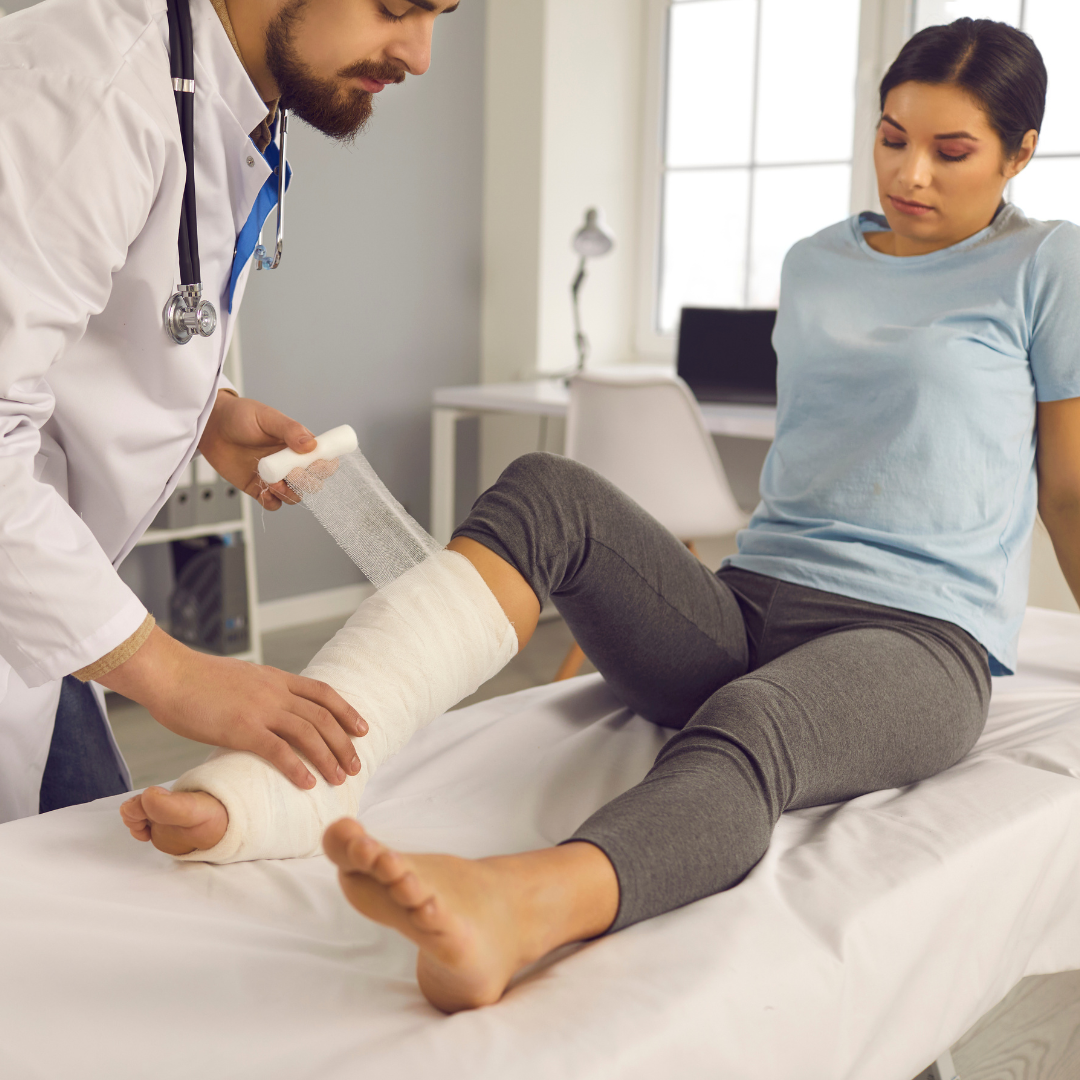
Overview
A fracture occurs when the physical force exerted on a bone is stronger than the bone itself, resulting in a break or crack. In India, bone fractures are incredibly common due to various factors ranging from road traffic accidents on busy highways to falls among our elderly population and sports-related injuries in young children. When trauma occurs, the body undergoes a significant stress response, and immediate medical intervention is crucial to ensure that the bone heals in the correct alignment. This prevents long-term complications like chronic pain, deformity, or loss of mobility. At Sanjeevi Hospital in Sangareddy, we understand that a bone injury can be a frightening experience for the whole family. Our approach combines advanced medical technology with a gentle, patient-centered touch to help you or your loved ones regain strength and return to daily activities safely. Proper trauma care is not just about fixing a bone; it is about restoring your quality of life and independence through skilled orthopedic management.
Symptoms to watch for
- Intense pain that worsens when you try to move the injured area
- Visible swelling and bruising or skin discoloration around the site
- A noticeable deformity or the limb looking out of its natural place
- Inability to bear any weight on the affected leg or foot
- A grinding sensation (crepitus) occurring during the time of injury
- Numbness or a tingling sensation in the area below the break
- Limited range of motion or inability to rotate the joint
- Bleeding if the broken bone has pierced through the skin surface
- Dizziness or faintness caused by the shock of the physical trauma
Causes & risk factors
- High-impact road traffic accidents involving two-wheelers or cars
- Accidental falls, especially in homes with slippery floors or poor lighting
- Osteoporosis, which weakens bones and makes them prone to breaking easily
- Sports injuries occurring during cricket, football, or local athletic events
- Repetitive stress or overuse, commonly seen in laborers or long-distance runners
- Physical assaults or blunt force trauma to specific parts of the body
- Workplace accidents, particularly in construction or industrial settings in Sangareddy
- Age-related loss of balance leading to frequent stumbles among seniors
Diagnosis
- Complete physical examination to check for swelling, tenderness, and nerve function
- X-ray imaging to identify the exact location and type of the bone break
- CT Scan for a more detailed 3D view of complex fractures near joints
- MRI scans to check for associated soft tissue, ligament, or tendon damage
- Bone density tests if the fracture was caused by a minor fall in an older adult
- Blood tests to check for calcium deficiencies or signs of infection in open wounds
Treatment options
Plaster Casting
A traditional and effective method using fiberglass or plaster of Paris to hold the bone in a steady position while it naturally heals back together.
Functional Bracing
A removable support that allows for some controlled movement of the nearby joints while still protecting the healing bone.
Closed Reduction
A non-surgical procedure where the orthopedic doctor manually manipulates the bone back into its correct alignment before applying a cast.
Internal Fixation (ORIF)
A surgical procedure where metal plates, screws, or rods are placed directly on or inside the bone to hold the pieces together during healing.
External Fixation
The use of a metal frame outside the limb, connected to the bone by pins, typically used for complex injuries with significant skin damage.
Intramedullary Nailing
A specialized surgery where a titanium rod is inserted through the center of long bones, like the thigh or shin, for superior stability.
Growth Plate Management
Specialized care for children's fractures to ensure the bone continues to grow correctly and does not result in a limb-length difference.
Physical Rehabilitation
A guided exercise program designed to restore muscle strength and joint flexibility once the bone has sufficiently knitted back together.
When to see a doctor
Please seek immediate medical attention at Sanjeevi Hospital if you notice any 'red flags' such as a bone protruding through the skin, extreme swelling that makes the skin look shiny, or if the limb feels cold and turns blue. If you experience a loss of sensation, severe pain that does not improve with rest, or if you heard a loud 'pop' during a fall, it is essential to get an expert evaluation. We are here to support you with calm, professional care during these stressful moments.
Prevention & self-care
- Maintain a diet rich in calcium and Vitamin D, including milk, curd, and green leafy vegetables
- Wear appropriate protective gear like helmets and pads when riding or playing sports
- Engage in regular weight-bearing exercises like walking to improve bone density
- Ensure your home is well-lit and remove loose rugs to prevent accidental trips
- Get regular eye check-ups to maintain good balance and awareness of your surroundings
- Avoid smoking and excessive alcohol, as these can weaken bone structure over time
- Use a walking stick or frame if you feel unsteady on your feet
- Request a bone density scan if you are over 60 or have a family history of osteoporosis
Related conditions
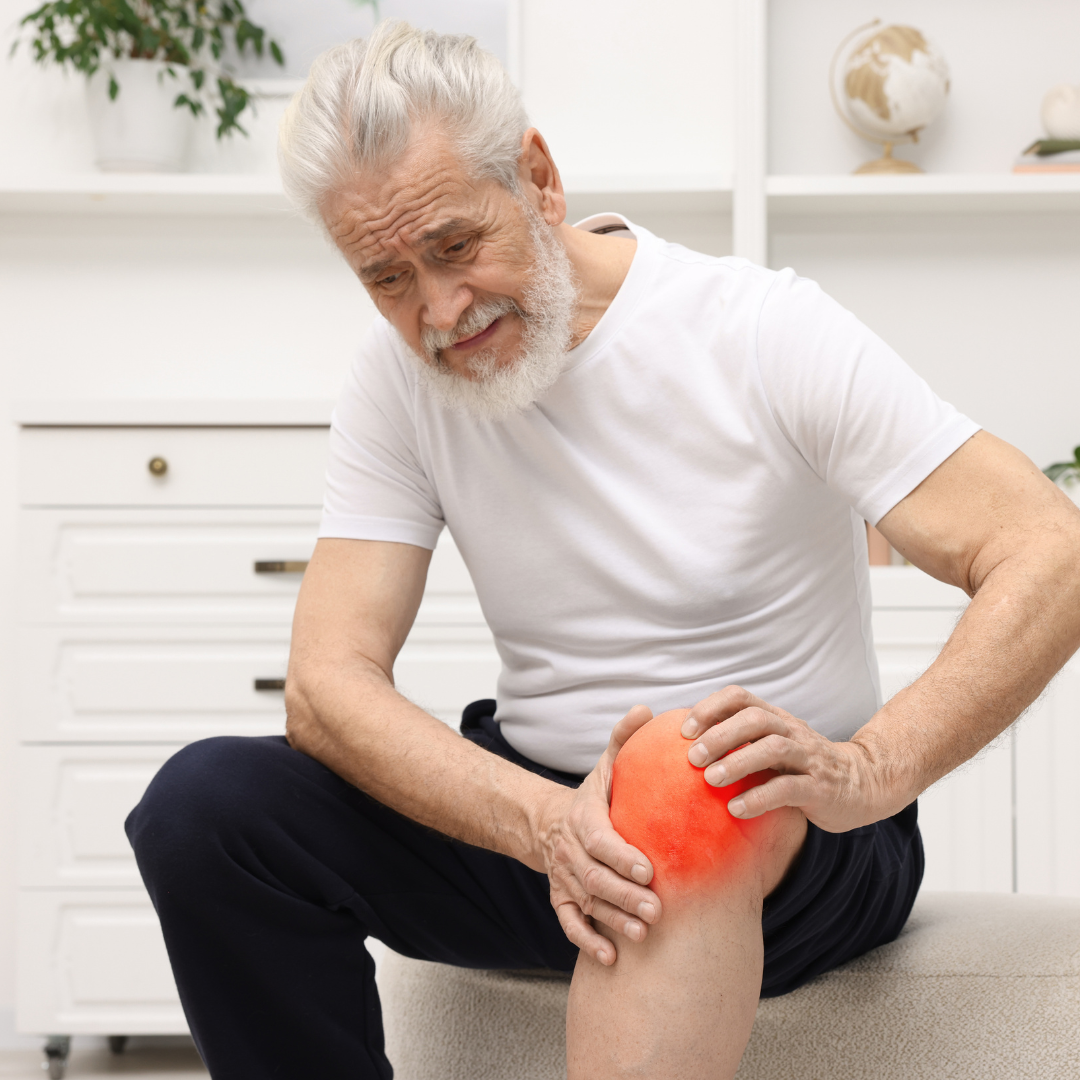
Knee Pain & Arthritis
Cartilage wear, swelling and stiffness — medication, physiotherapy and surgical referral.
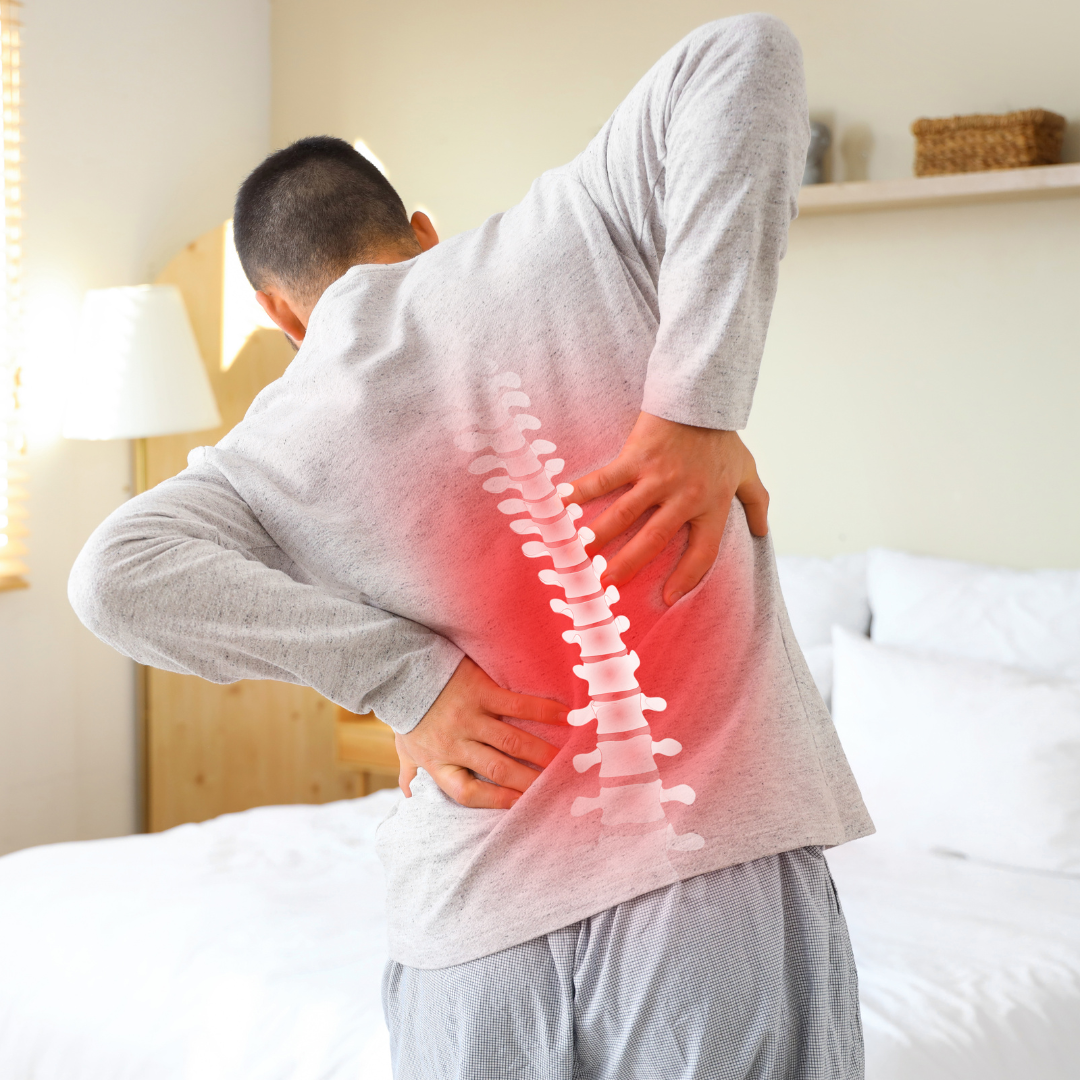
Back & Spine Pain
Slipped disc, lumbar pain and neck pain — non-surgical and surgical options.
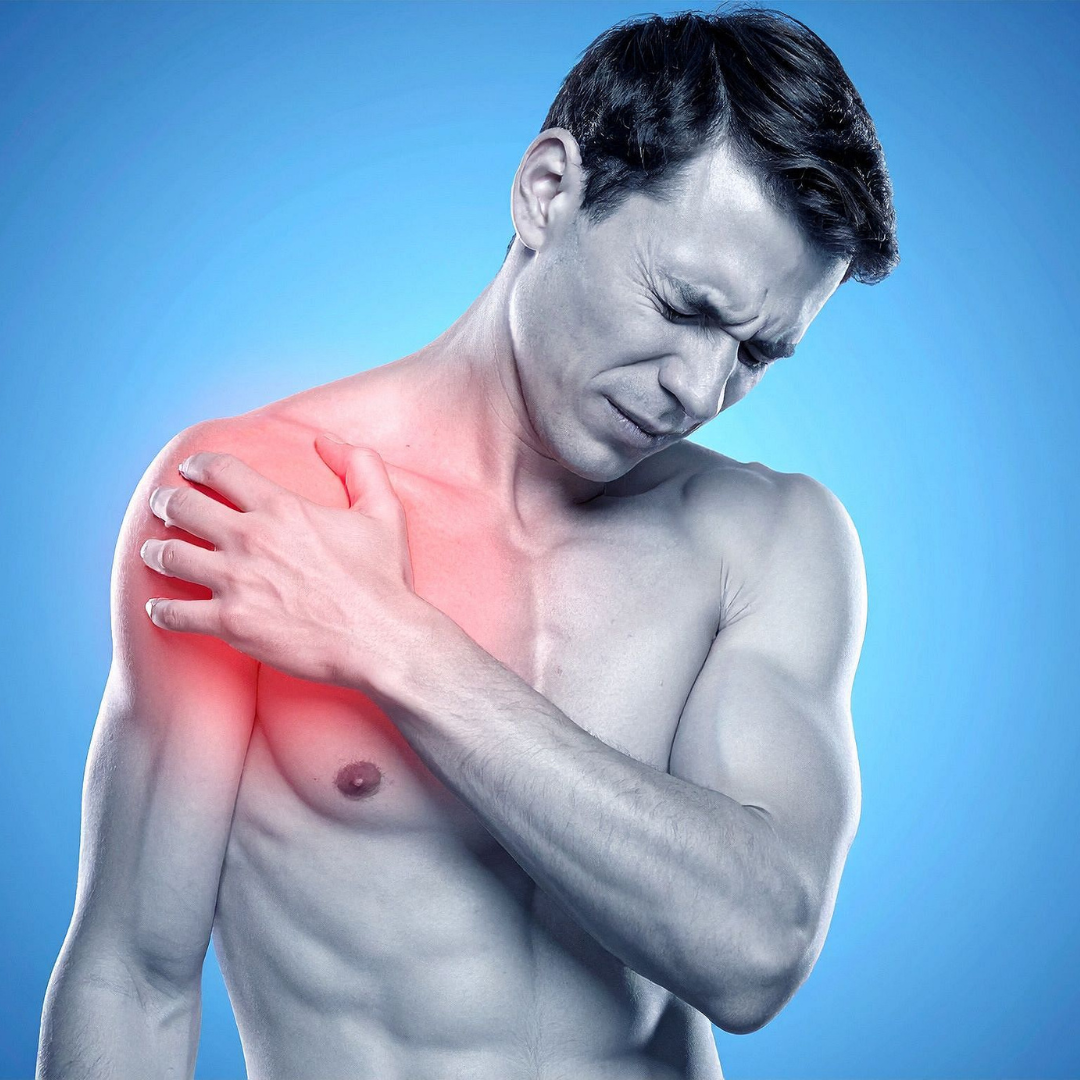
Frozen Shoulder
Painful, restricted shoulder — physiotherapy and injections.
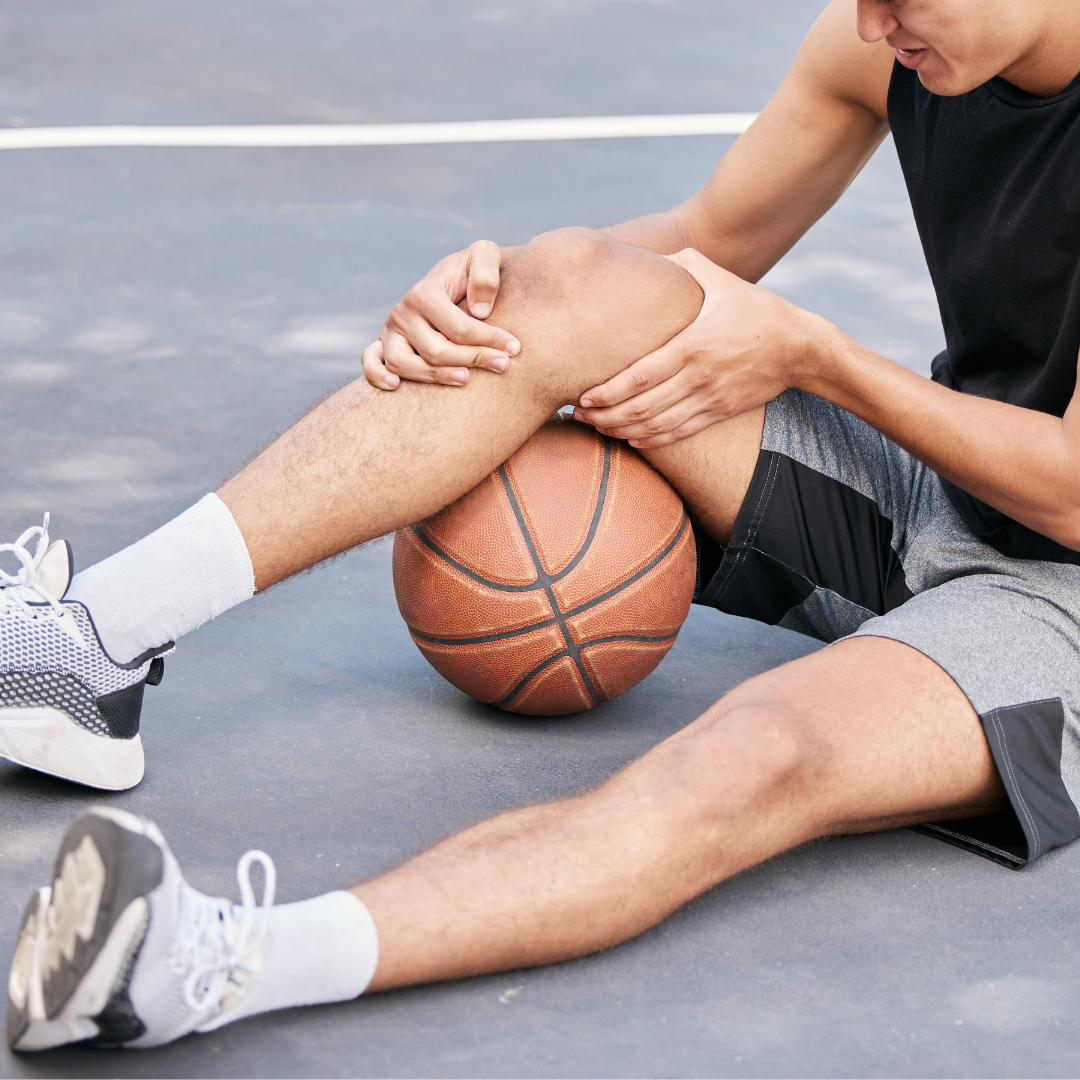
Sports Injuries
Ligament tears, sprains and joint injuries — recovery and rehab.
Answers about Fracture Care & Trauma
Common questions about Fracture Care & Trauma — diagnosis, treatment and recovery at Sanjeevi Hospital, Sangareddy.