
Sports Injuries
Ligament tears, sprains and joint injuries — recovery and rehab.
Overview
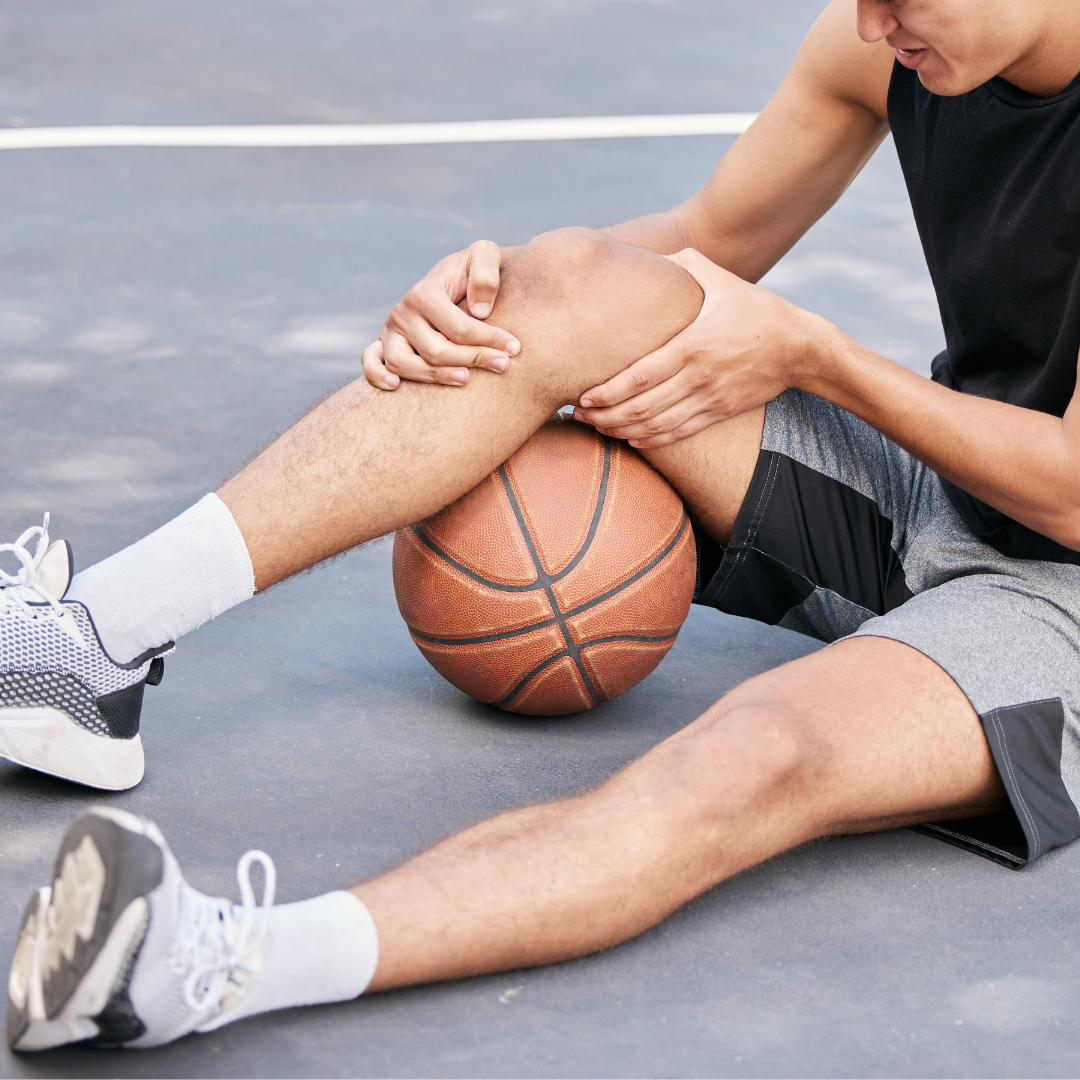
Sports injuries refer to physical damage caused during exercise, athletic activities, or accidental falls while playing. In India, with the growing popularity of cricket, football, and badminton, these injuries have become increasingly common among both professional athletes and weekend warriors. Whether it is a minor ankle sprain from a local park game or a complex ACL tear on a professional turf, these injuries can significantly impact your mobility and quality of life if not treated correctly. At Sanjeevi Hospital, Sangareddy, we understand that an injury doesn't just affect your body; it affects your passion and daily routine. Early intervention is crucial to ensure that a simple strain does not progress into a chronic joint problem. Our orthopedic department focuses on restoring strength and flexibility through a blend of advanced medical technology and personalized rehabilitation, helping patients across Telangana return to the activities they love with confidence and safety.
Symptoms to watch for
- Sudden, sharp pain during physical activity or exercise
- Swelling and bruising around the injured joint or muscle
- Inability to place weight on the foot, ankle, or leg
- Visible lumps, bumps, or deformities in the limb or joint
- A popping or snapping sound heard at the time of injury
- Persistent stiffness and a limited range of motion in the joint
- Tenderness or warmth when touching the affected area
- Weakness in the limb, making it feel unstable or 'giving way'
- Numbness or a tingling sensation in the hands or feet
Causes & risk factors
- Overtraining or pushing the body too hard without adequate rest
- Using improper techniques while running, jumping, or lifting weights
- Inadequate warm-up or stretching before starting a high-intensity game
- Wearing ill-fitting or worn-out sports shoes and protective gear
- Playing on uneven surfaces, such as rough local grounds or wet courts
- Sudden changes in direction or speed (pivoting) during sports like football
- Accidental collisions with other players or falling during a match
- Muscle imbalances or lack of core strength leading to joint strain
Diagnosis
- Detailed physical examination to check for swelling, tenderness, and stability
- Range of motion tests to see how well the joint can move
- X-rays to rule out fractures or bone misalignments
- MRI scans to visualize soft tissues like ligaments, tendons, and cartilage
- CT scans for a more detailed view of complex bone structures
- Ultrasound imaging to check for muscle tears or fluid buildup
- Gait analysis to observe how you walk and identify pressure points
Treatment options
R.I.C.E. Therapy
The foundation of early treatment involves Rest, Ice, Compression, and Elevation to reduce swelling and manage pain in the first 48 hours.
Physical Therapy and Rehabilitation
Tailored exercise programs designed by specialists to rebuild muscle strength, improve flexibility, and restore full joint function safely.
Arthroscopic Surgery
A minimally invasive procedure using tiny cameras and tools to repair torn ligaments, such as the ACL or meniscus, with smaller incisions.
Pain Management Medications
Guided use of anti-inflammatory medications to help reduce discomfort and allow the patient to participate more effectively in physical therapy.
Orthopedic Bracing and Splinting
Using custom-fitted braces or splints to stabilize the injured area, allowing the body to heal without further stress on the tissues.
Platelet-Rich Plasma (PRP) Therapy
An advanced regenerative treatment where a patient's own concentrated platelets are injected to speed up the natural healing of tendons and ligaments.
Casting and Immobilization
For more severe injuries or hairline fractures, a plaster or fiberglass cast may be applied to keep the bone perfectly still during the healing process.
Shockwave Therapy
A non-invasive treatment that uses pressure waves to stimulate blood flow and healing in chronic injuries like heel pain or tennis elbow.
When to see a doctor
We understand how frustrating it is to be sidelined by an injury. Please visit Sanjeevi Hospital immediately if you experience a loud 'pop' followed by intense pain. Red flags include the inability to bear any weight on the limb, visible deformity or misalignment of a joint, severe swelling that does not go down with ice, or any numbness. It is always safer to get a professional evaluation early to prevent long-term complications like arthritis or permanent instability. Our team is here to support your recovery with empathy and expert care.
Prevention & self-care
- Always perform a 10-minute warm-up including dynamic stretches before playing
- Gradually increase the intensity of your workouts to avoid overuse injuries
- Stay hydrated with water or electrolyte drinks, especially in the Telangana heat
- Invest in high-quality footwear designed specifically for your chosen sport
- Listen to your body and stop immediately if you feel unusual pain or fatigue
- Incorporate strength training to support the joints and improve balance
- Ensure you have at least one or two rest days per week for muscle recovery
- Seek professional coaching to learn the correct form and technique for sports
Related conditions
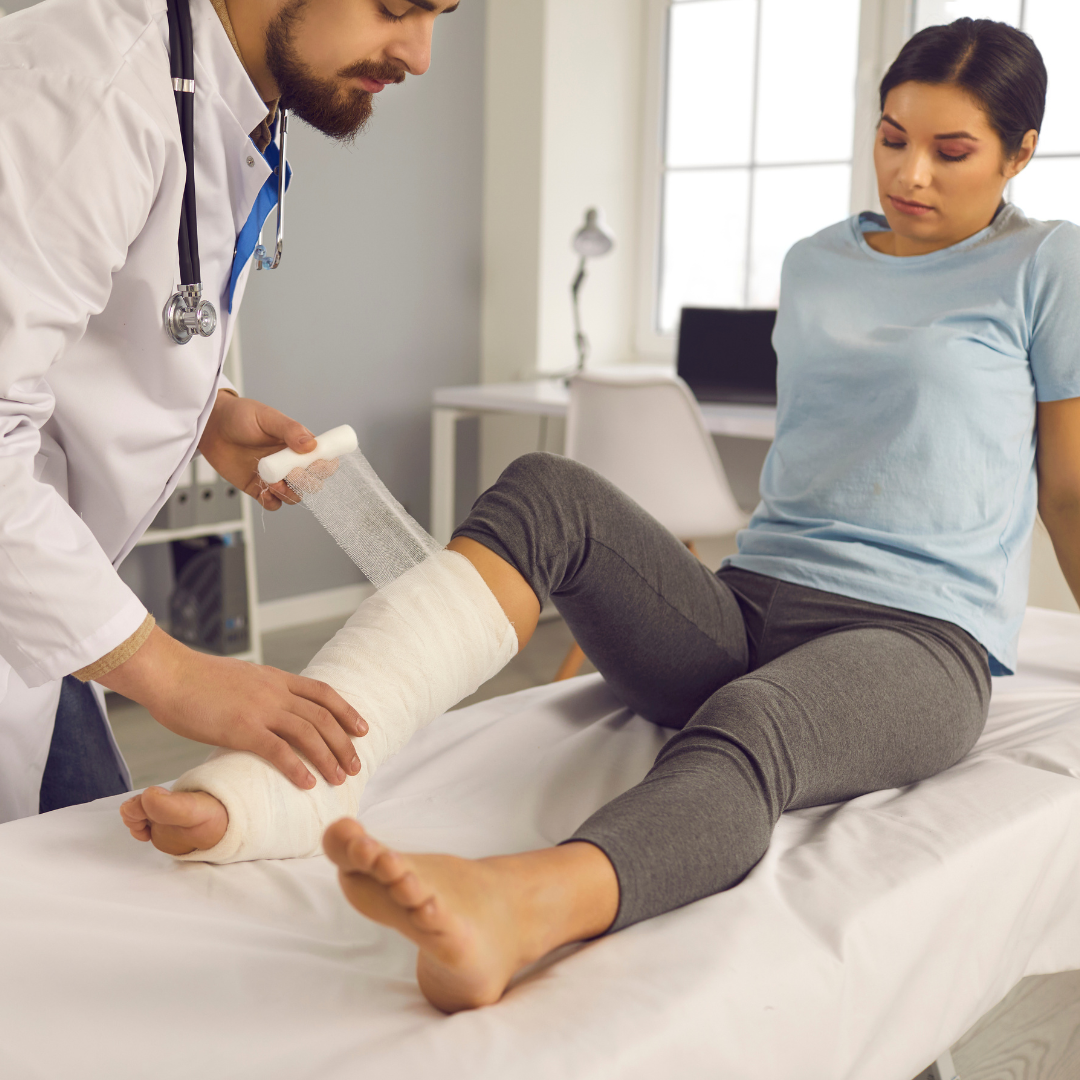
Fracture Care & Trauma
Plaster, splinting and surgical fixation for bone fractures.
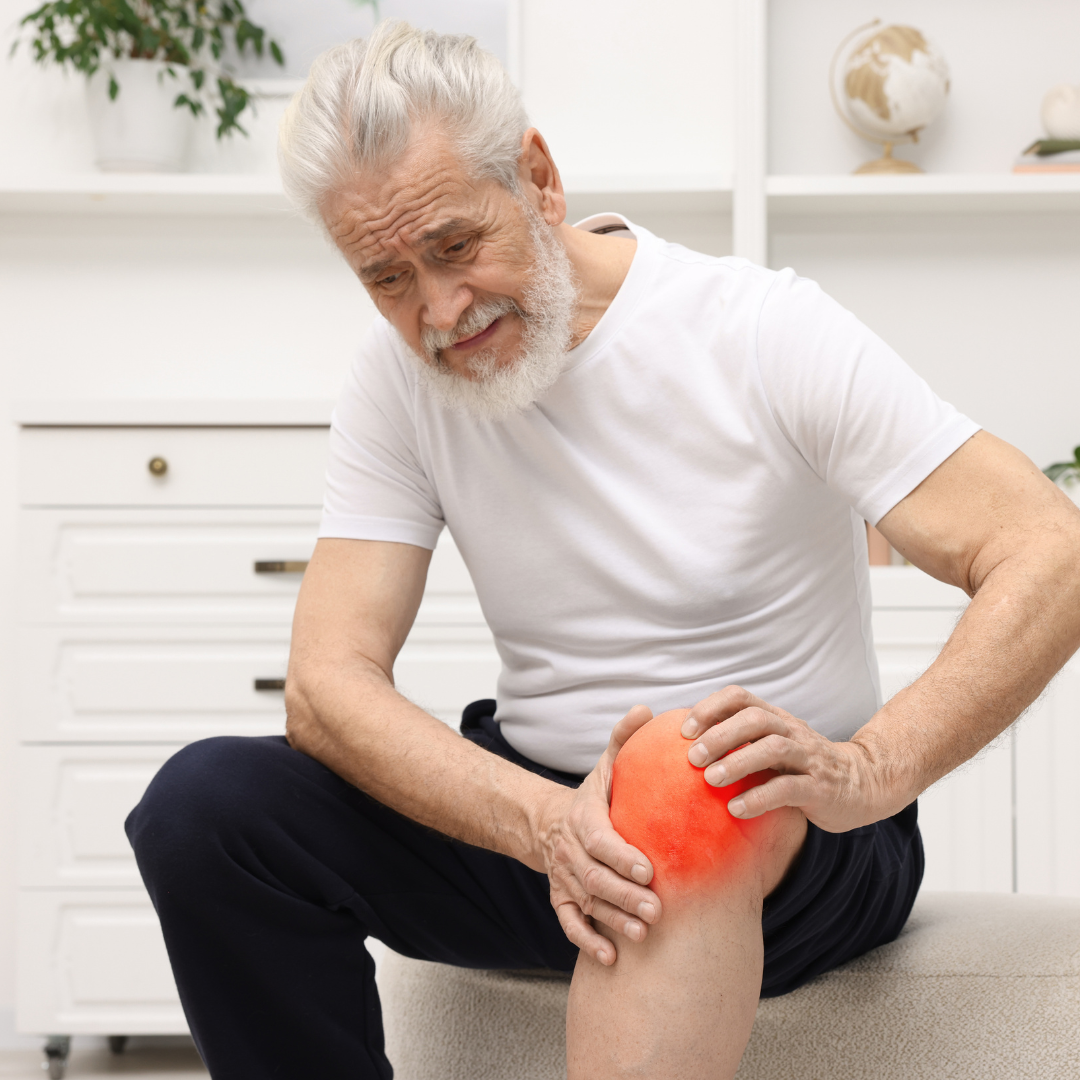
Knee Pain & Arthritis
Cartilage wear, swelling and stiffness — medication, physiotherapy and surgical referral.
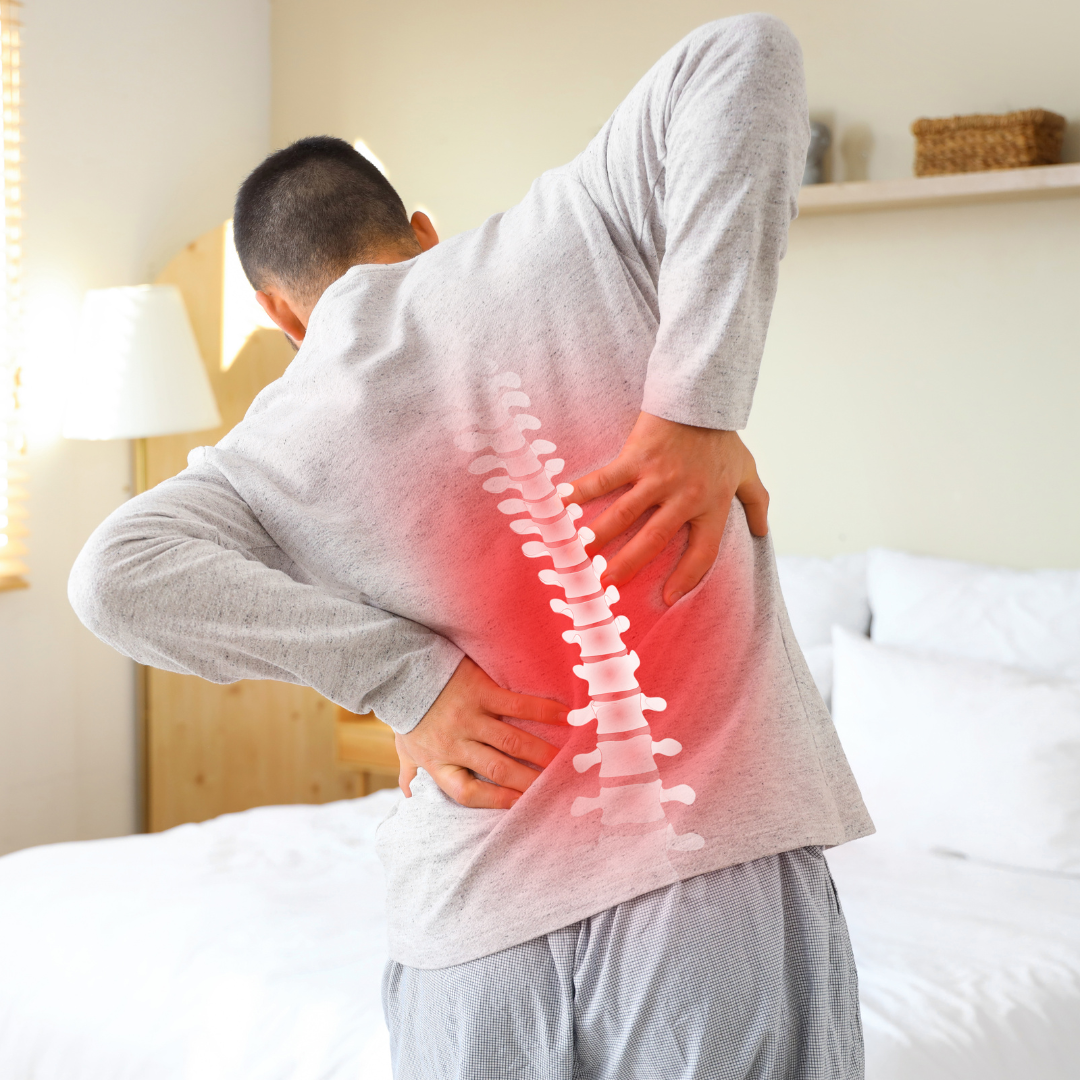
Back & Spine Pain
Slipped disc, lumbar pain and neck pain — non-surgical and surgical options.
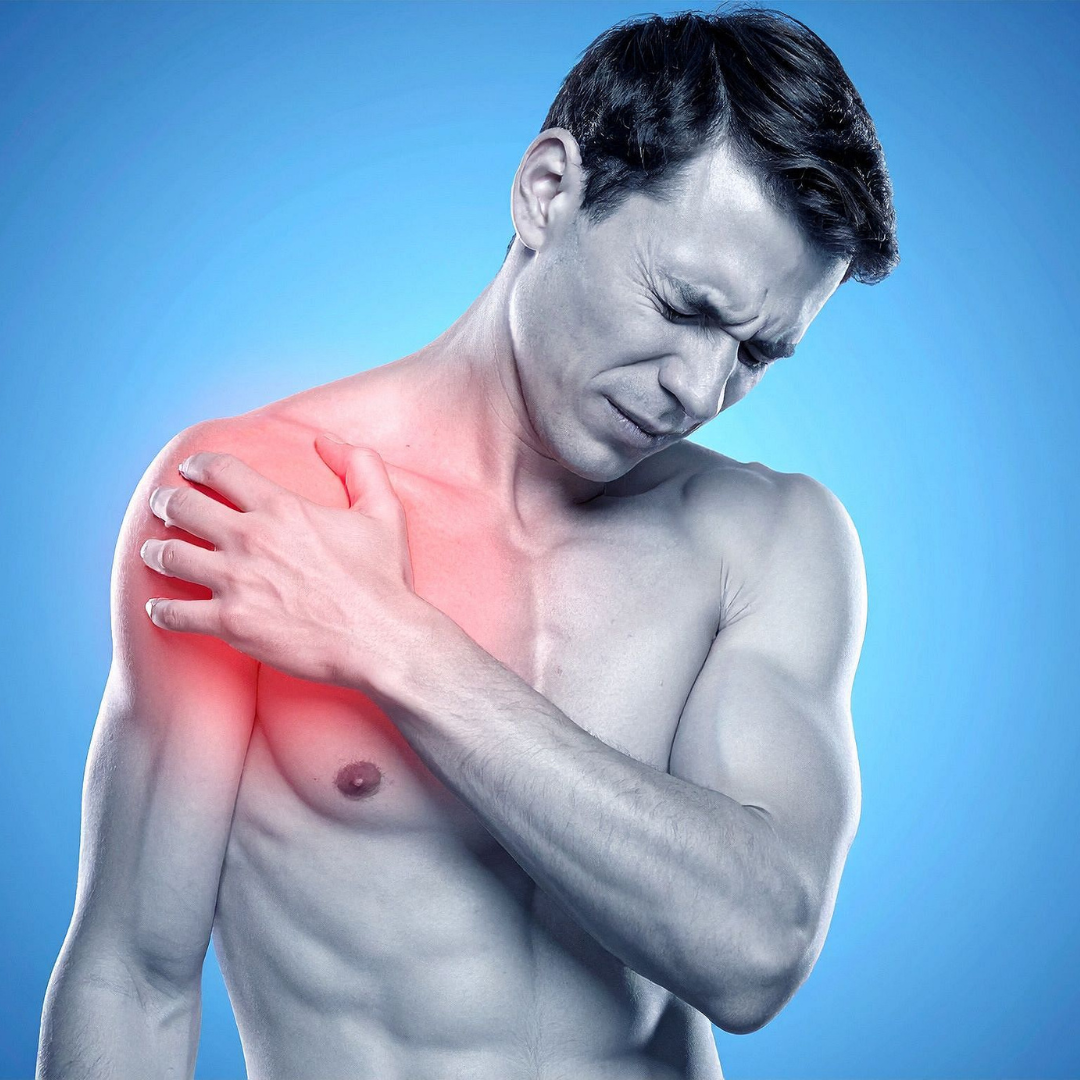
Frozen Shoulder
Painful, restricted shoulder — physiotherapy and injections.
Answers about Sports Injuries
Common questions about Sports Injuries — diagnosis, treatment and recovery at Sanjeevi Hospital, Sangareddy.