
Osteoporosis
Bone density loss in older adults — DEXA scan and treatment.
Overview
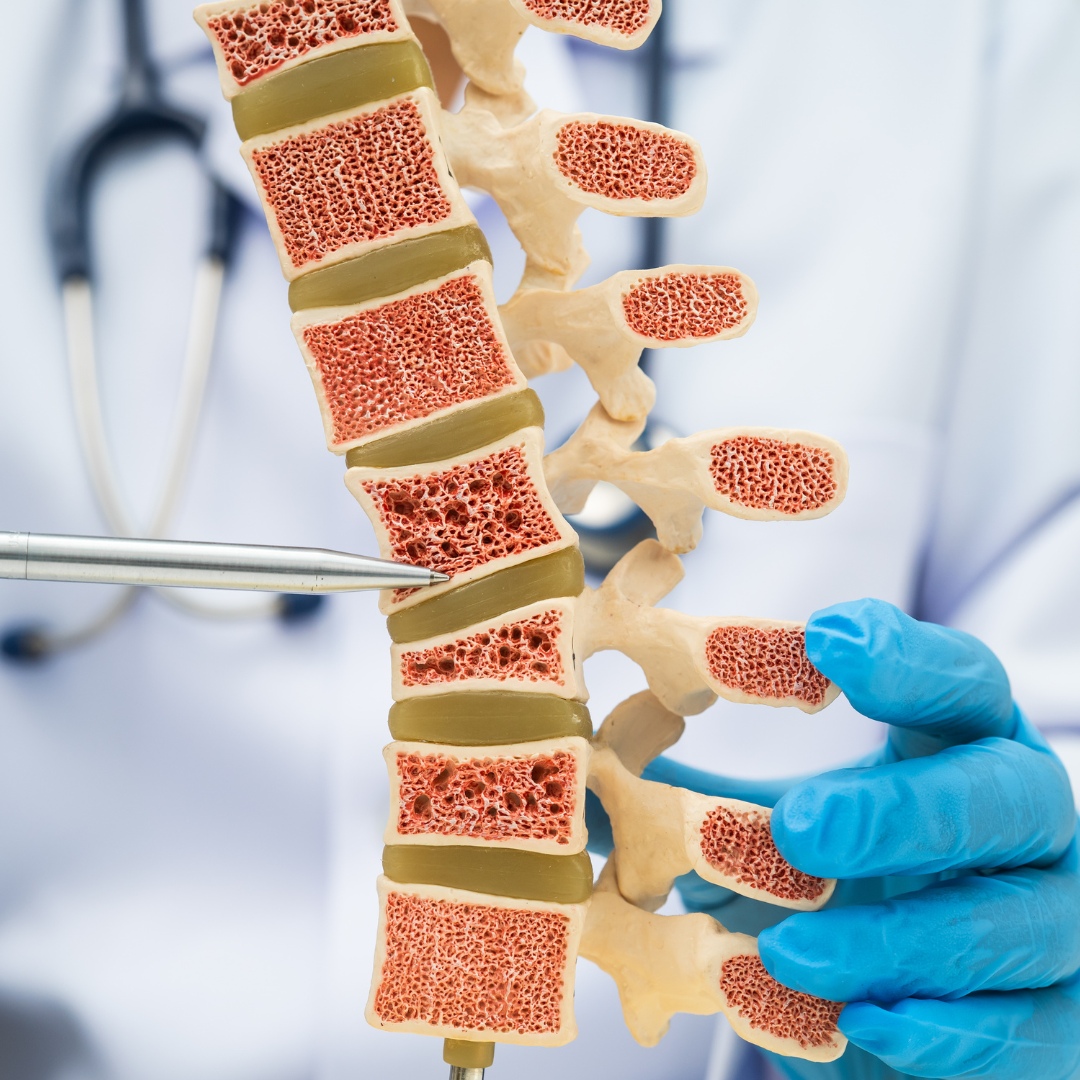
Osteoporosis is a silent condition where your bones become weak and brittle, making them more likely to break, even from a minor fall or a simple cough. Think of your bones like a honeycomb; in osteoporosis, the holes in the honeycomb get much larger, reducing the strength of the skeletal structure. In India, this is a significant health concern, especially among post-menopausal women and elderly men, often due to widespread Vitamin D deficiencies and lower dietary calcium intake. Because bone loss happens gradually and without pain, many people do not realize they have the condition until a fracture occurs, often in the hip, spine, or wrist. At Sanjeevi Hospital in Sangareddy, we focus on early detection and comprehensive management to help you maintain an active, independent lifestyle. Understanding your bone health is the first step toward preventing serious injuries, and our team is here to support you with localized care and advanced medical expertise tailored for our community.
Symptoms to watch for
- A gradual loss of height over time as the vertebrae weaken
- Persistent back pain, often caused by a collapsed or fractured vertebra in the spine
- A stooped or hunched posture, commonly known as a 'dowager's hump'
- Bones that break much more easily than expected from minor trips or bumps
- Noticeable shortness of breath due to a compressed lung capacity from a curved spine
- Weakened grip strength which may make daily household tasks more difficult
- Receding gums if the jawbone begins to lose its density and strength
- Brittle fingernails that chip or break more frequently than before
Causes & risk factors
- Natural aging process where the body breaks down more bone than it creates
- Drop in estrogen levels in women after menopause, which accelerates bone loss
- Lower testosterone levels in men as they age, weakening the bone structure
- Long-term use of certain medications like corticosteroids that interfere with bone rebuilding
- Low intake of calcium-rich foods like milk, curd, and leafy greens throughout life
- Vitamin D deficiency, common in India, which prevents the body from absorbing calcium
- Sedentary lifestyle with little weight-bearing exercise or physical activity
- Family history of osteoporosis or hip fractures in parents or siblings
Diagnosis
- DEXA Scan (Dual-Energy X-ray Absorptiometry) to measure exact bone mineral density
- Physical examination to check for height loss and changes in spinal posture
- Blood tests to check levels of Calcium, Vitamin D, and Phosphorus in the body
- Thyroid and hormone function tests to rule out secondary causes of bone loss
- X-rays to identify if any silent fractures have already occurred in the spine
- Frax Tool assessment to calculate the 10-year risk of a major bone fracture
- Biochemical marker tests of urine and blood to see how fast bone is being lost
Treatment options
Bisphosphonates
These are common medications that help slow down the rate at which bone is broken down, helping to maintain density and reduce fracture risk.
Calcium and Vitamin D Supplementation
Customized oral supplements ensure your body has the necessary building blocks to keep your remaining bone structure as strong as possible.
Hormone Replacement Therapy (HRT)
For post-menopausal women, estrogen therapy can help maintain bone density, though it is carefully monitored by our specialists for overall safety.
Bone-Building Medications
Injectable medications that actually help the body build new bone tissue rather than just slowing the loss of existing bone.
Physiotherapy and Weight-Bearing Exercise
Our therapists design safe, low-impact routines like walking or light weights to strengthen muscles and bones while improving balance.
Lifestyle and Nutritional Counseling
Personalized diet plans focusing on Indian foods like ragi, paneer, and fortified cereals to ensure optimal bone-healthy nutrition every daily.
Fall Prevention Education
We provide guidance on making your home safer, such as using grab bars and improving lighting, to prevent the falls that cause fractures.
Bracing and Support
Using specialized back braces can help support the spine, reduce pain from existing fractures, and prevent further postural changes.
When to see a doctor
It is important to visit Sanjeevi Hospital if you notice you are getting shorter or if your upper back is beginning to curve forward. If you experience sudden, sharp back pain that doesn't go away, or if you sustain a fracture from a very minor incident, please seek medical attention immediately. We understand that losing mobility can be worrying, but early intervention is the best way to protect your independence. Feel free to reach out for a screening if you have reached menopause or are over age 60, even if you feel perfectly fine.
Prevention & self-care
- Include plenty of calcium in your diet through dairy products, nuts, and green vegetables
- Ensure adequate sun exposure to help your body naturally produce Vitamin D
- Engage in regular weight-bearing exercises like brisk walking or climbing stairs
- Avoid smoking and limit alcohol consumption, as these can weaken bone density
- Maintain a healthy body weight to avoid putting excessive stress on your skeleton
- Get regular bone density screenings after age 50 or as recommended by your doctor
- Check your home for trip hazards like loose rugs or slippery bathroom floors
- Incorporate balance exercises like Yoga or Tai Chi to prevent falls
Related conditions
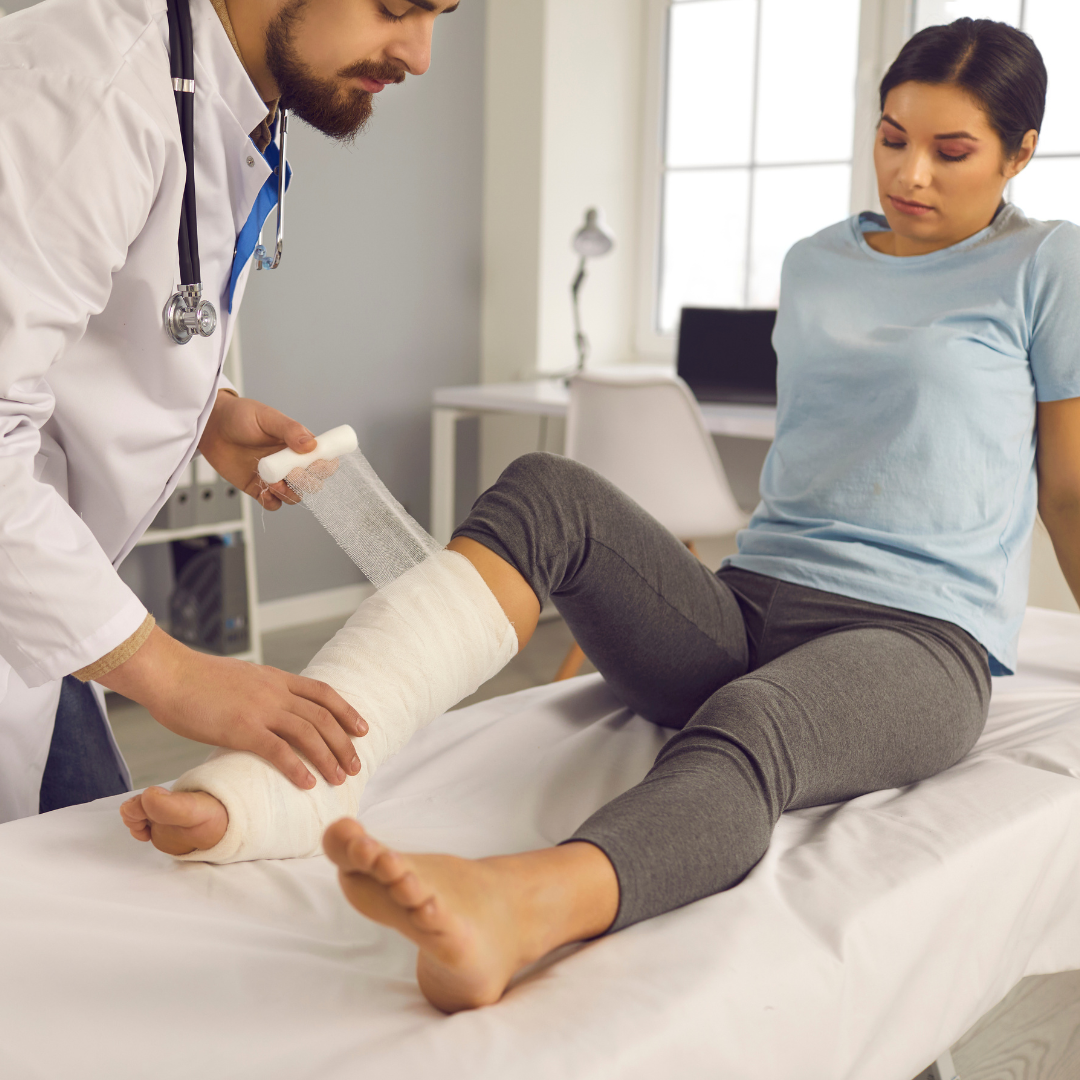
Fracture Care & Trauma
Plaster, splinting and surgical fixation for bone fractures.
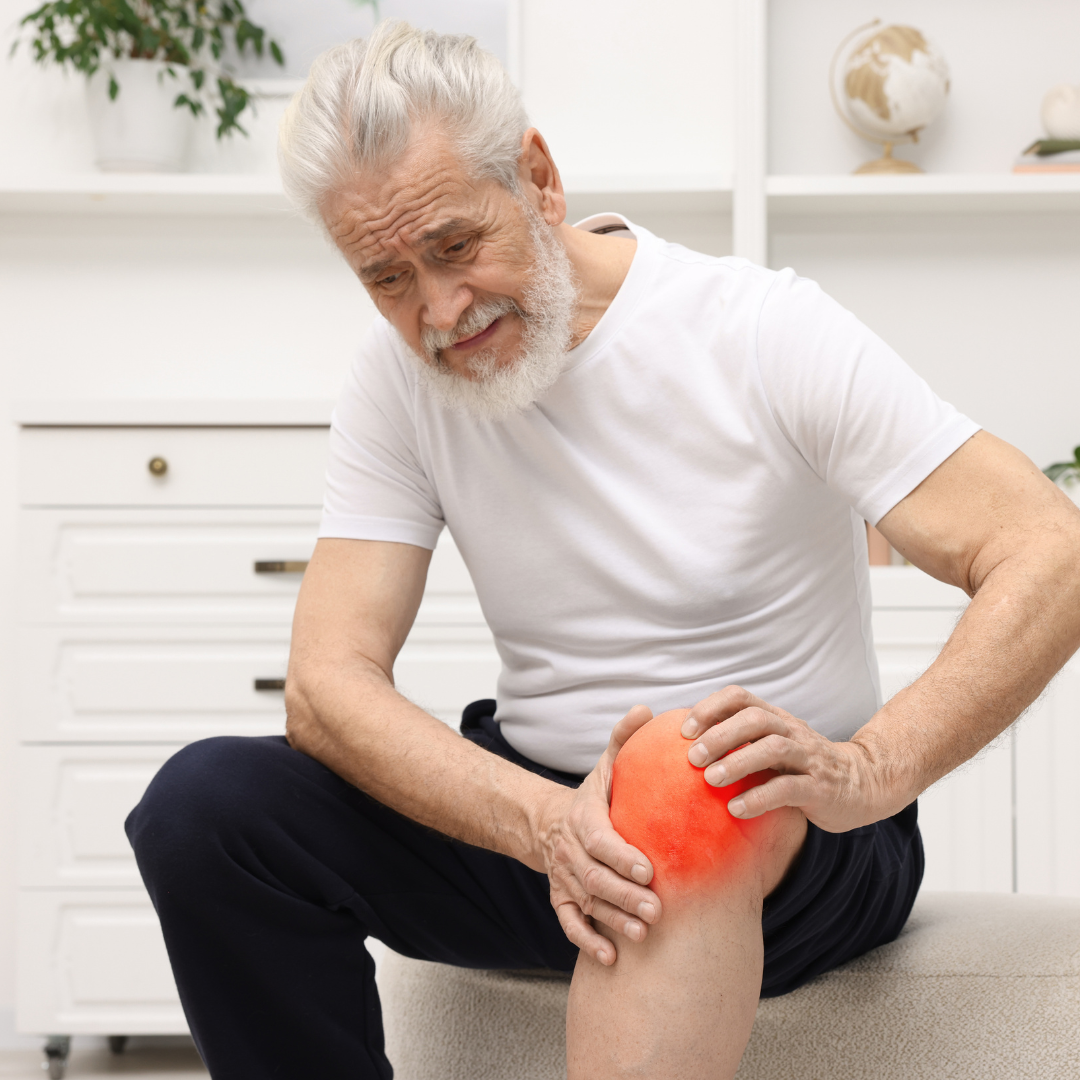
Knee Pain & Arthritis
Cartilage wear, swelling and stiffness — medication, physiotherapy and surgical referral.
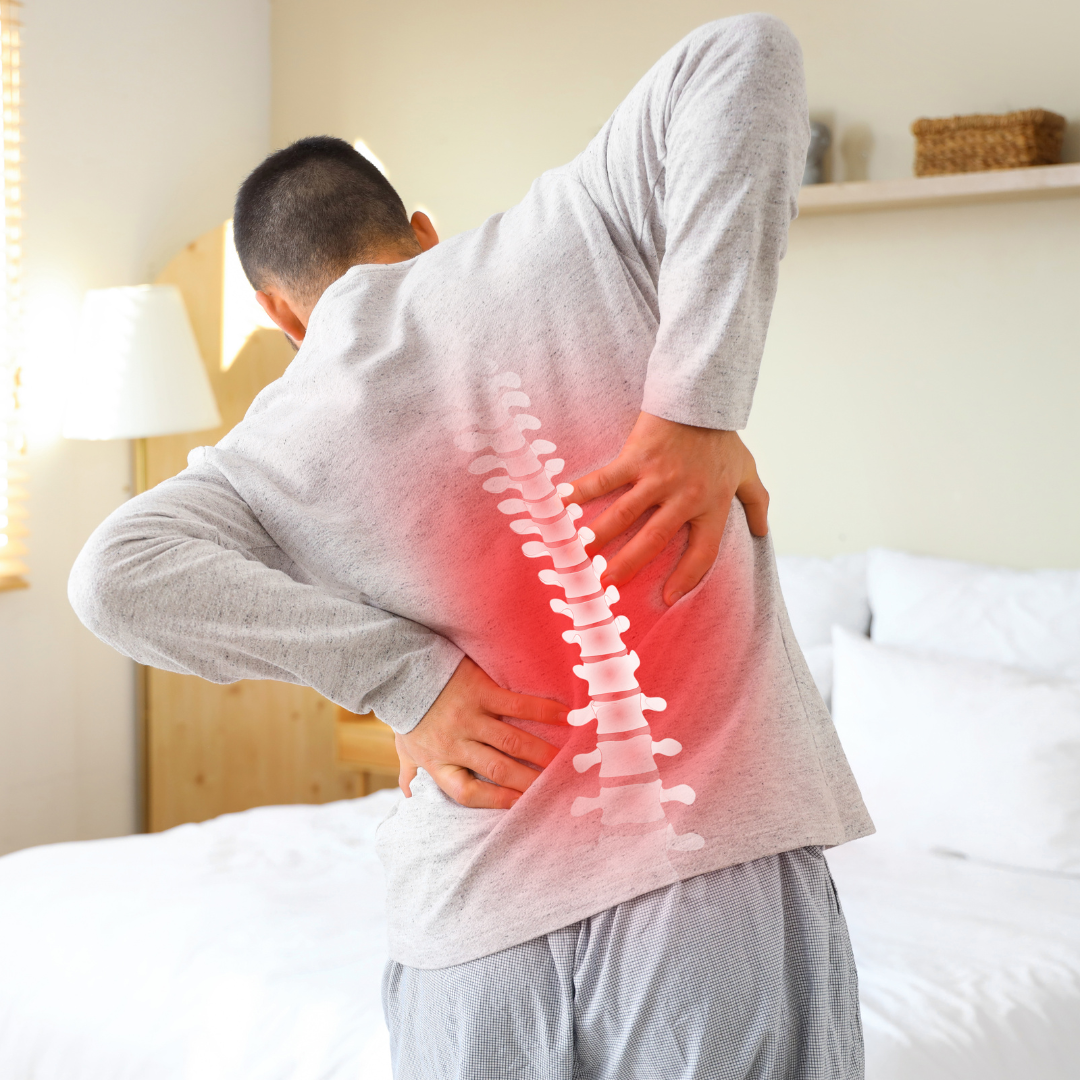
Back & Spine Pain
Slipped disc, lumbar pain and neck pain — non-surgical and surgical options.
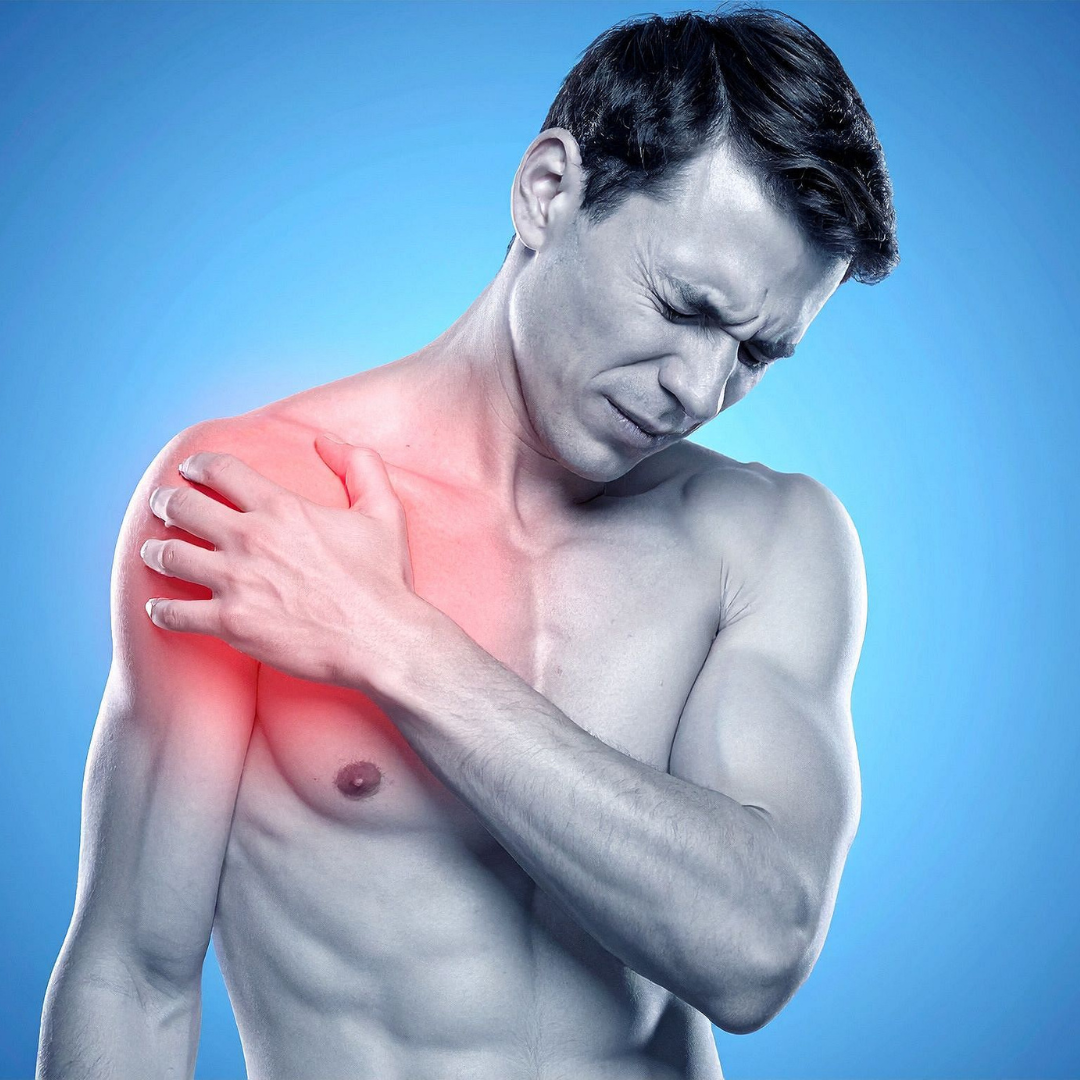
Frozen Shoulder
Painful, restricted shoulder — physiotherapy and injections.
Answers about Osteoporosis
Common questions about Osteoporosis — diagnosis, treatment and recovery at Sanjeevi Hospital, Sangareddy.