
Frozen Shoulder
Painful, restricted shoulder — physiotherapy and injections.

Overview
Frozen shoulder, medically known as adhesive capsulitis, is a common condition where the shoulder joint becomes stiff, painful, and loses its normal range of motion. In India, we see a high prevalence of this condition, particularly among individuals between the ages of 40 and 60, and it is significantly more common in patients with diabetes. The shoulder capsule—the connective tissue surrounding the joint—thickens and tightens, making even simple movements like reaching for a shelf or dressing difficult. At Sanjeevi Hospital in Sangareddy, we understand how frustrating this can be as it affects your daily life and productivity. While the condition can last for many months if left untreated, the good news is that with the right combination of orthopedic intervention, specialized physiotherapy, and patient education, most people regain full function. Early diagnosis is key to preventing long-term stiffness and ensuring a faster return to your routine activities.
Symptoms to watch for
- Dull, aching pain in the outer shoulder area or upper arm.
- Significant stiffness that makes it hard to rotate your arm or lift it sideways.
- Sharp pain when trying to reach for your back pocket or fasten a garment behind you.
- Pain that worsens at night, often making it difficult to sleep on the affected side.
- A sensation that the shoulder is 'stuck' or locked in place during simple movements.
- Difficulty with basic grooming tasks like brushing hair or washing your back.
- Gradual worsening of pain over several months, followed by an increase in stiffness.
- A feeling of weakness in the arm because the pain prevents you from using the muscles fully.
- Reduced ability to carry out household chores or drive comfortably.
Causes & risk factors
- Diabetes mellitus, which is a major risk factor in the Indian population.
- Recovery from surgery or injury that prevents the arm from moving for a long period.
- Thyroid disorders, including both hyperthyroidism and hypothyroidism.
- Cardiovascular diseases or recent history of a stroke.
- Chronic inflammatory conditions like rheumatoid arthritis affecting the joints.
- Parkinson's disease or other neurological conditions.
- Age-related changes in the joint tissues, typically occurring after the age of 40.
- Poor posture or repetitive strain that leads to inflammation in the shoulder capsule.
Diagnosis
- A thorough physical examination to check your active and passive range of motion.
- Medical history review, specially focusing on sugar levels and previous injuries.
- X-rays to rule out other problems like arthritis or a broken bone.
- MRI scans to get a detailed view of the soft tissues and the shoulder capsule.
- Ultrasound imaging to check for inflammation or rotator cuff tears.
- Blood tests to check for underlying conditions like diabetes or thyroid issues.
- Observation of how you move your shoulder during specific guided tasks.
Treatment options
Pain Management Medications
Our doctors prescribe safe anti-inflammatory medicines to reduce swelling and manage pain during the early stages, making it easier for you to start moving the arm.
Specialized Physiotherapy
Our expert therapists guide you through tailored stretching and strengthening exercises designed to gradually increase the flexibility of the shoulder capsule.
Intra-articular Injections
If pain is severe, a corticosteroid injection directly into the shoulder joint can provide significant relief and reduce inflammation quickly.
Hydrodilatation
A procedure where a sterile liquid is injected into the joint to gently stretch the tight shoulder capsule from the inside, improving movement.
Joint Manipulation under Anesthesia
For very stubborn cases, a specialist gently moves your shoulder while you are asleep to break up the scar tissue and restore mobility safely.
Arthroscopic Capsular Release
A minimally invasive keyhole surgery where the surgeon cuts through the tight portions of the capsule to allow the joint to move freely again.
Hot and Cold Therapy
Applying heat packs before exercise to relax the muscles and cold packs after to reduce inflammation is a simple yet effective home care strategy.
Lifestyle and Ergonomic Counseling
Advice on sleeping positions and workplace setups to prevent further strain on the shoulder joint during the long recovery process.
When to see a doctor
Please do not ignore persistent shoulder pain. You should visit Sanjeevi Hospital if your pain is interfering with your sleep, if you notice you can no longer lift your arm to perform daily tasks, or if the stiffness is getting worse despite taking rest. It is especially important to seek help if the pain is accompanied by swelling, redness, or a fever, as this could indicate an infection. We are here to support you with a gentle, patient-focused approach to ensure you get back to your pain-free life as soon as possible.
Prevention & self-care
- Keep your blood sugar levels under strict control if you are diabetic.
- Start gentle range-of-motion exercises immediately after any shoulder injury or surgery.
- Maintain good posture while sitting at your desk or using mobile devices.
- Perform regular shoulder stretches like the 'pendulum exercise' to keep the joint fluid.
- Avoid keeping your arm immobilized in a sling for longer than medically necessary.
- Stay hydrated and maintain a balanced diet rich in anti-inflammatory local foods like turmeric.
- Take short breaks and stretch if your job involves repetitive arm movements.
- Consult a specialist at the first sign of persistent shoulder discomfort.
Related conditions

Fracture Care & Trauma
Plaster, splinting and surgical fixation for bone fractures.
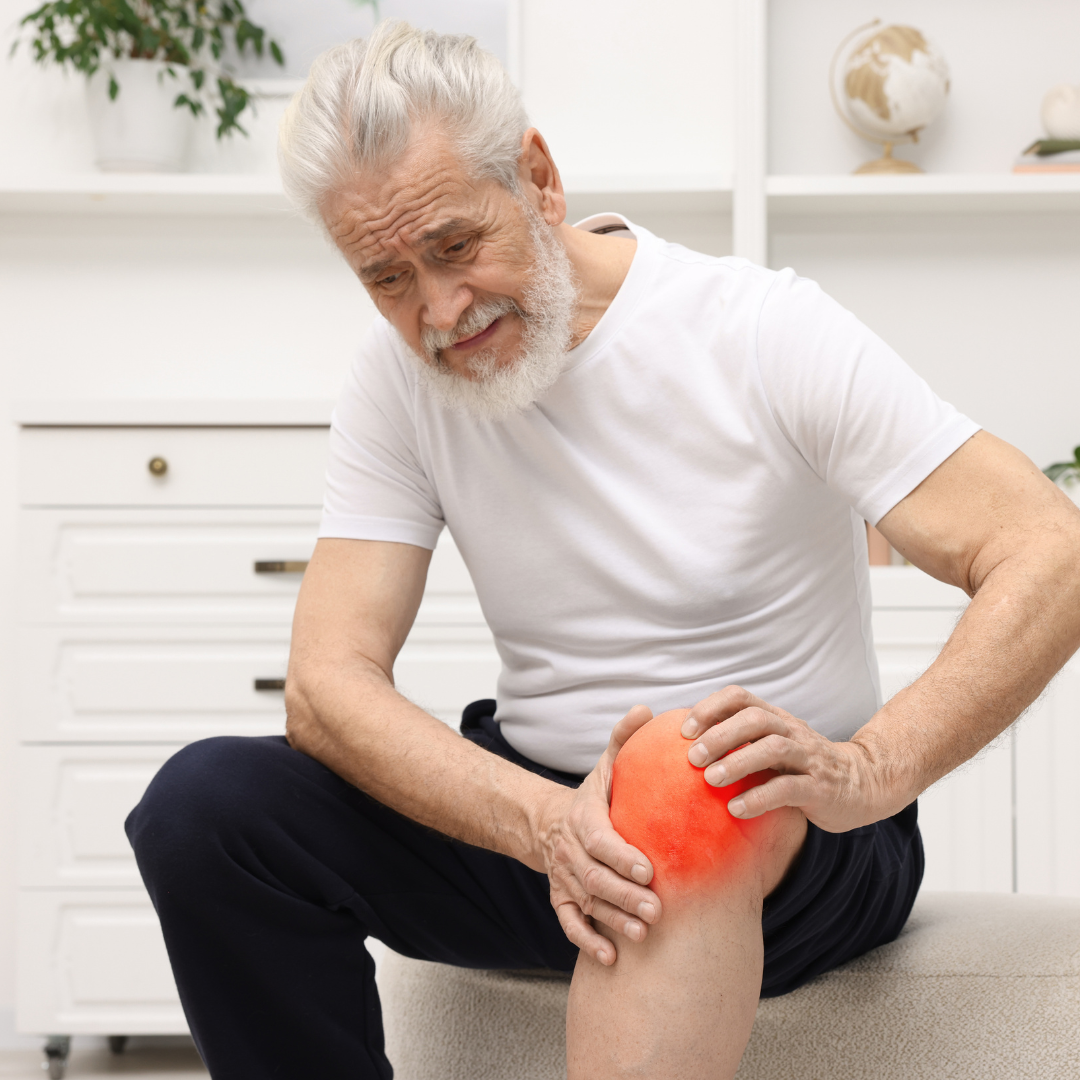
Knee Pain & Arthritis
Cartilage wear, swelling and stiffness — medication, physiotherapy and surgical referral.
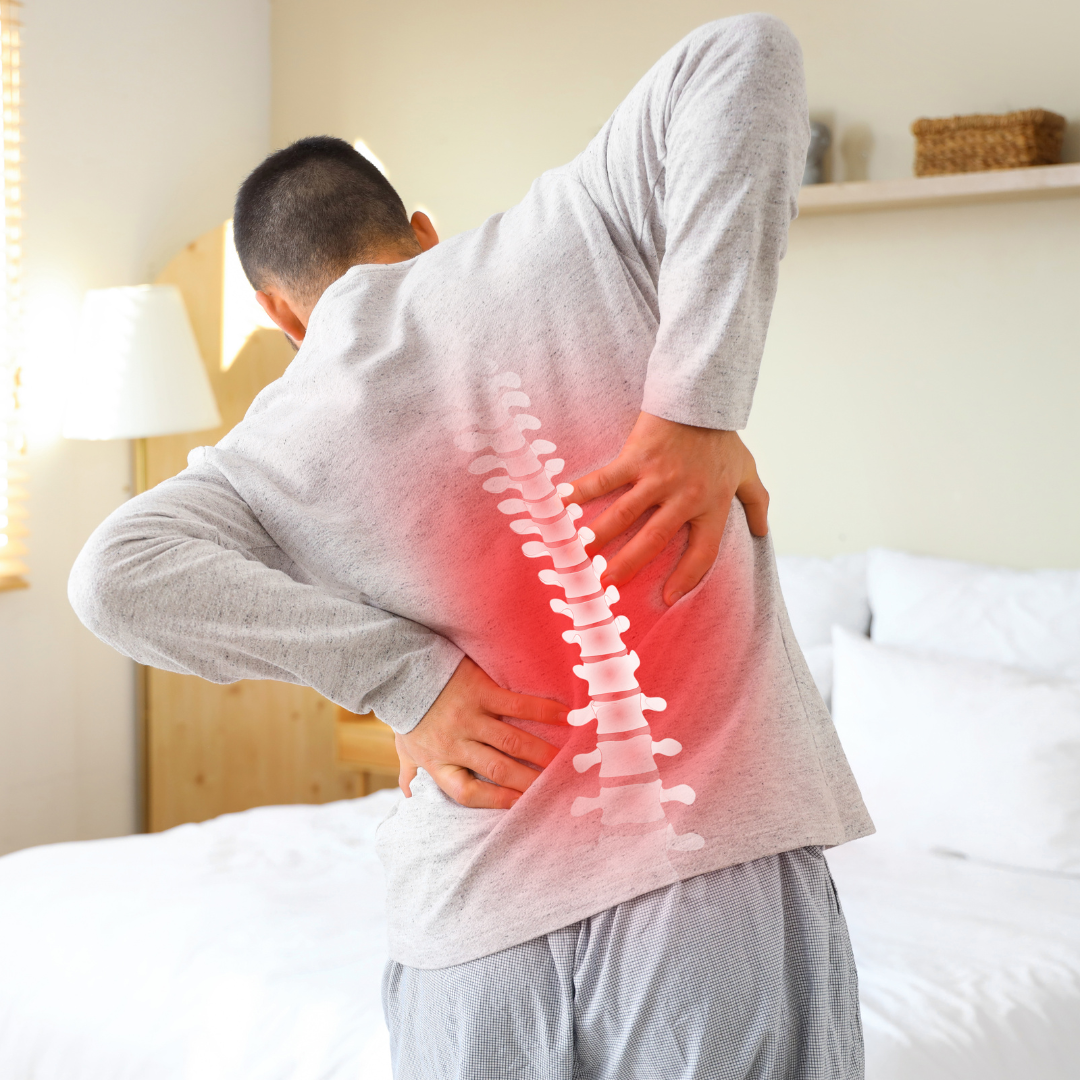
Back & Spine Pain
Slipped disc, lumbar pain and neck pain — non-surgical and surgical options.

Sports Injuries
Ligament tears, sprains and joint injuries — recovery and rehab.

Answers about Frozen Shoulder
Common questions about Frozen Shoulder — diagnosis, treatment and recovery at Sanjeevi Hospital, Sangareddy.