
Knee Pain & Arthritis
Cartilage wear, swelling and stiffness — medication, physiotherapy and surgical referral.
Overview
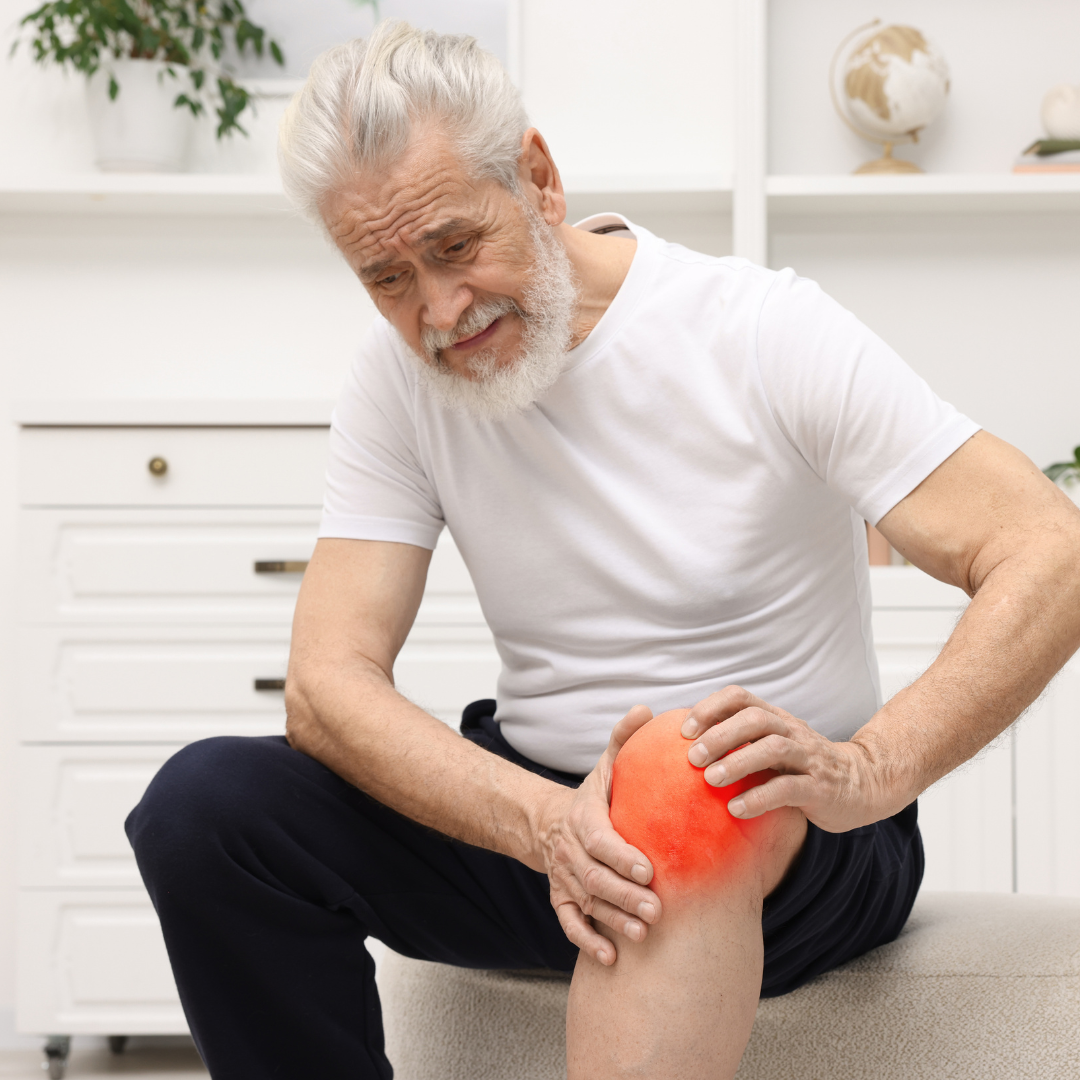
Knee pain is one of the most common health concerns we see at Sanjeevi Hospital, affecting millions of people across India. From young adults with sports injuries to our respected elders managing age-related wear and tear, knee discomfort can significantly impact your quality of life. In many Indian households, daily activities like sitting on the floor, climbing stairs, or walking to the local market become challenging when arthritis sets in. Arthritis is essentially the inflammation of one or more joints, where the protective cartilage that cushions your bones starts to thin out. This leads to friction, swelling, and pain. While it is a chronic condition, it does not mean you have to stop living an active life. Early intervention, specialized physiotherapy, and modern medical management can help you regain your mobility. Understanding the root cause of your knee pain is the first step toward a pain-free future, ensuring you can participate in family gatherings and daily chores with ease and comfort.
Symptoms to watch for
- Persistent pain that worsens after physical activity or long periods of sitting
- Noticeable swelling or puffiness around the knee joint
- Feeling of stiffness, especially first thing in the morning or after resting
- A grinding or popping sensation (crepitus) when moving the leg
- Difficulty in fully straightening or bending the knee joint
- Warmth or redness in the skin over the kneecap
- Weakness or instability, feeling like the knee might 'give way'
- Difficulty climbing stairs or getting up from a low chair
- Visible deformity or a 'bow-legged' appearance over time
Causes & risk factors
- Osteoarthritis, the most common 'wear and tear' type seen with aging
- Rheumatoid arthritis, an autoimmune condition causing joint inflammation
- Previous knee injuries like ligament tears (ACL) or meniscus damage
- Excess body weight which puts additional pressure on weight-bearing joints
- Repetitive stress from occupations that require frequent kneeling or squatting
- Genetic factors or a family history of joint problems
- Gout, caused by the buildup of uric acid crystals in the joint
- Post-traumatic arthritis developing years after a physical accident
Diagnosis
- Thorough physical examination of the knee for range of motion and stability
- X-rays to check for bone spurs and narrowing of joint space
- MRI scans to view soft tissues like ligaments, tendons, and cartilage
- Blood tests to check for inflammatory markers or rheumatoid factors
- Joint fluid aspiration to rule out infections or gout
- Review of medical history and daily lifestyle habits
- Ultrasound imaging to check for cysts or fluid accumulation
Treatment options
Personalized Physiotherapy
Our experts design specific exercises to strengthen the muscles around your knee, reducing the load on the joint and improving flexibility.
Weight Management and Nutrition
We provide guidance on healthy eating to reduce pressure on your knees and include anti-inflammatory foods like turmeric and ginger in your Indian diet.
Pain Management Medications
Our doctors prescribe safe anti-inflammatory medicines and topical gels to reduce swelling and manage daily discomfort effectively.
Viscosupplementation Injections
This involves injecting a lubricating fluid into the knee joint to help it move smoothly, acting like a 'grease' for the joint.
Corticosteroid Injections
For quick relief from severe inflammation, these injections can help calm the joint down during a painful flare-up.
Arthroscopic Surgery
A minimally invasive procedure where a tiny camera is used to clean out loose cartilage or repair damaged ligaments through small incisions.
Partial or Total Knee Replacement
In advanced cases, our surgeons replace the damaged joint parts with high-quality artificial components to restore full function.
Assistive Devices
We recommend the use of knee braces, specialized footwear, or walking aids to provide extra support and balance during your recovery.
When to see a doctor
Please do not ignore persistent knee discomfort. You should visit us at Sanjeevi Hospital if you experience a sudden injury, severe swelling that prevents you from bearing weight, or if the pain keeps you awake at night. If you notice a fever along with a red, hot knee joint, it could indicate an infection that needs immediate attention. Our team is here to listen to your concerns and provide a gentle, guiding hand toward recovery. Early diagnosis often leads to simpler, non-surgical treatments.
Prevention & self-care
- Maintain a healthy weight to reduce the daily stress on your knee joints
- Incorporate low-impact exercises like swimming or cycling into your routine
- Wear comfortable, well-fitting shoes that provide good arch support
- Warm up your muscles with light stretching before any physical activity
- Avoid sitting in the same position for too long; take frequent movement breaks
- Use proper techniques during exercise or heavy lifting to avoid sudden twists
- Eat a balanced diet rich in Calcium and Vitamin D for better bone health
- Keep hydrated and use traditional Indian anti-inflammatory spices like turmeric in your meals
Related conditions
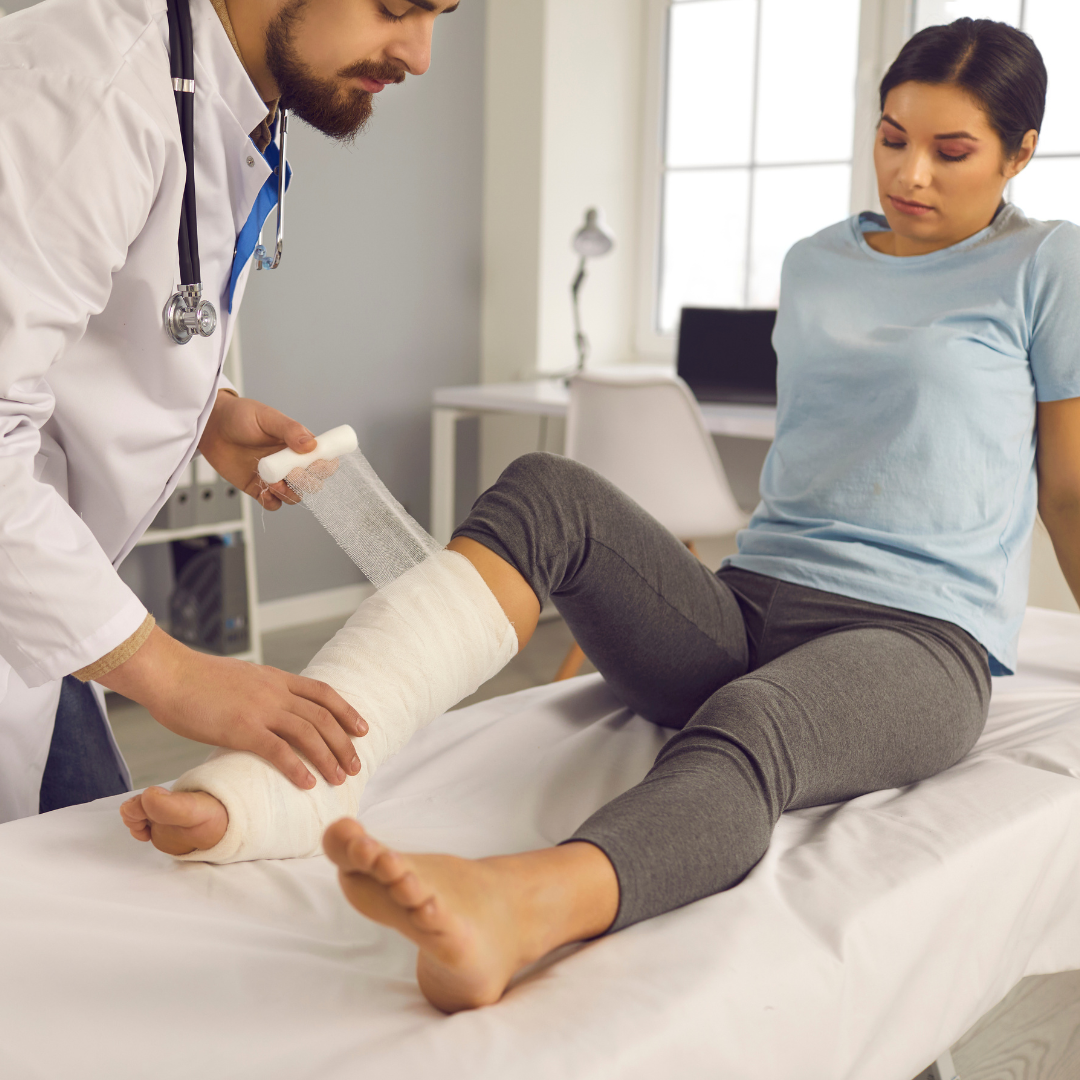
Fracture Care & Trauma
Plaster, splinting and surgical fixation for bone fractures.
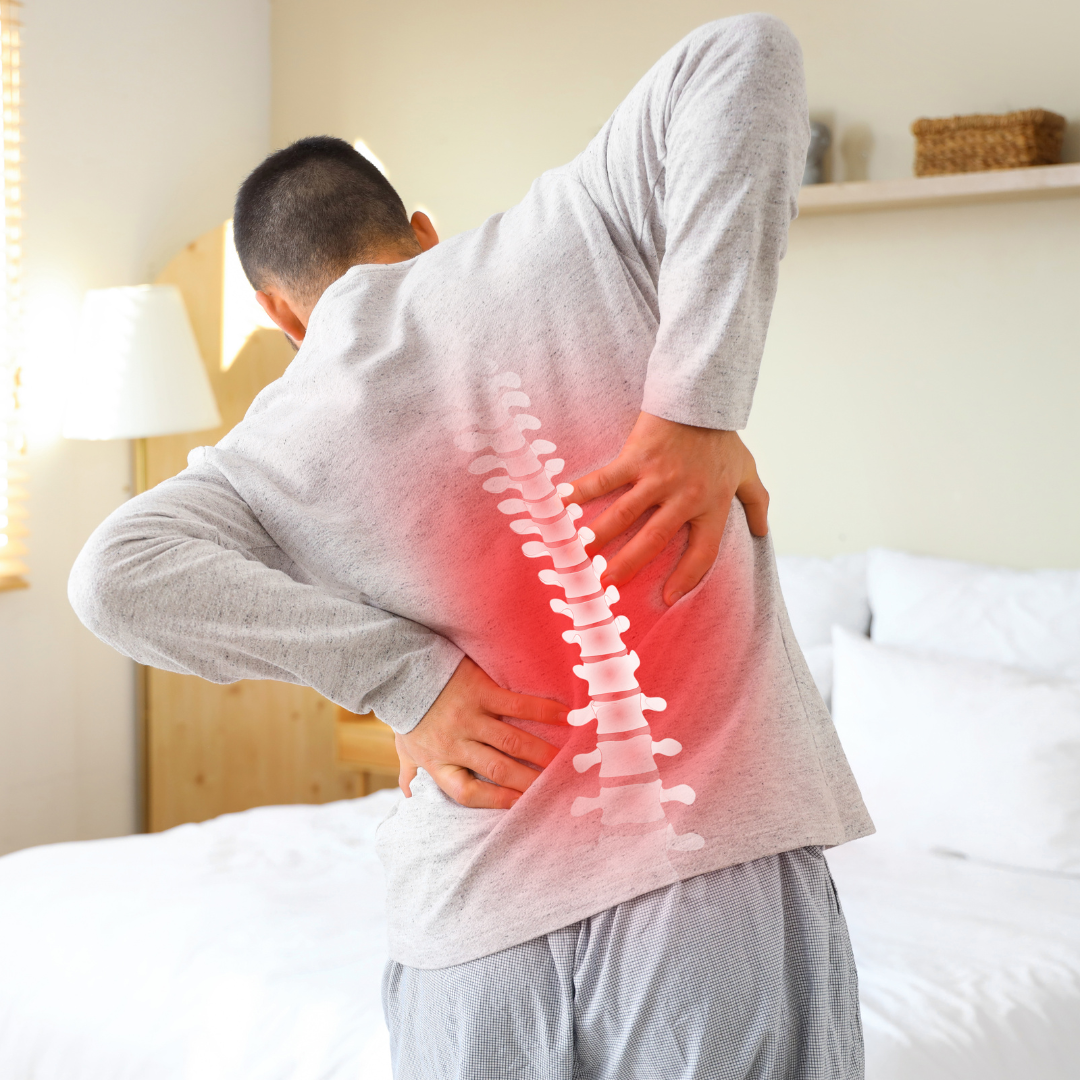
Back & Spine Pain
Slipped disc, lumbar pain and neck pain — non-surgical and surgical options.
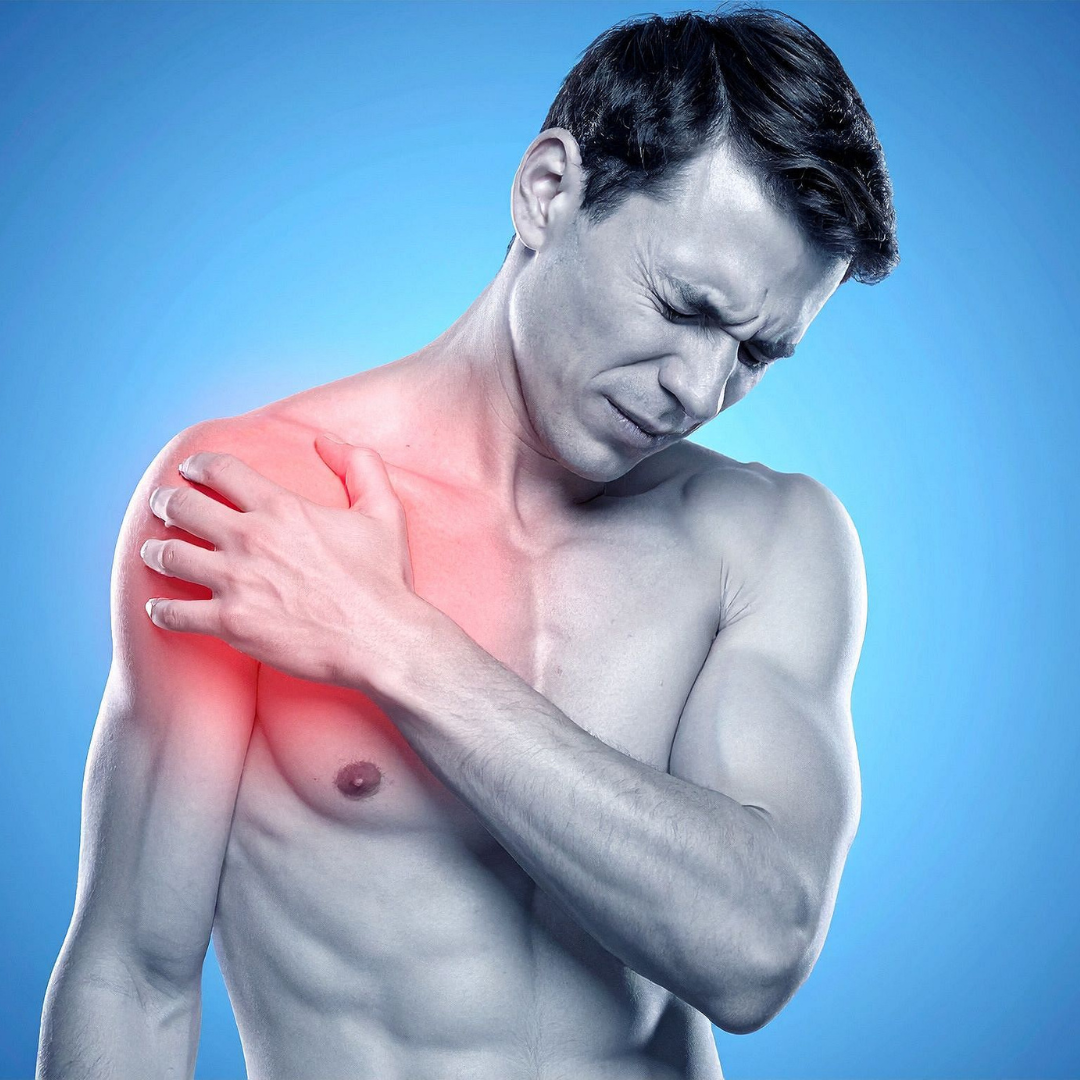
Frozen Shoulder
Painful, restricted shoulder — physiotherapy and injections.
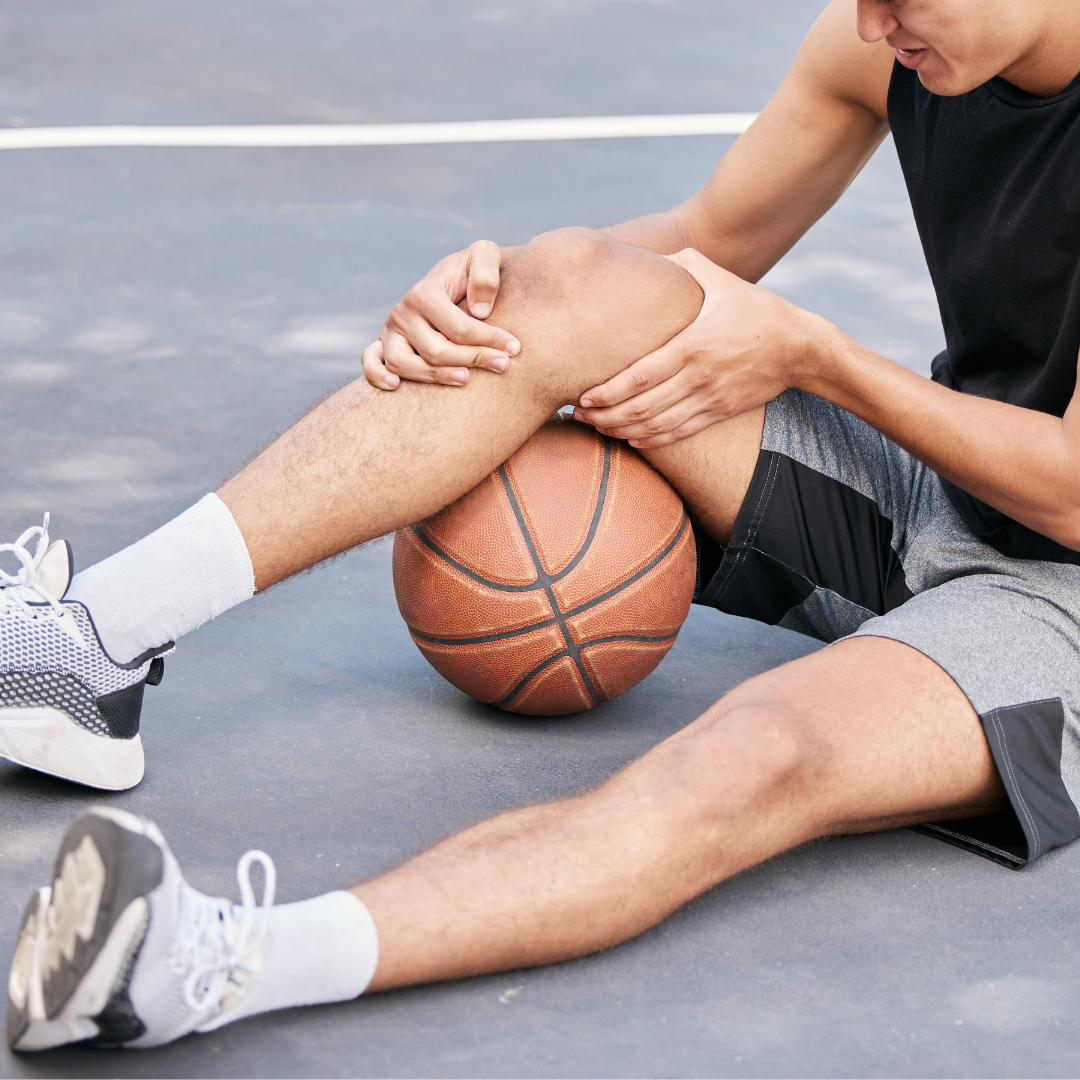
Sports Injuries
Ligament tears, sprains and joint injuries — recovery and rehab.
Answers about Knee Pain & Arthritis
Common questions about Knee Pain & Arthritis — diagnosis, treatment and recovery at Sanjeevi Hospital, Sangareddy.