
Bladder Cancer Awareness
Warning signs, risk factors and the importance of early diagnosis.

Overview
Bladder cancer occurs when cells in the urinary bladder begin to grow uncontrollably, often starting in the inner lining of the bladder wall. In India, it is a significant health concern, particularly among men, though it is increasingly being diagnosed in women as well. At Sanjeevi Hospital in Sangareddy, we understand that hearing the word cancer can be overwhelming, but it is important to know that when detected early, bladder cancer is highly manageable and often treatable. In the Indian context, factors such as industrial chemical exposure and long-term smoking habits contribute to its prevalence. The bladder is a hollow organ in the pelvis that stores urine, and any disruption to its healthy tissue can affect your entire urinary system. Understanding the early warning signs, such as changes in urination or comfort, is the first step toward recovery. Our dedicated urology team is here to provide clarity, support, and the most advanced medical care available in our region to help you navigate this journey with confidence and peace of mind.
Symptoms to watch for
- Presence of blood in the urine, making it look bright red or cola-colored (Hematuria).
- Feeling a frequent urge to urinate more often than usual, especially at night.
- Pain or a burning sensation during the process of urination.
- Feeling the sudden, urgent need to urinate even when the bladder is not full.
- Difficulty in passing urine or a weak urine stream.
- Persistent pain in the pelvic region or lower back area.
- Unexplained weight loss or a significant loss of appetite.
- Swelling in the feet or legs due to urinary blockages.
- Feeling unusually tired or weak without a clear reason.
Causes & risk factors
- Long-term tobacco use and cigarette smoking are the leading risk factors in India.
- Exposure to certain industrial chemicals used in dye, rubber, leather, and paint industries.
- Chronic bladder inflammations or repeated infections over many years.
- Previous history of radiation exposure to the pelvic area for other treatments.
- Low fluid intake, which allows toxins to stay in the bladder for longer periods.
- Long-term use of certain medicines or traditional treatments without medical supervision.
- Family history of bladder cancer or specific genetic predispositions.
- Age factor, as it is more commonly diagnosed in individuals over the age of 55.
Diagnosis
- Cystoscopy: Finding the cause by inserting a thin tube with a camera into the bladder.
- Urine Cytology: Examining a urine sample under a microscope to look for cancer cells.
- Biopsy: Taking a small tissue sample during a cystoscopy for detailed lab analysis.
- Ultrasound Scan: A painless imaging test to visualize the bladder and surrounding organs.
- CT Scan (Urogram): Detailed X-ray images that help see the entire urinary tract.
- MRI Scan: Using magnetic fields to get clear pictures of the pelvic structures.
- Renal Function Tests: Blood tests to check how well the kidneys are working.
Treatment options
Transurethral Resection of Bladder Tumor (TURBT)
A procedure where the surgeon removes the tumor through the urethra without making any external cuts on the body.
Intravesical Chemotherapy
Liquid medication is put directly into the bladder through a catheter to kill any remaining cancer cells after surgery.
Intravesical Immunotherapy (BCG Therapy)
A treatment that uses a liquid version of the BCG vaccine to trigger the body's own immune system to fight the cancer.
Radical Cystectomy
A major surgery to remove the entire bladder and nearby lymph nodes if the cancer has spread into the muscle wall.
Urinary Diversion
After a cystectomy, our surgeons create a new way for the body to store and pass urine, such as an internal pouch or an external bag.
Radiation Therapy
Using high-energy beams to target and destroy cancer cells, often used in combination with chemotherapy.
Systemic Chemotherapy
Medications taken by mouth or through a vein that travel through the whole body to treat cancer that has spread beyond the bladder.
When to see a doctor
It is very important to listen to your body and notice any changes in your urinary habits. If you see blood in your urine, even if it happens only once and is not painful, you should book a consultation immediately. Do not ignore persistent burning during urination or the feeling that you cannot empty your bladder. Early detection at Sanjeevi Hospital leads to more successful and less invasive treatments. We are here to listen to your concerns with empathy and provide a quick, accurate diagnosis to ensure your health is protected.
Prevention & self-care
- Quit smoking and avoid secondhand smoke to significantly reduce your risk.
- Drink plenty of water (at least 2-3 liters daily) to flush out toxins from your bladder.
- Use protective gear if you work in industries involving dyes, textiles, or chemicals.
- Eat a colorful variety of fruits and vegetables rich in antioxidants.
- Avoid the habit of holding urine for long periods; go to the washroom when you feel the urge.
- Get regular health check-ups if you have a family history of urological issues.
- Treat urinary tract infections (UTIs) promptly with the help of a qualified doctor.
- Incorporate traditional Indian cooling foods like buttermilk and tender coconut water into your diet.
Related conditions
Kidney Stones
Severe flank pain — medication, lithotripsy and minimally invasive removal.
Urinary Tract Infection (UTI)
Burning urine and frequency — accurate diagnosis and complete treatment.
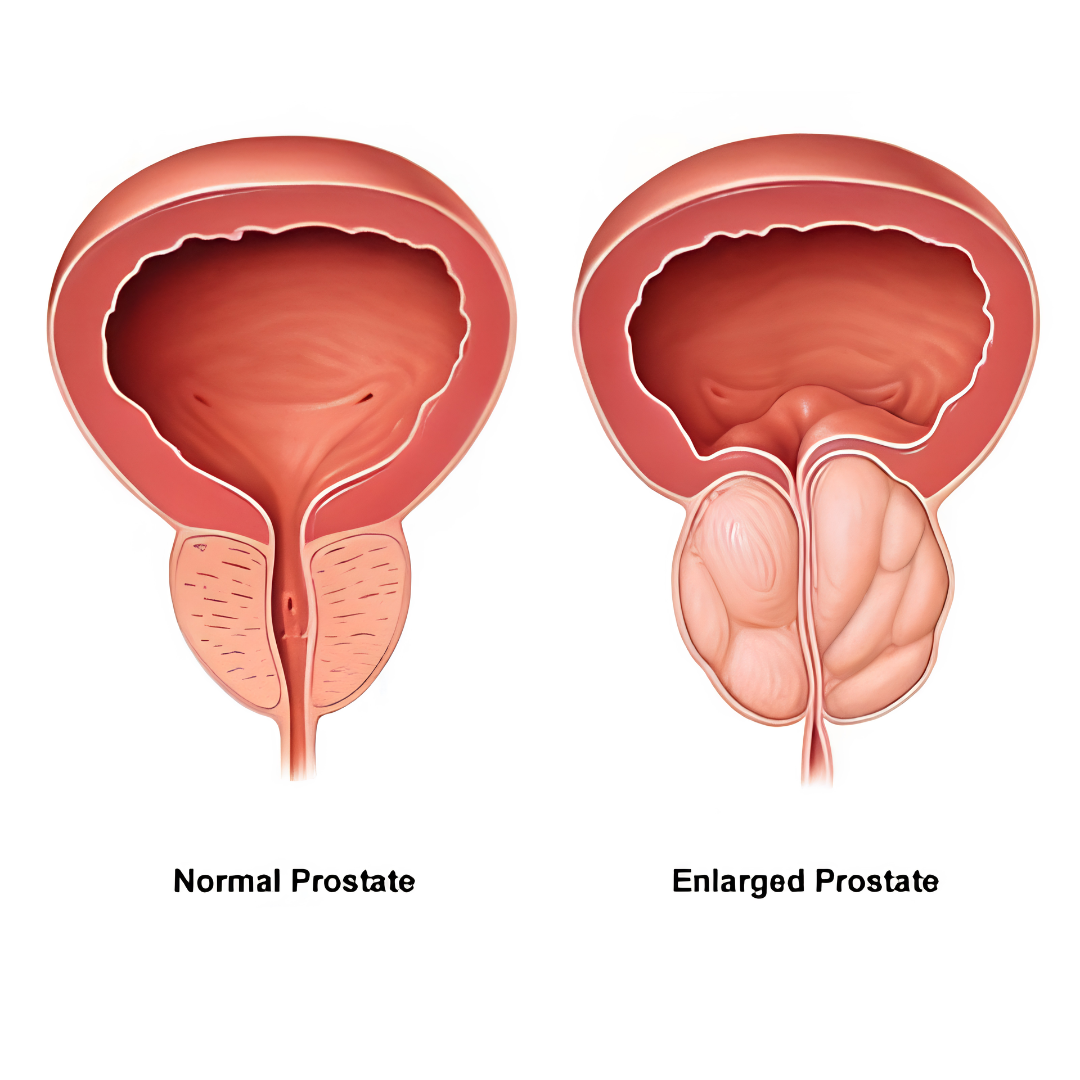
Enlarged Prostate (BPH)
Weak urine flow in older men — medication and surgical options.
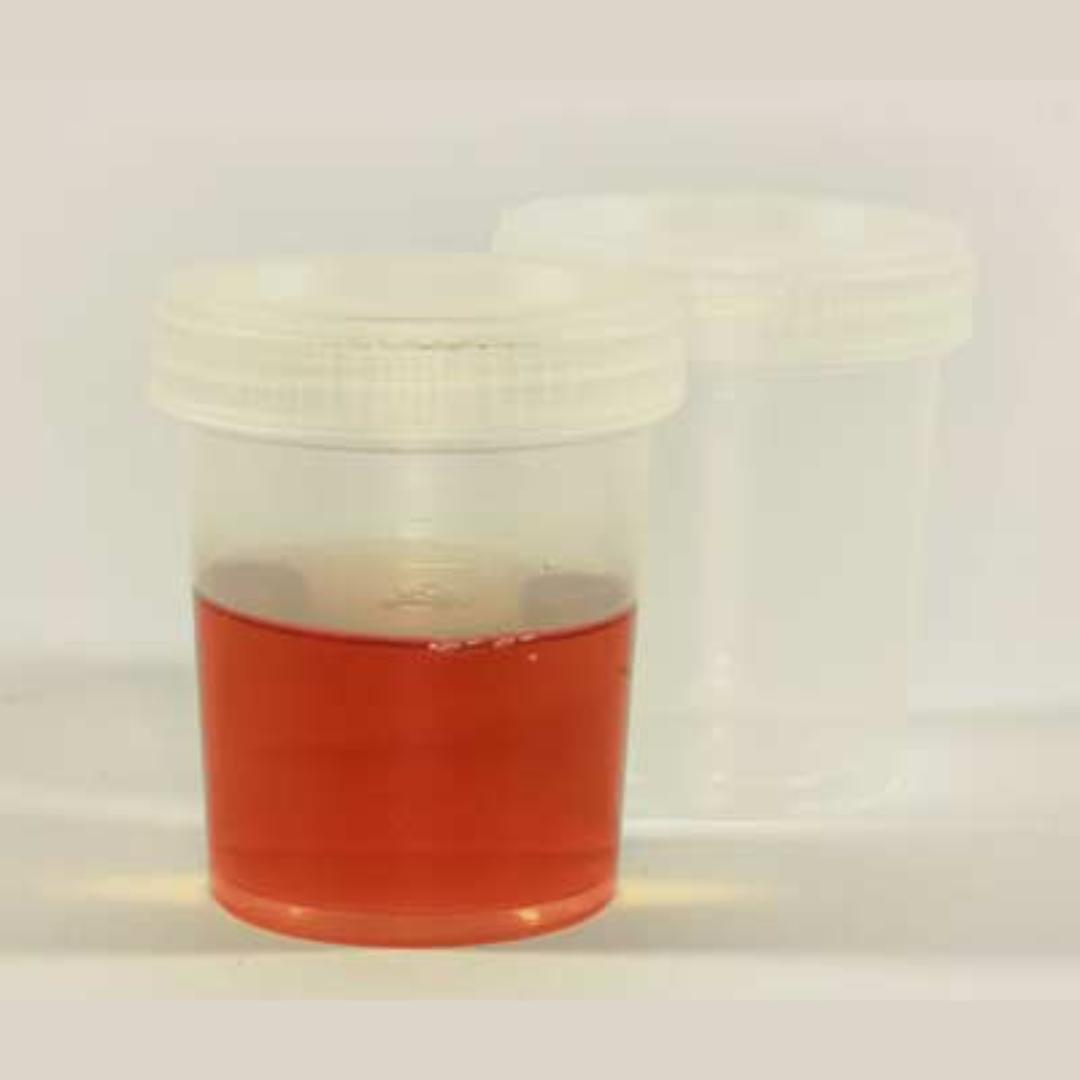
Blood in Urine (Hematuria)
Important warning sign requiring detailed urological evaluation.

Answers about Bladder Cancer Awareness
Common questions about Bladder Cancer Awareness — diagnosis, treatment and recovery at Sanjeevi Hospital, Sangareddy.