

Overview
Male infertility refers to any health issue in a man that lowers the chances of his female partner getting pregnant. In India, infertility affects approximately 10 to 15 percent of couples, and in nearly half of these cases, the cause is related to the male partner. At Sanjeevi Hospital, Sangareddy, we understand that this can be a sensitive and emotional journey for families. It usually happens because of low sperm production, abnormal sperm function, or blockages that prevent the delivery of sperm. Factors like lifestyle changes, environmental heat, and late marriages are contributing to rising cases in our region. The good news is that many causes of male infertility are treatable. Our Urology department focuses on identifying these issues early through simple tests, ensuring that men in our community can access the same advanced care found in major cities right here in Sangareddy.
Symptoms to watch for
- Difficulty in achieving conception after one year of regular unprotected intercourse
- Noticeable problems with sexual function, such as difficulty with ejaculation
- Reduced sexual desire or difficulty maintaining an erection (erectile dysfunction)
- Pain, swelling, or a lump in the testicle area
- Recurrent respiratory infections or loss of sense of smell
- Abnormal breast growth (gynecomastia) in some cases
- Decreased facial or body hair or other signs of a chromosomal or hormonal abnormality
- A lower than normal sperm count (fewer than 15 million sperm per milliliter of semen)
- Changes in the consistency or volume of ejaculated fluid
Causes & risk factors
- Varicocele: A swelling of the veins that drain the testicle, which is a common reversible cause
- Infections: Certain infections can interfere with sperm production or cause scarring that blocks sperm passage
- Ejaculation issues: Conditions like retrograde ejaculation where semen enters the bladder instead of emerging out
- Hormonal imbalances: Disorders of the testicles themselves or the pituitary and hypothalamus glands
- Chromosome defects: Inherited disorders such as Klinefelter's syndrome that affect male reproductive development
- Environmental factors: Overexposure to heat, industrial chemicals, or heavy metals like lead
- Lifestyle choices: Excessive smoking, alcohol consumption, high stress, or obesity
- Prior surgeries: Vasectomies, inguinal hernia repairs, or scrotal surgeries that may have caused blockages
Diagnosis
- Detailed physical examination and medical history review by an experienced urologist
- Semen analysis to check sperm count, shape (morphology), and movement (motility)
- Scrotal ultrasound to look for varicoceles or other structural problems in the testicles
- Hormone testing through blood samples to check levels of testosterone and other reproductive hormones
- Post-ejaculation urinalysis to detect if sperm are traveling backward into the bladder
- Genetic testing when sperm concentration is extremely low to identify specific chromosomal issues
- Specialized sperm function tests to see how well your sperm survive and penetrate eggs
Treatment options
Varicocele Repair
A minor surgical procedure to close off swollen veins, which helps improve blood flow and often increases sperm quality and count.
Hormone Treatments
If infertility is caused by high or low levels of certain hormones, our doctors may suggest medications to correct the balance and improve fertility.
Antibiotic Therapy
If an infection is found in the reproductive tract, a course of antibiotics can clear it, though it doesn't always reverse fertility problems.
Treatment for Sexual Intercourse Issues
Medication or counseling can help improve fertility in conditions such as erectile dysfunction or premature ejaculation.
Sperm Retrieval Techniques
When sperm are absent in the ejaculate, they can often be collected directly from the testicles using small needles for use in assisted reproduction.
Assisted Reproductive Technology (ART)
Treatments like IVF (In Vitro Fertilization) or ICSI (Intracytoplasmic Sperm Injection) involve specially preparing sperm and manually injecting them into an egg.
Lifestyle and Diet Modification
Guidance on weight loss, stopping tobacco, and taking specific micro-nutrients like Zinc and Vitamin C that support healthy sperm development.
Surgical Obstruction Correction
Advanced microsurgery to clear blockages in the sperm-carrying tubes (vas deferens), allowing sperm to be present in the semen again.
When to see a doctor
Infertility can be a heavy burden to carry alone. It is time to consult a specialist at Sanjeevi Hospital if you have been unable to conceive a child after one year of regular, unprotected intercourse. You should seek an earlier appointment if you have a history of testicle, prostate, or sexual problems, or if you have undergone groin or scrotal surgery. If you notice lumps, persistent pain, or difficulty with sexual function, please reach out to our compassionate urology team today. We are here to listen and help without judgment.
Prevention & self-care
- Maintain a healthy weight by eating balanced Indian meals rich in lentils, vegetables, and whole grains
- Avoid wearing very tight undergarments or pants that increase scrotal temperature
- Quit smoking and limit alcohol consumption, as these toxins significantly reduce sperm quality
- Manage stress through regular exercise, yoga, or meditation techniques
- Avoid exposure to pesticides, heavy metals, and other environmental toxins whenever possible
- Ensure you are getting enough sleep to maintain healthy hormone production
- Seek prompt treatment for sexually transmitted infections (STIs) to prevent permanent scarring
- Be cautious with over-the-counter supplements or medications that might interfere with hormones
Related conditions
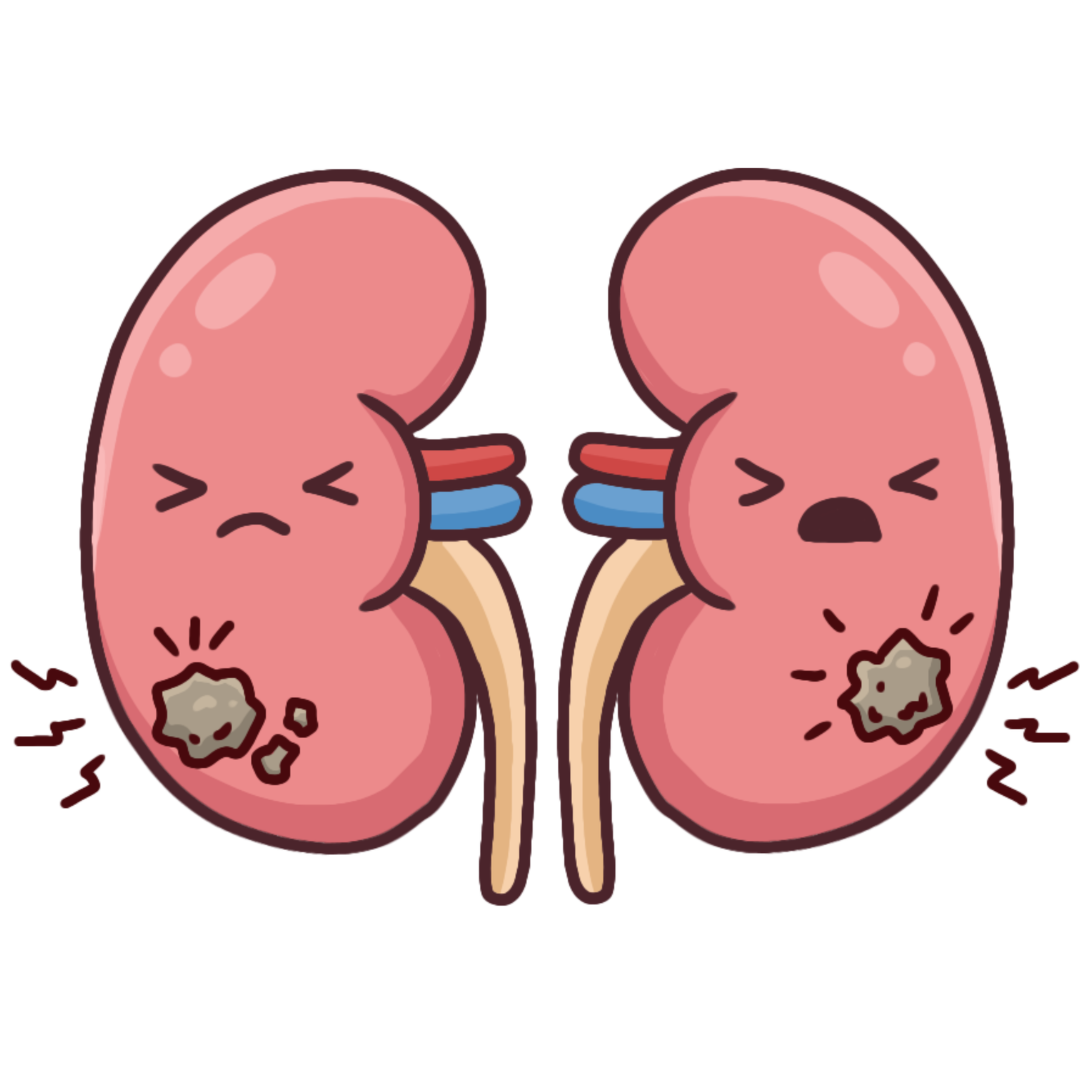
Kidney Stones
Severe flank pain — medication, lithotripsy and minimally invasive removal.
Urinary Tract Infection (UTI)
Burning urine and frequency — accurate diagnosis and complete treatment.
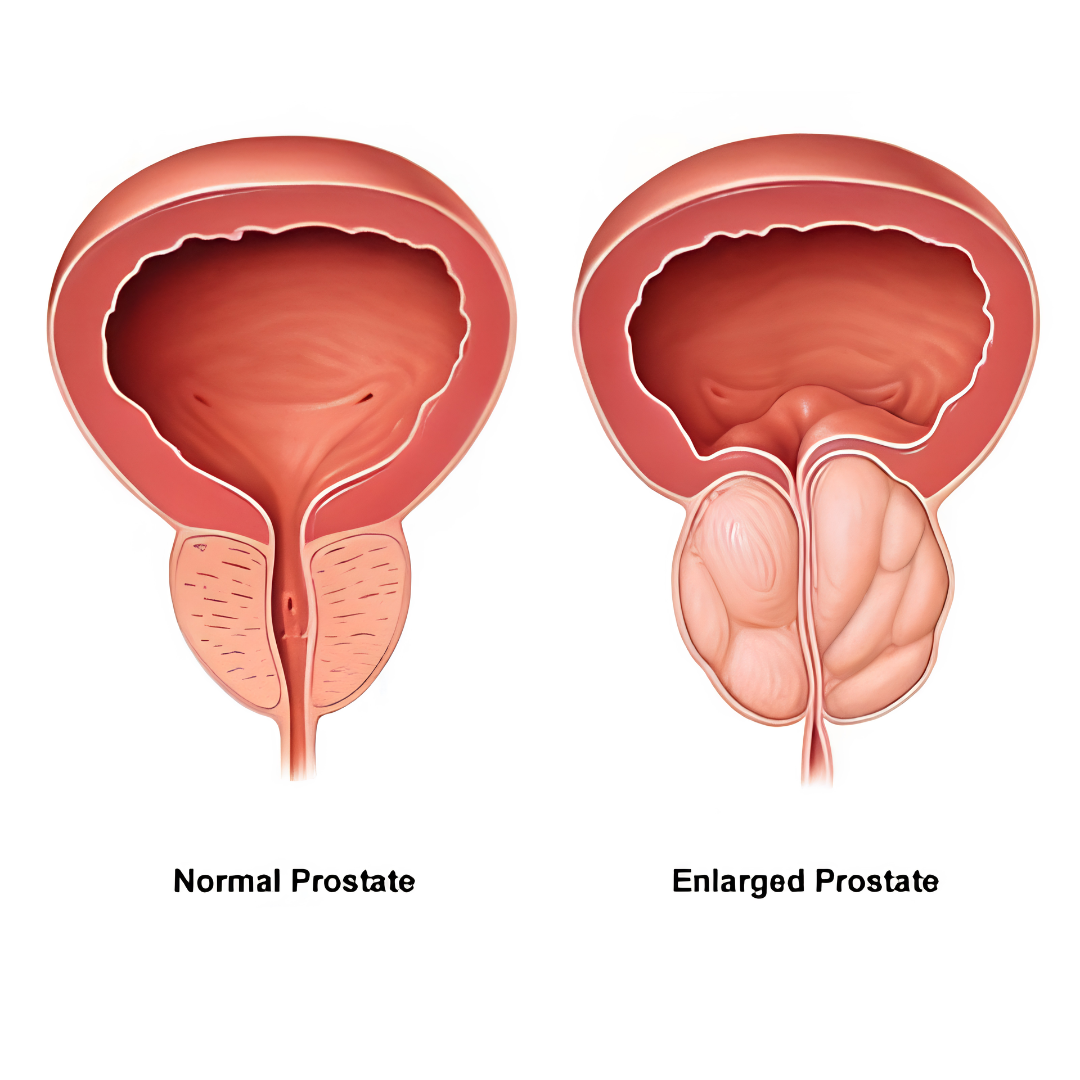
Enlarged Prostate (BPH)
Weak urine flow in older men — medication and surgical options.
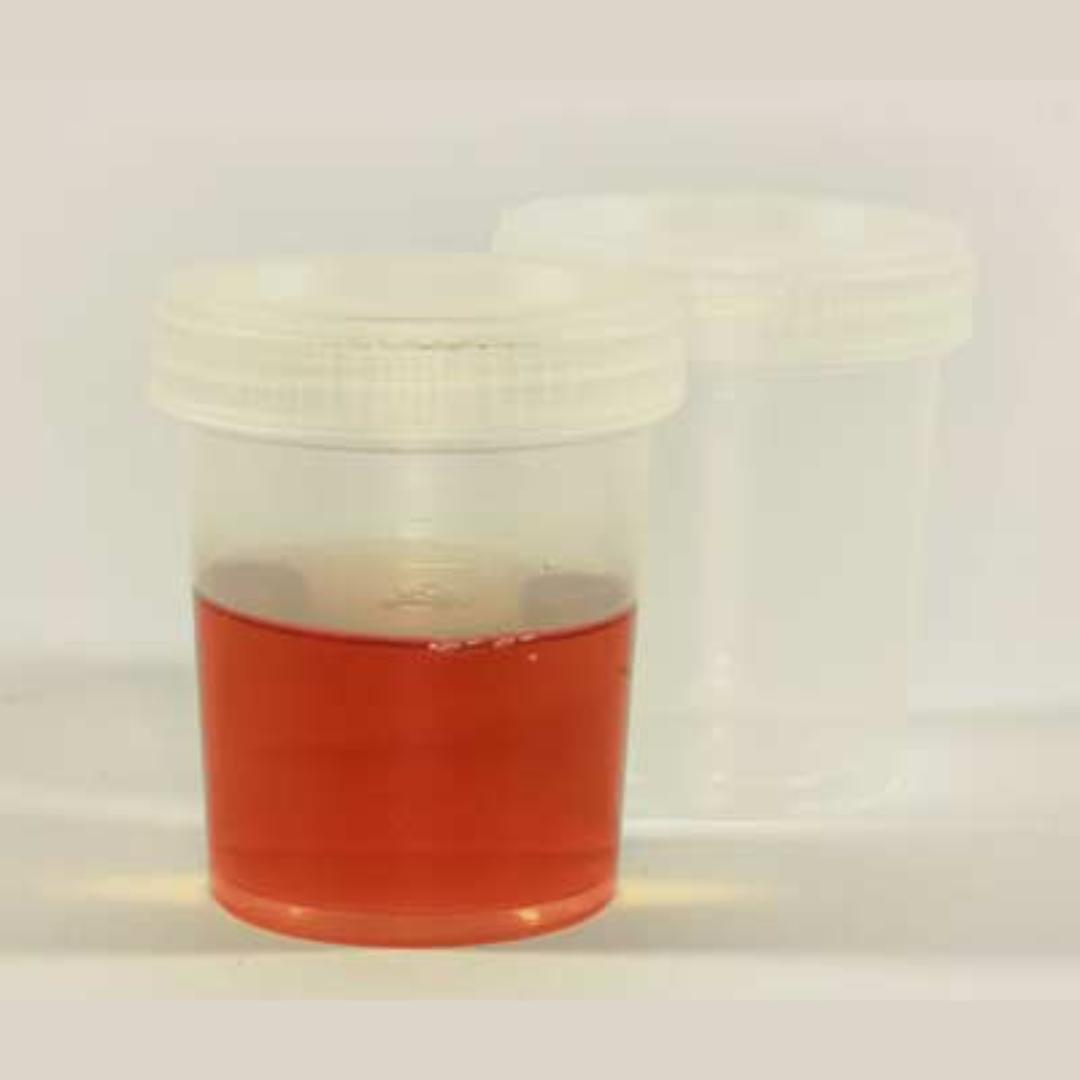
Blood in Urine (Hematuria)
Important warning sign requiring detailed urological evaluation.
Answers about Male Infertility
Common questions about Male Infertility — diagnosis, treatment and recovery at Sanjeevi Hospital, Sangareddy.