
Blood in Urine (Hematuria)
Important warning sign requiring detailed urological evaluation.
Overview
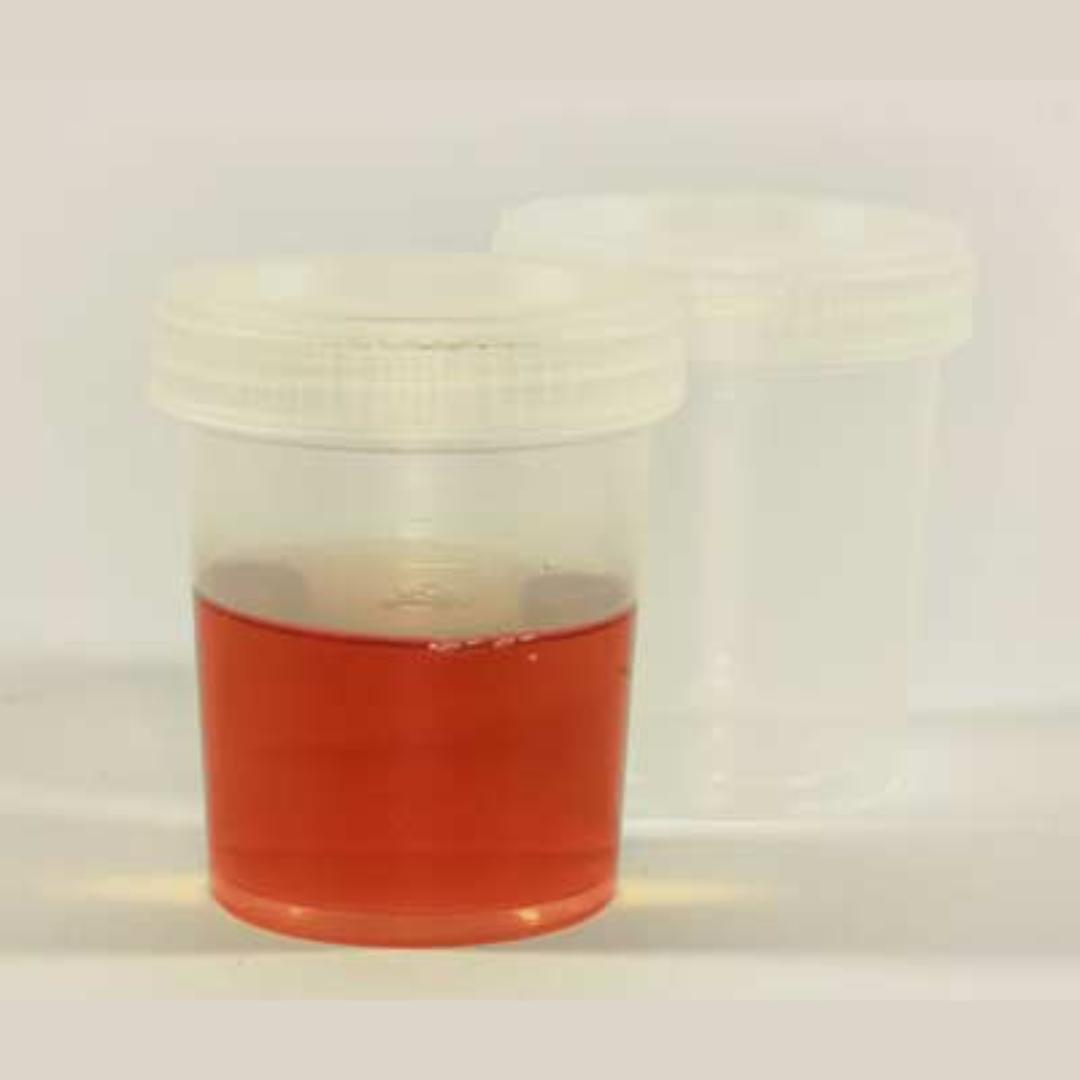
Hematuria, or blood in the urine, can be a startling discovery for anyone. In India, it is a frequent reason for urology consultations, often linked to common issues like kidney stones or urinary tract infections. While the sight of red or pink-tinted urine can be frightening, it is important to remember that most causes are treatable when caught early. At Sanjeevi Hospital in Sangareddy, we emphasize that even a single episode of blood in the urine should not be ignored, as it serves as a vital window into your internal health. Whether the blood is visible to the naked eye or only detected during a routine lab test, it requires a systematic evaluation to rule out serious conditions. Our approach focuses on gentle care and accurate diagnosis to ensure you regain your health and peace of mind quickly, using the latest medical protocols suitable for our local community.
Symptoms to watch for
- Urine that appears pink, red, or cola-colored
- Visible small blood clots in the urine
- Burning sensation or pain while urinating
- Frequent urge to urinate more than usual
- Dull ache or sharp pain in the lower back or side
- Unexplained fever or chills accompanying urine changes
- Pain in the lower abdomen or pelvic region
- Difficulty starting the urine stream or weak flow
- Presence of blood only visible under a microscope during tests
Causes & risk factors
- Urinary Tract Infections (UTIs) causing bladder inflammation
- Kidney or bladder stones, which are very common in the Telangana region
- Enlargement of the prostate gland in older men (BPH)
- Infections or inflammation of the kidney (Glomerulonephritis)
- Strenuous physical exercise or long-distance running
- Minor injuries to the kidney or bladder from accidents
- Certain medications including blood thinners or specific antibiotics
- Less common but serious growths or tumors in the urinary system
Diagnosis
- Urinalysis to check for infection, minerals, and red blood cell count
- Ultrasound scan of the KUB (Kidney, Ureter, and Bladder) area
- CT Scan or MRI for detailed imaging of the urinary tract structure
- Cystoscopy, where a thin tube with a camera examines the bladder
- Blood tests to check kidney function and prostate-specific antigen (PSA)
- Urine cytology to look for abnormal cells in the fluid
- Physical examination including a review of medical history and symptoms
Treatment options
Antibiotic Therapy
If the blood is caused by a bacterial infection, our doctors prescribe a course of antibiotics to clear the infection and stop the bleeding.
Kidney Stone Management
We use modern techniques like lithotripsy or laser treatment to break down stones into smaller pieces that pass easily.
Prostate Medication
For men with enlarged prostates, we provide medications that help shrink the gland or relax muscles to improve urine flow.
Bladder Irrigation
In cases of heavy bleeding with clots, a gentle washing of the bladder through a catheter helps maintain clear urine flow.
Minimally Invasive Surgery
If a growth or structural issue is found, our skilled urologists perform precise surgeries using small incisions for faster recovery.
Hydration and Observation
In some cases where blood follows intense exercise, we monitor the patient closely and provide guidance on proper hydration and rest.
Management of Underlying Conditions
Treating conditions like hypertension or diabetes that may be stressing the kidneys to prevent further hematuria.
Immunotherapy or Targeted Therapy
For specific inflammatory kidney diseases, we use advanced medications to settle the immune system's response.
When to see a doctor
Please do not panic, but do act promptly if you notice any change in the color of your urine. You should consult a specialist immediately if the bleeding is heavy, if you see actual clots, or if the blood is accompanied by severe pain in your back or side. Other red flags include a high fever, inability to urinate, or if you are feeling very weak. At Sanjeevi Hospital, we believe early intervention is the best way to ensure a simple solution to your health concerns. Your comfort and safety are our highest priorities.
Prevention & self-care
- Drink at least 2-3 liters of water daily to flush the urinary system
- Maintain good personal hygiene to prevent urinary tract infections
- Reduce intake of excess salt and spicy foods to lower kidney stone risk
- Quit smoking, as it is a major risk factor for bladder health issues
- Urinate immediately after physical intimacy to clear bacteria
- Avoid holding your urine for long periods; go when you feel the urge
- Have regular health check-ups if you have a family history of kidney issues
- Eat a balanced diet rich in local fruits and vegetables like gourds and melons
Related conditions
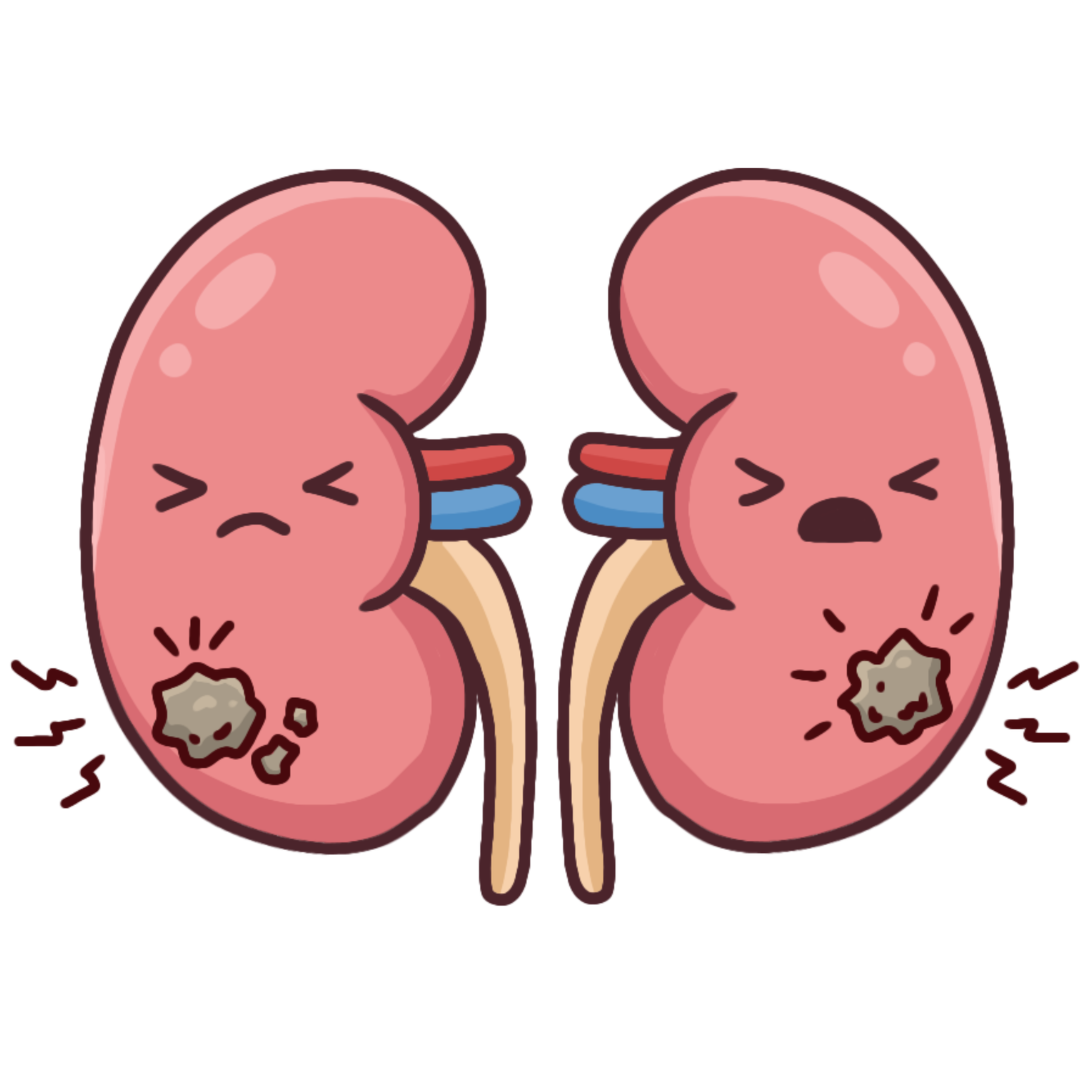
Kidney Stones
Severe flank pain — medication, lithotripsy and minimally invasive removal.

Urinary Tract Infection (UTI)
Burning urine and frequency — accurate diagnosis and complete treatment.
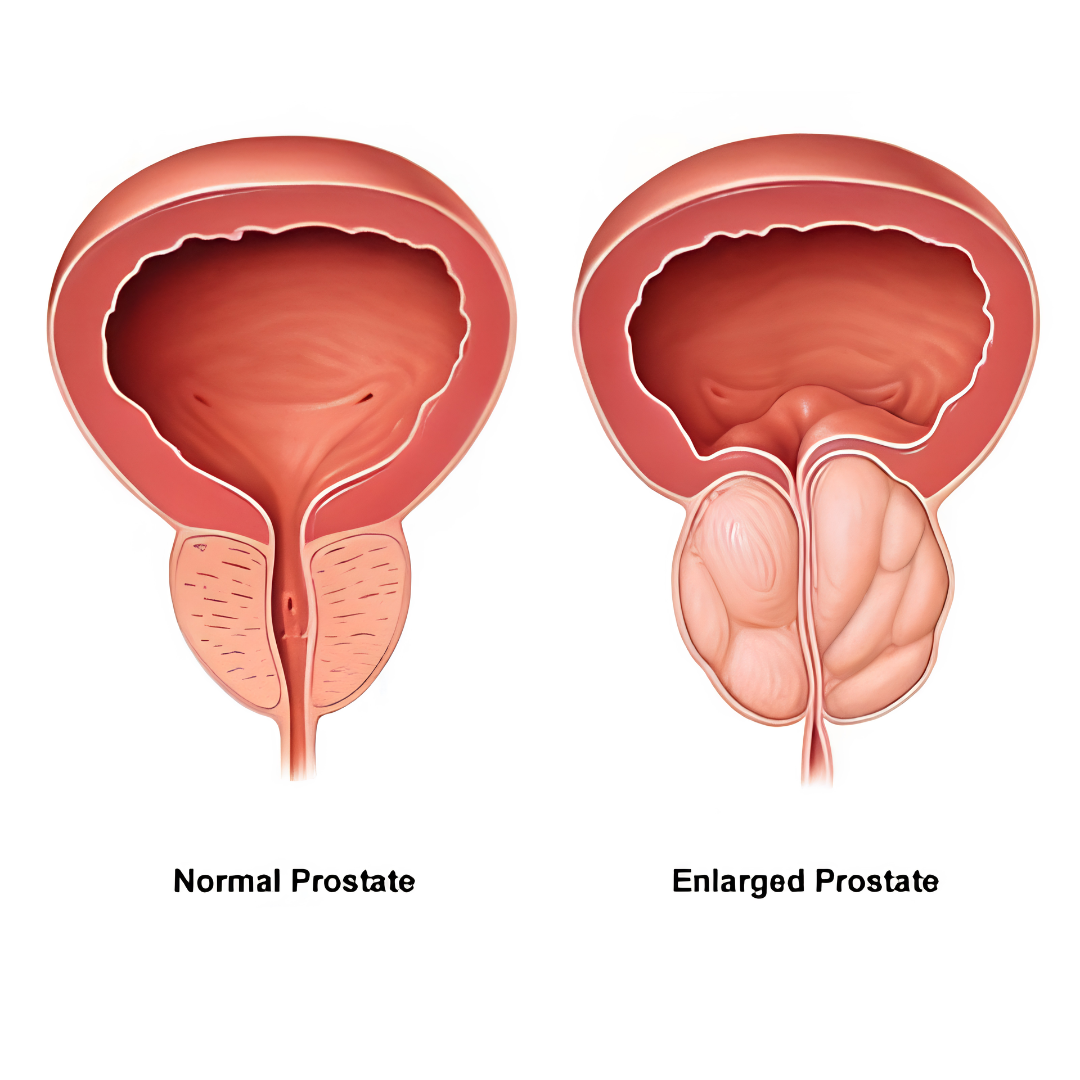
Enlarged Prostate (BPH)
Weak urine flow in older men — medication and surgical options.
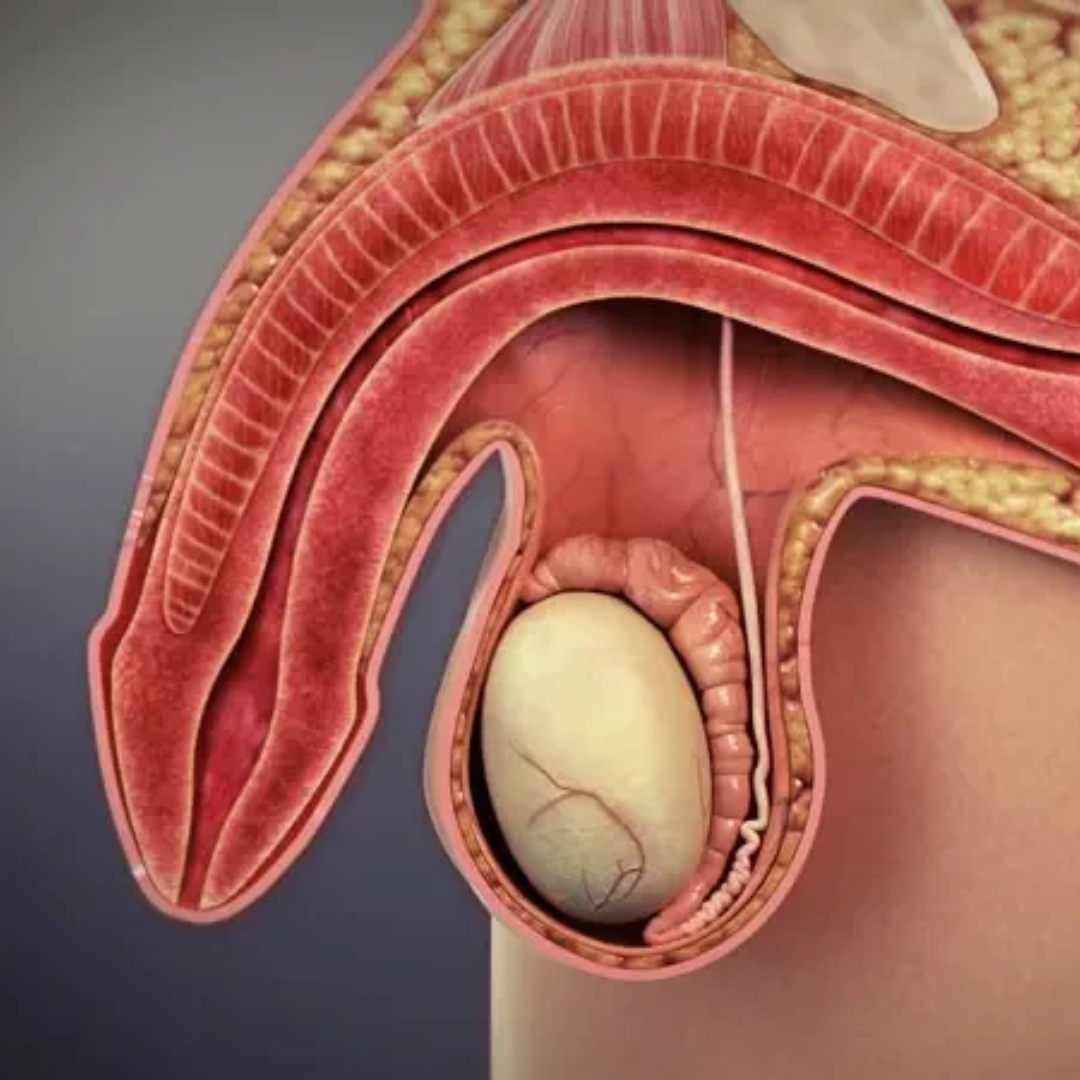
Erectile Dysfunction
Confidential evaluation, lifestyle advice and medication.

Answers about Blood in Urine (Hematuria)
Common questions about Blood in Urine (Hematuria) — diagnosis, treatment and recovery at Sanjeevi Hospital, Sangareddy.