
Urinary Incontinence
Leakage during cough, urgency or stress — treatment that works.
Overview
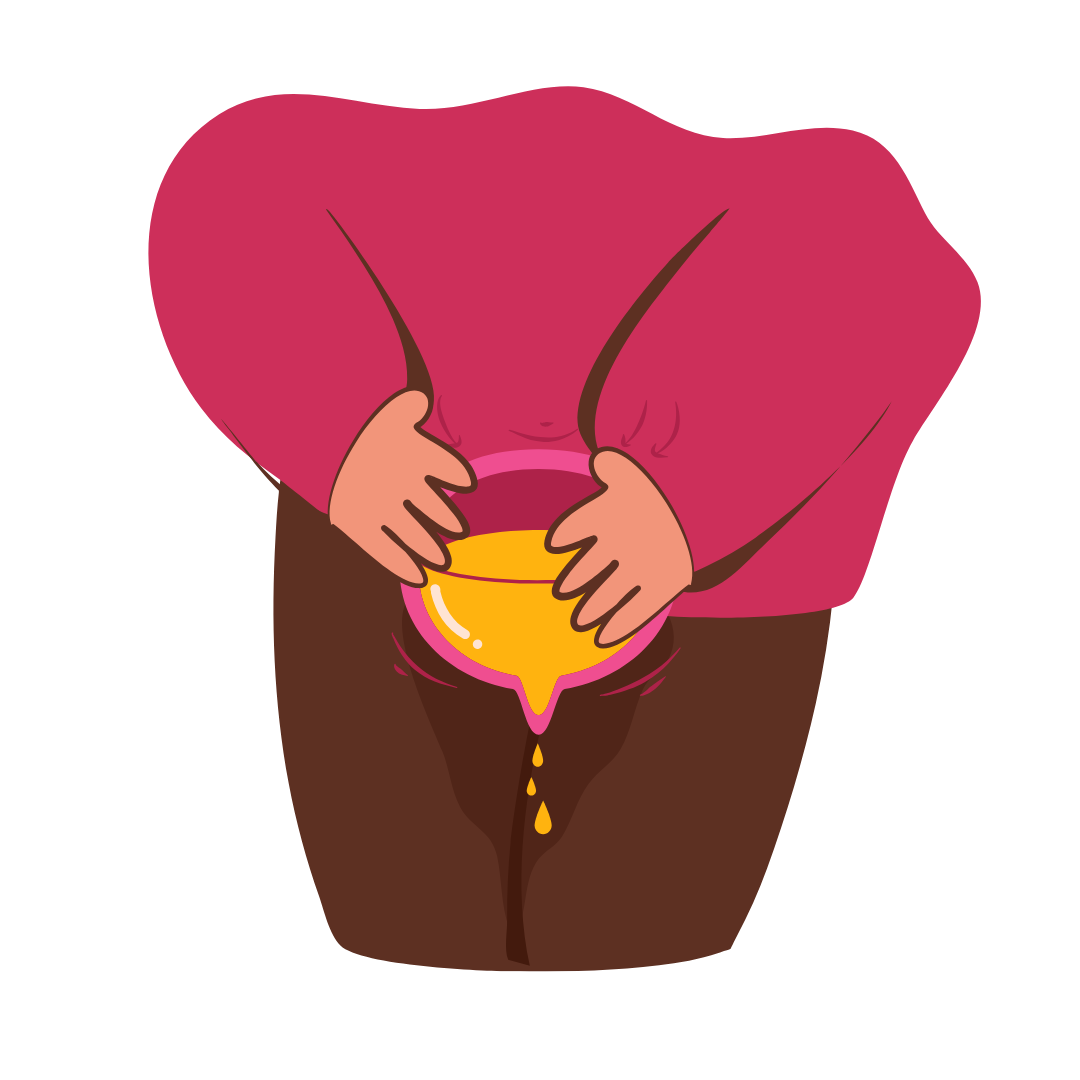
Urinary incontinence, or the involuntary leakage of urine, is a very common condition that affects millions of people across India, particularly women and the elderly. While many feel embarrassed to discuss it, it is a medical condition rather than just a natural part of aging. In India, factors like multiple pregnancies, pelvic floor weakness, and lifestyle conditions such as diabetes contribute significantly to its prevalence. At Sanjeevi Hospital in Sangareddy, we understand how this can impact your social life, work, and mental well-being. Whether you leak a few drops while sneezing or feel a sudden, uncontrollable urge to rush to the bathroom, these issues are treatable. Modern urology offers numerous non-invasive and surgical options to help you regain control. Ignoring the problem can lead to skin rashes or social isolation, but seeking timely help from our specialists can restore your quality of life and confidence in daily activities.
Symptoms to watch for
- Urine leakage when you cough, sneeze, or laugh heartily
- A sudden, intense urge to urinate followed by involuntary leakage
- Feeling like your bladder is never completely empty even after urinating
- Waking up several times during the night to use the washroom
- Frequent dribbling throughout the day without any clear trigger
- Needing to plan your travel around the availability of public toilets
- Bedwetting during adulthood
- Leakage during physical activities like lifting weights or climbing stairs
- A constant feeling of dampness in your undergarments
Causes & risk factors
- Weakening of pelvic floor muscles due to childbirth or menopause
- Enlarged prostate gland (BPH) in men, which blocks urine flow
- Chronic conditions like poorly managed diabetes leading to nerve damage
- Consuming bladder irritants such as caffeine, spicy Indian foods, or alcohol
- Being overweight, which increases pressure on the bladder and pelvic muscles
- Chronic constipation leading to strain on the surrounding bladder nerves
- History of pelvic surgeries or certain neurological disorders
- Urinary tract infections (UTI) causing temporary irritation and urgency
Diagnosis
- A detailed medical history involving a bladder diary to track fluid intake and leaks
- Urinalysis to check for infections, traces of blood, or other abnormalities
- Stress test where you are asked to cough while the doctor observes for leakage
- Post-void residual measurement using ultrasound to see if urine stays in the bladder
- Urodynamic testing to measure the pressure and volume capacity of your bladder
- Cystoscopy, involving a thin tube with a camera to view the inside of the bladder
- Pelvic ultrasound to look for structural issues in the urinary tract
Treatment options
Pelvic Floor Muscle Training (Kegels)
Specialized exercises designed to strengthen the muscles that support the bladder, helping to stop leaks before they happen.
Bladder Retraining
A behavioral therapy where you learn to delay urination after you get the urge, gradually increasing the time between bathroom visits.
Medical Management
Experienced urologists may prescribe medications that help relax an overactive bladder or improve the tone of the urethral muscles.
Topical Estrogen Therapy
For post-menopausal women, localized estrogen cream can help rejuvenate the tissues around the urethra and bladder to reduce symptoms.
Nerve Stimulation Therapy
A gentle procedure using mild electrical pulses to stimulate the nerves that control bladder function, effectively calming an overactive bladder.
Sling Procedures
A minimally invasive surgery where a small mesh 'sling' is placed to support the urethra, especially effective for stress incontinence.
Bulking Agents
Injecting safe, synthetic materials into the tissue around the urethra to help it stay closed during moments of physical pressure.
Interventional Surgery
For complex cases, our urology team can perform advanced surgeries to correct structural issues or insert an artificial urinary sphincter.
When to see a doctor
It is important to seek medical advice if bladder control issues begin to interfere with your daily routine, social interactions, or sleep. Please consult our specialists at Sanjeevi Hospital if you notice blood in your urine, experience pain while urinating, or if the leakage is accompanied by sudden weakness in your legs. You do not have to live with the discomfort or the fear of accidents; our empathetic team is here to provide a discreet and professional evaluation to find the right solution for you.
Prevention & self-care
- Maintain a healthy weight to reduce excess abdominal pressure on your bladder
- Perform daily pelvic floor exercises to keep the supporting muscles strong
- Stay hydrated but limit caffeine and carbonated drinks that irritate the bladder
- Eat a fiber-rich diet with plenty of local vegetables to avoid constipation
- Quit smoking, as chronic coughing from tobacco use can weaken the pelvic floor
- Avoid holding urine for excessively long periods of time regularly
- Monitor blood sugar levels closely if you are diabetic to prevent nerve damage
- Practice double voiding—urinating, waiting a moment, and trying again—to empty the bladder fully
Related conditions
Kidney Stones
Severe flank pain — medication, lithotripsy and minimally invasive removal.
Urinary Tract Infection (UTI)
Burning urine and frequency — accurate diagnosis and complete treatment.
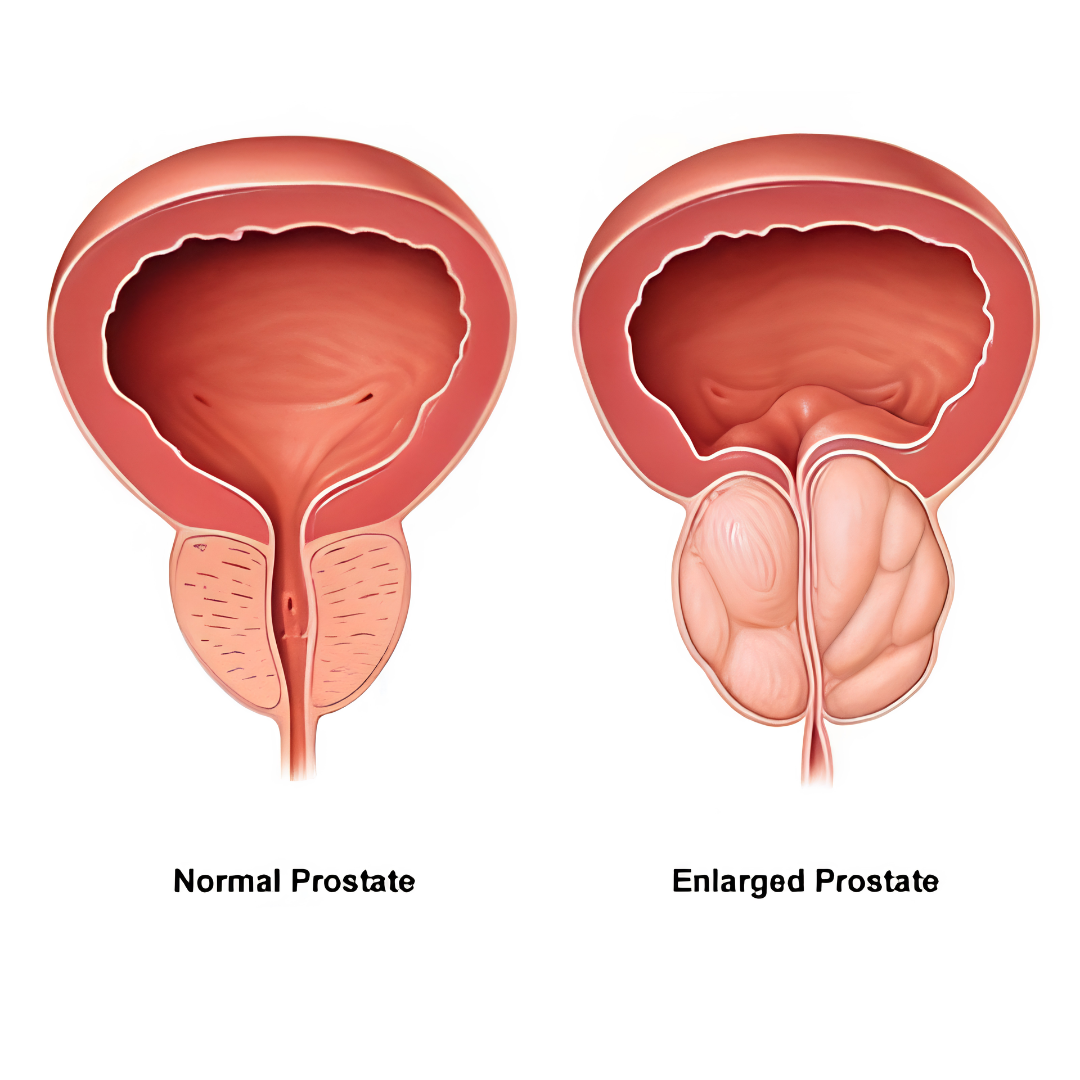
Enlarged Prostate (BPH)
Weak urine flow in older men — medication and surgical options.
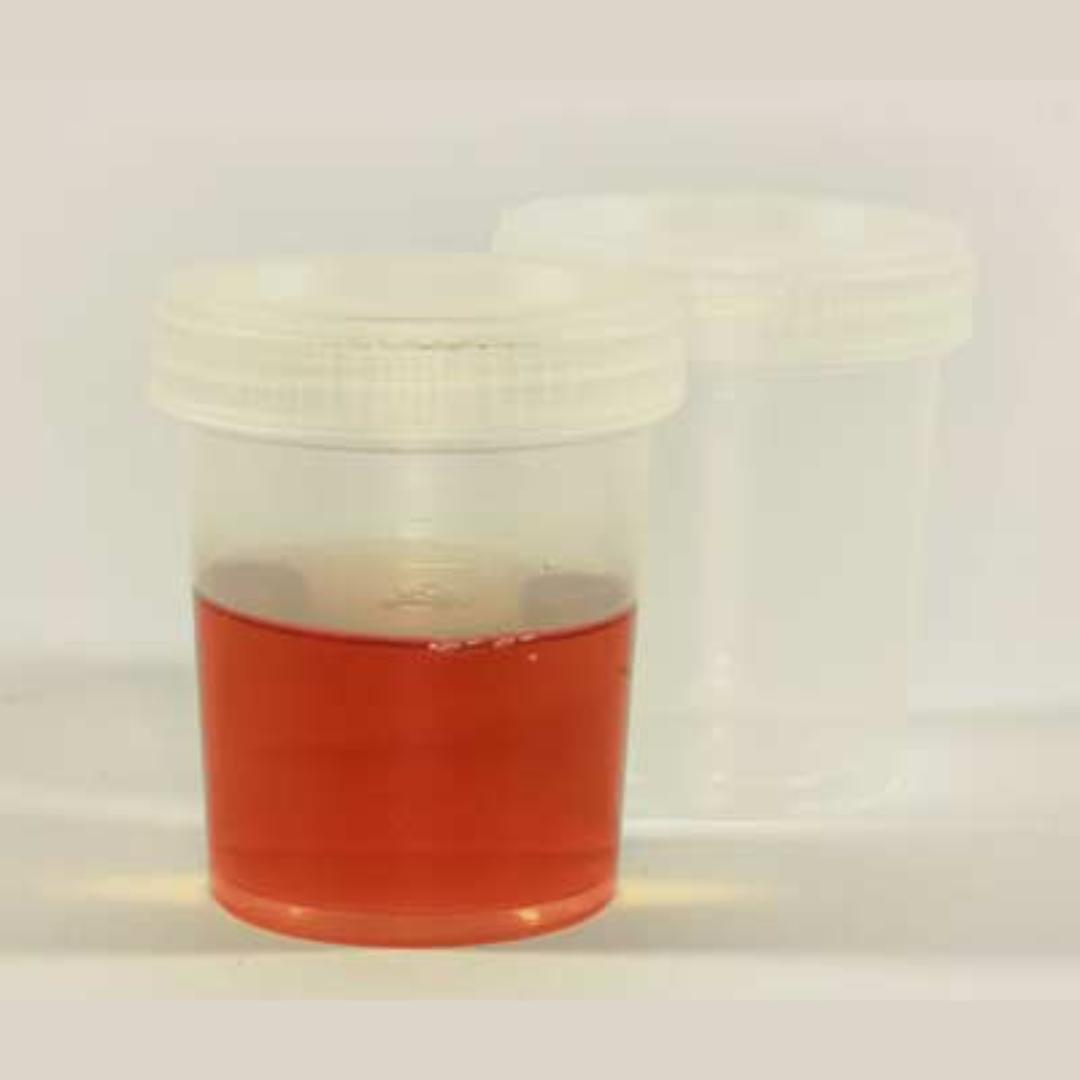
Blood in Urine (Hematuria)
Important warning sign requiring detailed urological evaluation.

Answers about Urinary Incontinence
Common questions about Urinary Incontinence — diagnosis, treatment and recovery at Sanjeevi Hospital, Sangareddy.