
Overview
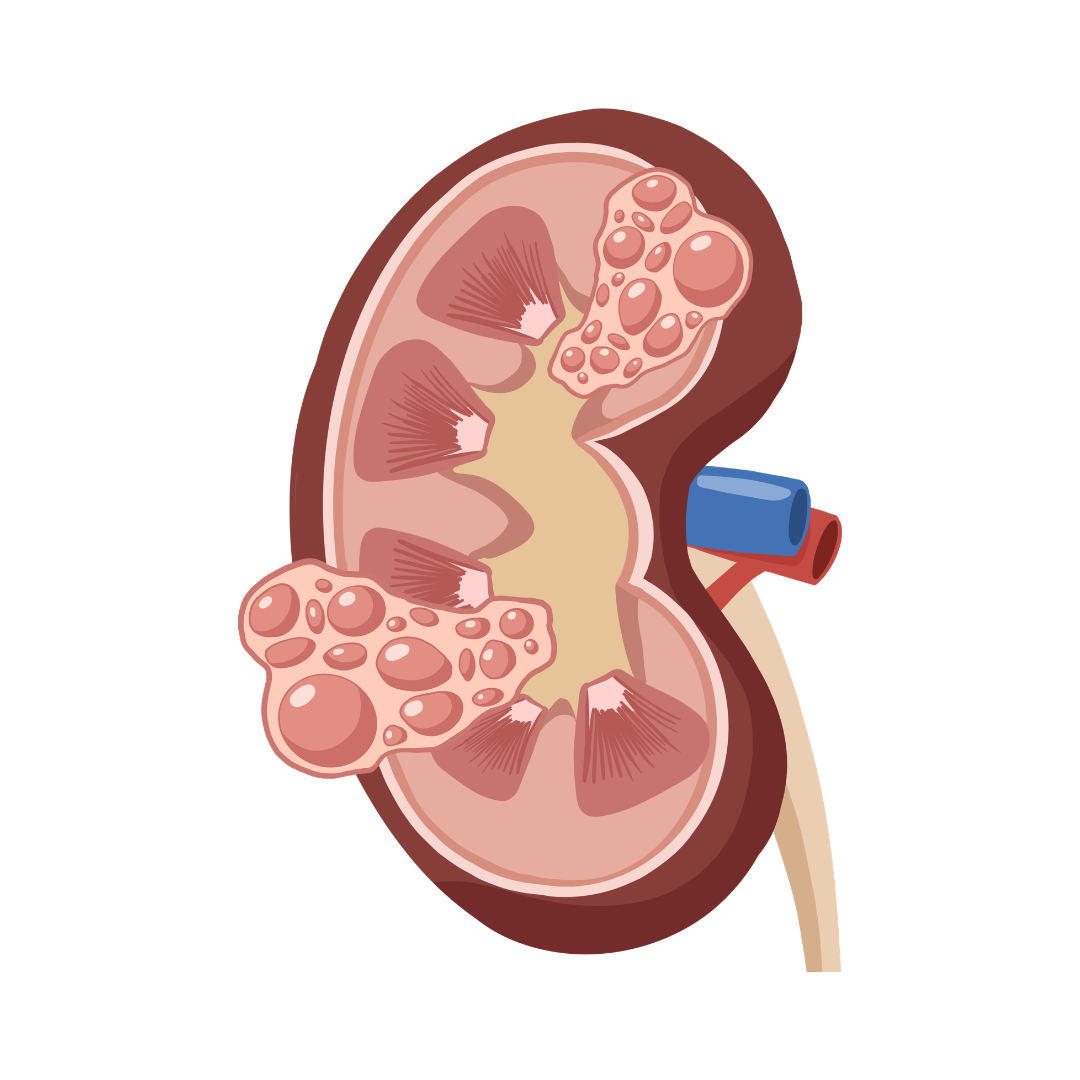
Kidney cysts are fluid-filled sacs that develop on or inside the kidneys. In the Indian context, as we age, these become quite common, often discovered incidentally during an ultrasound for other health concerns. Most are 'simple cysts,' which are round, have thin walls, and are typically harmless. However, 'complex cysts' may have irregular shapes or thicker walls and require closer monitoring. While many people live their whole lives without knowing they have a cyst, it is important to understand when these sacs might affect kidney function or cause discomfort. At Sanjeevi Hospital in Sangareddy, we emphasize that most cysts do not lead to cancer, but a professional evaluation is essential to distinguish benign growths from issues that need active medical intervention. Understanding your kidney health is the first step toward peace of mind and long-term wellness, ensuring your kidneys continue to filter blood and manage fluids effectively for years to come.
Symptoms to watch for
- A dull, aching pain in your side, back, or upper abdomen
- A feeling of fullness or pressure in the abdominal area
- Fever or chills if the cyst becomes infected
- Frequent urination or an urgent need to go
- Blood in the urine, which may appear pink or tea-colored
- High blood pressure that is difficult to control with usual medicine
- Swelling of the abdomen that you can feel with your hand
- Occasional sharp pain if a cyst happens to burst
- General tiredness if the cysts are affecting overall kidney efficiency
Causes & risk factors
- Natural aging process, moving more common in adults over age 50
- Gender factors, as they are statistically more frequent in men
- Weakening of the surface layer of the kidney over time
- Obstruction of the tiny tubes (tubules) within the kidney
- Genetic conditions like Polycystic Kidney Disease (PKD)
- Long-term history of high blood pressure or hypertension
- Chronic kidney disease or being on long-term dialysis treatment
- Environmental or lifestyle factors that stress kidney tissue
Diagnosis
- Abdominal Ultrasound to visualize the size and fluid content of the cyst
- CT Scan (Computed Tomography) for a detailed view of the cyst wall structure
- MRI (Magnetic Resonance Imaging) to differentiate between simple and complex types
- Kidney Function Tests (KFT) to check creatinine and urea levels via blood sample
- Urinalysis to look for signs of infection or microscopic blood traces
- Physical Examination by a urologist to check for abdominal tenderness or masses
- Periodic follow-up scans to monitor any changes in the size of the cyst
Treatment options
Observation and Monitoring
If the cyst is small and causing no symptoms, our specialists will simply monitor it with regular ultrasounds every 6 to 12 months.
Sclerotherapy
A long needle is used to drain the cyst under ultrasound guidance, followed by injecting an alcohol solution to prevent it from refilling.
Laparoscopic Decortication
A minimally invasive surgery where the surgeon makes small cuts to reach the kidney and remove the wall of the cyst, preventing recurrence.
Cyst Aspiration
Similar to sclerotherapy, this involves manually draining the fluid to relieve pressure and pain immediately if the cyst is very large.
Management of Hypertension
If the cyst is causing high blood pressure, our doctors provide specialized medications to protect your heart and kidneys from damage.
Antibiotic Therapy
In cases where a cyst becomes infected, a customized course of antibiotics is prescribed to clear the infection and prevent sepsis.
When to see a doctor
It is important to reach out to us if you feel a persistent ache in your side or back that doesn't go away with rest. If you notice blood in your urine, experience a sudden high fever with chills, or feel a lump in your belly, please come to Sanjeevi Hospital immediately. We are here to listen to your concerns and provide a gentle, thorough examination to ensure your kidneys are functioning as they should.
Prevention & self-care
- Drink 2.5 to 3 liters of water daily to keep kidneys flushed
- Reduce salt intake (Papad, pickles, and processed snacks) to manage blood pressure
- Maintain a healthy weight through regular walking or yoga
- Quit smoking and limit alcohol consumption to protect kidney blood vessels
- Monitor blood sugar levels strictly if you are diabetic
- Avoid over-the-counter painkillers (NSAIDs) without a doctor's advice
- Get an annual health check-up including a basic kidney ultrasound
- Eat a balanced Indian diet rich in fiber, lentils, and fresh vegetables
Related conditions
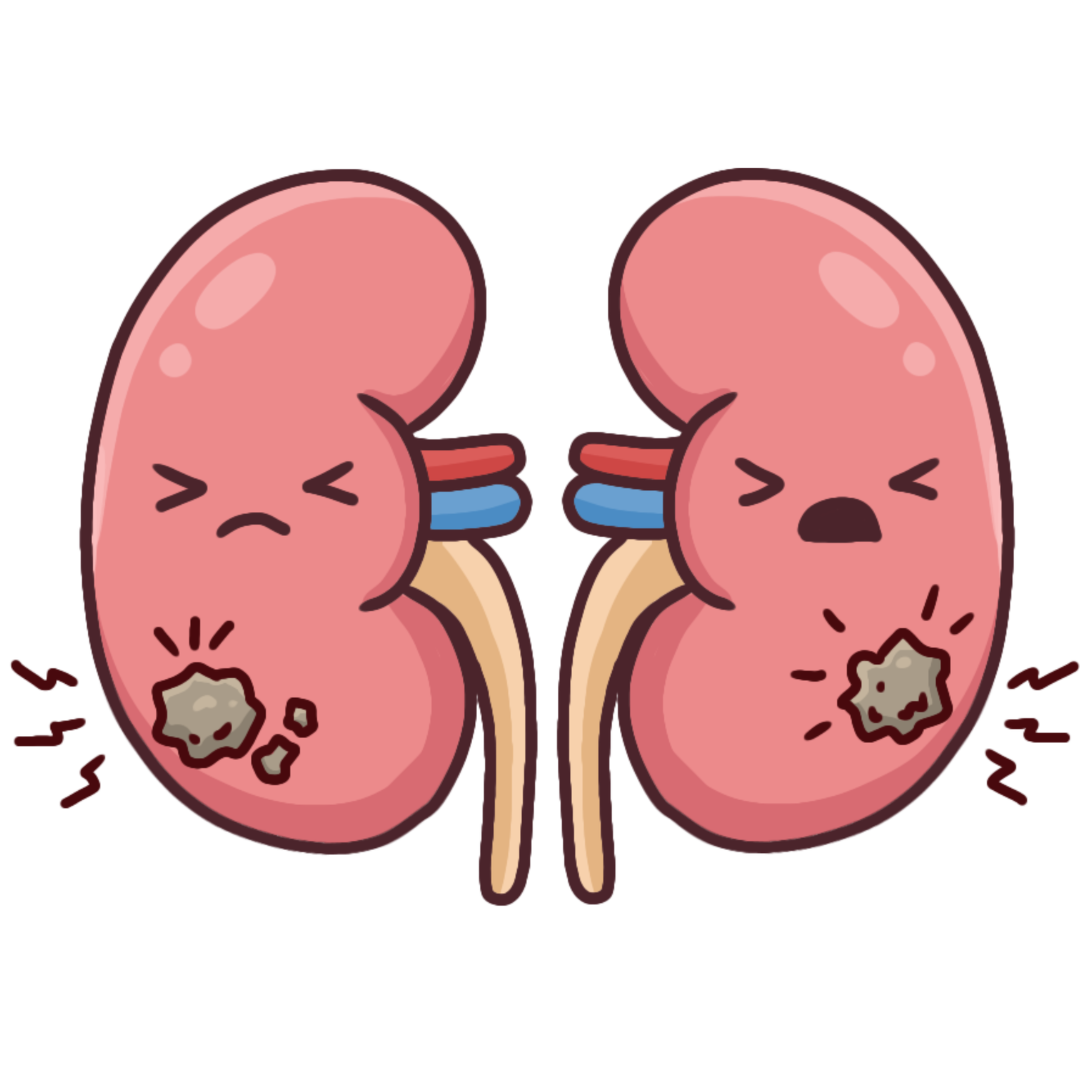
Kidney Stones
Severe flank pain — medication, lithotripsy and minimally invasive removal.
Urinary Tract Infection (UTI)
Burning urine and frequency — accurate diagnosis and complete treatment.
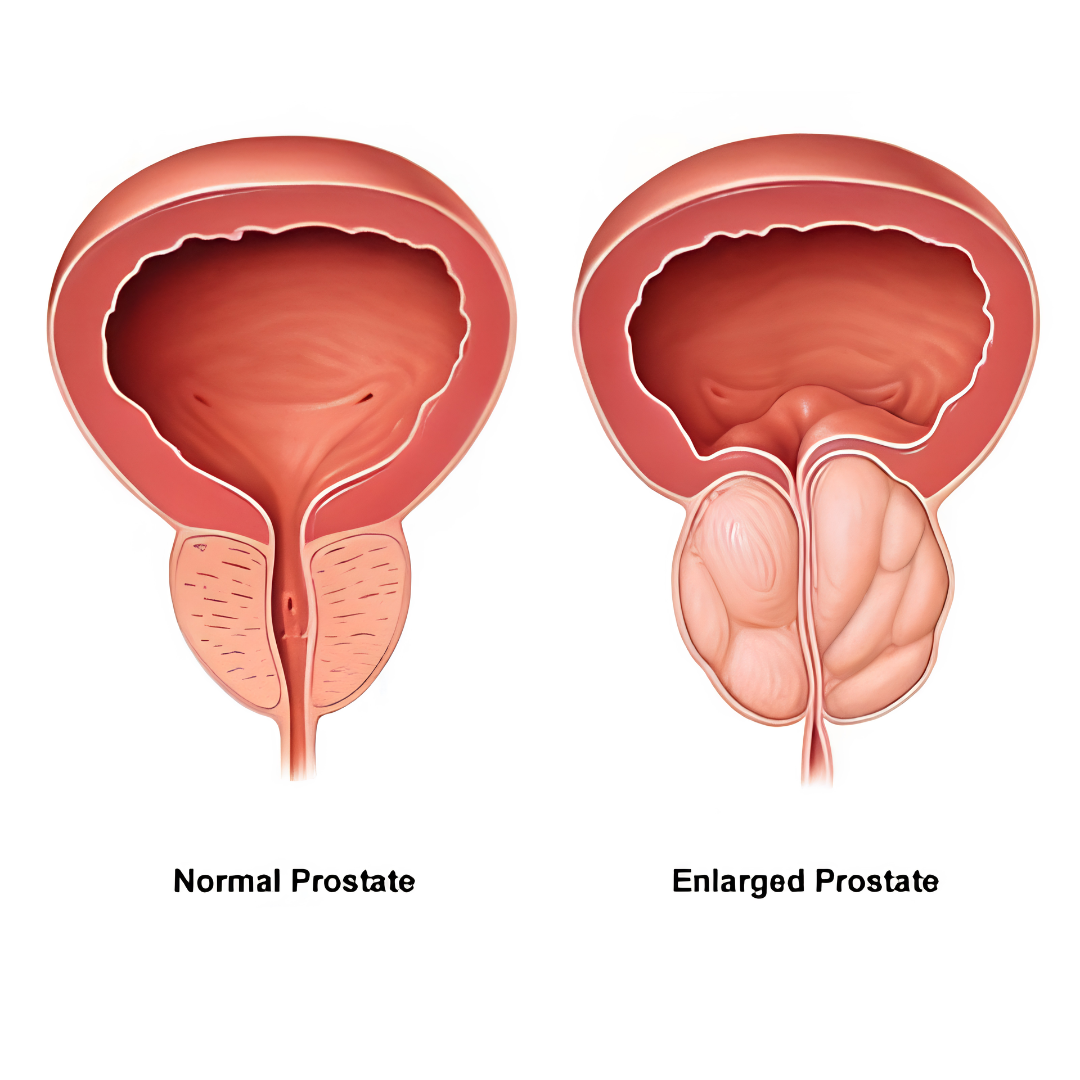
Enlarged Prostate (BPH)
Weak urine flow in older men — medication and surgical options.
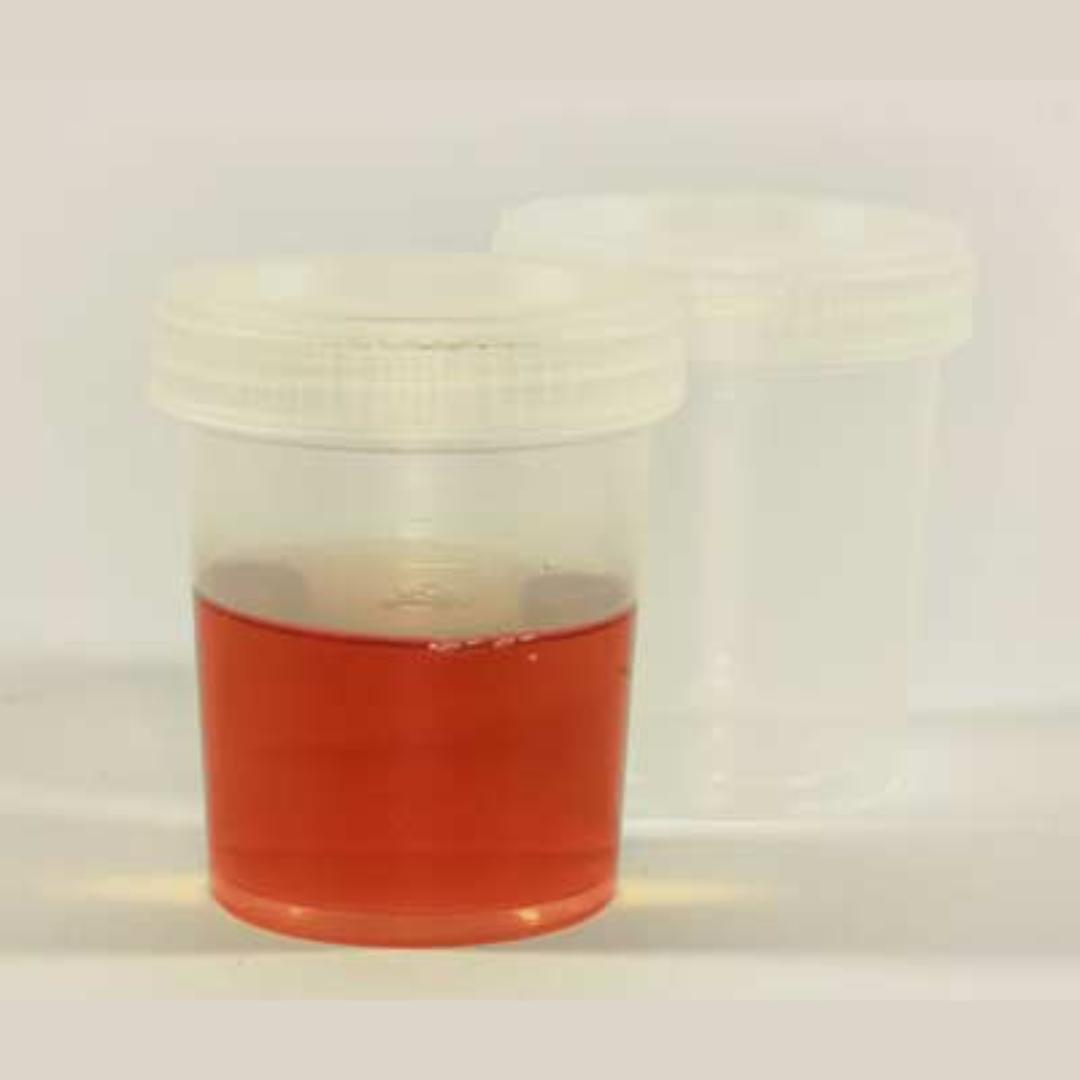
Blood in Urine (Hematuria)
Important warning sign requiring detailed urological evaluation.
Answers about Kidney Cysts
Common questions about Kidney Cysts — diagnosis, treatment and recovery at Sanjeevi Hospital, Sangareddy.