
Kidney Stones
Severe flank pain — medication, lithotripsy and minimally invasive removal.
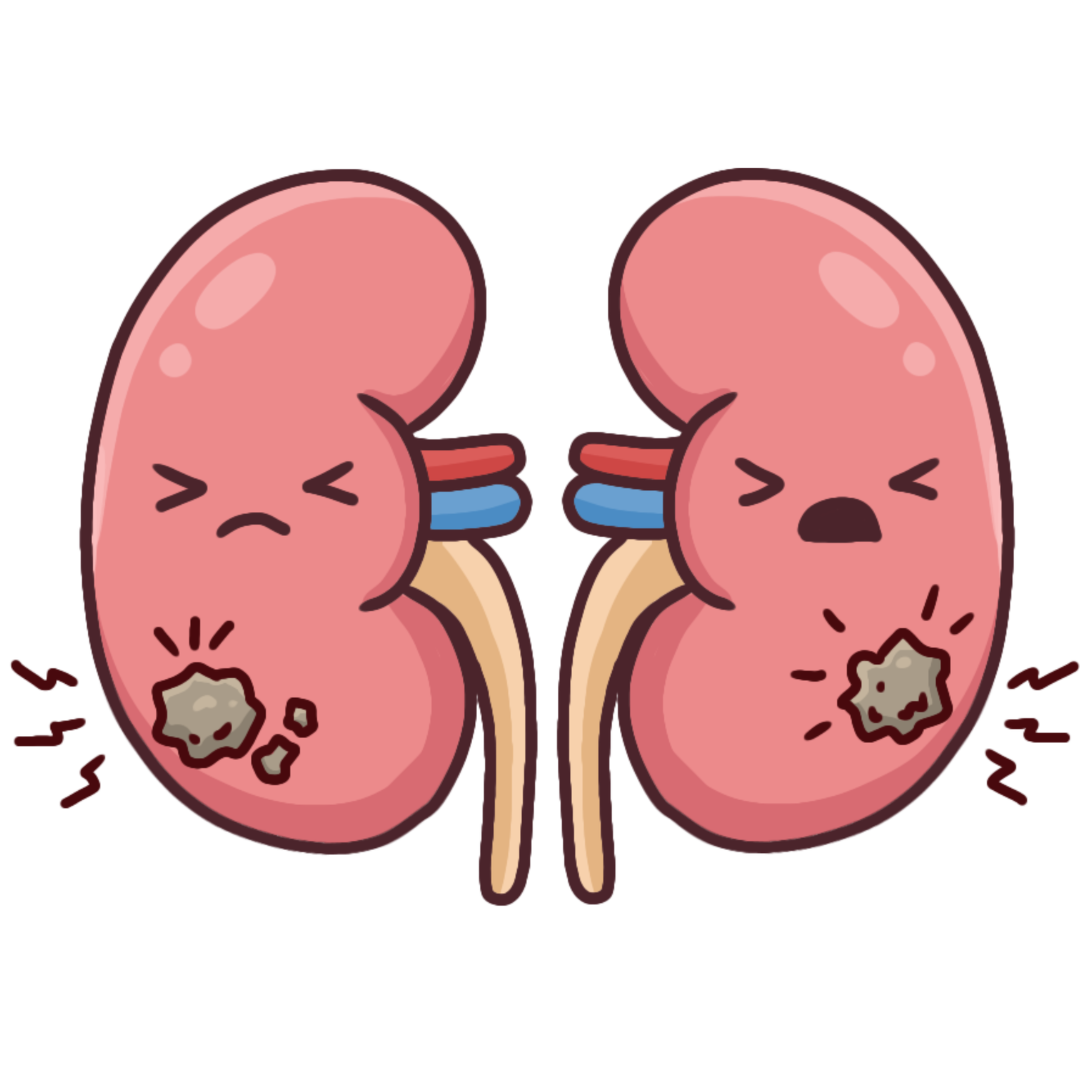
Overview
Kidney stones, or renal calculi, are small, hard mineral deposits that form inside your kidneys when certain substances in the urine become highly concentrated. These stones vary in size from a tiny grain of sand to a large golf ball, causing significant discomfort as they travel through the urinary tract. In India, especially in warmer regions like Telangana, kidney stones are very common due to high temperatures leading to dehydration and specific dietary habits like high salt intake and low water consumption. If left untreated, these stones can cause severe pain, block the flow of urine, and potentially lead to kidney infections or long-term organ damage. At Sanjeevi Hospital, Sangareddy, we understand how a sudden attack of renal colic can disrupt your life. Modern urology offers numerous ways to manage this condition effectively, ranging from simple medical management to advanced, minimally invasive laser procedures that ensure a quick return to your daily routine without the need for traditional open surgery.
Symptoms to watch for
- Severe, sharp pain in the side and back, often radiating to the lower abdomen and groin.
- Pain that comes in waves and fluctuates in intensity, known as renal colic.
- Burning sensation or sharp pain while urinating.
- Pink, red, or brown coloured urine, indicating the presence of blood.
- Cloudy or foul-smelling urine which may suggest an underlying infection.
- A persistent need to urinate more frequently than usual.
- Urinating in small amounts or a weak urine stream.
- Nausea and vomiting caused by the intense nature of the pain.
- Fever and chills if an infection has developed alongside the stone.
Causes & risk factors
- Dehydration or not drinking enough water is the leading cause in the Indian climate.
- Dietary habits high in salt (sodium), sugar, and animal proteins increase mineral buildup.
- Family history or personal history of having previous kidney stones.
- Obesity and high Body Mass Index (BMI) are linked to increased stone risk.
- Certain digestive diseases and previous gastric surgeries that affect calcium absorption.
- Medical conditions such as Hyperparathyroidism or frequent urinary tract infections (UTIs).
- High intake of oxalate-rich foods like spinach, nuts, and certain types of tea.
- Prolonged use of certain medications or supplements without medical supervision.
Diagnosis
- A detailed physical examination and review of your medical and family history.
- Blood tests to check levels of calcium, uric acid, and kidney function parameters.
- Urinalysis to look for signs of infection, blood, or stone-forming crystals in the urine.
- Ultrasound (KUB) which is a safe, radiation-free way to visualize stones in the kidneys or bladder.
- Non-contrast CT Scan, the gold standard for accurately determining stone size and location.
- X-ray of the Kidney, Ureter, and Bladder (KUB) to monitor stone movement or growth.
- Stone analysis, where passed stones are tested in a lab to determine their chemical composition.
Treatment options
Medical Expulsive Therapy (MET)
For small stones, we use specific medications to relax the muscles in your ureter, helping the stone pass naturally with less pain and effort.
Extracorporeal Shock Wave Lithotripsy (ESWL)
This is a non-invasive procedure where sound waves create strong vibrations to break stones into tiny pieces that can be passed in your urine.
Ureteroscopy (URS) with Laser Lithotripsy
A thin, flexible scope is passed through the urethra to reach the stone, which is then broken into dust using an advanced holmium laser.
Percutaneous Nephrolithotomy (PCNL)
Used for very large or complex stones, a small incision is made in the back to directly remove the stone using specialized instruments.
Retrograde Intrarenal Surgery (RIRS)
A highly advanced, scar-less procedure where a flexible ureteroscope reaches the kidney to treat stones using laser technology without any external cuts.
Dietary and Fluid Management
Our clinical nutritionists provide personalized diet plans to balance mineral intake and ensure optimal hydration to prevent future stone formation.
When to see a doctor
Please do not ignore kidney pain. You should seek immediate medical attention at Sanjeevi Hospital if you experience pain so severe that you cannot sit still or find a comfortable position. Other red flags include pain accompanied by nausea, vomiting, fever, or chills, as these suggest an infection. If you notice blood in your urine or find it extremely difficult or impossible to pass urine, please visit our 24/7 emergency department in Sangareddy immediately for compassionate and prompt care.
Prevention & self-care
- Stay well-hydrated by drinking at least 2.5 to 3 litres of water daily to keep urine diluted.
- Reduce your daily salt intake by avoiding papads, pickles, and processed snacks common in Indian diets.
- Eat a balanced amount of calcium-rich foods like milk and curd, as dietary calcium helps prevent stones.
- Limit foods high in oxalates, such as spinach, beetroot, chocolates, and nuts, if you are prone to stones.
- Incorporate citrus fruits like lemons and oranges into your diet to increase citrate levels in your urine.
- Limit the intake of animal proteins like red meat and eggs, which can increase uric acid levels.
- Maintain a healthy body weight through regular physical activity and a balanced diet.
- Avoid self-medicating with high doses of Vitamin C or calcium supplements without a doctor's advice.
Related conditions
Urinary Tract Infection (UTI)
Burning urine and frequency — accurate diagnosis and complete treatment.
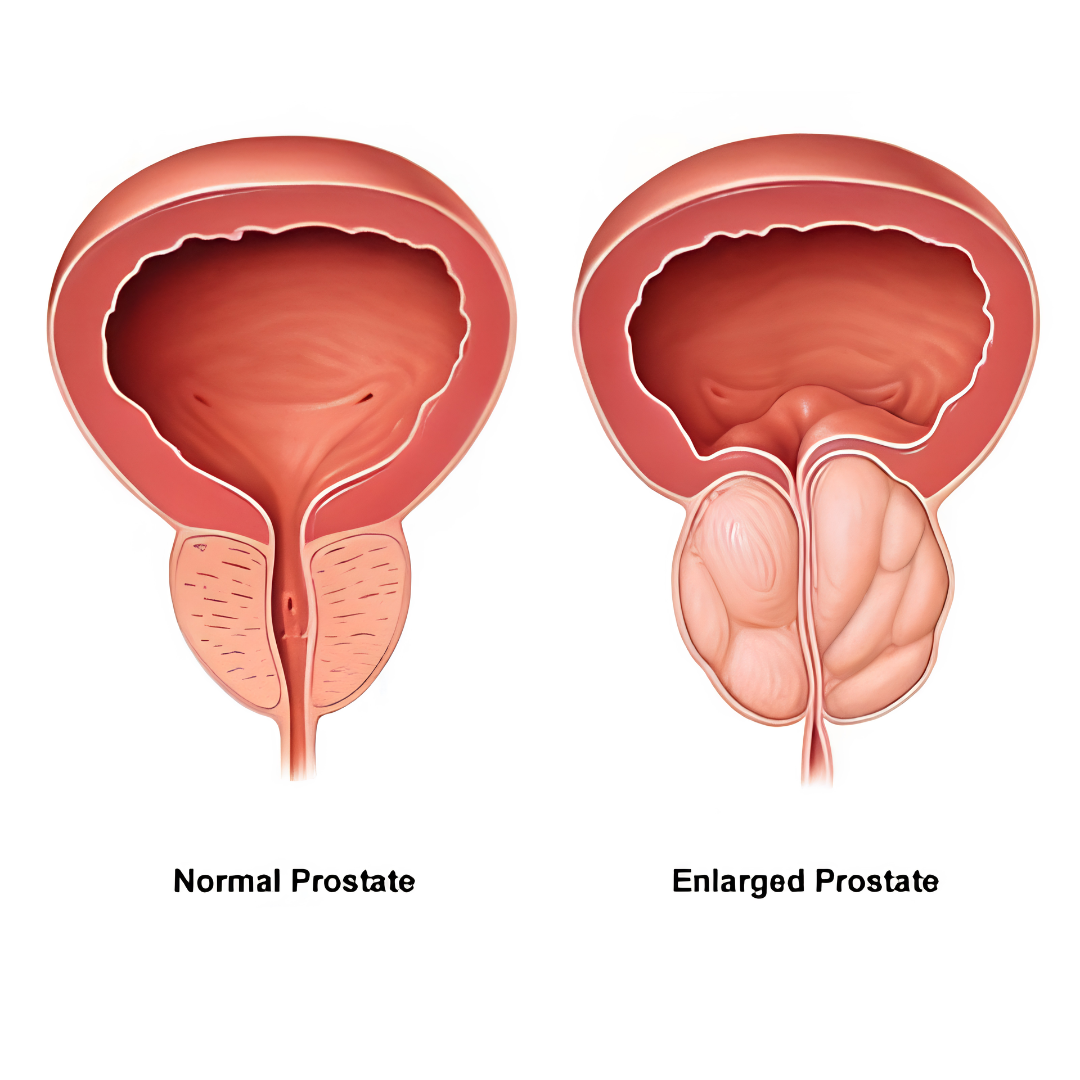
Enlarged Prostate (BPH)
Weak urine flow in older men — medication and surgical options.
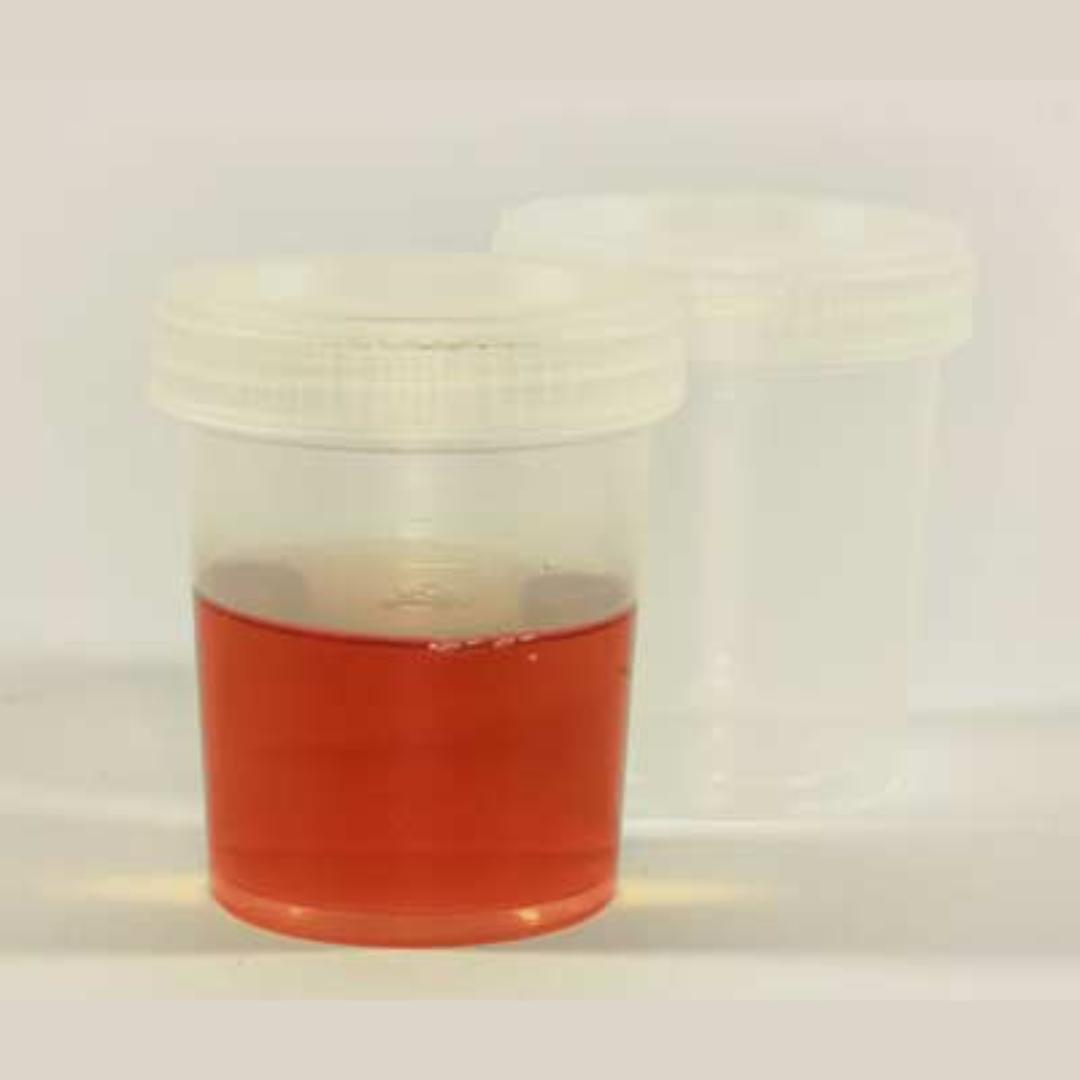
Blood in Urine (Hematuria)
Important warning sign requiring detailed urological evaluation.
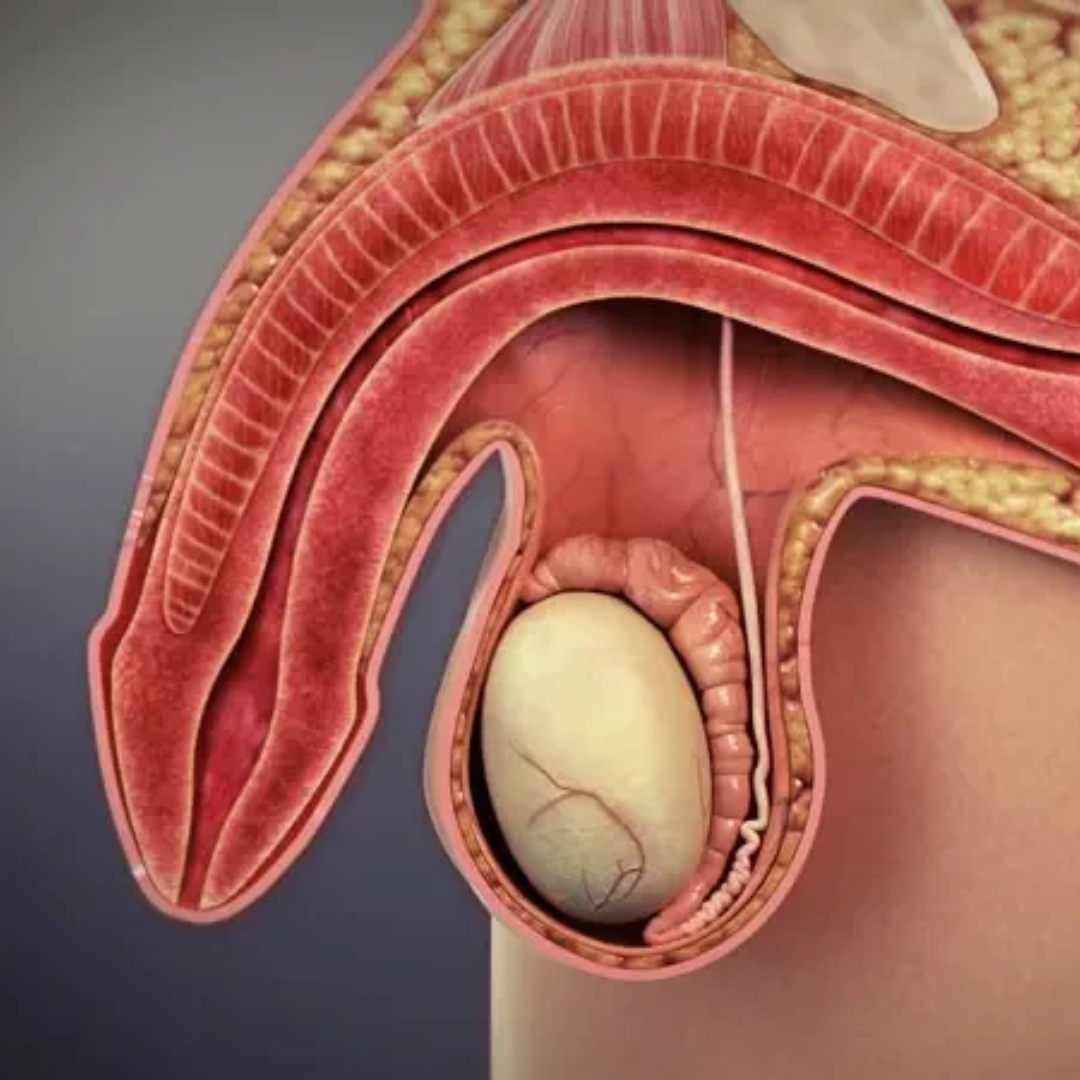
Erectile Dysfunction
Confidential evaluation, lifestyle advice and medication.
Answers about Kidney Stones
Common questions about Kidney Stones — diagnosis, treatment and recovery at Sanjeevi Hospital, Sangareddy.