
Urinary Tract Infection (UTI)
Burning urine and frequency — accurate diagnosis and complete treatment.
Overview
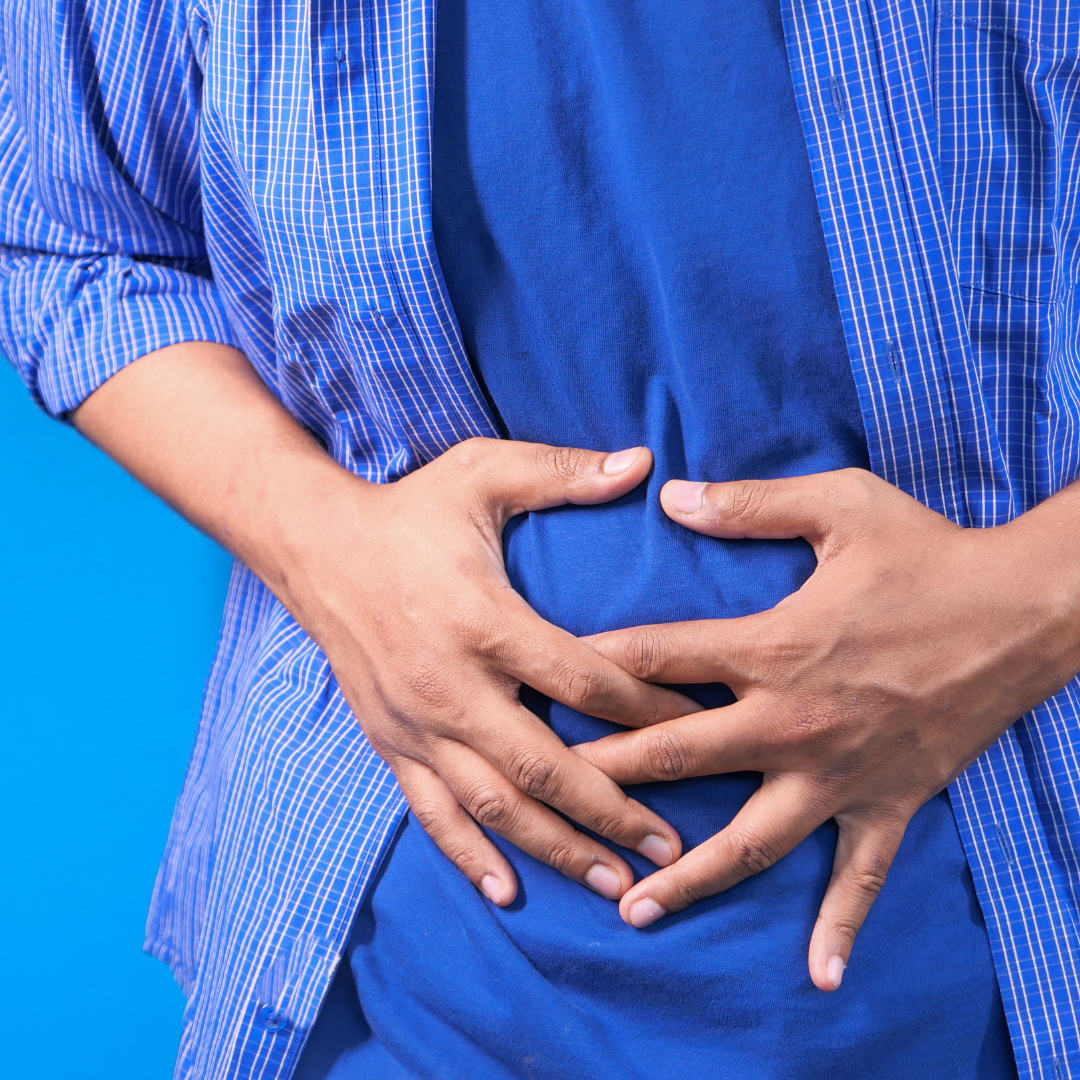
A Urinary Tract Infection, commonly known as a UTI, is an infection affecting any part of your urinary system, including the kidneys, bladder, or urethra. In India, UTIs are incredibly common due to our tropical climate which can lead to dehydration, and they affect millions of people every year, particularly women. While often viewed as a minor discomfort, leaving a UTI untreated can lead to serious kidney infections or systemic complications. At Sanjeevi Hospital in Sangareddy, we understand that the burning sensation and constant urge to go can be distressing and disruptive to your daily life. Our urology department specializes in identifying the specific bacteria causing your symptoms to ensure you receive the right care quickly. Whether it is a one-time infection or a recurring issue, timely medical intervention is key to preventing the spread of bacteria and restoring your health and comfort efficiently.
Symptoms to watch for
- A strong, persistent urge to urinate that doesn't go away.
- A burning or stinging sensation while passing urine.
- Passing frequent, small amounts of urine throughout the day.
- Urine that appears cloudy, milky, or unusually dark.
- Urine that has a strong, pungent, or unpleasant odor.
- Pelvic pain, especially in the center of the pelvis and around the pubic bone in women.
- Presence of blood in the urine, which may look pink, red, or cola-colored.
- Feeling tired, shaky, or generally unwell.
- Mild pressure or discomfort in the lower abdomen.
Causes & risk factors
- Bacteria from the digestive tract (like E. coli) entering the urethra.
- Inadequate water intake leading to concentrated urine and bacterial growth.
- Holding urine for long periods instead of emptying the bladder promptly.
- Poor hygiene practices, especially after using the washroom.
- Sexual activity, which can sometimes move bacteria into the urinary tract.
- Use of certain types of birth control like diaphragms or spermicidal agents.
- Menopause, which causes hormonal changes that make the urinary tract more vulnerable.
- Blockages like kidney stones or an enlarged prostate that trap urine in the bladder.
Diagnosis
- Urinalysis to check for white blood cells, red blood cells, or bacteria in the sample.
- Urine Culture to identify the specific type of bacteria and determine the most effective medicine.
- Ultrasound scan to look for any structural abnormalities or stones in the urinary tract.
- CT Scan for a detailed view of the kidneys and bladder if infections are frequent.
- Cystoscopy using a thin tube with a camera to see inside the bladder and urethra.
- Blood tests to check for markers of infection if a kidney involvement is suspected.
Treatment options
Targeted Antibiotic Therapy
The primary treatment to eliminate the specific bacteria responsible for the infection based on your culture report.
Pain Management Medication
Medicines provided to numb the bladder and urethra, quickly relieving that painful burning sensation while urinating.
Increased Hydration Protocol
Guidance on consuming optimal amounts of water and fluids to help flush bacteria naturally out of your system.
Vaginal Estrogen Therapy
For postmenopausal women, low-dose estrogen creams may be recommended to strengthen the urinary tract lining.
Intravenous (IV) Fluids and Antibiotics
For severe cases involving the kidneys, hospital-based IV fluids ensure fast recovery and prevent dehydration.
Surgical Correction
If the UTI is caused by physical issues like an enlarged prostate or stones, our surgeons perform minimally invasive procedures to fix the underlying cause.
When to see a doctor
It is important to visit Sanjeevi Hospital if you notice your symptoms are not improving after a day of home care. Please seek immediate medical attention if you experience high fever, chills, nausea, or vomiting, as these are signs the infection might have reached your kidneys. If you notice lower back or side pain (flank pain), or if there is visible blood in your urine, do not wait. We are here to provide gentle, effective treatment to stop the pain and keep you healthy.
Prevention & self-care
- Drink plenty of water every day to keep urine dilute and flush out bacteria.
- Always wipe from front to back after using the toilet to prevent bacterial spread.
- Empty your bladder shortly after sexual intercourse to clear any bacteria.
- Avoid irritating feminine products like deodorant sprays or douches in the genital area.
- Wear breathable cotton underwear and avoid tight-fitting trousers to stay dry.
- Don't hold your urine; go as soon as you feel the urge.
- Include probiotics like fresh curd or buttermilk in your Indian diet to promote healthy bacteria.
- Avoid excessive caffeine and spicy foods which can irritate the bladder during recovery.
Related conditions
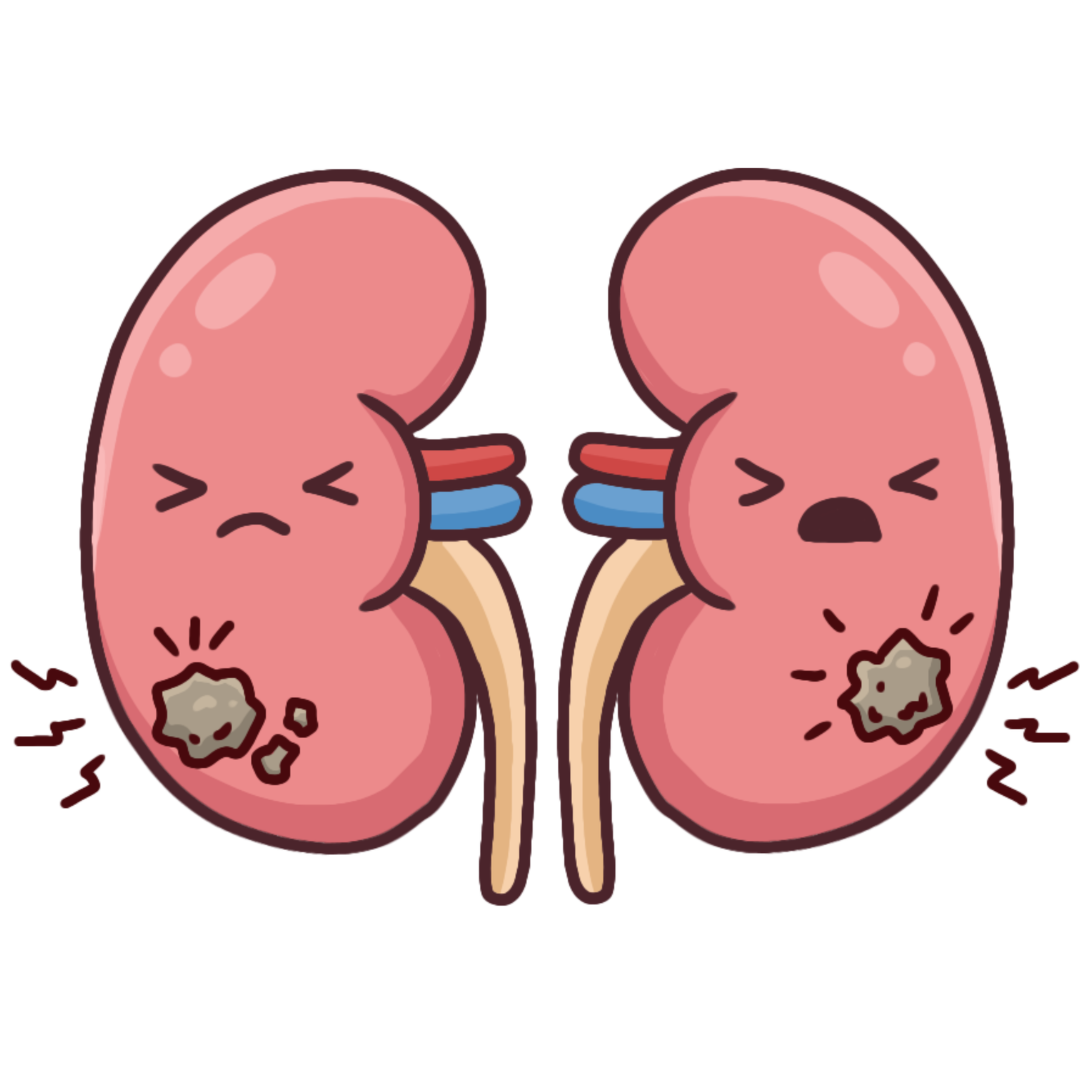
Kidney Stones
Severe flank pain — medication, lithotripsy and minimally invasive removal.
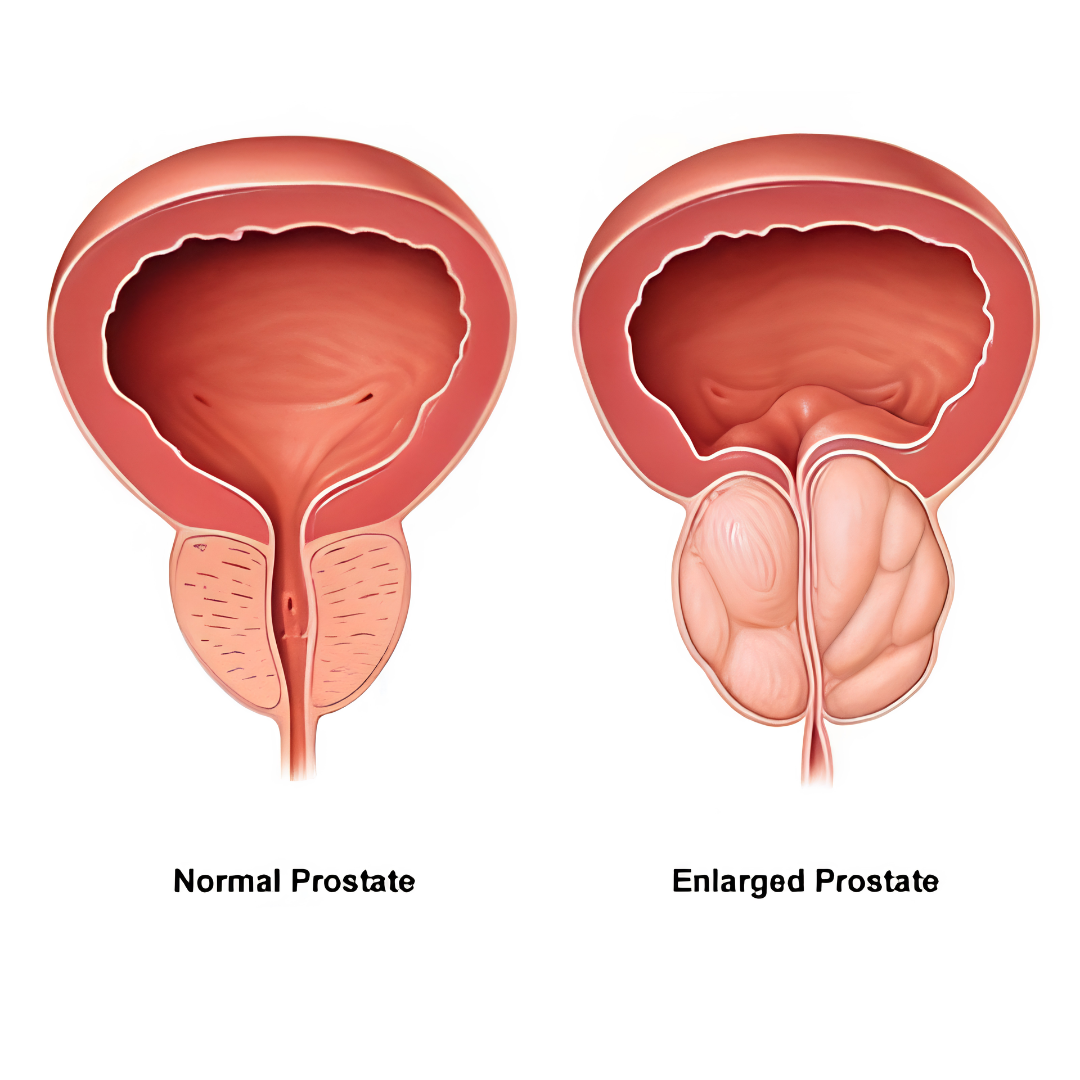
Enlarged Prostate (BPH)
Weak urine flow in older men — medication and surgical options.
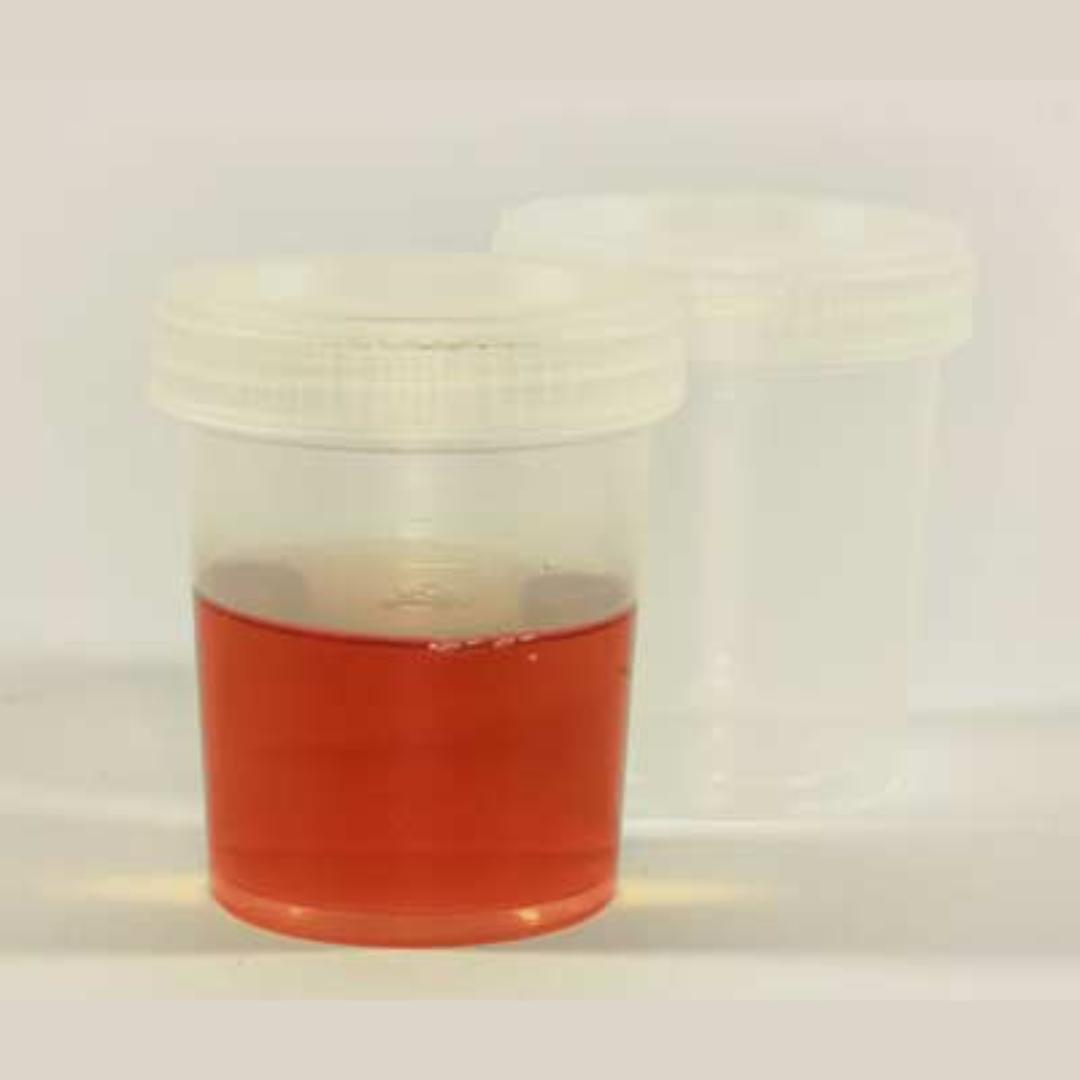
Blood in Urine (Hematuria)
Important warning sign requiring detailed urological evaluation.
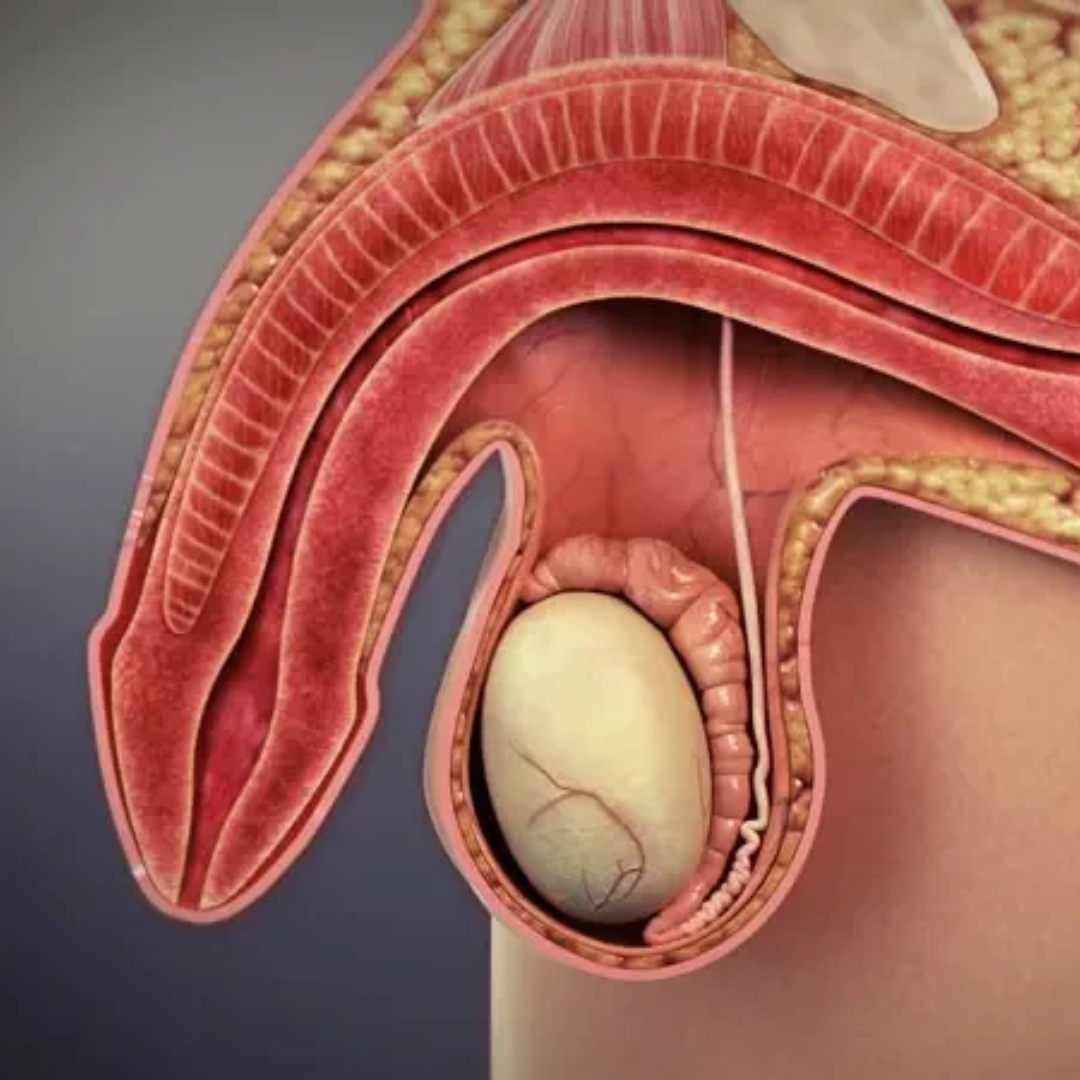
Erectile Dysfunction
Confidential evaluation, lifestyle advice and medication.
Answers about Urinary Tract Infection (UTI)
Common questions about Urinary Tract Infection (UTI) — diagnosis, treatment and recovery at Sanjeevi Hospital, Sangareddy.