
Enlarged Prostate (BPH)
Weak urine flow in older men — medication and surgical options.
Overview
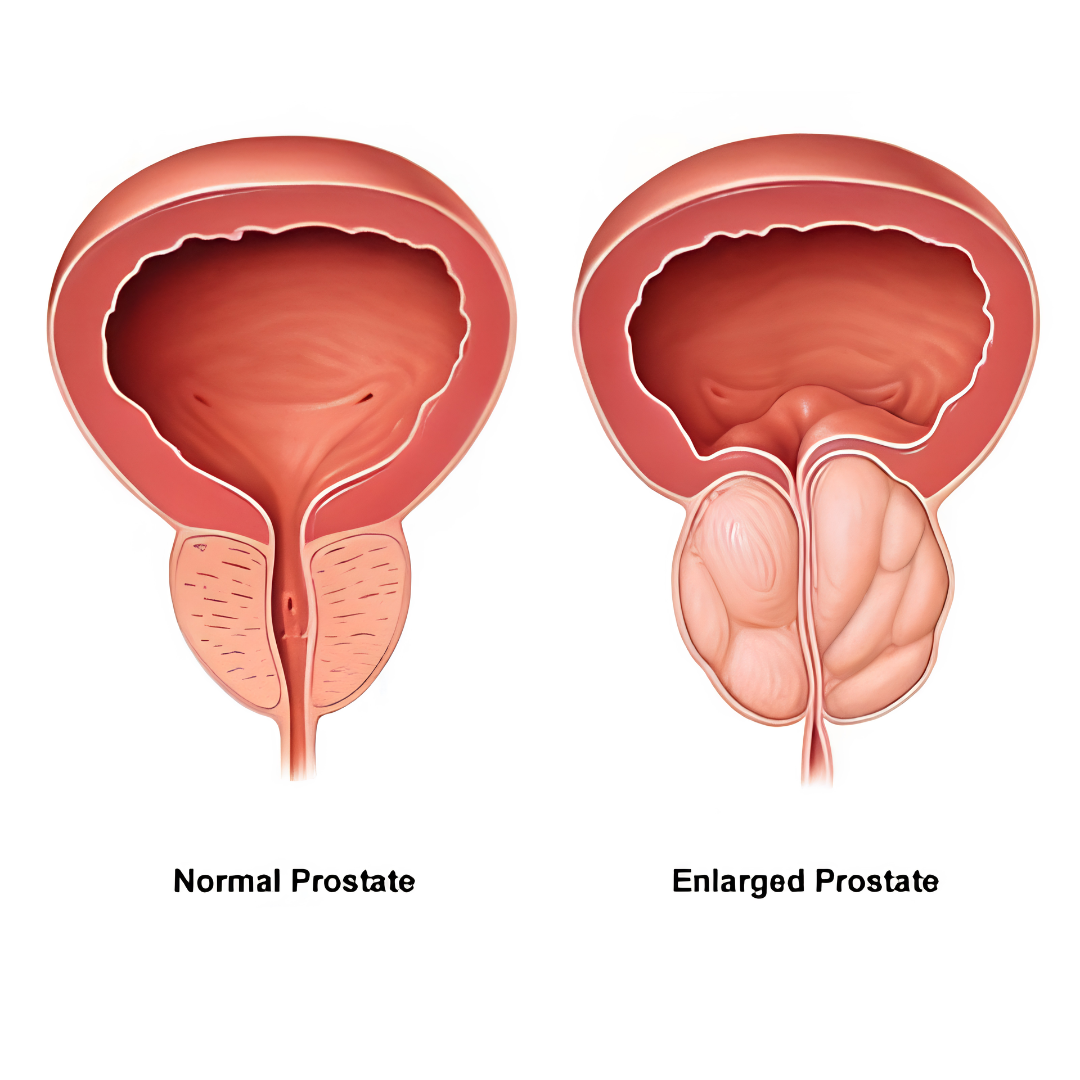
Enlarged Prostate, medically known as Benign Prostatic Hyperplasia (BPH), is a common condition among men as they age, particularly those over the age of 50. In the Indian context, as life expectancy increases, more men are seeking help for urinary issues. The prostate is a small gland that surrounds the urethra, the tube that carries urine out of the body. When this gland grows larger, it can squeeze the urethra, making it difficult for urine to pass. This is not cancer, and it does not increase your risk of cancer, but it can significantly impact your quality of life by interrupting sleep and daily activities. At Sanjeevi Hospital in Sangareddy, we understand how sensitive these issues can be. We provide a supportive environment where our urologists use modern diagnostic tools to help you regain comfort and confidence, ensuring you can lead an active life without the constant worry of bathroom proximity.
Symptoms to watch for
- A weak or slow urinary stream that feels like it lacks pressure
- Feeling that the bladder is not completely empty even after finishing urination
- Difficulty starting the flow of urine, often requiring straining
- Frequent need to urinate, especially during the night (nocturia)
- An urgent, sudden need to urinate that is hard to ignore
- A urinary stream that starts and stops several times
- Dribbling of urine at the end of the process that stains clothing
- A sudden inability to pass any urine at all, which is an emergency
- Occasional traces of blood in the urine due to straining
Causes & risk factors
- Natural aging process and hormonal changes in older men
- Changes in the balance of testosterone and estrogen as men age
- Family history of prostate problems or genetic predisposition
- Underlying medical conditions like Type 2 diabetes or heart disease
- Obesity and lack of physical exercise, which are becoming common in urban India
- Inflammation or previous infections of the prostate gland
- Normal cellular growth that occurs over several decades
- Circulatory issues that affect the health of the pelvic floor
Diagnosis
- Digital Rectal Exam (DRE) where a doctor gently checks the prostate size
- Urine test (Urinalysis) to rule out infections or other kidney issues
- Prostate-Specific Antigen (PSA) blood test to screen for protein levels
- Uroflowmetry to measure the speed and volume of your urine flow
- Post-void residual volume test using ultrasound to see left-over urine
- Ultrasound of the kidney and bladder to check for structural changes
- Cystoscopy, using a tiny camera to look inside the urethra and bladder
Treatment options
Lifestyle Modifications
Limiting fluids before bedtime, reducing caffeine and spicy Indian foods, and practicing bladder training can manage mild symptoms effectively.
Alpha-Blockers
These medications help relax the muscles in the prostate and bladder neck, making it much easier for urine to flow freely.
5-Alpha Reductase Inhibitors
This class of medication works over several months to actually shrink the size of the prostate by blocking specific hormonal triggers.
Combination Therapy
Our specialists may prescribe two types of medicine together to both relax the muscles and shrink the prostate for better results.
TURP (Transurethral Resection of the Prostate)
A gold-standard surgical procedure where a small part of the obstructing prostate tissue is removed through the urethra without external cuts.
Laser Therapy
Using advanced laser technology, the excess prostate tissue is vaporized or removed, resulting in less bleeding and a faster recovery time.
Urolift System
A minimally invasive procedure where tiny implants are used to lift and hold the enlarged prostate tissue out of the way of the urethra.
Open or Robotic Prostatectomy
For very large prostates, our surgeons may perform a precise surgery to remove the inner portion of the gland through a small incision.
When to see a doctor
Please do not ignore urinary changes as 'just a part of getting old.' It is important to visit Sanjeevi Hospital if you find yourself waking up more than twice a night, or if you feel you cannot fully empty your bladder. Seek immediate medical attention if you experience a total inability to urinate, see blood in your urine, or have a high fever accompanied by pain in your lower back or pelvis. Early intervention prevents long-term kidney damage and ensures a much smoother treatment journey.
Prevention & self-care
- Maintain a healthy weight through a balanced diet including fiber-rich Indian vegetables
- Limit intake of fluids late in the evening to reduce nighttime bathroom trips
- Stay physically active with daily walks or yoga to improve pelvic circulation
- Reduce the consumption of alcohol and highly caffeinated beverages like strong tea
- Avoid over-the-counter decongestants which can tighten the urinary muscles
- Double voiding: Wait a few moments after finishing and try to go again
- Practice pelvic floor exercises (Kegels) to strengthen the muscles supporting the bladder
- Schedule regular health check-ups once you cross the age of 50
Related conditions
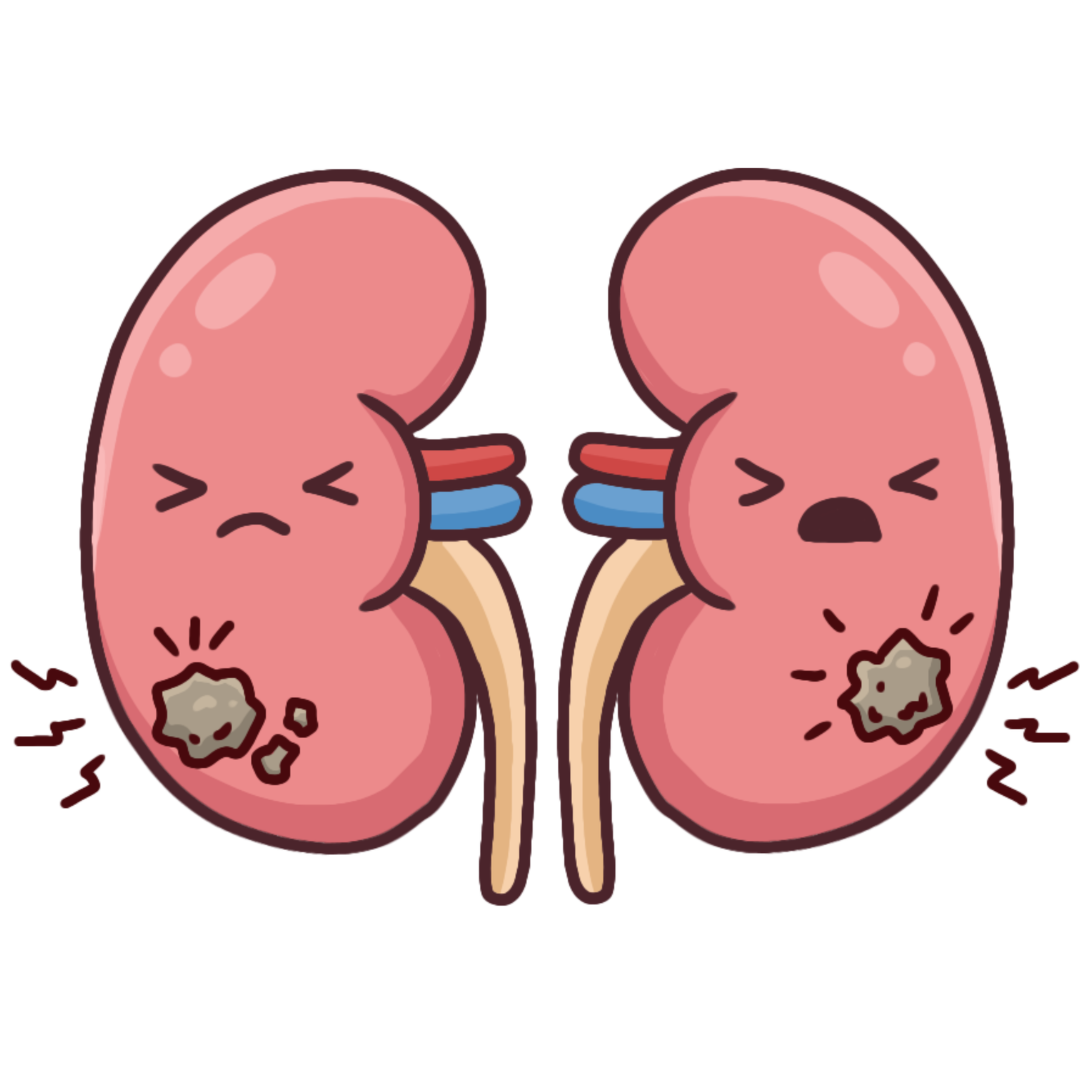
Kidney Stones
Severe flank pain — medication, lithotripsy and minimally invasive removal.
Urinary Tract Infection (UTI)
Burning urine and frequency — accurate diagnosis and complete treatment.
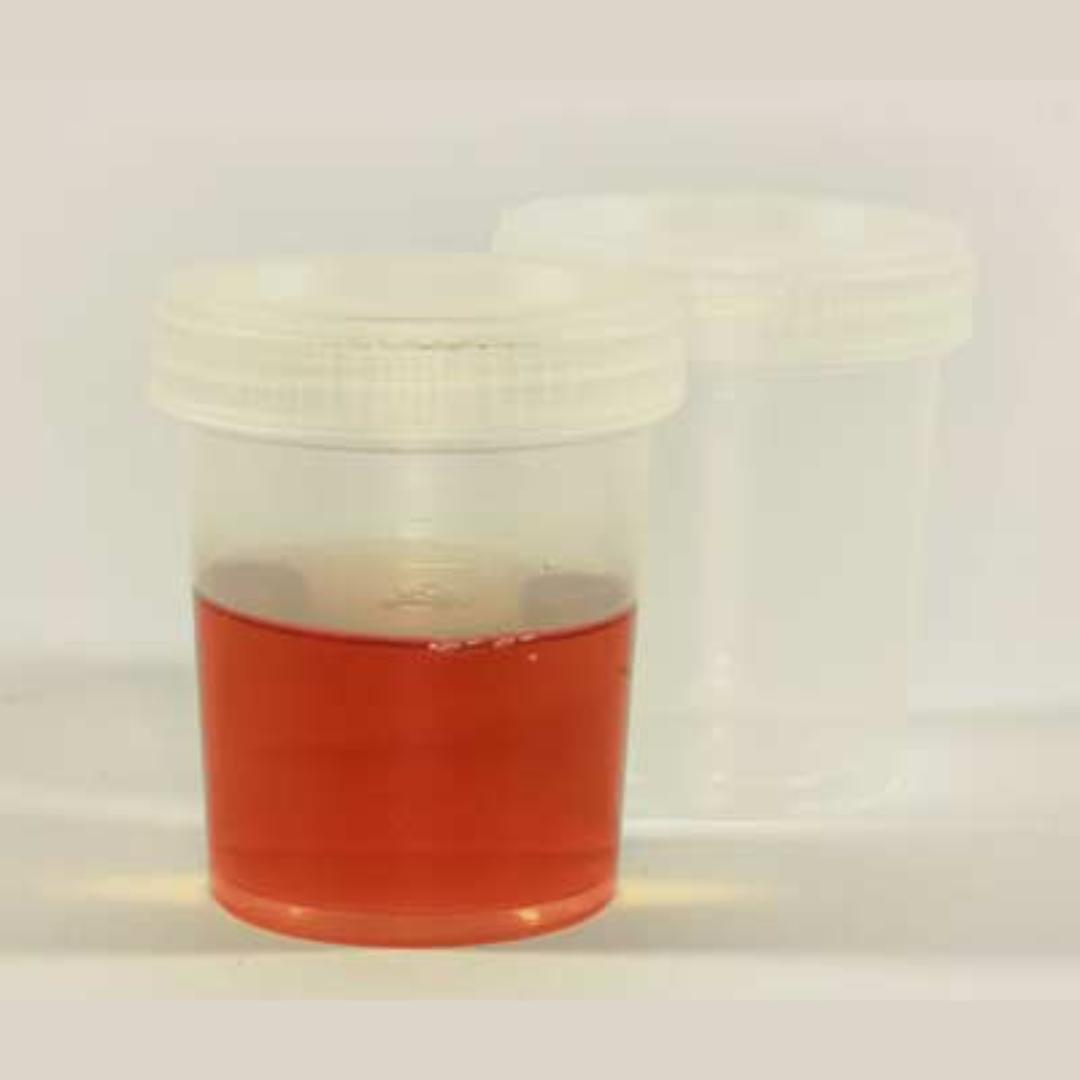
Blood in Urine (Hematuria)
Important warning sign requiring detailed urological evaluation.
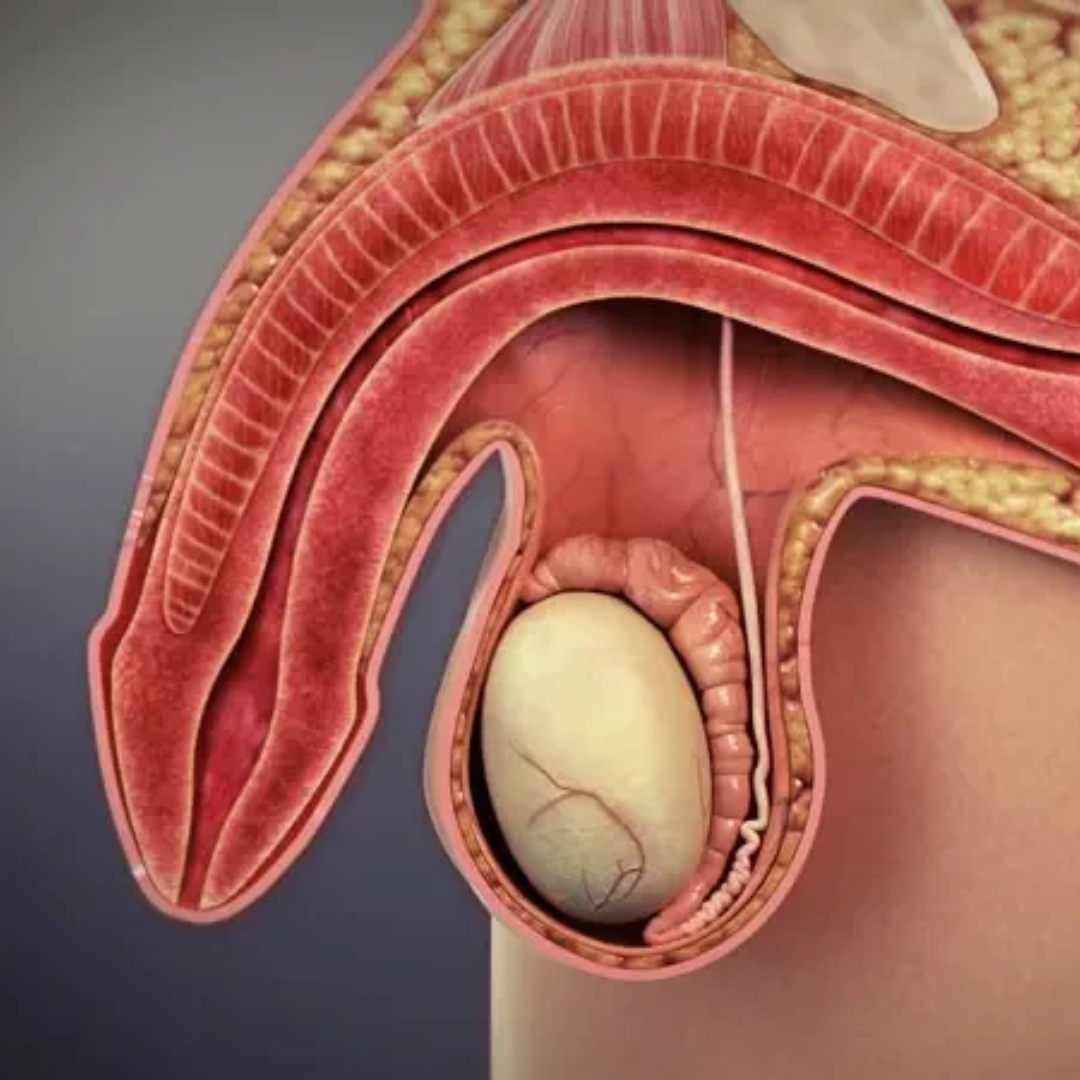
Erectile Dysfunction
Confidential evaluation, lifestyle advice and medication.
Answers about Enlarged Prostate (BPH)
Common questions about Enlarged Prostate (BPH) — diagnosis, treatment and recovery at Sanjeevi Hospital, Sangareddy.