
Deviated Nasal Septum
Persistent blockage and breathing trouble — septoplasty for lasting relief.
⭐ Best ENT Hospital in Sangareddy — see full ENT page →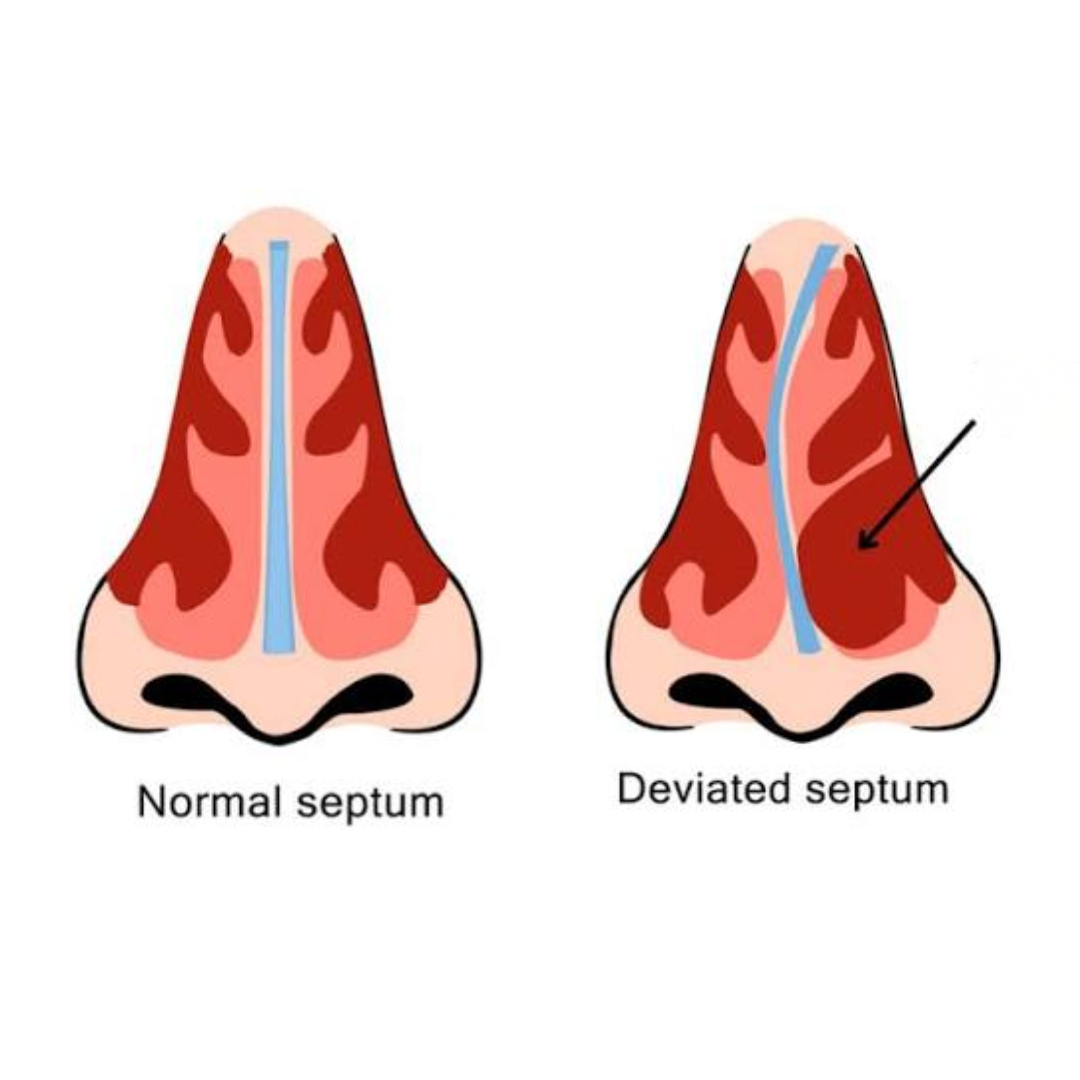
Overview
A Deviated Nasal Septum (DNS) occurs when the thin wall of cartilage and bone that separates your nostrils is displaced to one side, making one nasal passage smaller than the other. In India, this is an incredibly common condition, often caused by birth development or minor injuries during sports or everyday life. When the deviation is severe, it can block one side of the nose and reduce airflow, leading to chronic breathing difficulties, headaches, and sleep disturbances. Many people in Sangareddy live with this discomfort for years, mistaking it for permanent allergies or a 'sensitive' nose. At Sanjeevi Hospital, we believe that breathing clearly is fundamental to your overall health. Addressing a deviated septum doesn't just improve your airflow; it can enhance your quality of sleep, reduce the frequency of sinus infections, and give you more energy throughout the day. Our ENT specialists use gentle, modern techniques to restore balance to your nasal structure, ensuring you can breathe freely and live more comfortably.
Symptoms to watch for
- Obstruction of one or both nostrils making it hard to breathe through the nose.
- Frequent or recurring nosebleeds due to the surface of the septum becoming dry.
- Facial pain or localized headaches, often near the bridge of the nose.
- Noisy breathing during sleep or loud snoring that disturbs rest.
- A tendency to sleep on a particular side to optimize breathing at night.
- Awareness of the nasal cycle, where the blockage seems to shift sides.
- Chronic sinus infections or a persistent feeling of 'stuffiness' in the face.
- Reduced sense of smell or taste due to restricted airflow.
- Post-nasal drip that leads to a persistent cough or throat irritation.
Causes & risk factors
- A condition present at birth (congenital) that occurred during fetal development.
- Injury to the nose during a difficult childbirth process.
- Trauma to the face from contact sports like cricket, football, or kabaddi.
- Accidental falls during childhood that may have displaced the soft cartilage.
- Road traffic accidents causing fractures to the nasal bridge or internal structure.
- Age-related changes where the nasal structures undergo shifts or weakening.
- Previous nasal surgeries that may have altered the septum's alignment.
- Inflammation from chronic rhinitis that exacerbates the appearance of a deviation.
Diagnosis
- A detailed discussion of your medical history and nasal symptoms.
- Physical examination of the external nose for any visible signs of trauma.
- Nasal Endoscopy using a thin, lighted tube to see deep inside the nasal passages.
- Anterior Rhinoscopy where the doctor uses a speculum to gently widen the nostrils.
- CT Scan of the paranasal sinuses to map the exact degree of the deviation.
- Review of allergy history to rule out mucosal swelling as the primary cause.
- Assessment of the nasal valve to check for any collapse during deep breathing.
Treatment options
Septoplasty
The definitive surgical procedure where the septum is straightened and repositioned in the center of the nose by trimming or realigning the bone and cartilage.
Turbinate Reduction
Often performed alongside septoplasty, this procedure shrinks the small structures inside the nose that can swell and further block airflow.
Decongestants
Short-term medications that help reduce the swelling of nasal tissues to provide temporary relief from the feeling of blockage.
Antihistamines
Medications used to manage underlying allergies that might be making the symptoms of a deviated septum feel much worse.
Nasal Steroid Sprays
Prescription sprays that help reduce inflammation in the nasal passages, allowing for easier airflow around the deviated area.
Saline Irrigation
Using saltwater rinses to keep the nasal linings moist and clear out mucus, which helps prevent infections in narrowed passages.
Functional Rhinoplasty
A procedure that addresses both the internal septum and the external nose structure to ensure the entire breathing pathway is opened.
Nasal Dilators
Small adhesive strips or internal devices that help physically pull or push the nasal passages open during sleep for temporary relief.
When to see a doctor
It is important to seek medical advice if your nasal symptoms begin to interfere with your quality of life. If you find yourself constantly breathing through your mouth, experiencing recurring sinus infections every few months, or if your snoring is causing significant daytime fatigue for you or your partner, it is time for a check-up. Please don't ignore frequent nosebleeds or facial pain. At Sanjeevi Hospital, we provide a warm and supportive environment to discuss these concerns and find a path to easier breathing.
Prevention & self-care
- Wear protective helmets or face guards when playing contact sports.
- Always wear a seatbelt when traveling in a car to prevent facial impact in accidents.
- Avoid picking your nose or inserting foreign objects, especially in children.
- Manage nasal allergies effectively to prevent chronic swelling and irritation.
- Use a humidifier in dry weather to keep the nasal membranes from cracking.
- Treat nasal infections promptly to avoid long-term inflammation of the septum.
- Practice safe physical activities and avoid high-impact play in crowded areas.
- Consult an ENT specialist immediately after any nasal injury to check for displacement.
Related conditions

Sinusitis
Chronic sinus inflammation, blocked nose, facial pain — relief through medication and FESS.
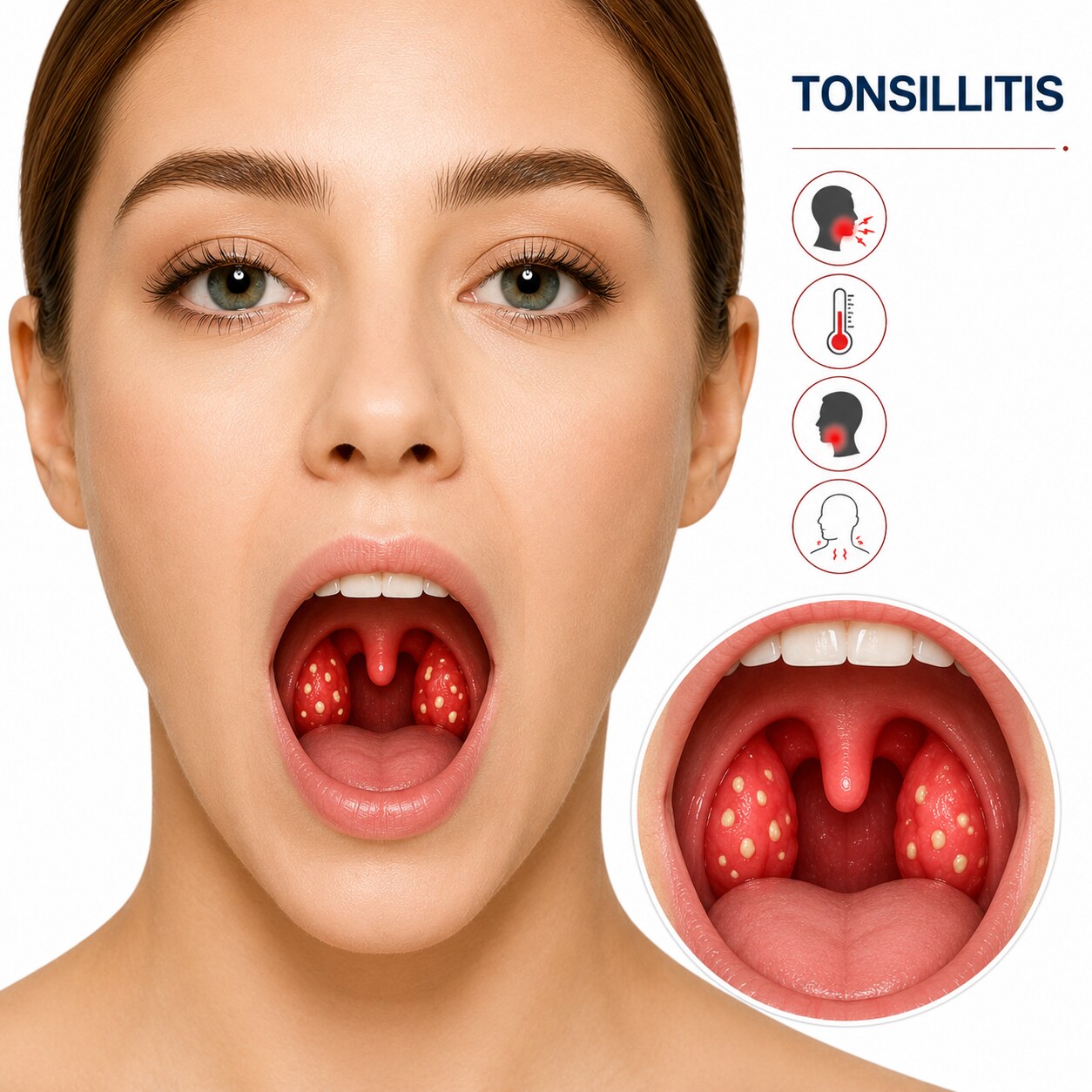
Tonsillitis
Recurring throat infections, painful swallowing — modern coblation tonsillectomy.
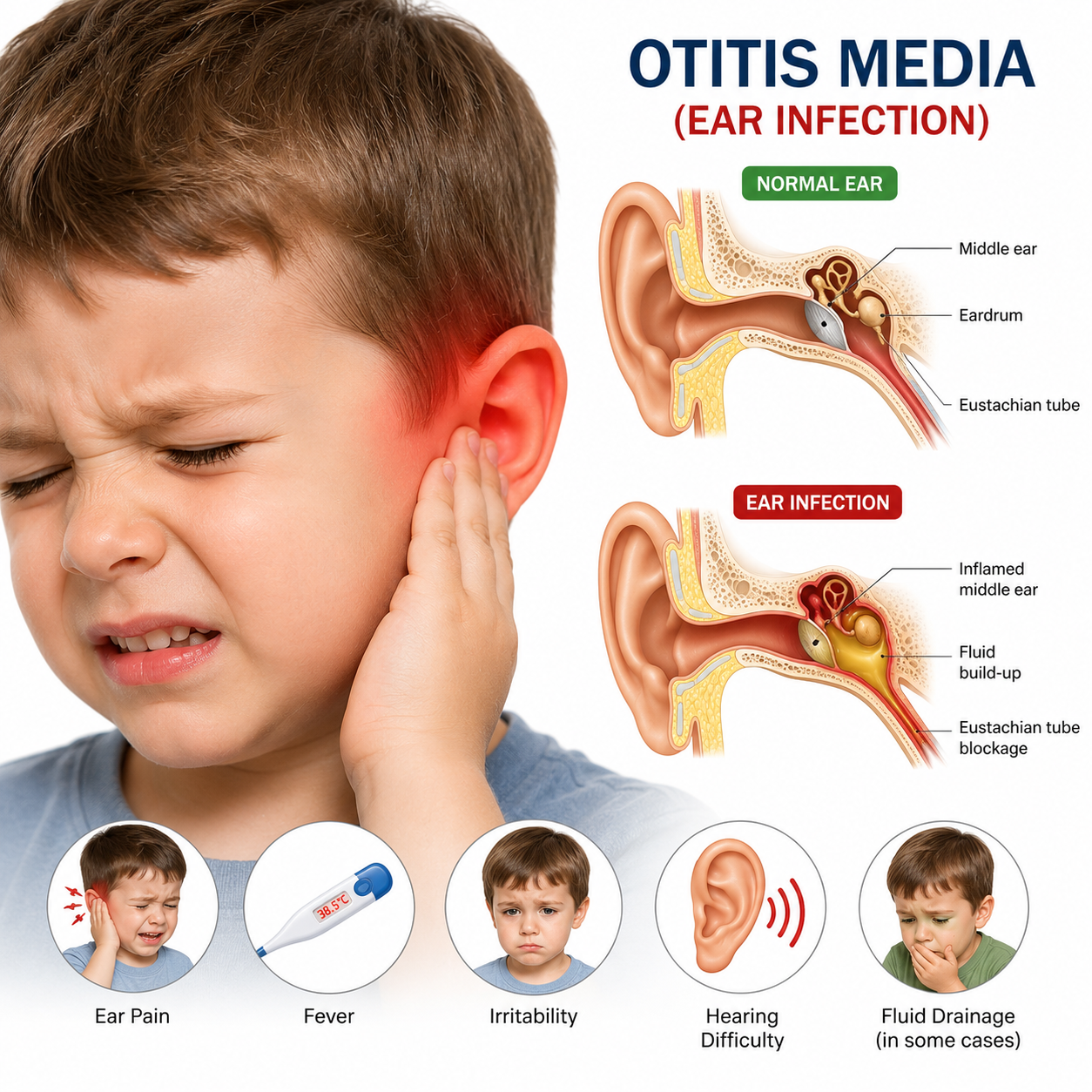
Otitis Media (Ear Infection)
Ear pain, discharge and hearing loss in children and adults.
Hearing Loss
Audiometry evaluation, hearing aid guidance and surgical options.

Answers about Deviated Nasal Septum
Common questions about Deviated Nasal Septum — diagnosis, treatment and recovery at Sanjeevi Hospital, Sangareddy.